
The day began strong. We rode out of Thimphu under a pale blue sky — the kind that makes the world feel fresh and full of promise. The early morning chill clung to our jackets, my new jacket, as we cruised out of the city. Traffic was minimal — if you can call a few silent, well-behaved cars traffic. Bhutanese roads are bliss. No honking, no weaving, no rush. Just a calm, respectful rhythm at a strictly enforced 60 km/h. It’s almost meditative.
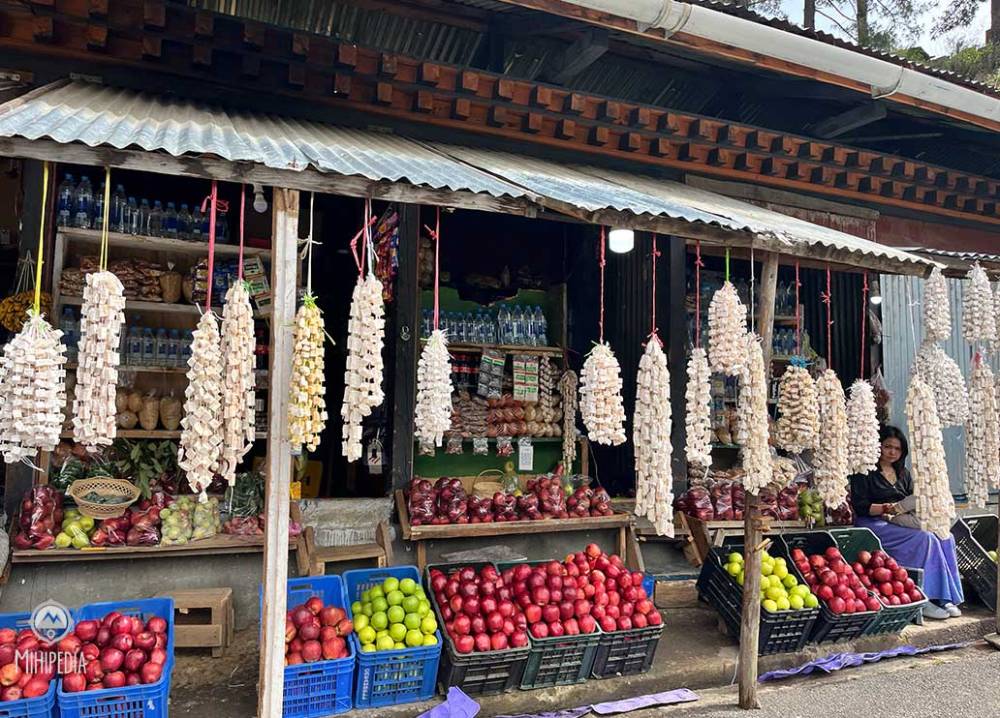
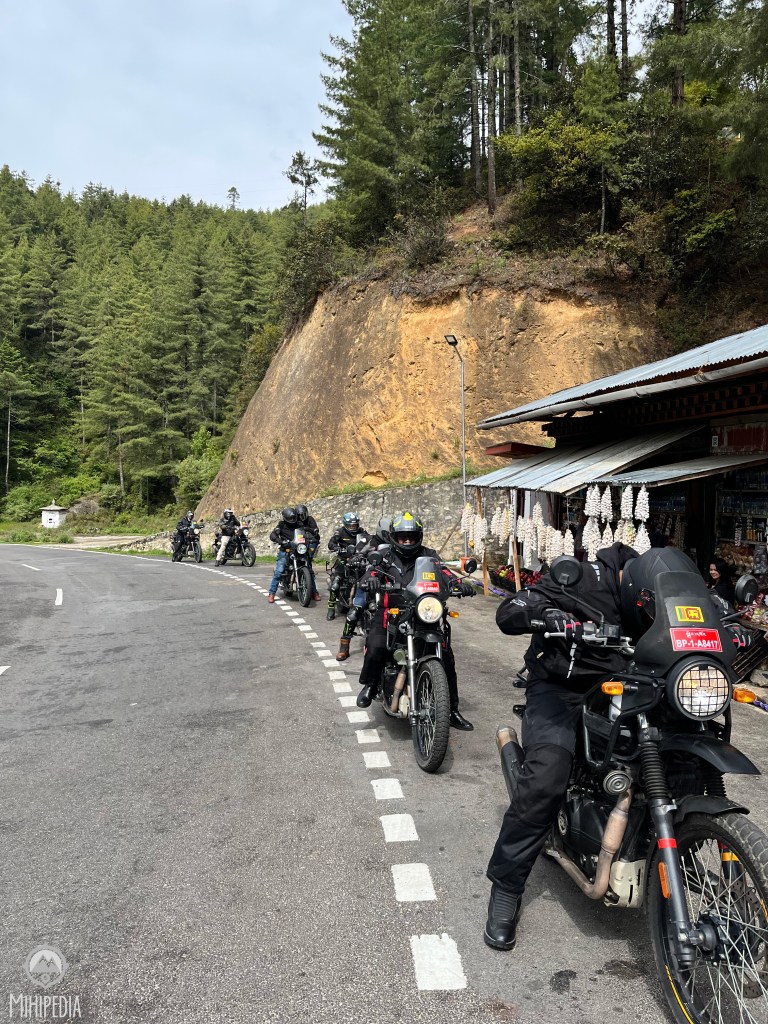
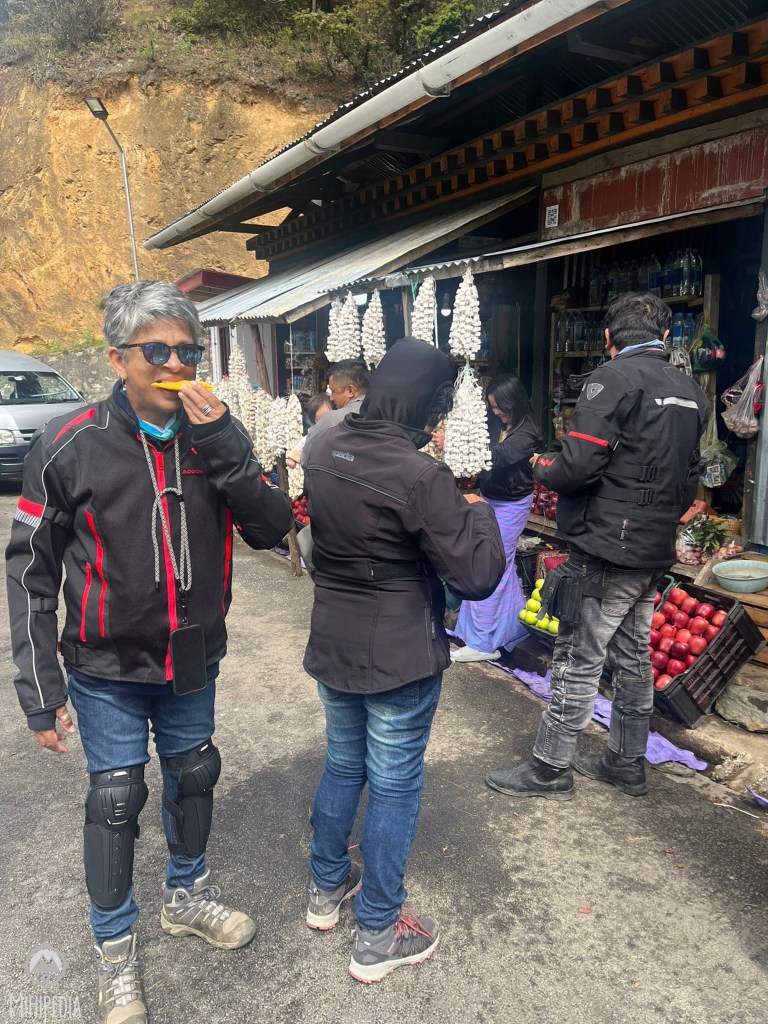
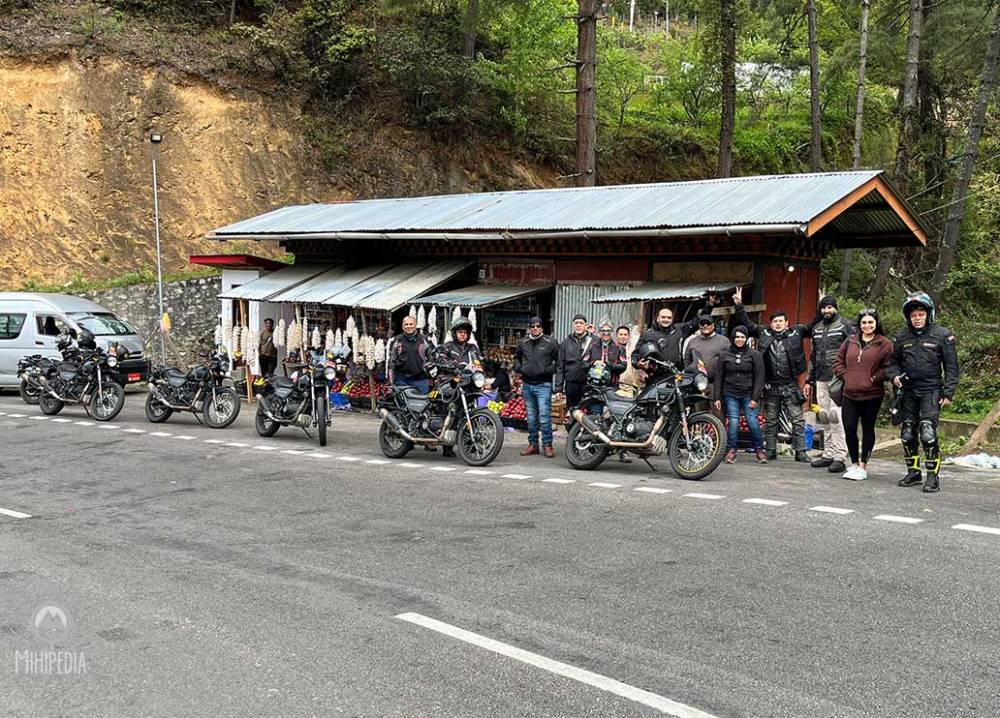
I had told Himal about my desire to taste yak cheese so here we are. This charming wayside shop had just what we needed- soft yak cheese and lots of yummy fruit.
Now, I’m not sure when exactly it started — maybe halfway up the climb to Dochula — but today, my butt officially began protesting this bike trip. It aches. Riding pillion is not as easy as it seems!
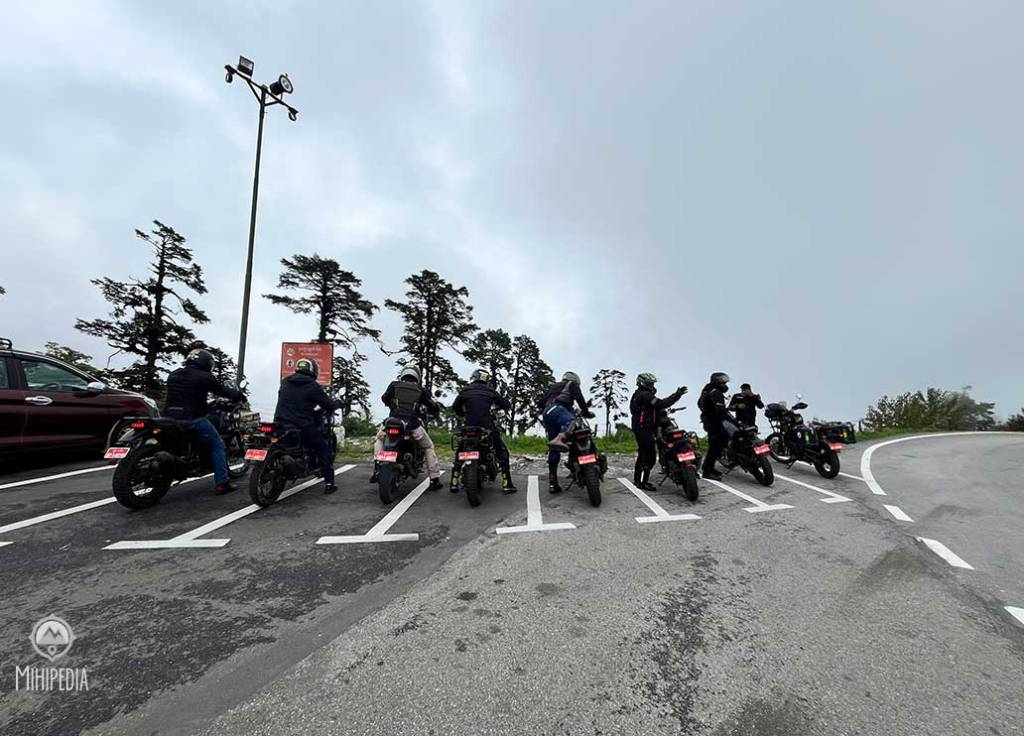
Our next stop was the Dochula Pass, perched at 3,100 meters above sea level — so high it felt like we had ridden straight into the clouds. On a clear day, the snow-clad peaks of the Himalayan range stretch out across the horizon, but such days are rare. Today, the mountains stayed hidden — cloaked in mist, teasing us from behind their veil.
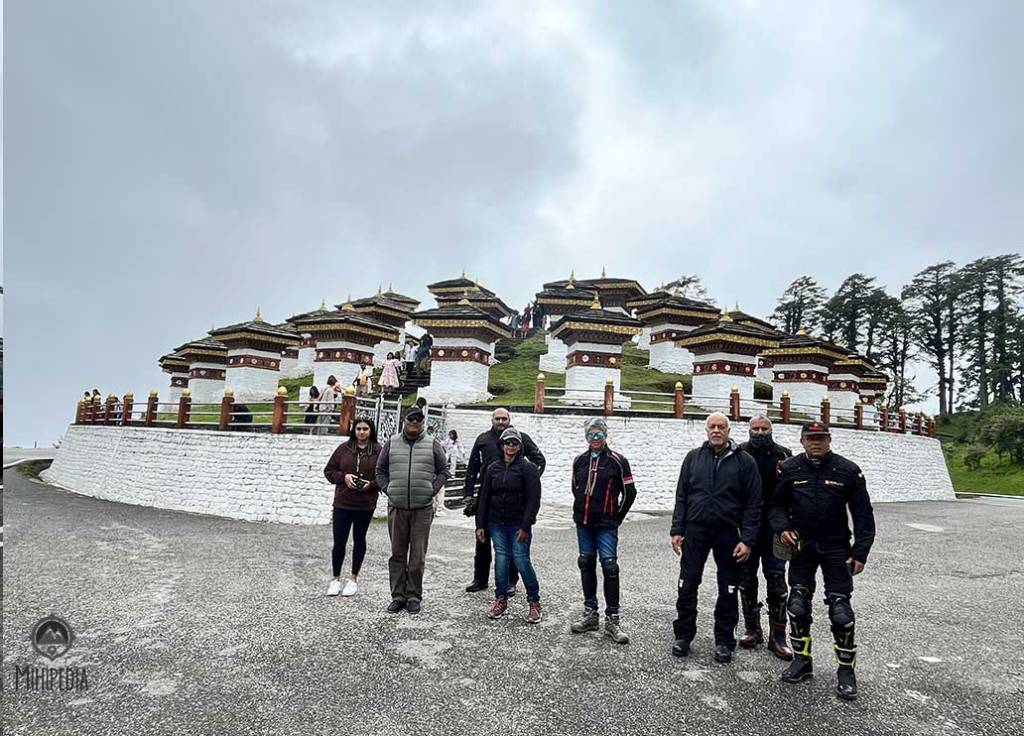
Across the road, the 108 chortens of the Druk Wangyal Chortens stood solemn and proud against the hazy backdrop, their white stupas forming a quiet circle of remembrance. Built by the Queen Mother in memory of soldiers who died during the 2003 conflict, the site radiates silence and stillness.
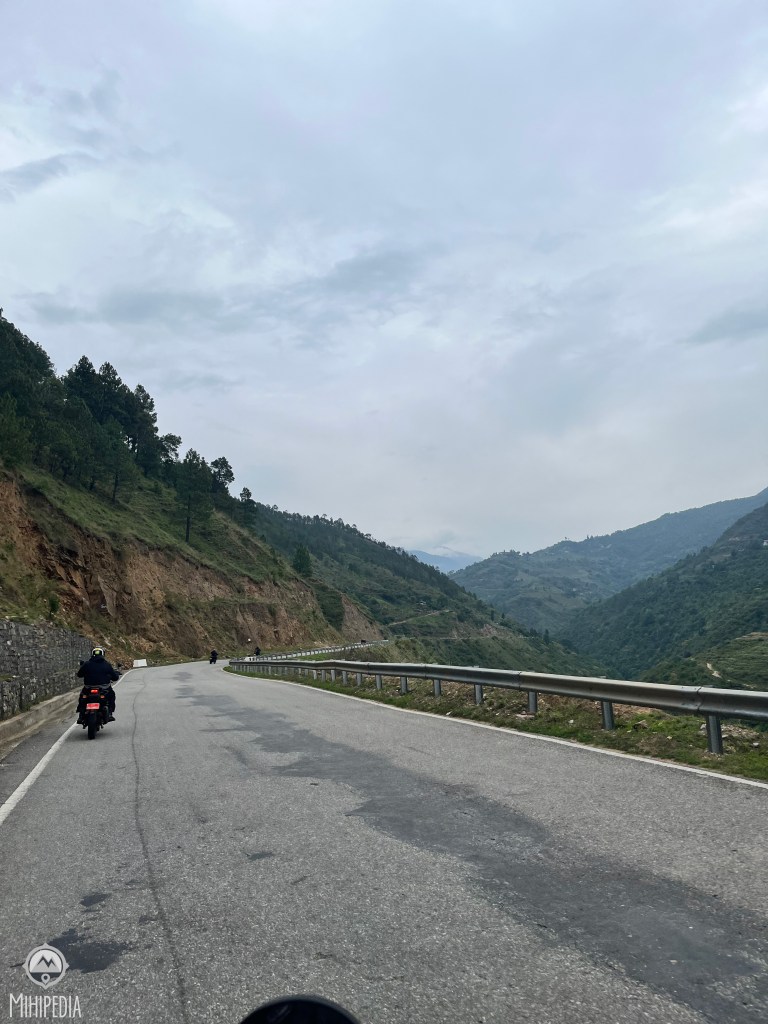
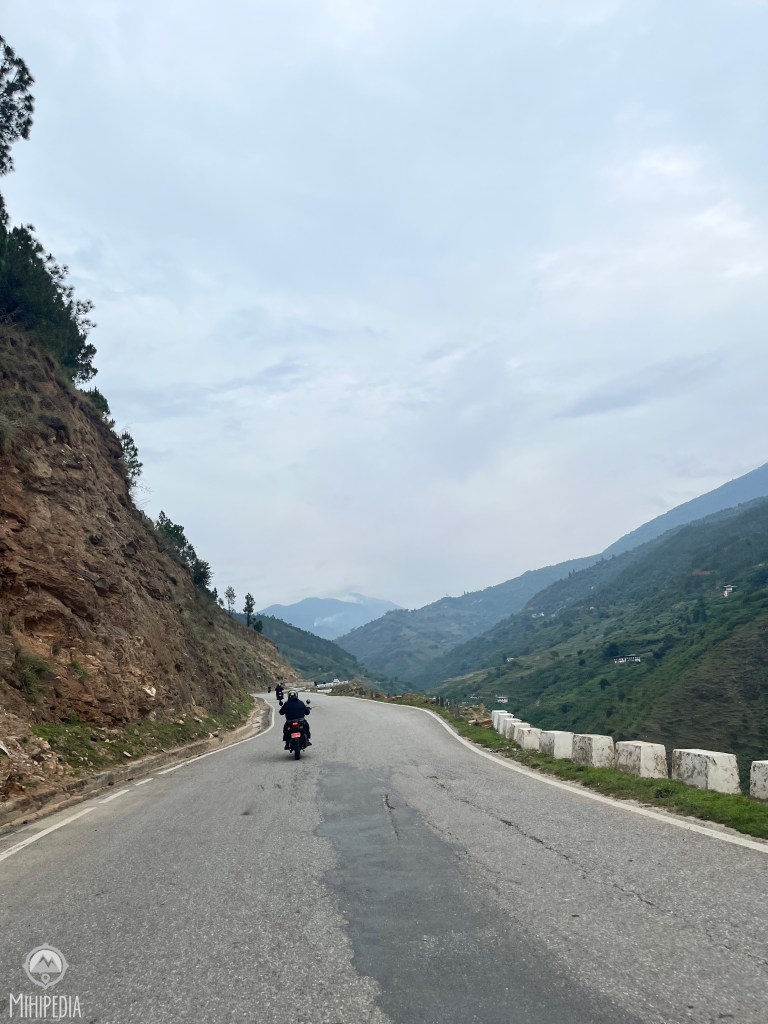

From Dochula, we began our descent. And what a descent it was — the road twisted and curled like a ribbon laid across the hillsides. We weaved through pine forests, past fields of prayer flags, and into pockets of low-hanging cloud. Every curve offered something new: sprawling valleys, grazing cows, rice paddies bathed in sunlight. See video below.

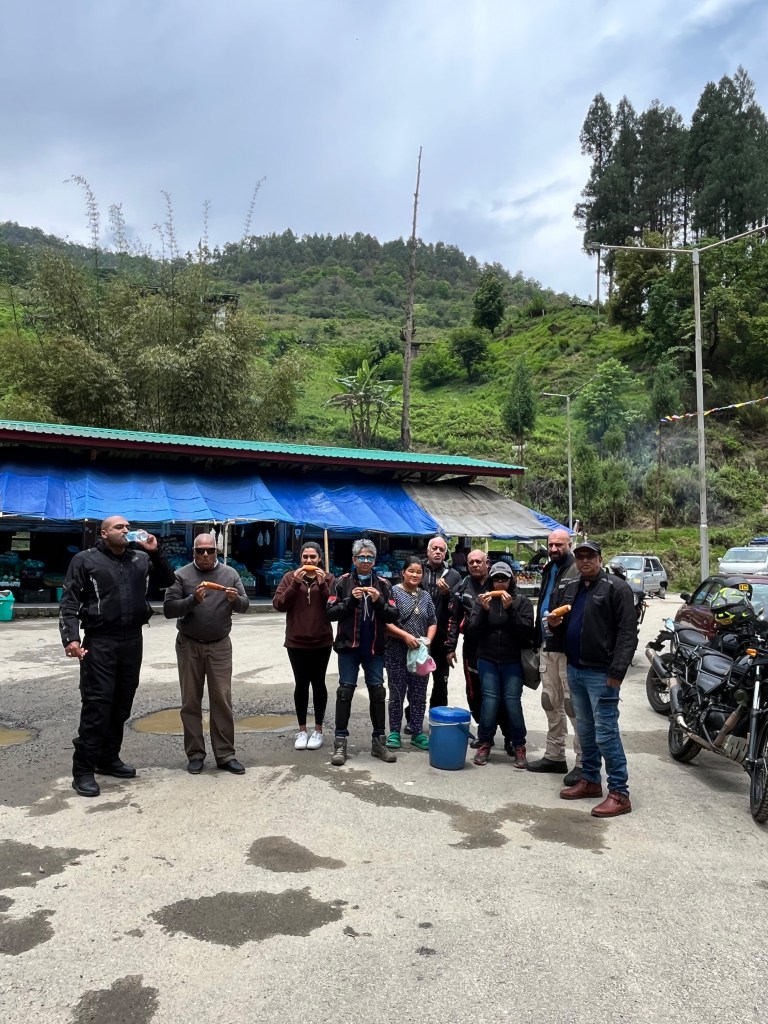
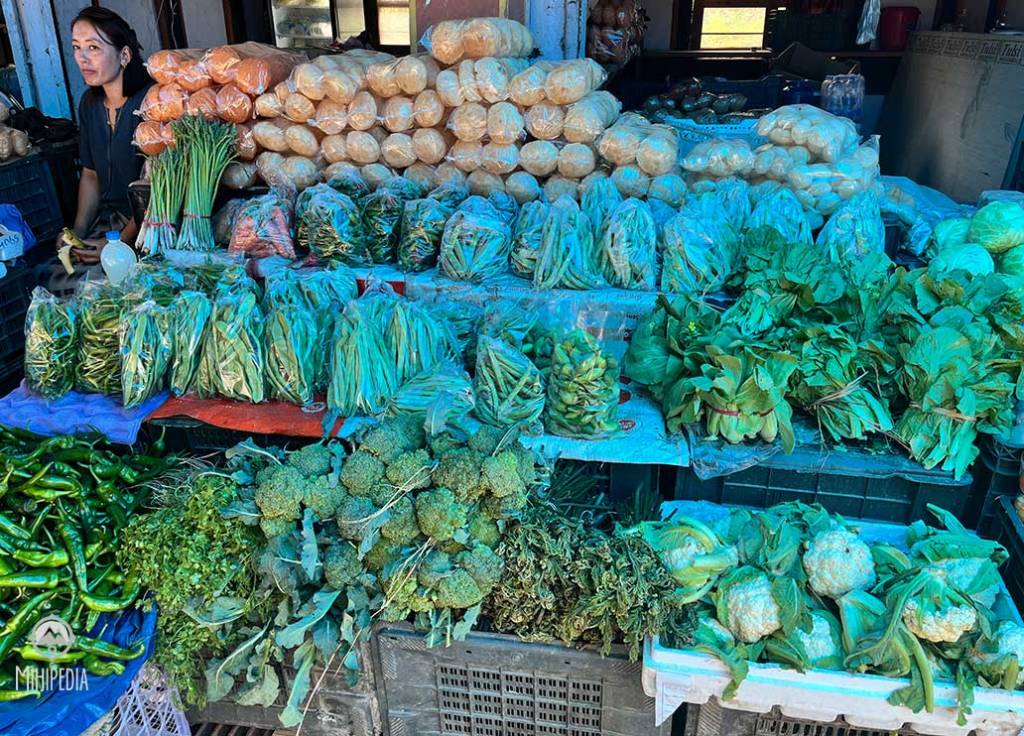
We rode slowly, again stopping often to stretch our legs and savor local fruit and food.

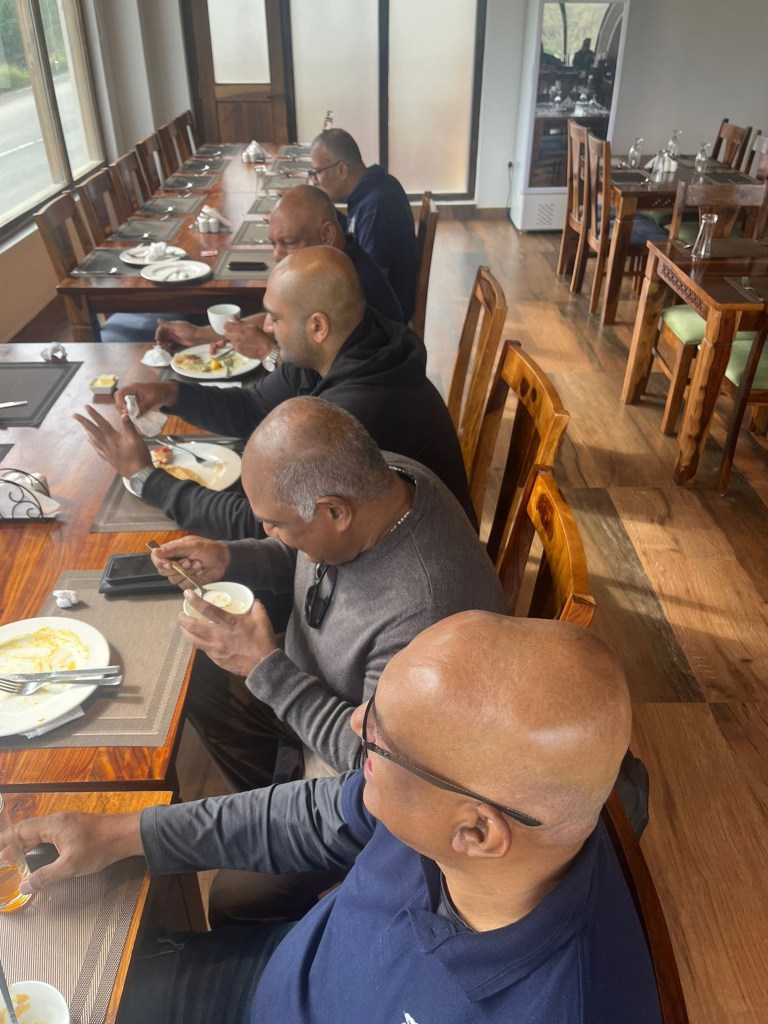
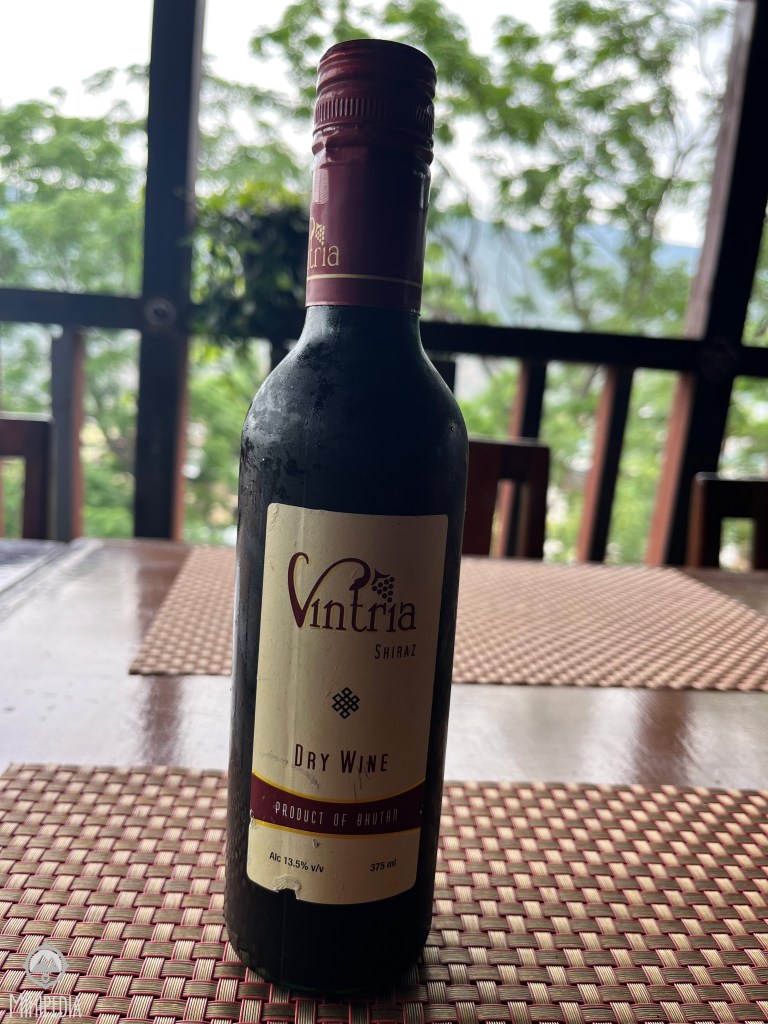
From here we rode in to Sopsokha, a lively little village with its famously cheeky phallus murals and charm. We found a small restaurant perched on the edge of a deep valley. The food was simple and hearty, and the view — vast and green — was a feast in itself.
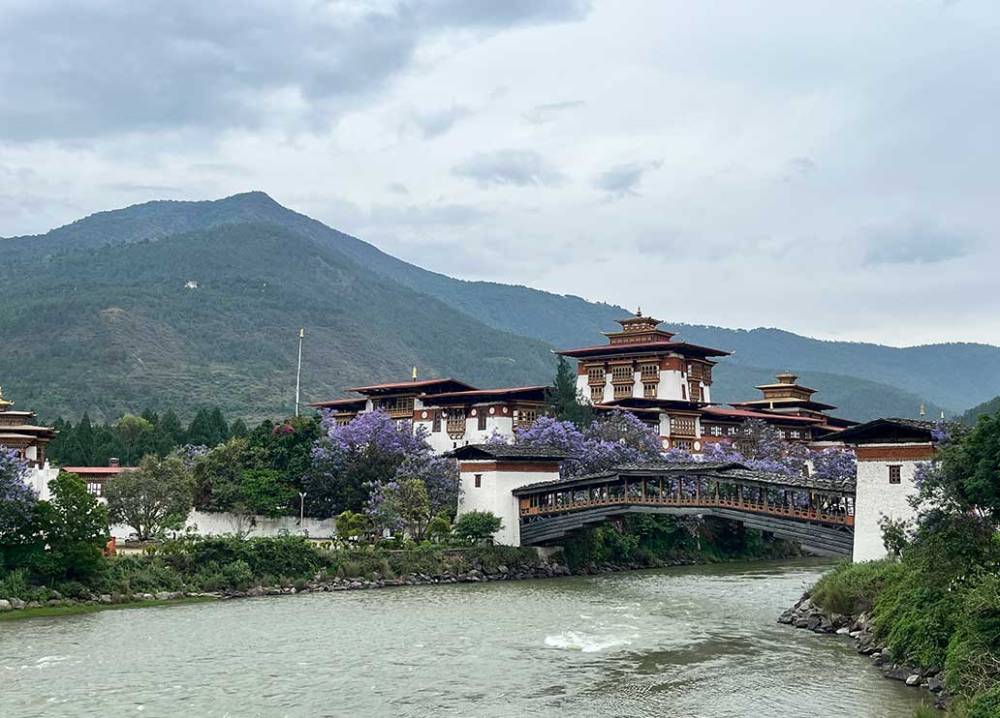
By late afternoon, we reached the Punakha Dzong — and let me tell you, if Bhutan were a crown, this would be its jewel.
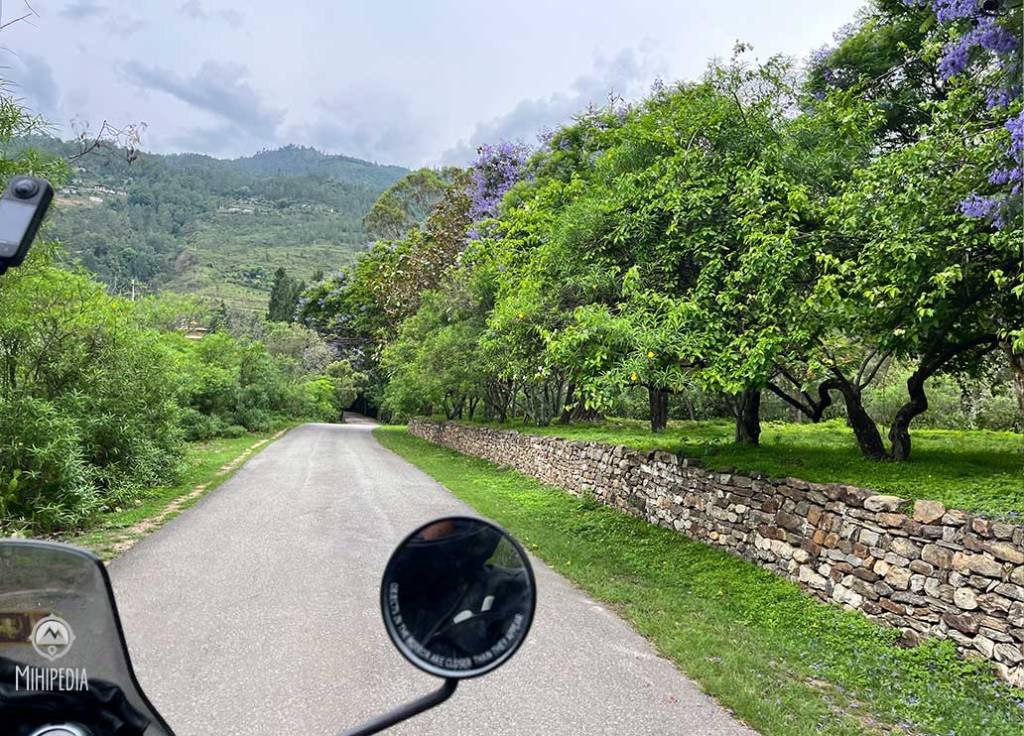
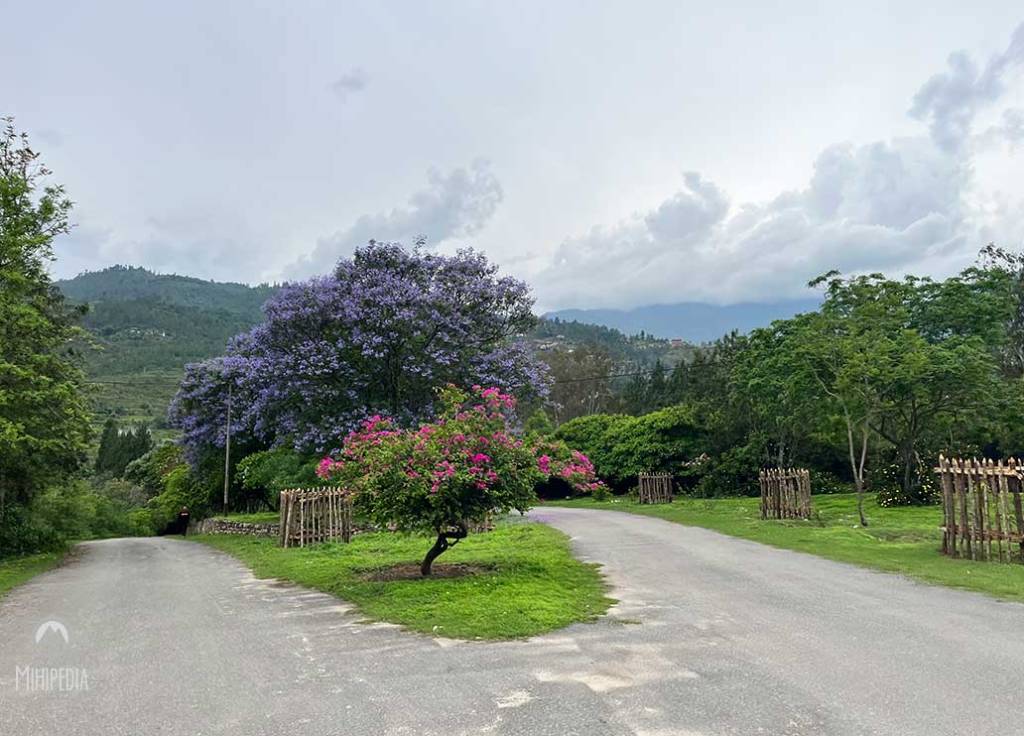
Riding up to the dzong felt like arriving at a palace pulled from legend. Nestled at the meeting point of the Mo Chhu(Mother River) and Po Chhu (Father River), the dzong rises like a dream: whitewashed walls gleaming in the sunlight, crimson roofs stacked like ceremonial crowns, intricately carved woodwork framing every window and doorway. And the driveway was equally colorful and lush.

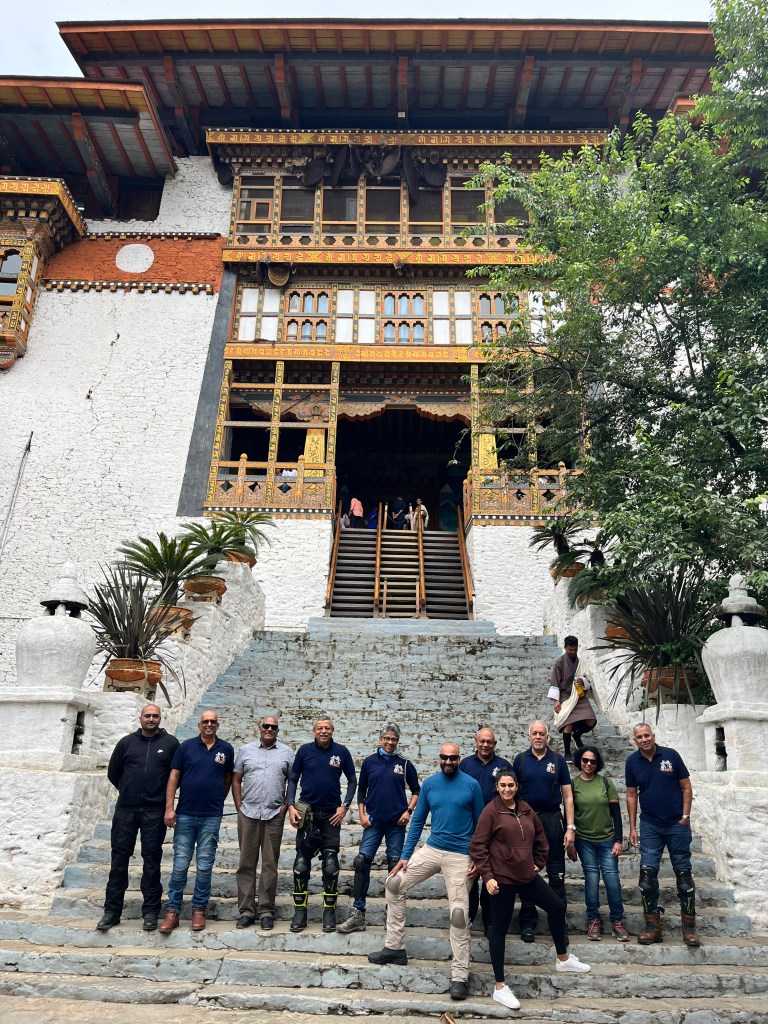

Crossing the traditional wooden cantilever bridge, we entered a world of stillness. Inside, the dzong is a labyrinth of courtyards, temples, and watchtowers, each rich with detail. Monks in crimson robes moved quietly through the corridors, while golden spires caught the sun above. It felt like walking inside a prayer.
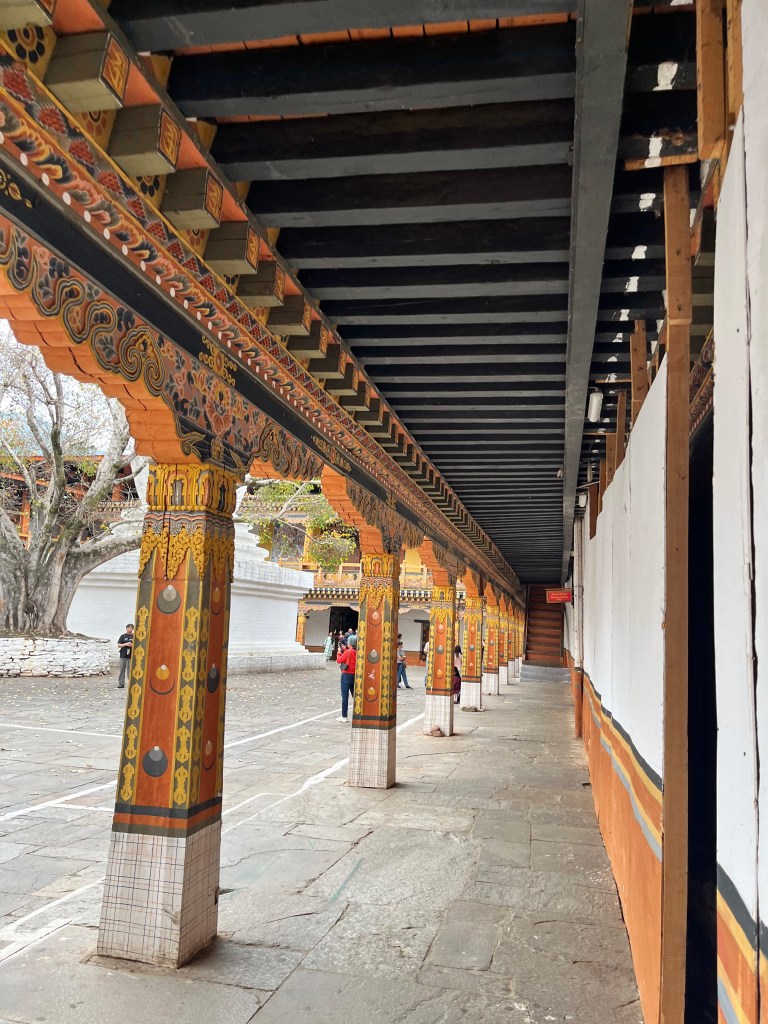
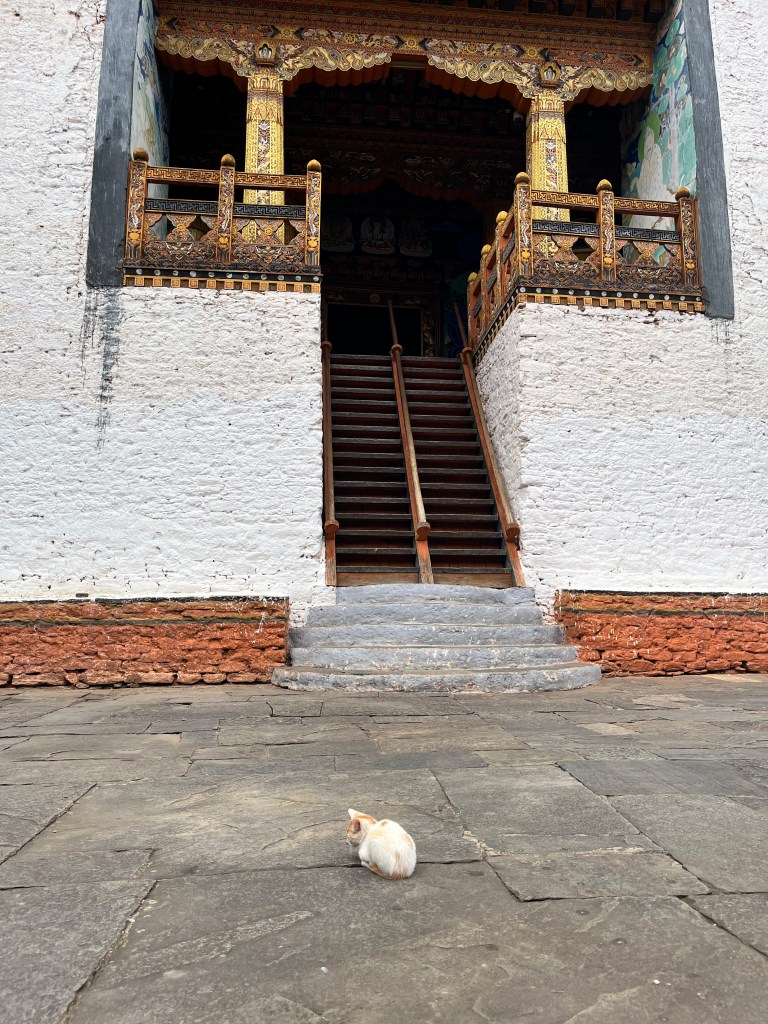

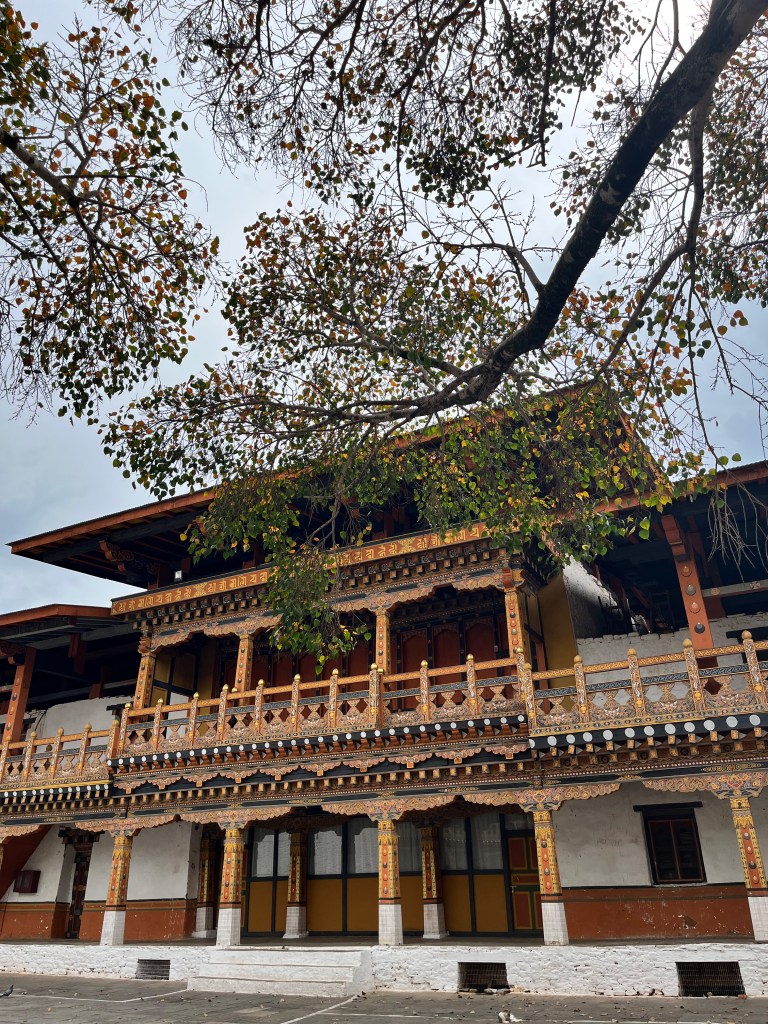
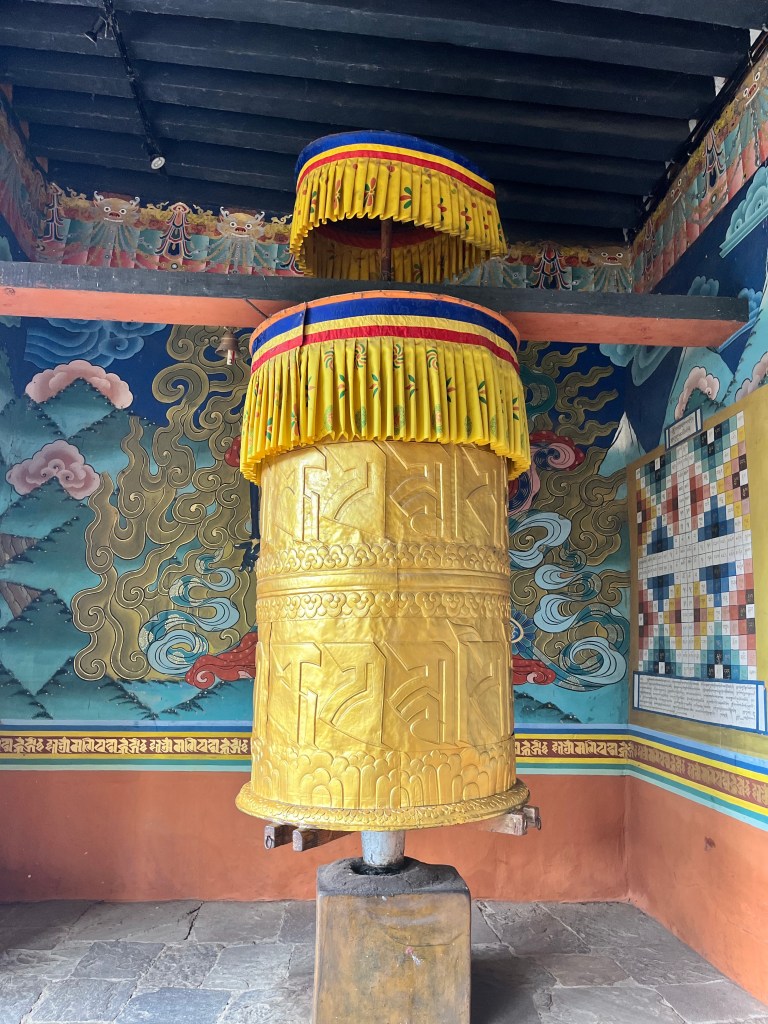

We wandered slowly, letting the silence soak into our skin. You breathe deeper here. You move more mindfully. It was a lesson in history as Tshering explained in great details the stories about this magnificent dzong.
Known formally as Pungthang Dewa Chenpoi Phodrang, or “The Palace of Great Bliss,” Punakha Dzong is the second oldest and second largest dzong in Bhutan — and arguably the most breathtaking. Built in 1637 by Zhabdrung Ngawang Namgyal, the unifier of Bhutan, this fortress-monastery has long been a symbol of Bhutanese unity and identity.
It was here that Bhutan’s first national assembly convened. Kings were crowned within its halls. The sacred rangjung kharsapani, a self-arisen image of Avalokiteshvara, is enshrined here. And in 2011, Bhutan’s beloved King Jigme Khesar Namgyel Wangchuck married Queen Jetsun Pema in a quiet, reverent ceremony that echoed centuries of tradition.
Of course, this dzong has known hardship too — four major fires, multiple earthquakes, and devastating floods. But each time, it was lovingly restored. Today, it stands not just as an architectural wonder, but as a symbol of Bhutanese resilience.

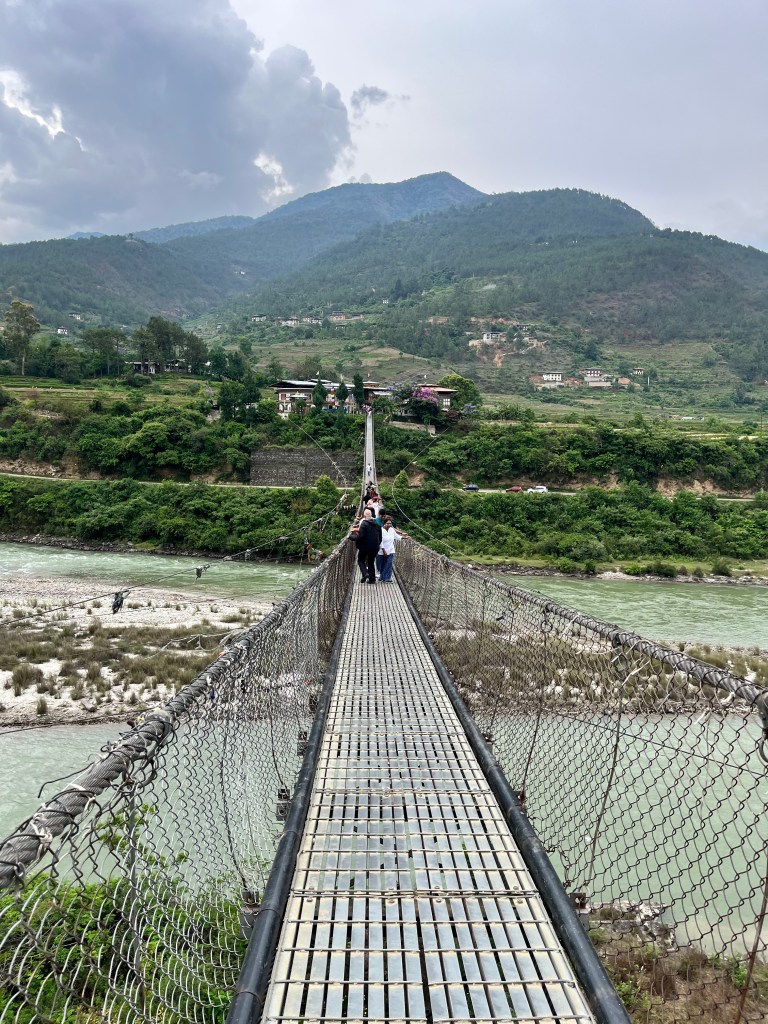
After that, we headed to the Punakha Suspension Bridge, one of the longest in Bhutan at 160 meters. Just upstream from the dzong, the bridge is more than just a photo stop — it’s a vital link for nearby villagers. We crossed it slowly, buffeted by gentle winds and surrounded by background of lush green mountains. Below, the river danced — clear, cold, and constant.
But our smooth ride came to a halt not far from the dzong. We got caught in an unlikely roadblock —road construction. We were stuck for nearly an hour, and suddenly, all our poetic musings gave way to a single craving: coffee. So we waited. We stretched. We chatted. And we tried to ignore the very real caffeine withdrawal. Eventually, the road opened and we pushed on — a bit stiffer, but still riding through the kind of scenery that makes everything else feel small.
The temperature dipped again to a crisp, pleasant 16°C. The air felt cleaner, the sky clearer, and the ride smoother.
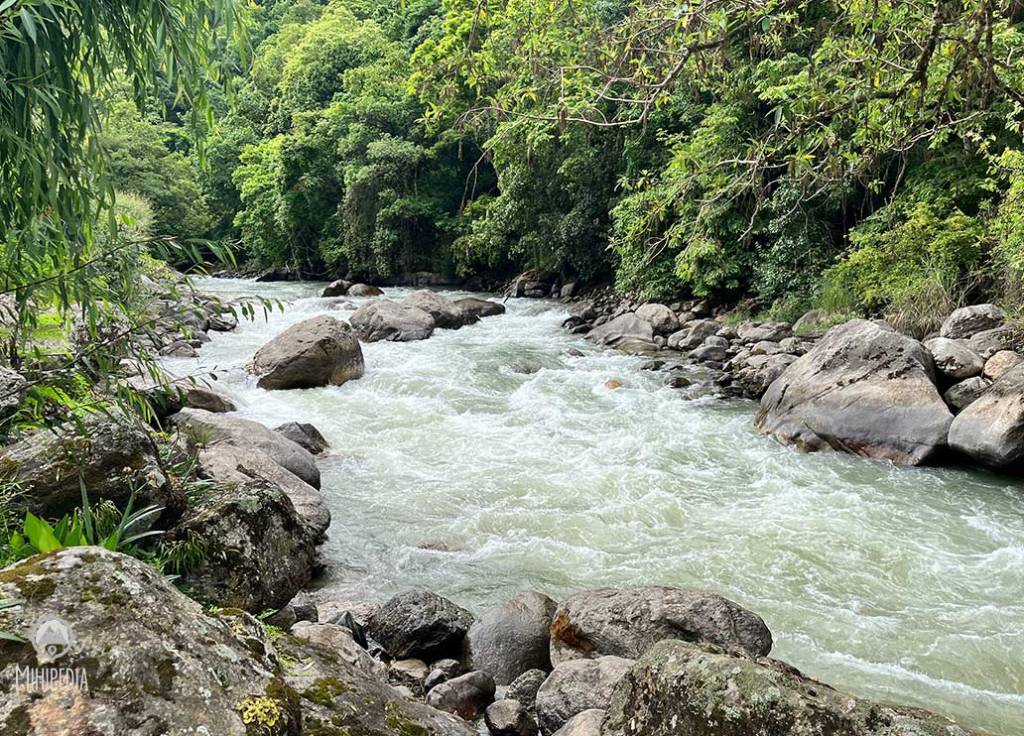
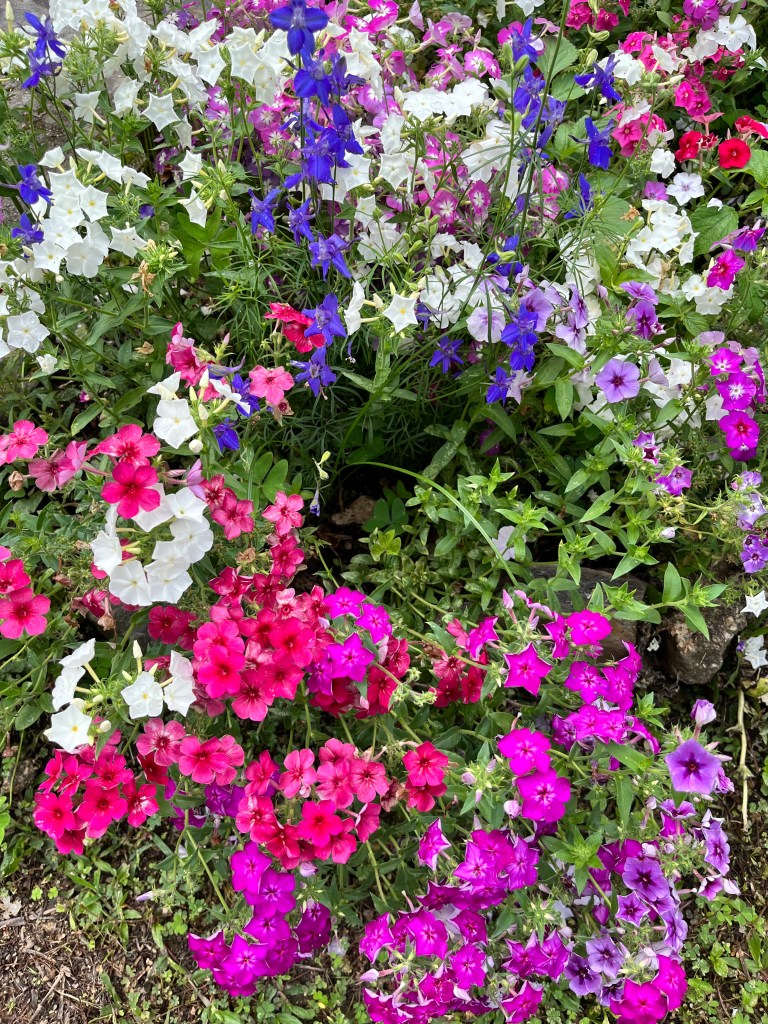
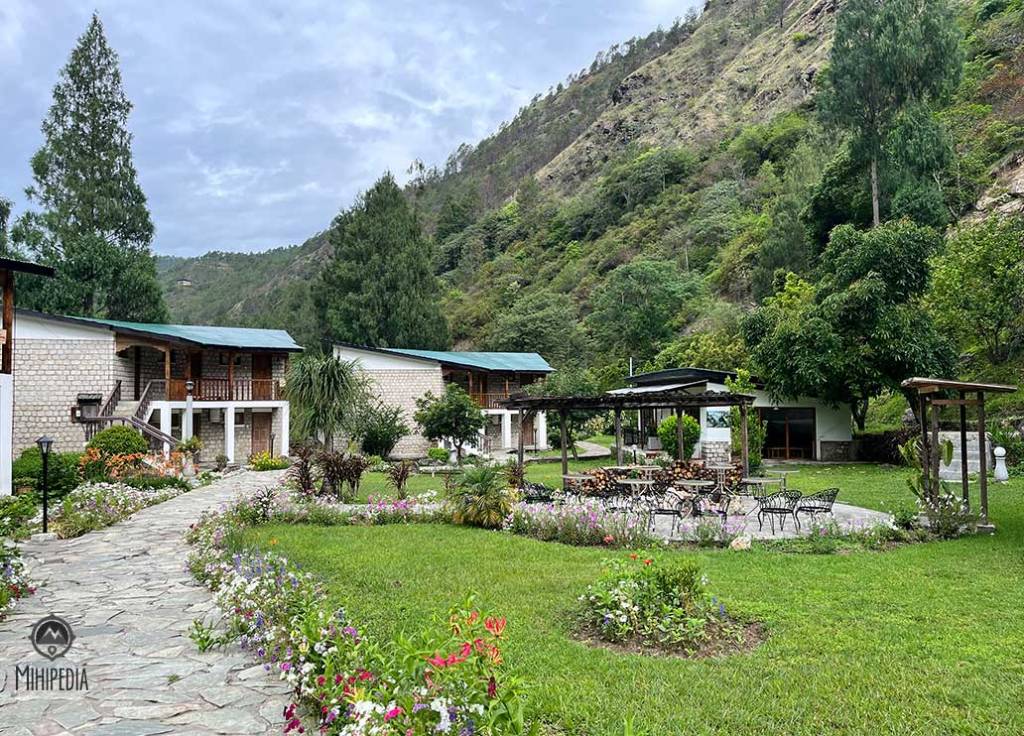
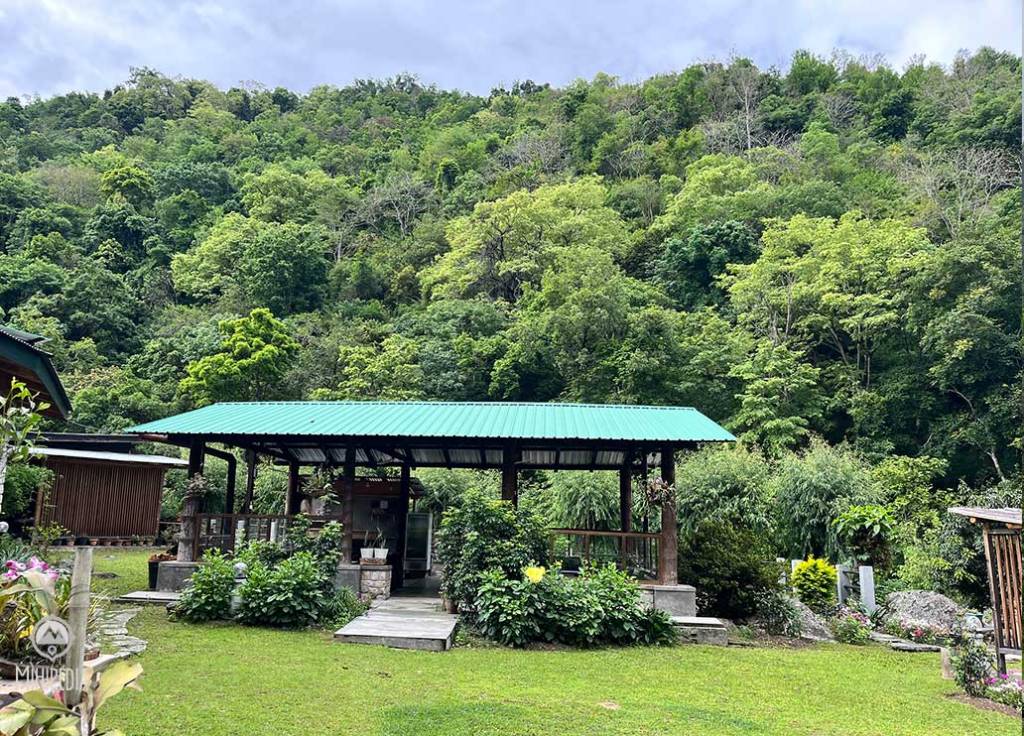
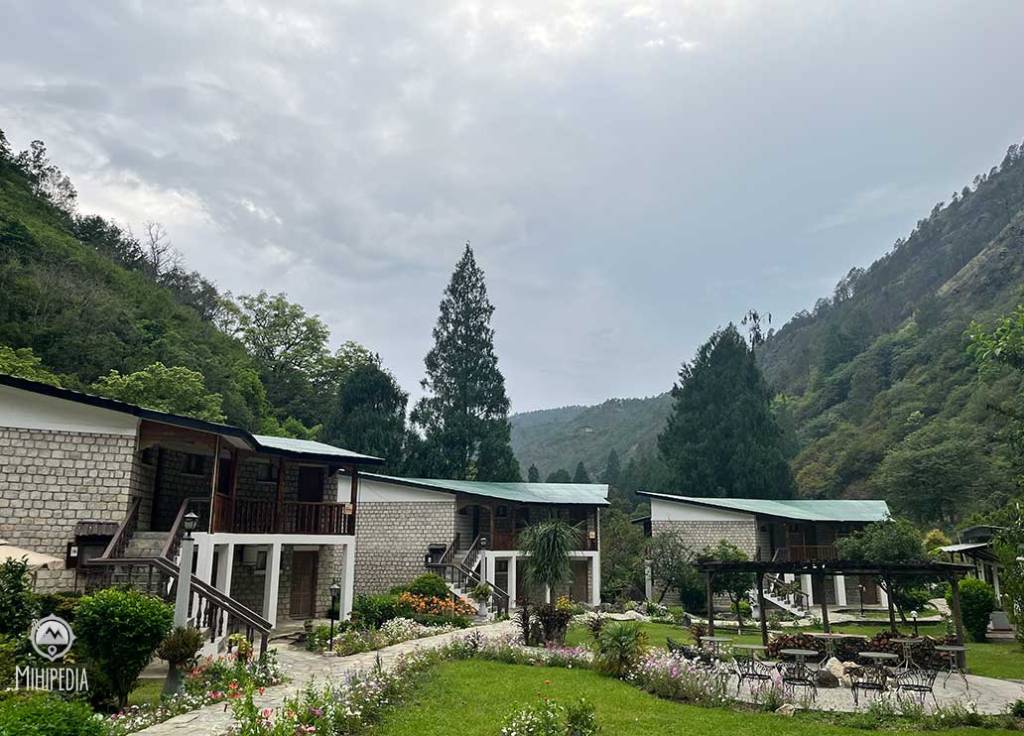
We finally arrived at Kichu Resort in Wangdue, tucked beside a rushing river. The hum of engines gave way to birdsong and gushing water. For some, this was the perfect end to a long, soul-stretching day. But honestly, after a while, I just wanted to turn off the tap!
Yes, my backside aches. But I wouldn’t trade this ride for anything. Because days like this — 95 kilometers of clouds, curves, and courage — are what Riding Bhutan is all about. And our close-knit convoy is a perfect blend of personalities that make this ride all the better.
Total Distance: 95 km | Total Time: 8 hours | Mood: A little sore, but completely in awe
Tomorrow, we ride again.
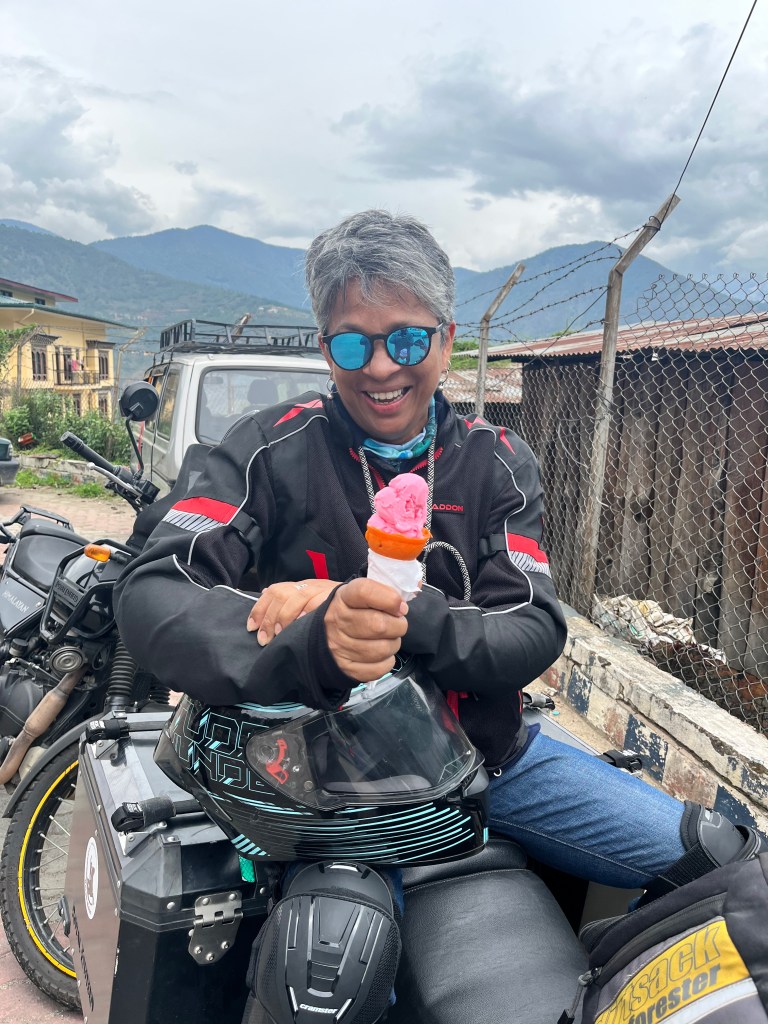

In addition to the gho, there are a couple of important additions when entering dzongs, monasteries, or formal settings. Here, Tshering wears a Kabney, a silk scarf over his gho.
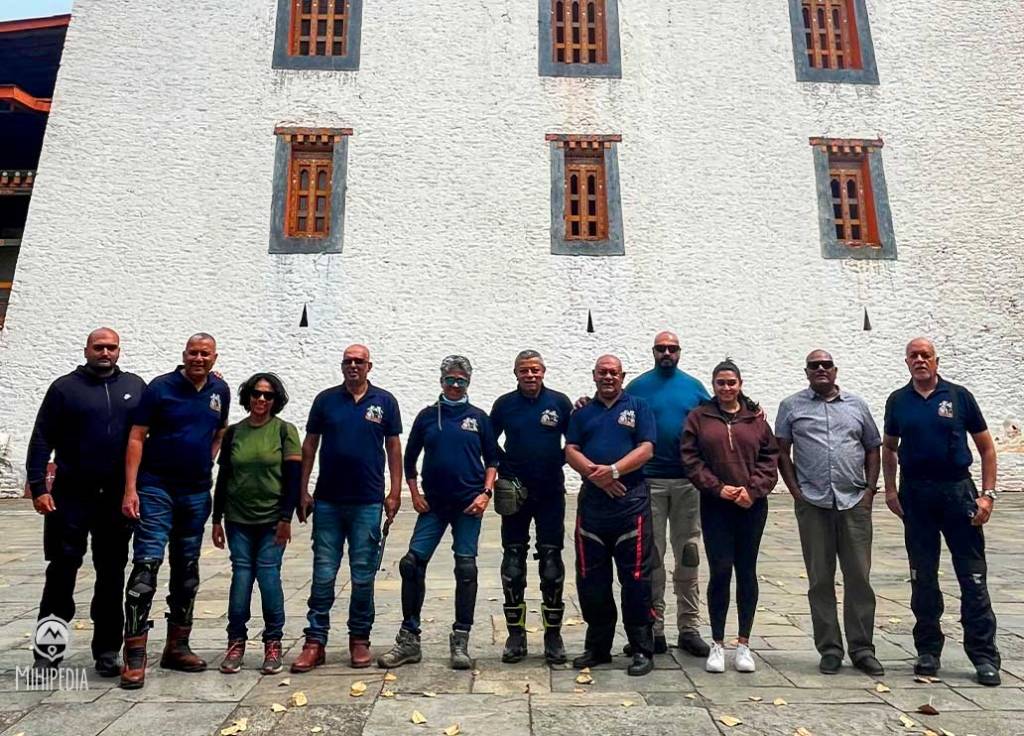
 Mihipedia.lk
Excellent writing continues – well done and thank you for the effort
LikeLiked by 1 person
Thank you Tarique. So glad we made this happen.
LikeLiked by 1 person
what a trip it was. so many memories. nice to read and remember all back again.
LikeLiked by 1 person
Always great to reminisce. Looking forward to many more bike trips.
LikeLiked by 1 person