
We had set out for Kumana National Park, tucked away on Sri Lanka’s remote southeastern edge, craving wildness, stillness, and a little leopard luck. What we got was something far more unforgettable: four days of glamping beneath the stars, river baths, ranger stories, dunes and deities, near-bear encounters, and more leopards than we could count. This is my second experience at camping in this amazing park.
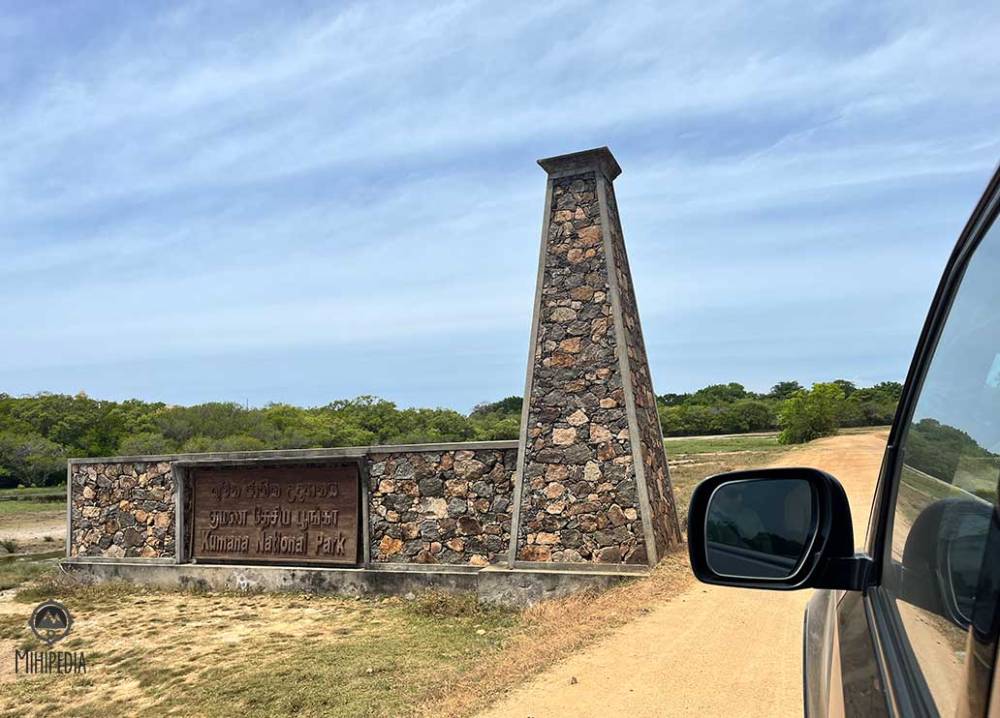
It all began at the Kumana park entrance, where we were met by Errol, our soft-spoken camp manager with nerves of steel, and Kasun, our ranger, part tracker, part storyteller, part forest whisperer. From there, we climbed into their jeep and set off on a 75 minute ride through the heart of the park, a landscape slowly shedding its human traces and, thankfully, internet connection.
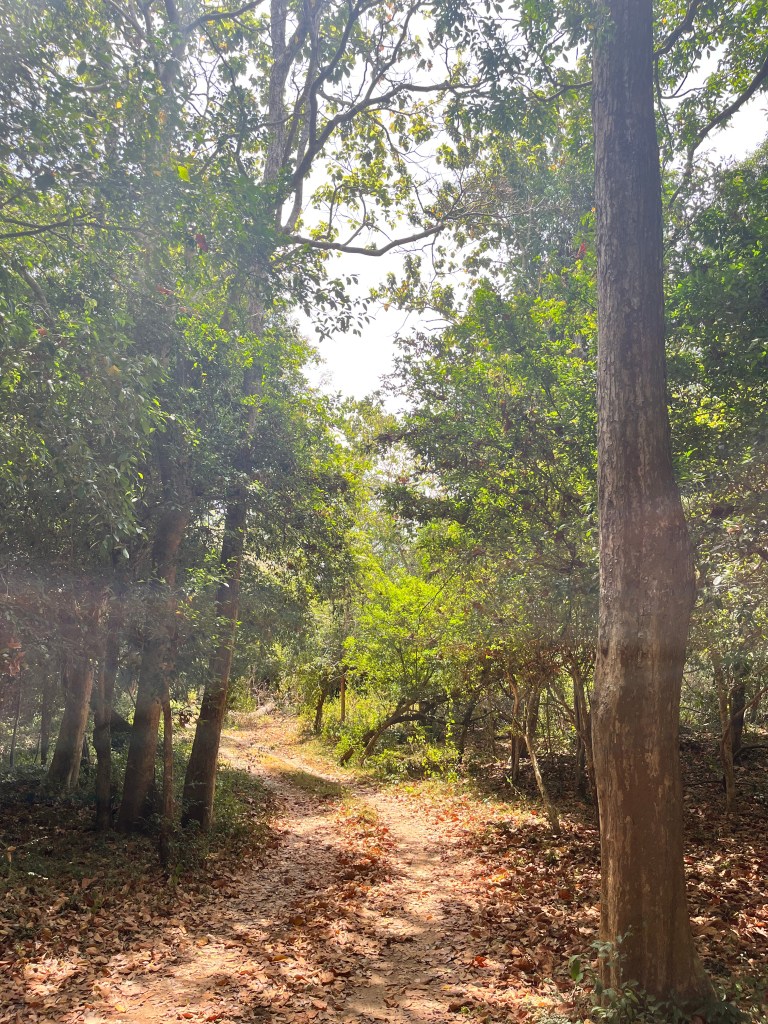
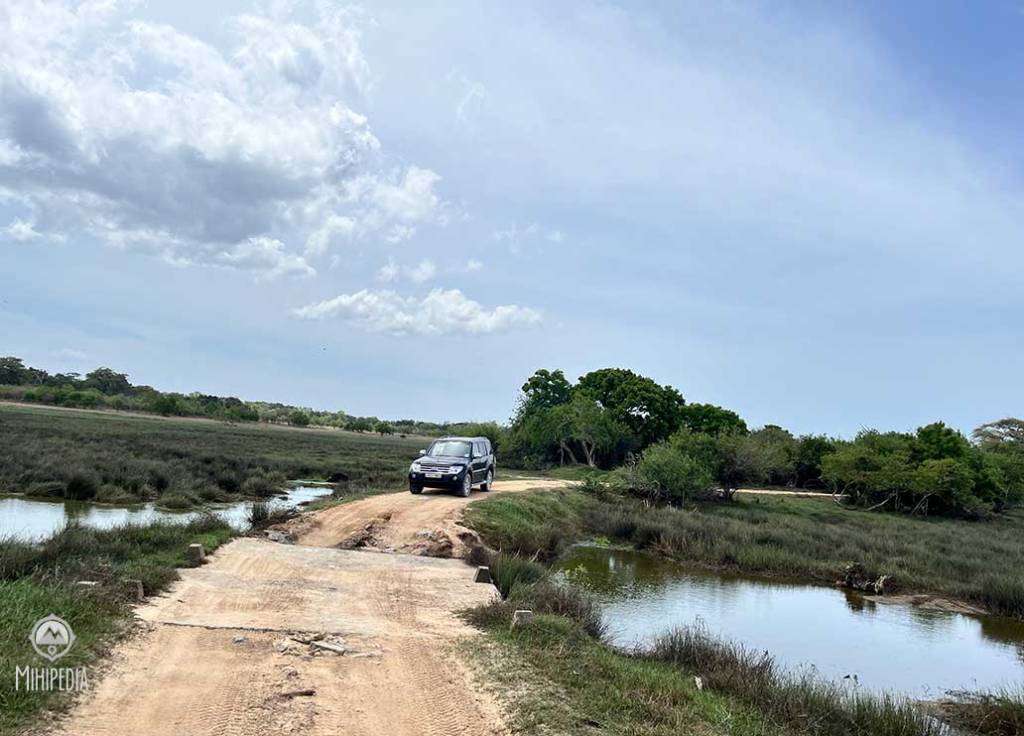
Monkeys stared down from above, spotted deer flicked their ears, and peacocks crossed dramatically like they owned the place. Errol maneuvered over roots and riverbeds like he’d done it blindfolded, while Kasun scanned the thickets with laser focus.

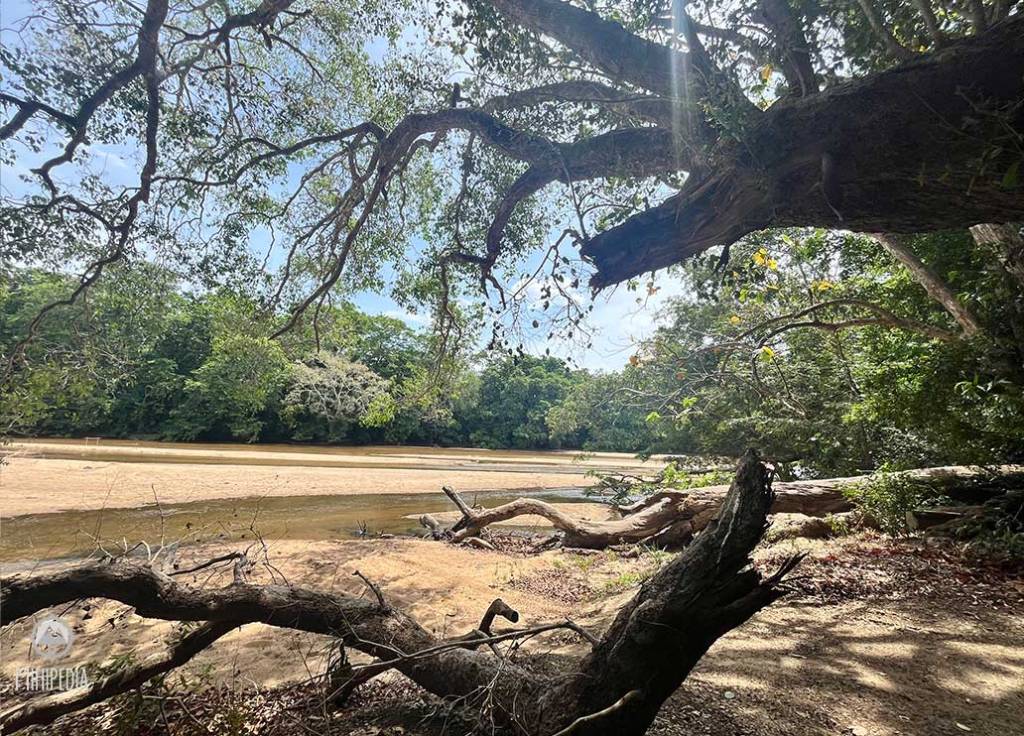

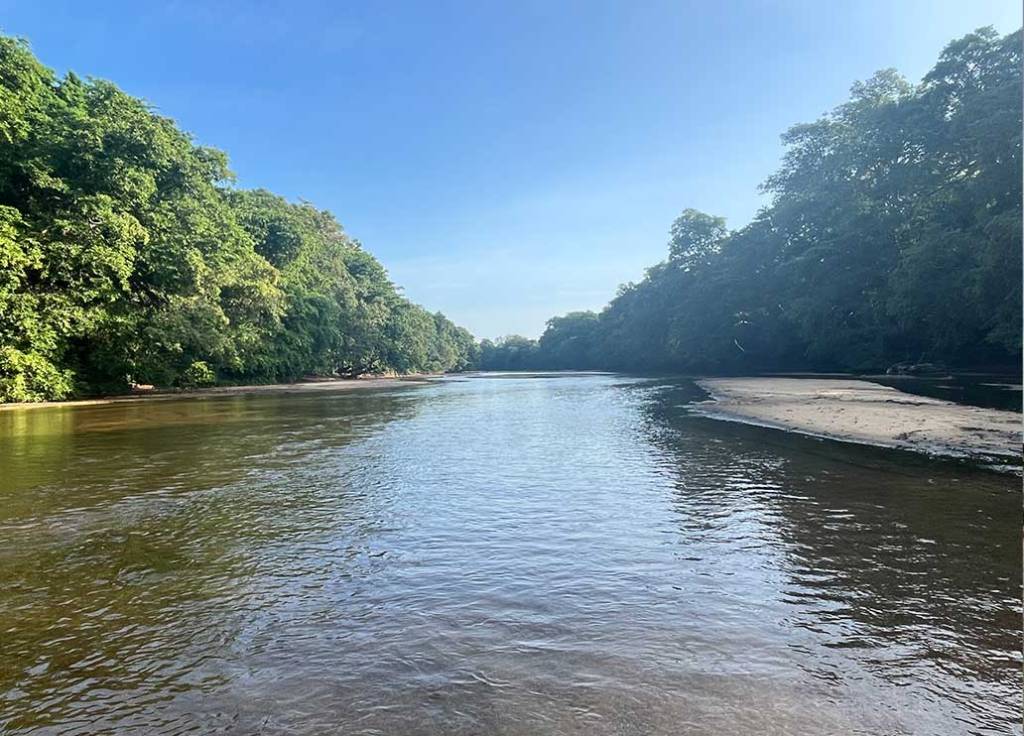
And then, like a mirage made real, the forest peeled back to reveal the Kumbukkan Oya, shallow, serene, and glinting in the sun.
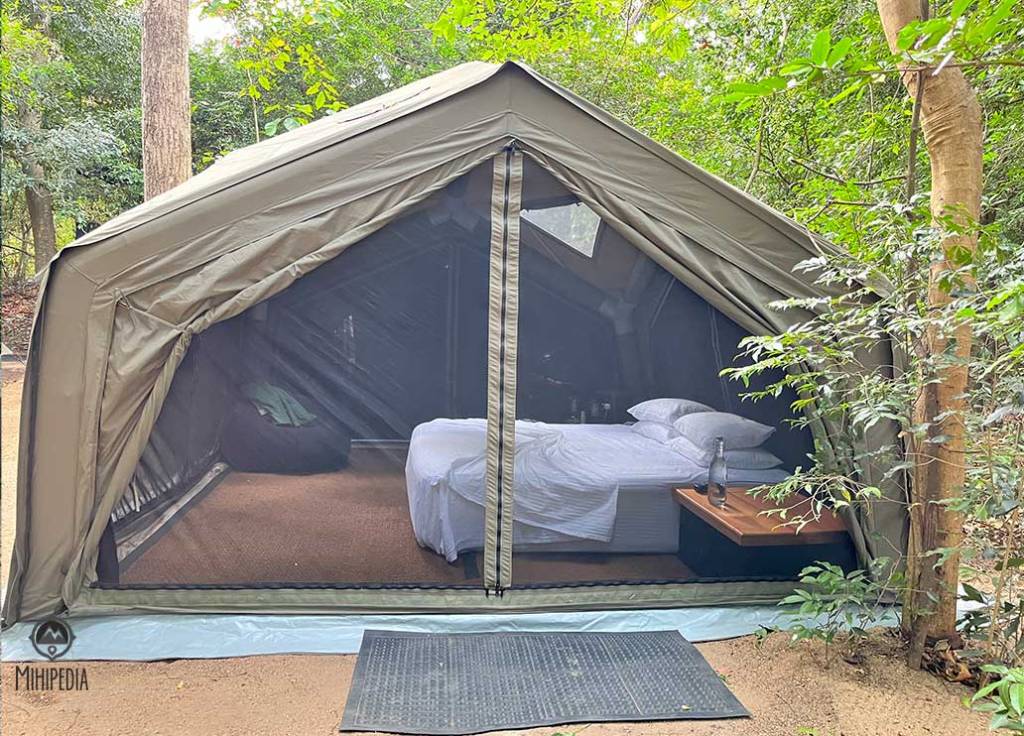
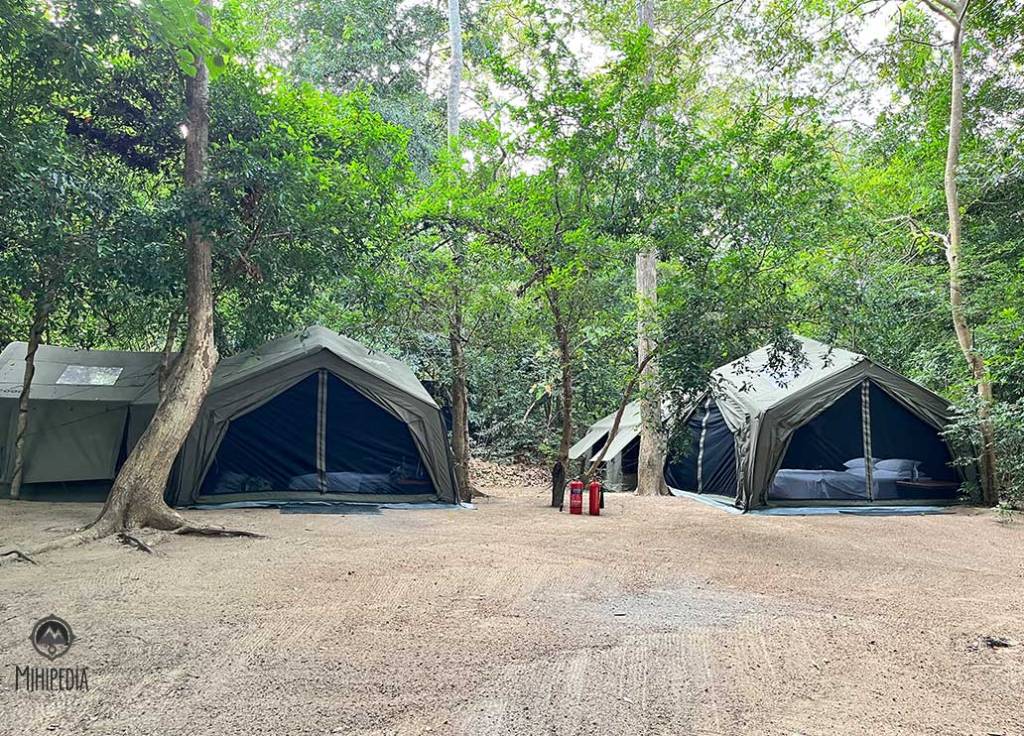
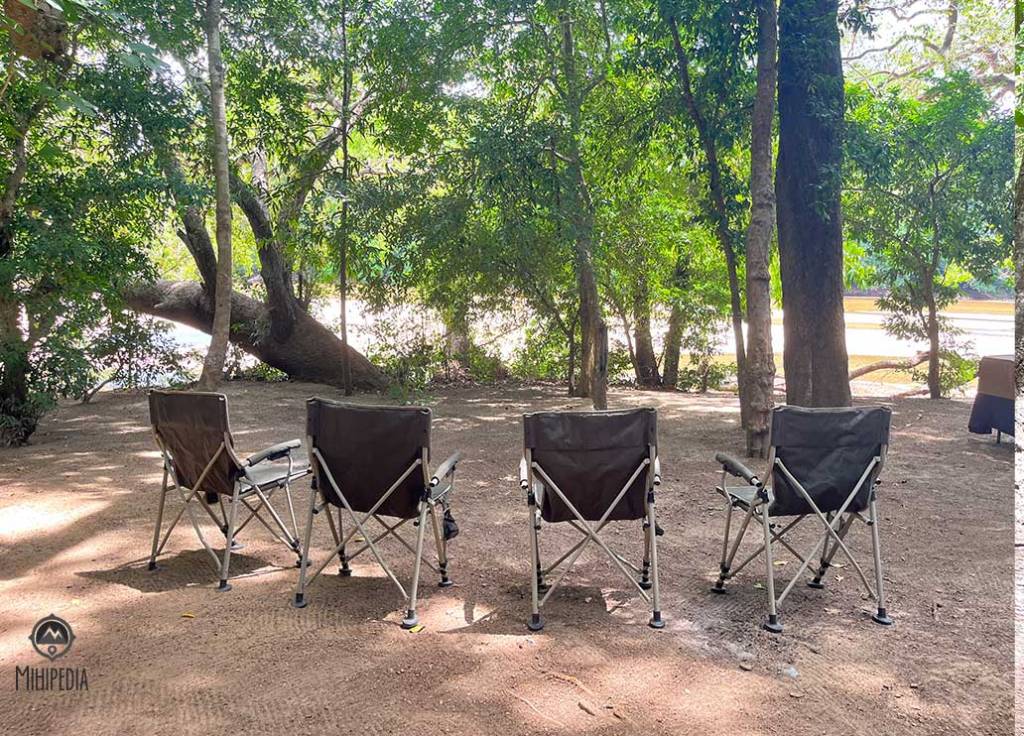
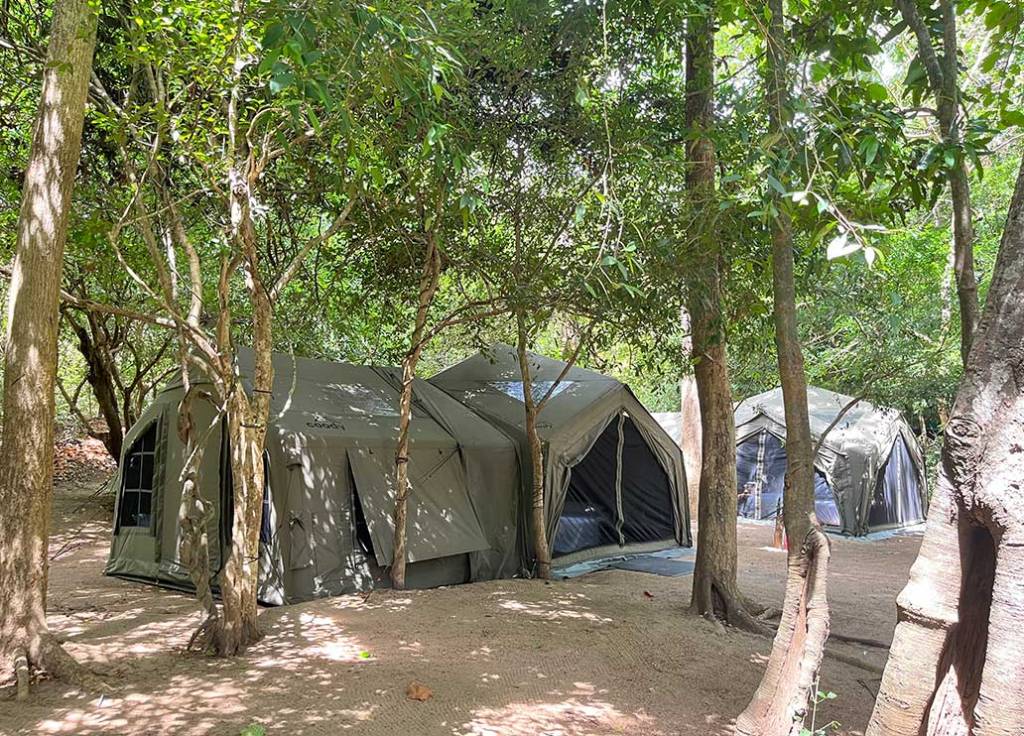
Nestled on its banks at the Ada Kubumbuka 2 campsite, were the Kumana Under Canvas tents that would be our home. We stepped down into the heat, covered in dust, buzzing with excitement, and were welcomed into a little world where luxury and wilderness existed in perfect, easy balance.
The glampsite was a dream, large, airy tents with real beds and portable toilets, solar lanterns flickering to life at dusk, and 2-minute showers that made you forget the 10-minute ones back home.
The Kumbukkan Oya, just steps away, offered perfect midday dips — cool, shallow, and lined with smooth stones. A natural spa, jungle edition.

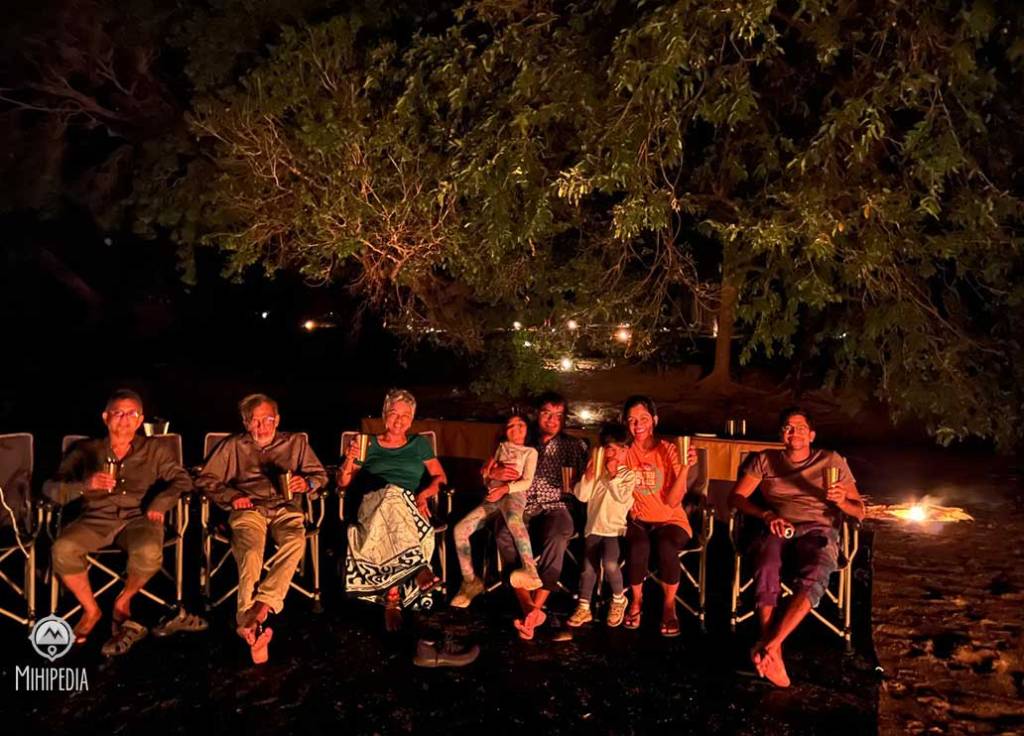

Meals were served outdoors under a sprawling canopy of trees, and every night ended with stories shared around a fire, roasted marshmallows sandwiched between crackers, with stars so clear they looked close enough to touch. But this was no picnic. This was wild country.
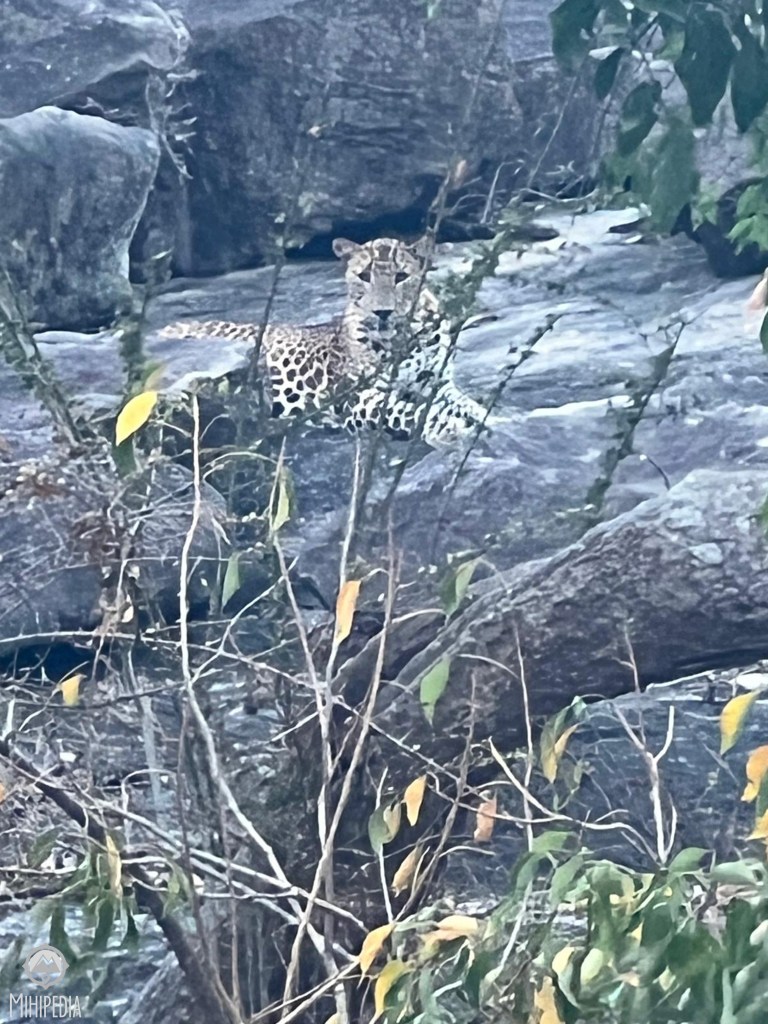
We wasted no time. That afternoon, we set out on our first safari, still blinking the city out of our eyes and bam: two leopards, lounging like royalty on a rock in the shade of a palu tree.
They barely acknowledged us. We, on the other hand, gawked like paparazzi. The cats were golden, dappled, and impossibly beautiful. If this was how Day One looked, we knew we were in for something special.
On day two, we were up before sunrise, fueled by tea, coffee, and toast, heading out with eyes wide and fingers crossed.
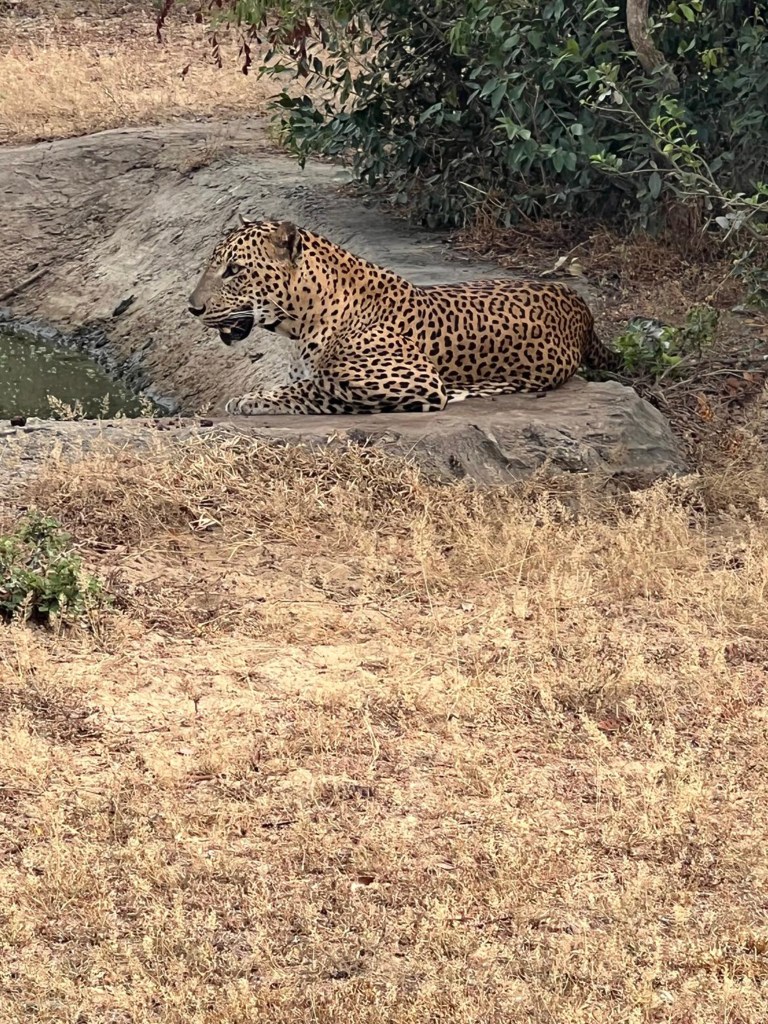
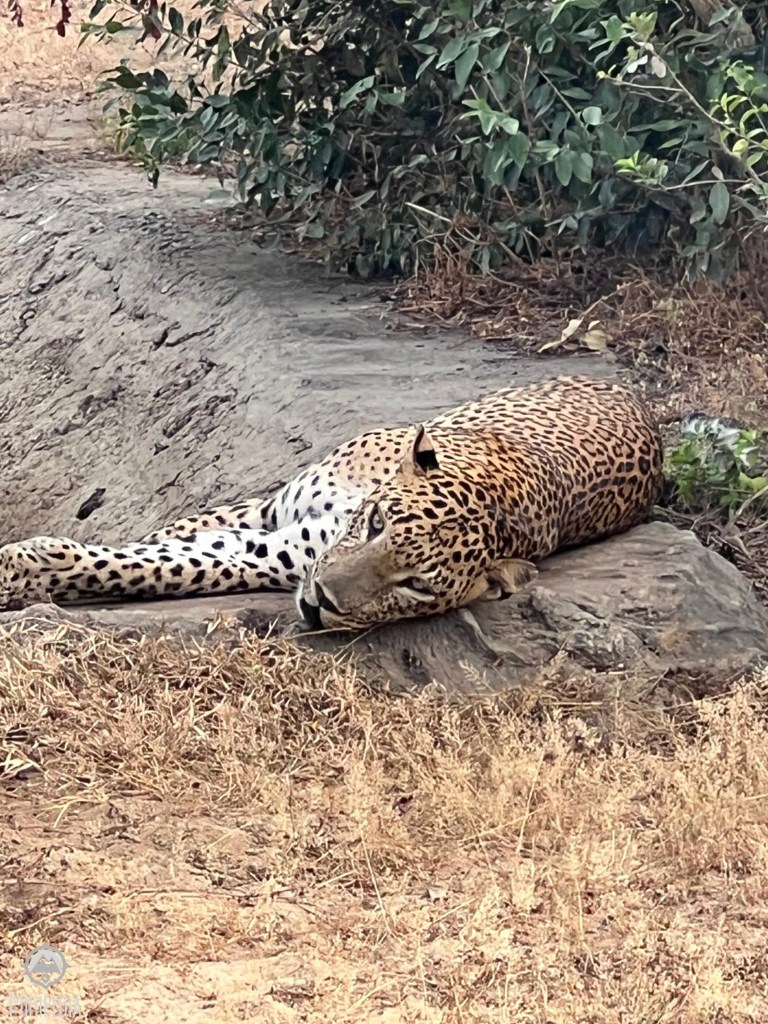
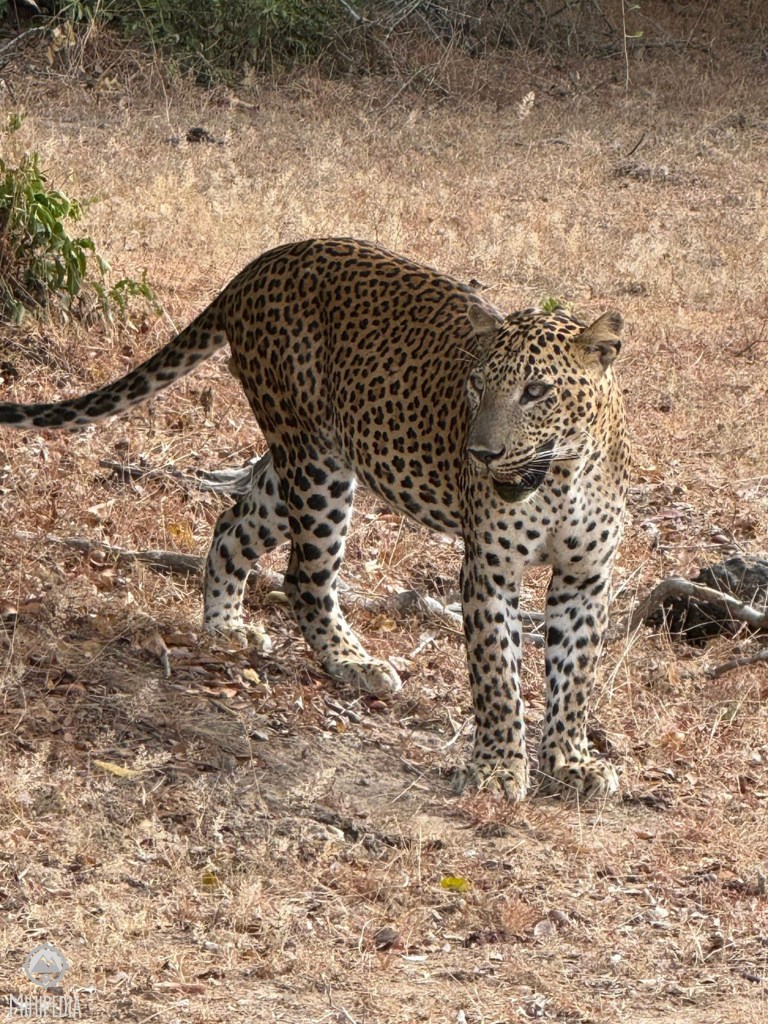
Four leopards. Before breakfast. No kidding.
One slinking through the grass. One crossing the track like a ghost. Two lounging near the roadside like they were posing for National Geographic. Kumana, we realized, wasn’t just lucky, it was legendary.
The afternoon safari brought two more, this time waking from a deep sleep and ready to hunt for dinner. And still, it didn’t feel repetitive. Each sighting came with its own little gasp, its own adrenaline rush. And the forest, always just on the edge of silence, held its breath with us.
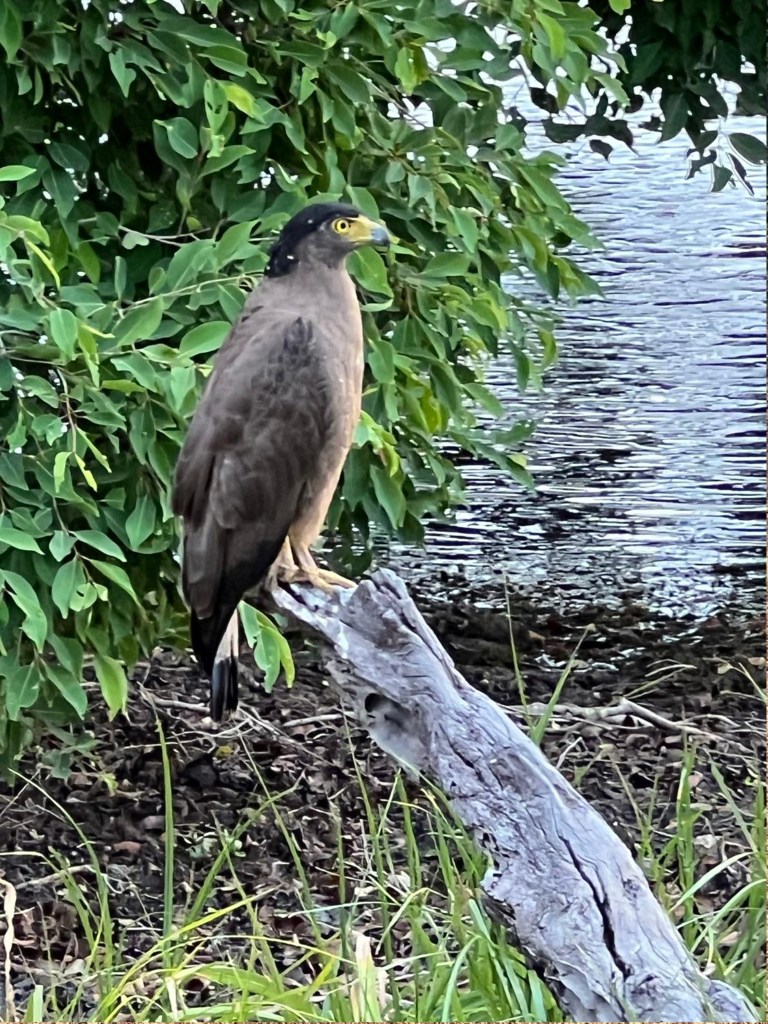

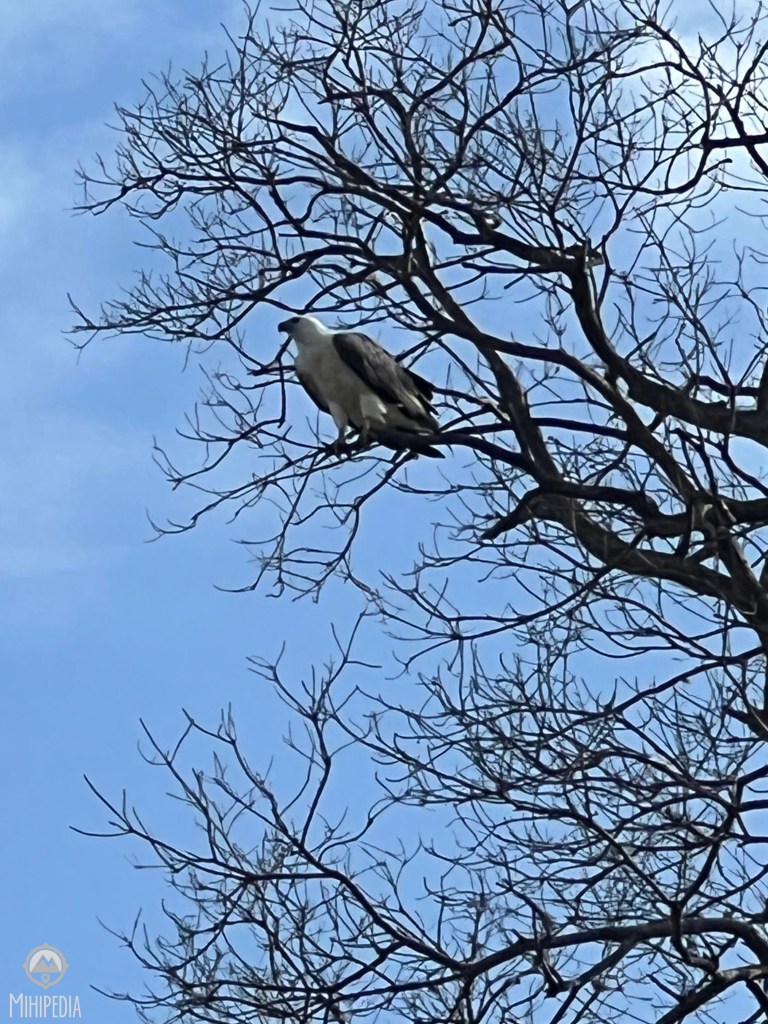
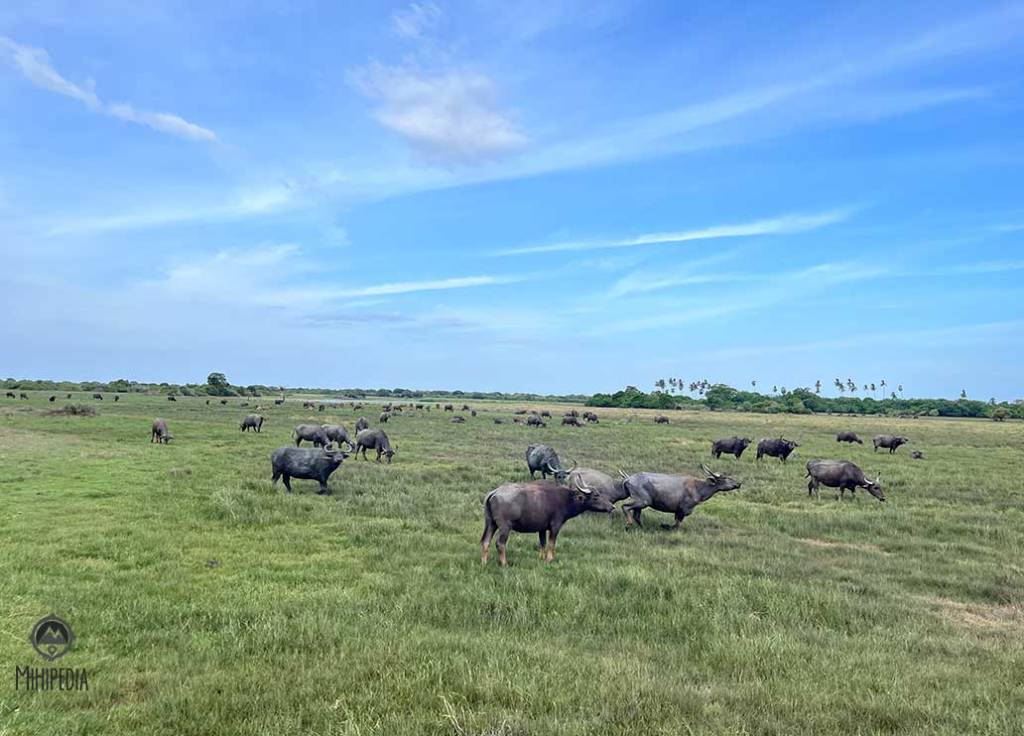
Day three dawned gently after a deep, undisturbed sleep, promising more magic. The leopards stayed hidden that morning, but the forest was anything but quiet. Herds of Spotted deer tiptoed through golden grass, hornbills flapped noisily overhead, buffalo sloshed through muddy waterholes, and mugger crocodiles splayed themselves across warm rocks like kings. The wild was still very much alive.
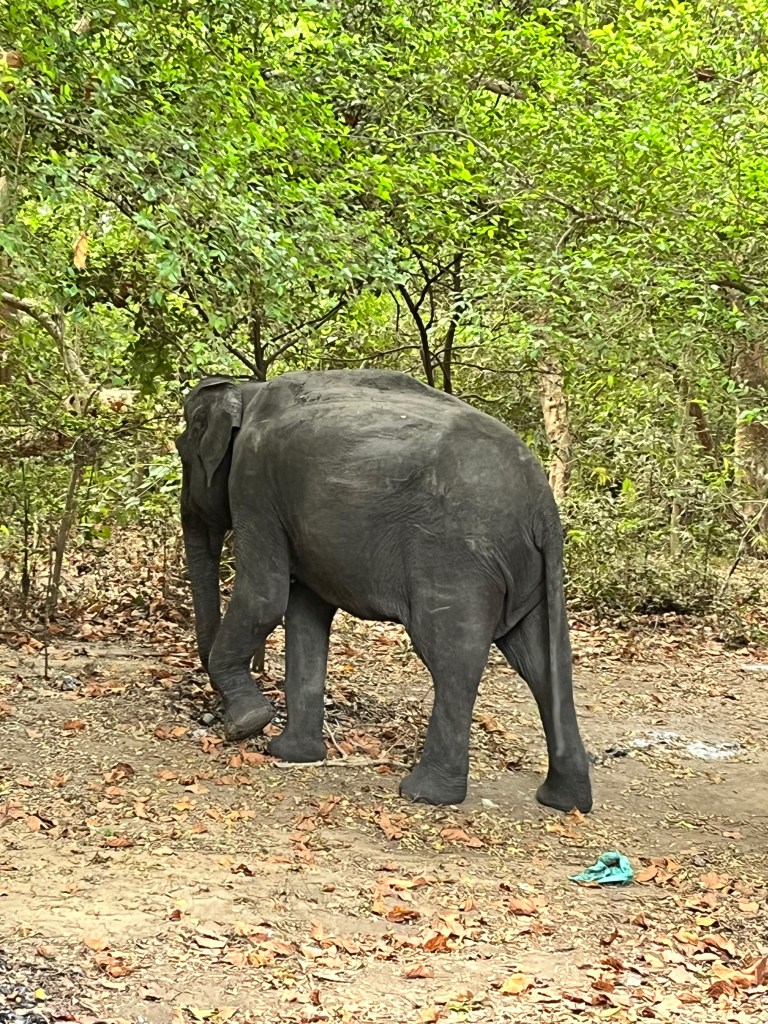
But it was the sight of a lone elephant, foraging near Kudumbigala Devalaya, that stopped us cold its trunk curled around something, not foliage, but plastic.
A creature so powerful, so sacred, brought low by our carelessness. That image, grey hide, wise eyes, and crinkling cellophane carved itself into our memory. Long after the leopard sightings blur and fade, this is the moment we’ll still carry.
The mood shifted. Quiet. Reflective. We felt the weight of it, and decided we couldn’t just stand by.
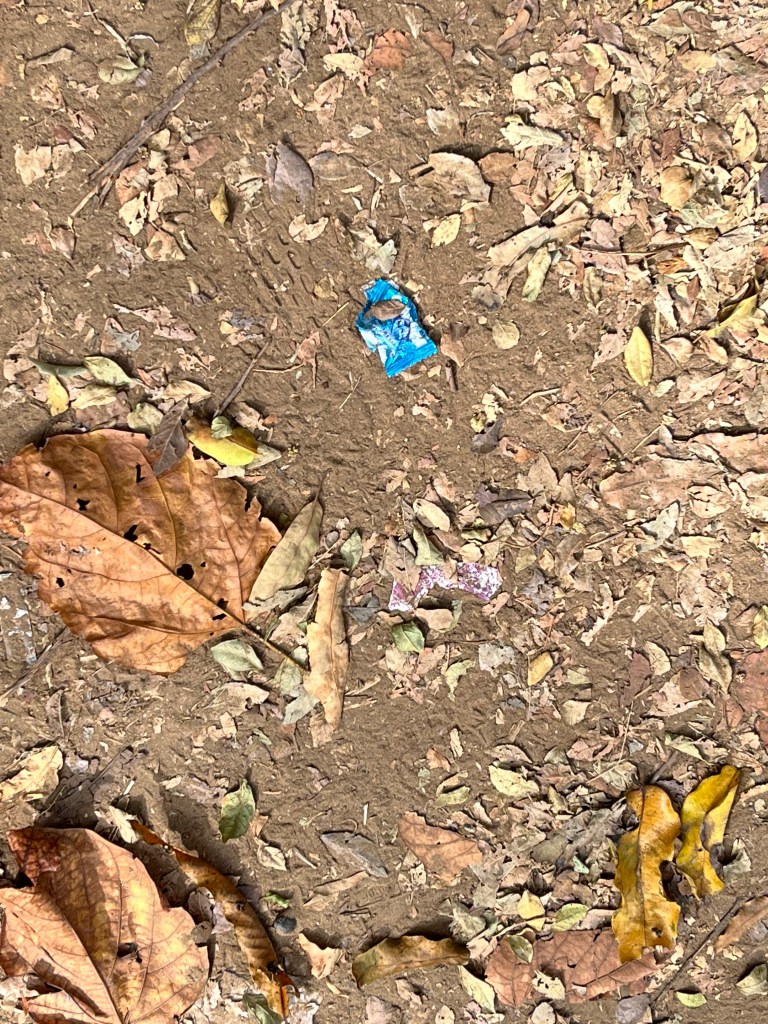

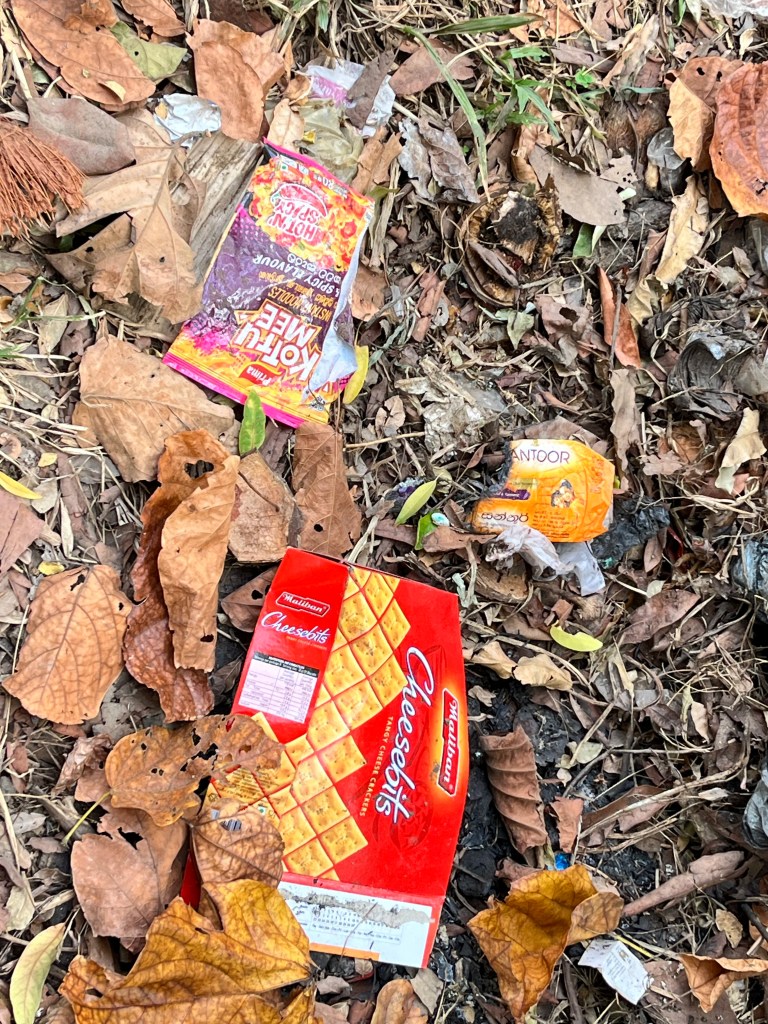
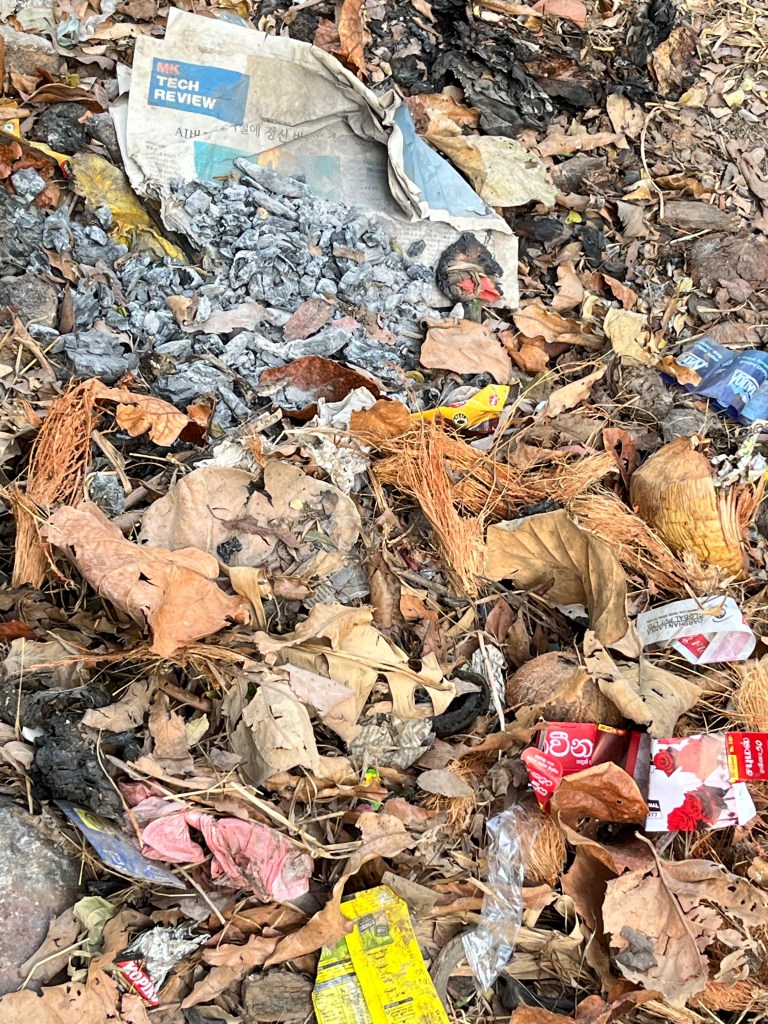
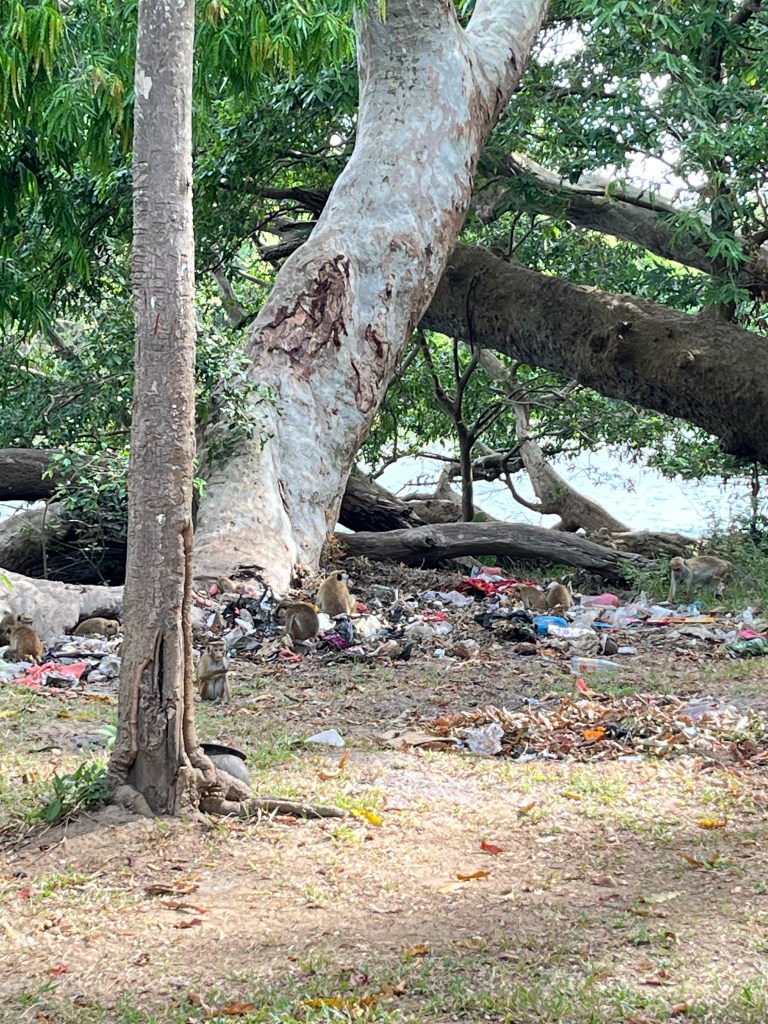
So, we made our way down to the ancient shrine, still healing from the Paada Yatra pilgrimage that had passed through weeks before. What should have been a place of peace was strewn with debris wrappers, bottles, burnt plastic, the unfortunate legacy of well-meaning, but careless feet.
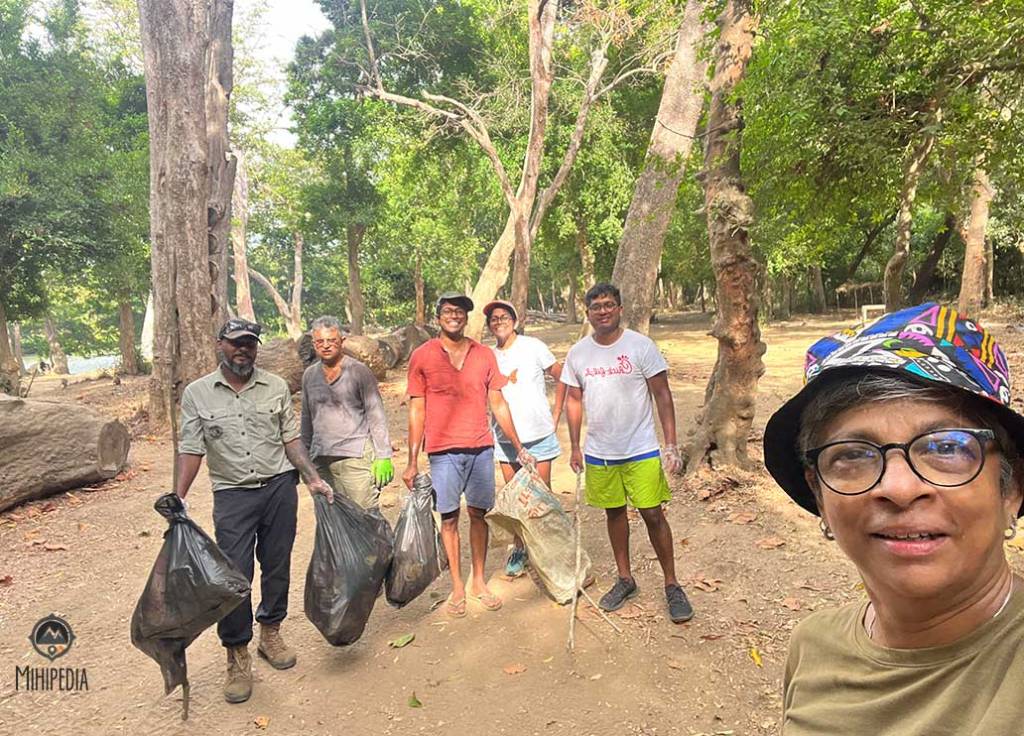
We rolled up our sleeves and spent the next hour cleaning, one bag, one scrap, one footprint at a time. At least we did something. We made some change.
But it was evening that gave us the real adventure.
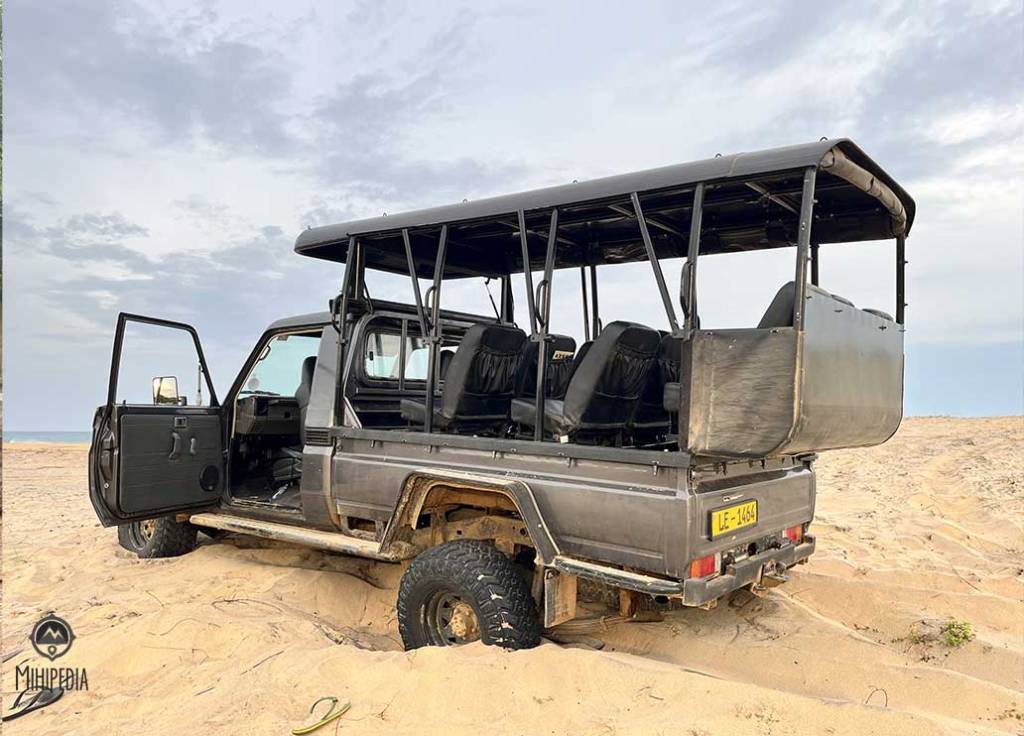
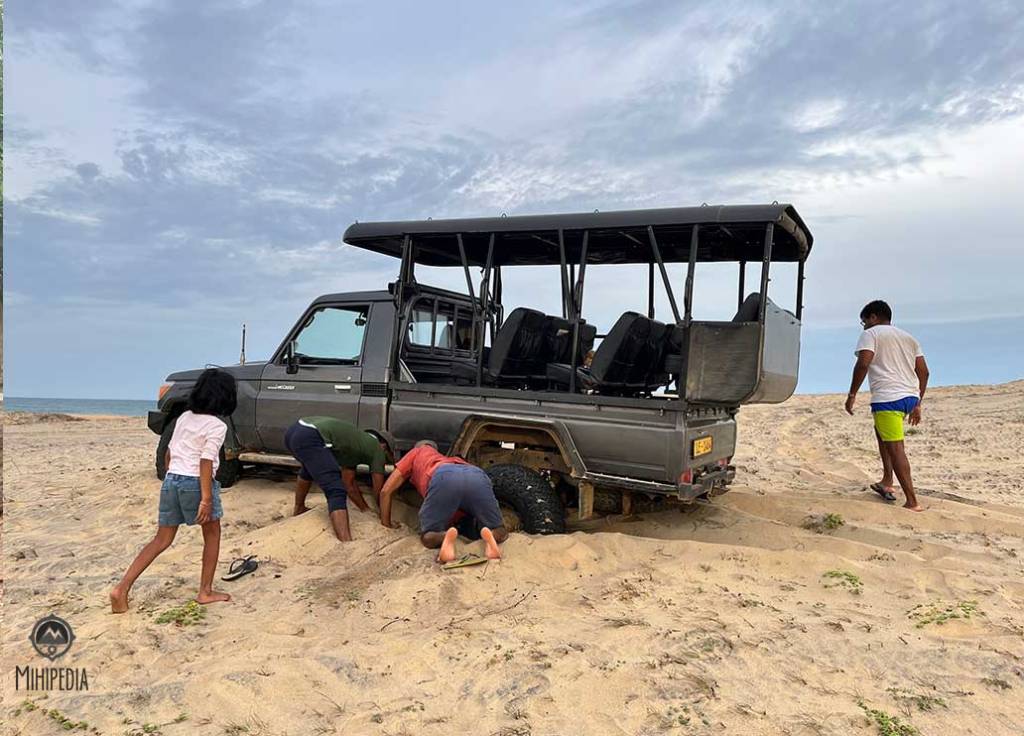
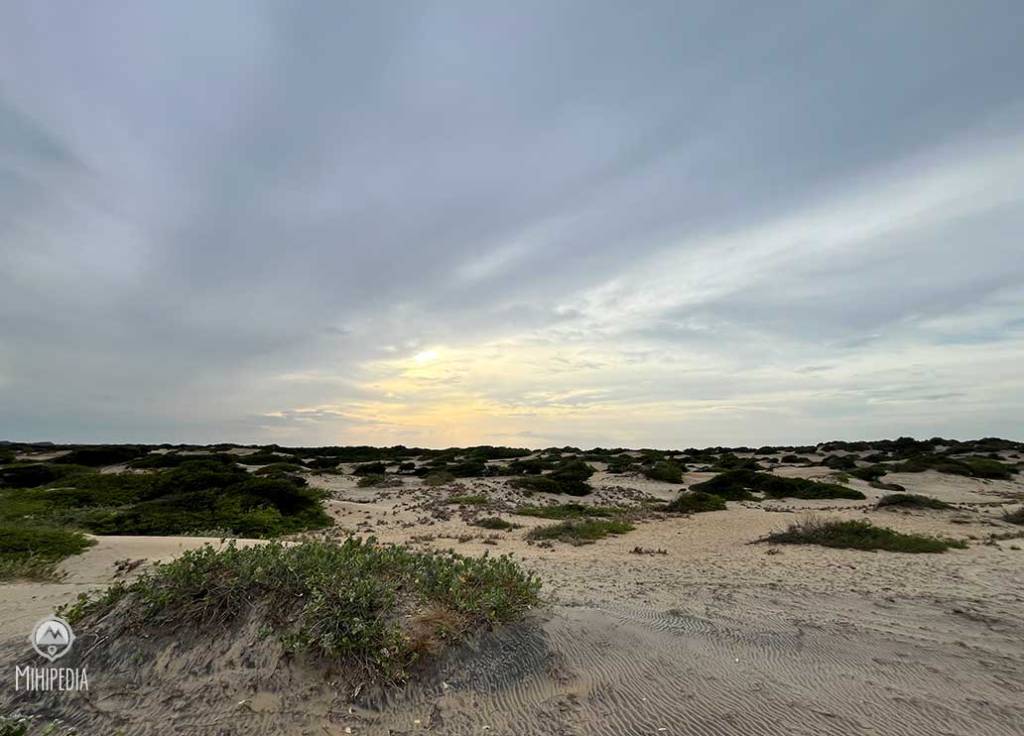
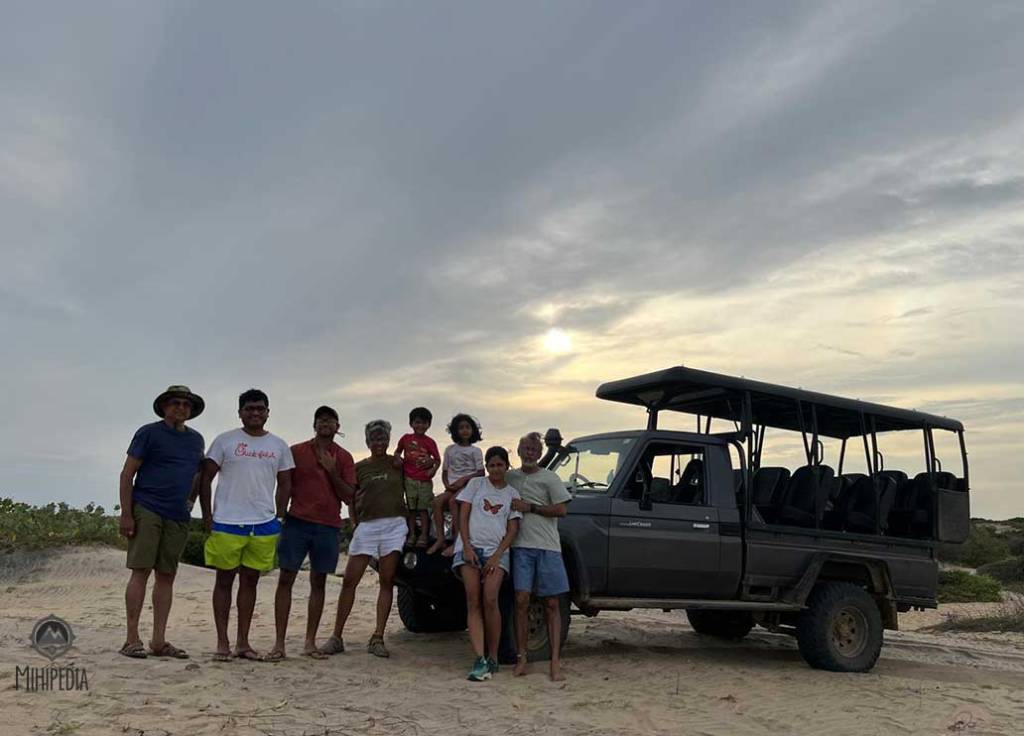
We drove out toward the sand dunes, that eerie stretch of Kumana where the landscape turns pale and wind-swept, more Sahara than Sri Lanka. The sun was low, the shadows long, when suddenly the jeep sank. Stuck in the sand.
There was laughter, some mild panic, a lot of pushing, and eventually winching it out with teamwork and sweat. And just as we were wiping our brows…a sloth bear.
Right there. Close enough to see the white V on its chest, close enough to smell the earth on its fur. We followed at a respectful distance, quiet and wide-eyed, savoring this rare, intimate moment with one of the jungle’s most elusive inhabitants — just us, the bear, and the hush of the wild all around.
And as if the jungle hadn’t stunned us enough another leopard, walking up to us, close enough to count its scars and impossibly calm, locked eyes with us as if to say: You still here?
On Friday morning, as we packed up dusty boots and tired smiles, the jungle gave us one last gift: a leopard under a bush, again, close enough to spot the flick of his tail, casual as ever, as if it had come to see us off.
We left slowly, still high on river breezes and engine growls, still wrapped in the spell of the place.
Kumana isn’t just a national park. It’s a threshold, a wild, breathing world where nature is raw, regal, and sometimes reckless.
Would I go back? In a heartbeat.
 Mihipedia.lk