
Colombo is not a city most people associate with wildlife. But once the sun sets and the traffic fades, an entirely different world wakes up in the marshes around Diyasaru Park.
As part of Fishing Cat February, we joined two late-night safaris exploring these wetlands — trading a comfortable Saturday night for muddy boardwalks, torchlight, and the thrill of the unknown. The walks began at 9 p.m. and stretched well past midnight, ending around 1 a.m. The first week there were twelve of us, the following Saturday thirteen — a small, curious group moving slowly through the dark with our guides, John Wilson, Moditha Kodikara, Nilanjan Wijethileka, Maduranga Ranaweera, Avijja Fonseka, Hasitha and Dhanushke.
Diyasaru sits within the floodplains of the Diyawanna Oya, a sprawling wetland system that plays a quiet but vital role in the life of Colombo. These marshes absorb floodwaters during the monsoon, filter pollutants, regulate temperatures, and provide refuge for an astonishing diversity of wildlife. In a city that has steadily expanded into its natural landscapes, places like Diyasaru have become rare, fragments of wetland that still function as living ecosystems.
And those ecosystems truly come alive at night.
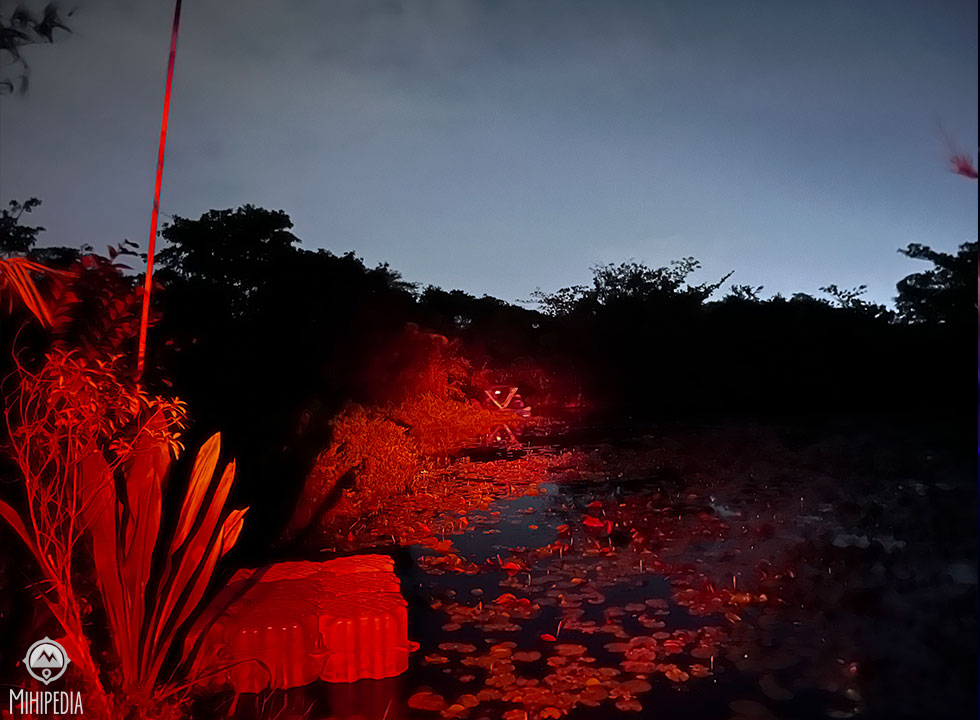
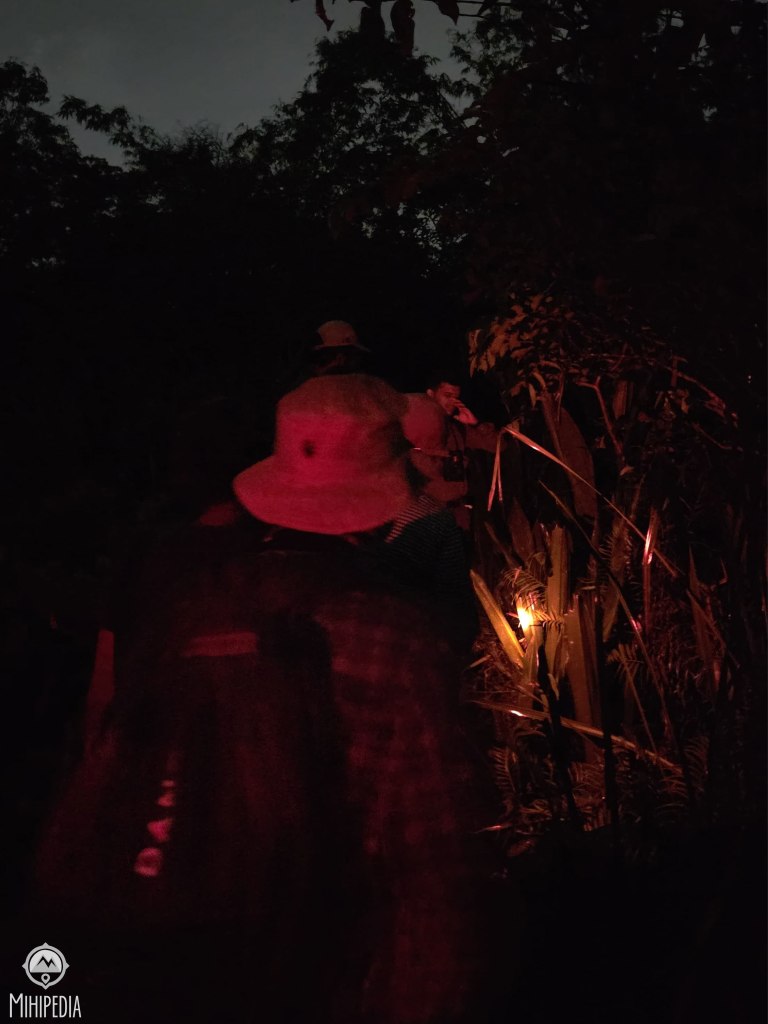
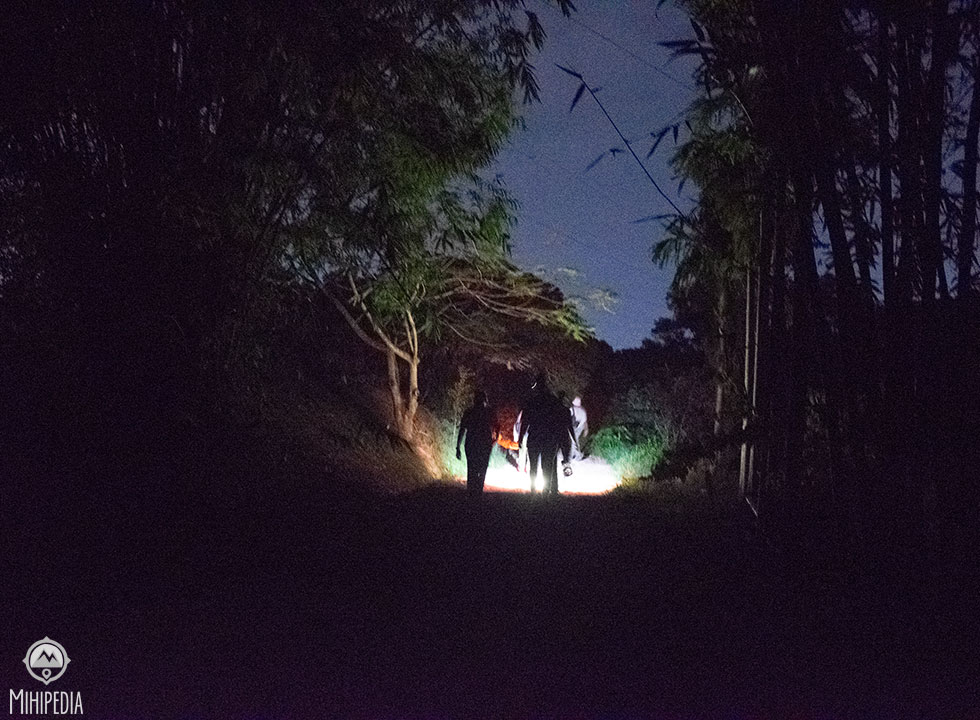
Walking along the wooden boardwalks, our torches swept across the reeds and water. Every few steps revealed something new. Herons stood motionless in the shallows, perfectly patient hunters waiting for a careless fish.
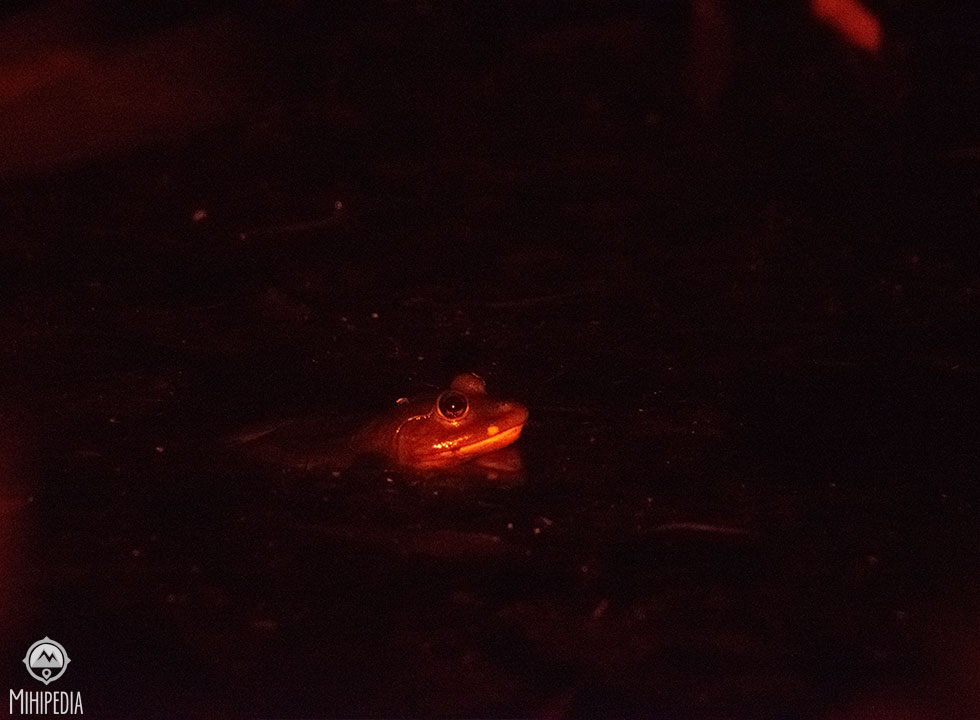
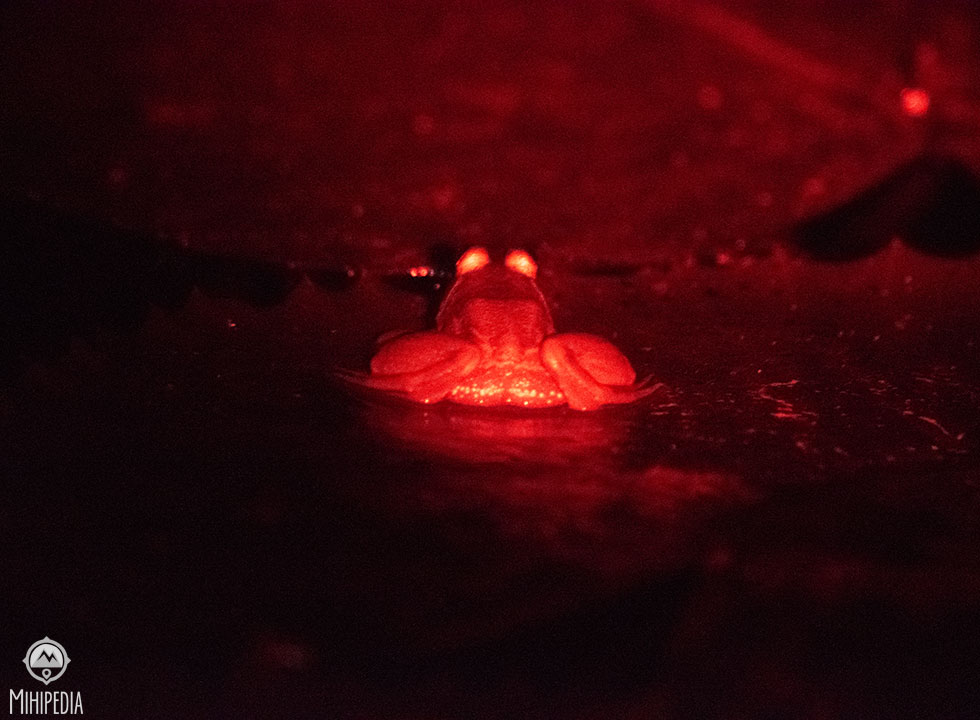
Tiny insects hovered above the water, while frogs announced their presence from invisible perches.
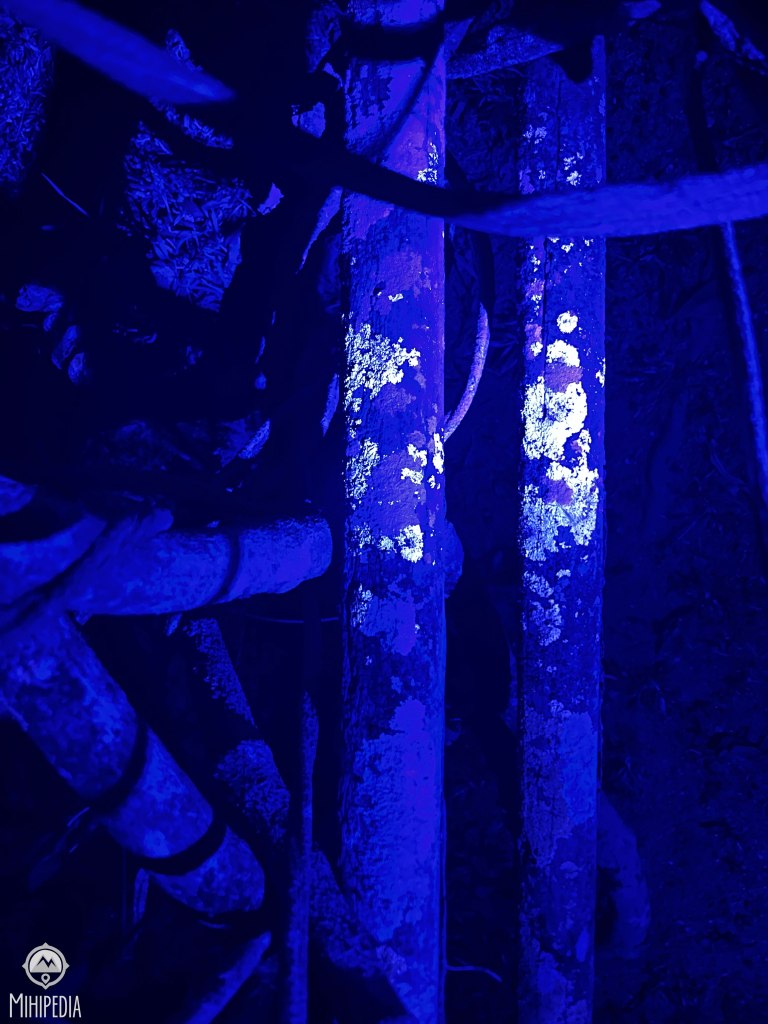
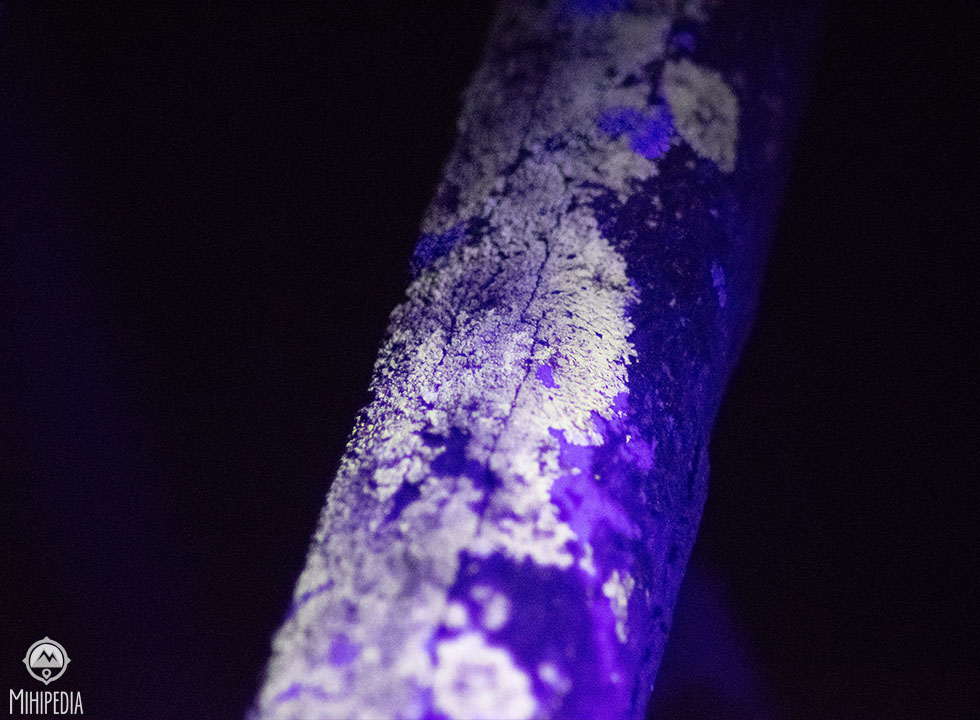
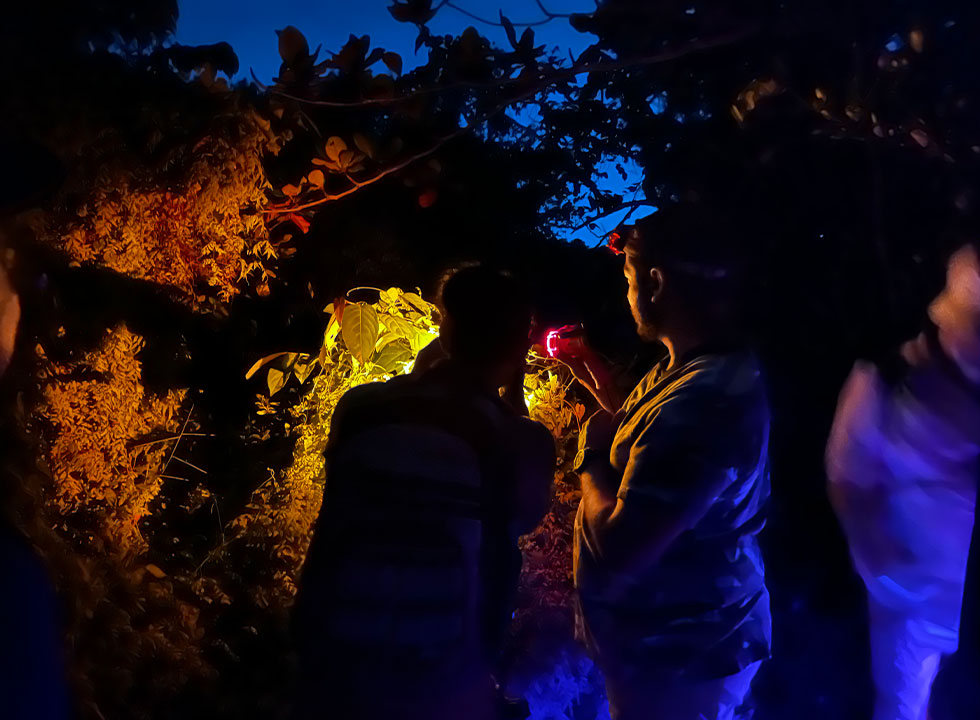
At one stop, our guides switched on UV lights. Suddenly the trees transformed. Lichen glowed faintly along the bark, shimmering like scattered stardust. The marsh revealed another layer of life invisible to the naked eye.
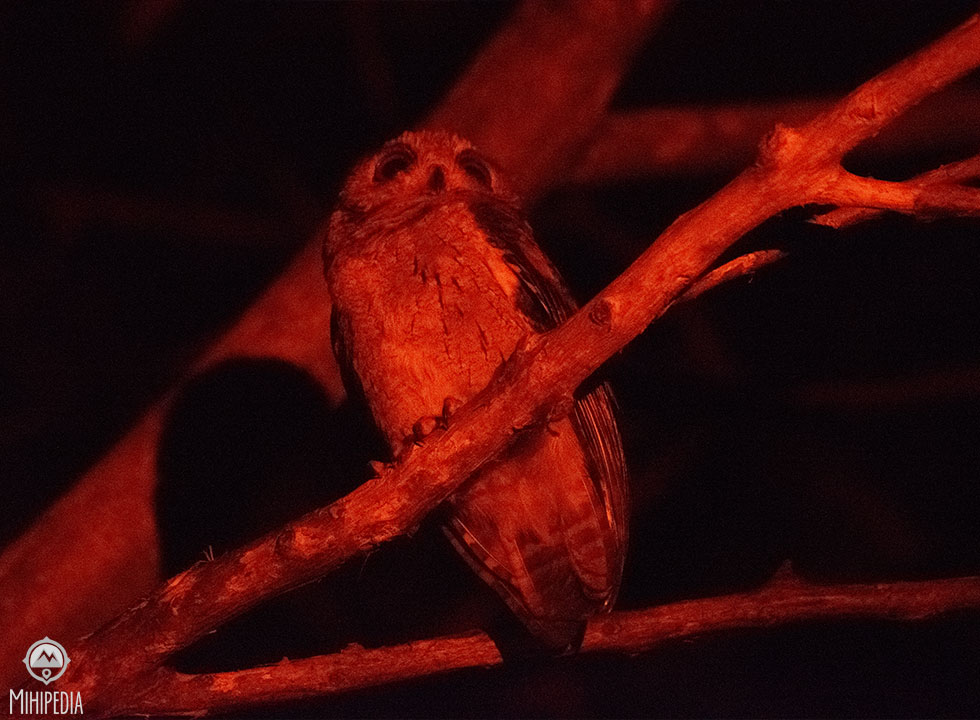
A rustle in the undergrowth brought everyone to a halt — a porcupine emerging cautiously from the reeds before disappearing back into the darkness. Later we paused to listen to the gentle call of a rare, vagrant Scops Owl echoing through the wetland canopy.
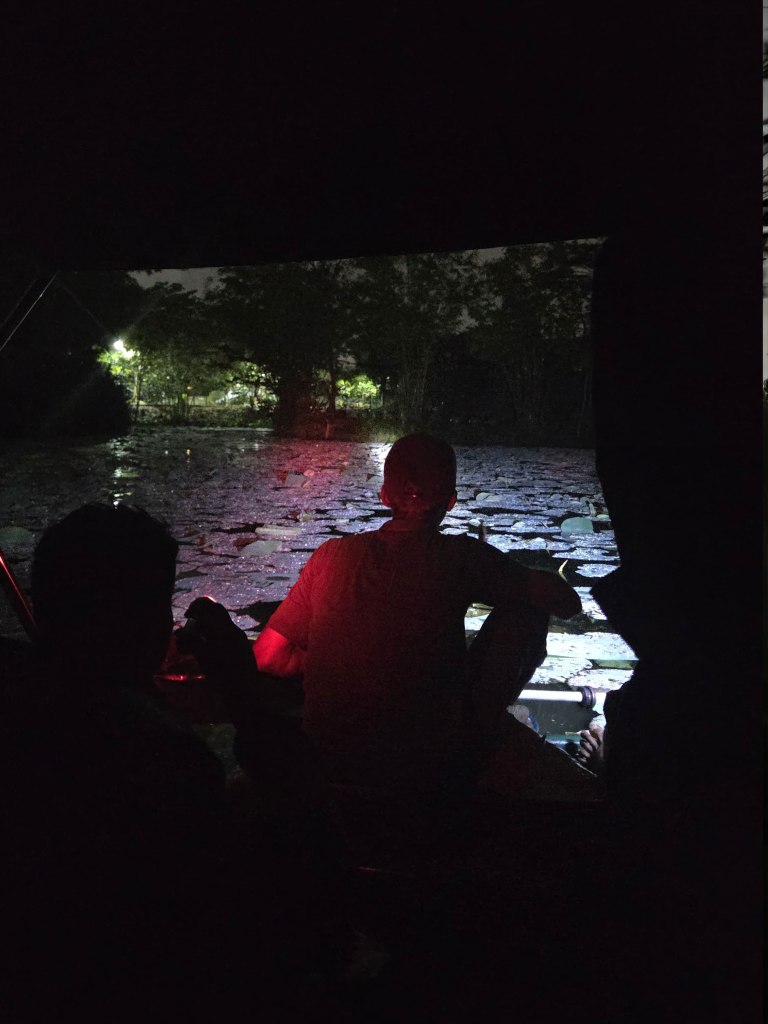
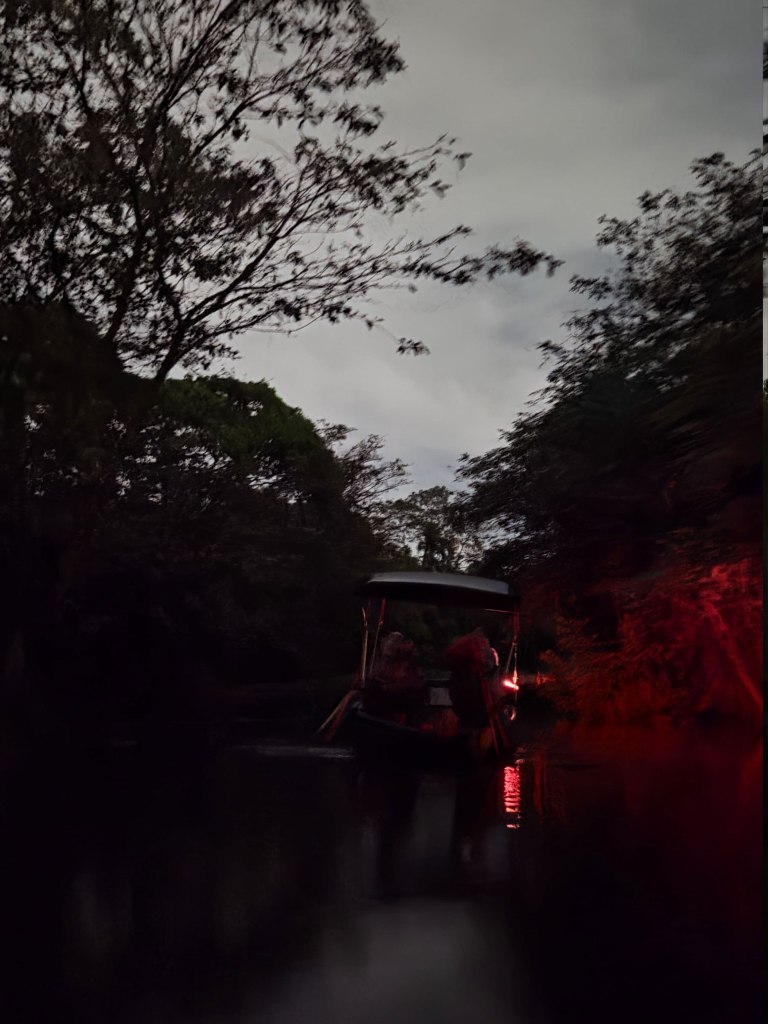
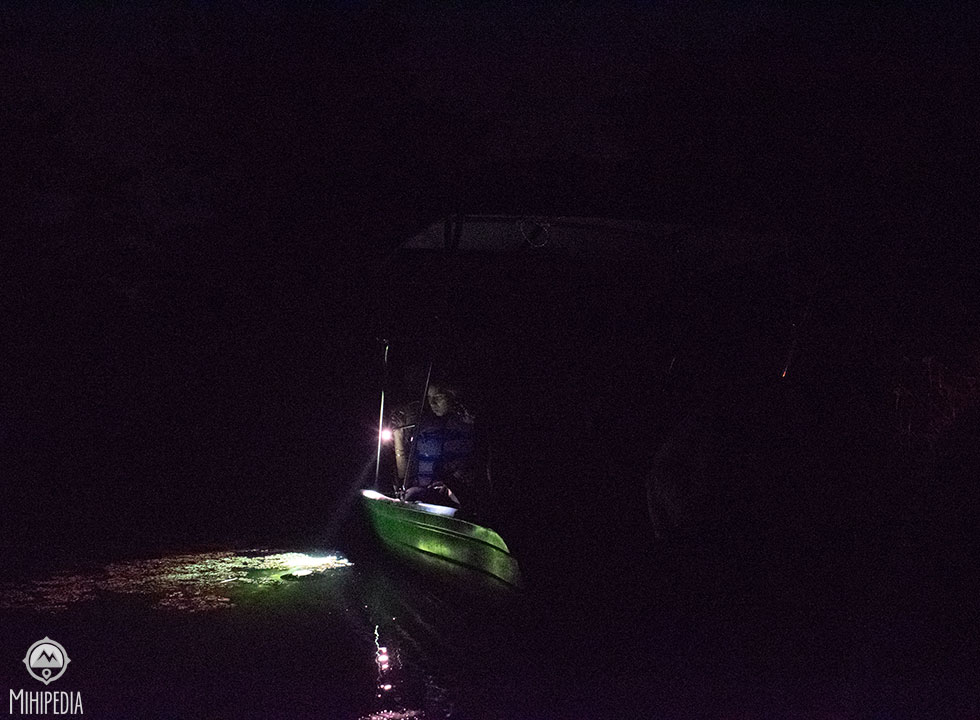
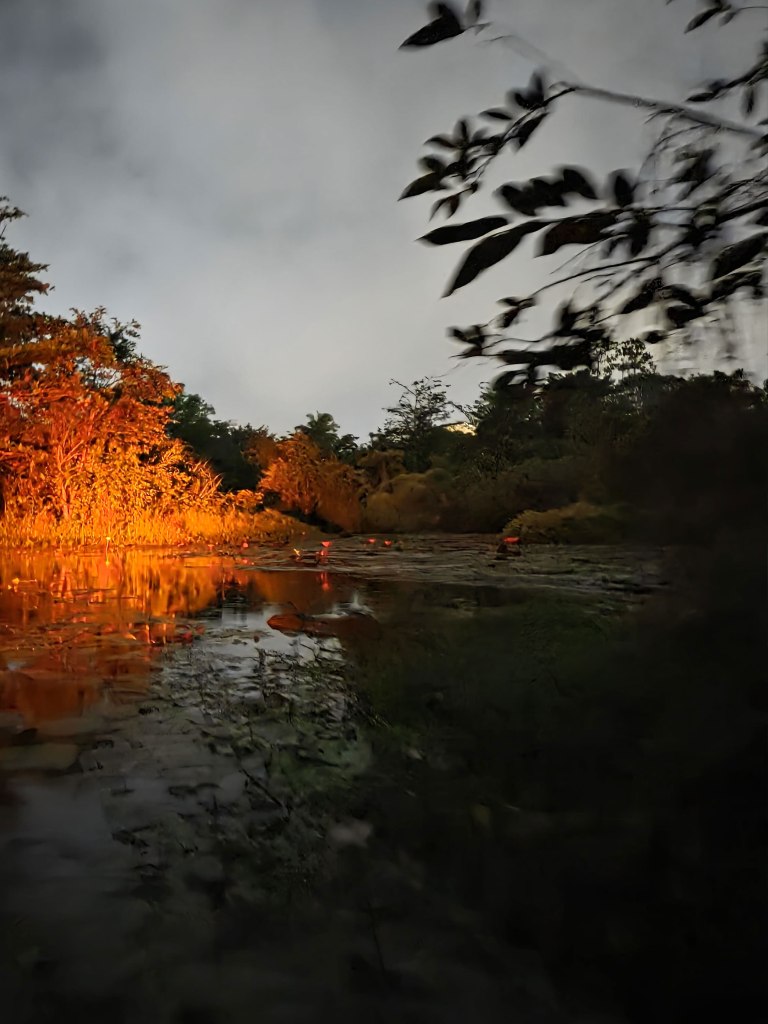
The safaris also included a slow boat ride along the oya. Gliding silently through the water was perhaps the most magical part of the night. Spider webs stretched between reeds like delicate nets, illuminated briefly by torchlight before fading back into darkness. Occasionally, the reflective eyeshine of elusive Saltwater crocodiles hidden along the banks flashed back at us.
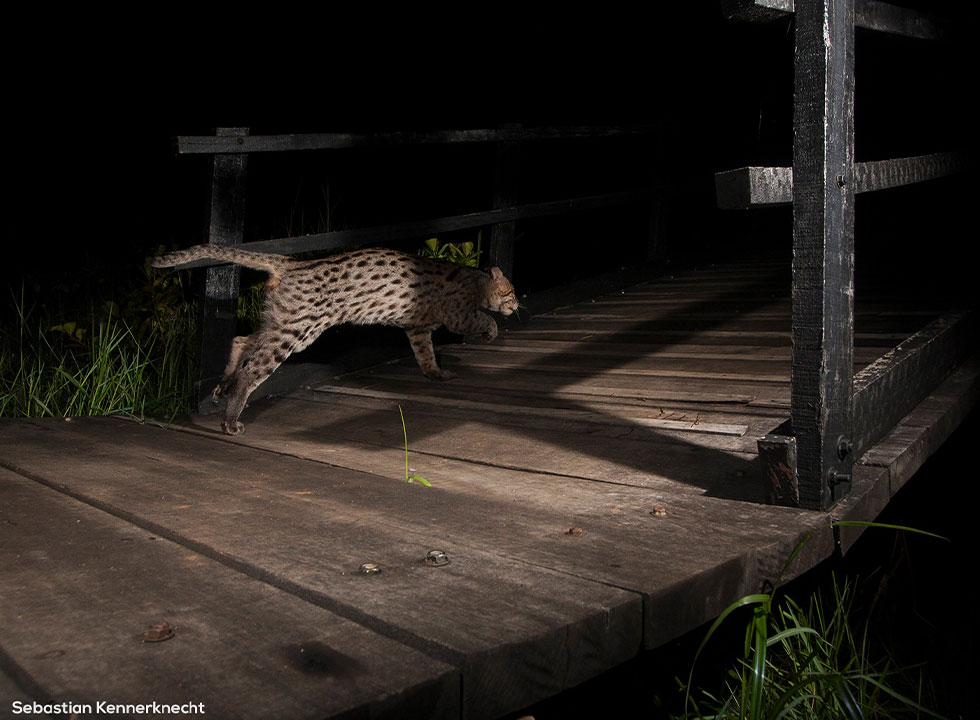
Of course, the wetlands are home to one of Sri Lanka’s most fascinating — and elusive — predators: the fishing cat. These stocky, semi-aquatic wildcats are perfectly adapted to marshland life, with partially webbed paws and a remarkable ability to hunt fish. Yet despite living within Colombo’s urban wetlands, they remain rarely seen and, unfortunately, we didn’t see any either.
The safaris form part of the work of the Urban Fishing Cat Conservation Project and Small Cat Advocacy and Research, whose efforts focus on protecting fishing cats and the fragile wetlands they depend on. Their research — from camera trapping and habitat monitoring to community awareness — has revealed that these animals are quietly surviving in the city’s remaining marshes.
But their survival is far from guaranteed.
Wetlands are often misunderstood landscapes — seen as empty land waiting to be filled, drained, or developed. In reality, they are among the most productive ecosystems on earth. They support biodiversity, protect cities from flooding, and act as natural water filters. Without them, urban environments like Colombo would be far more vulnerable.
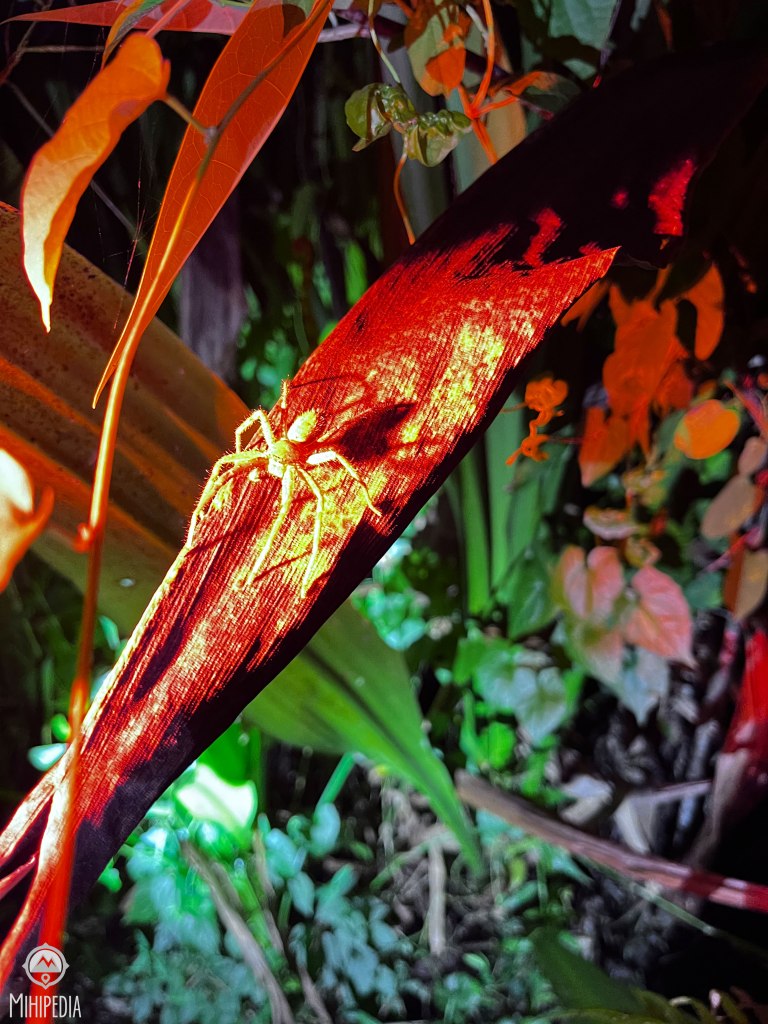
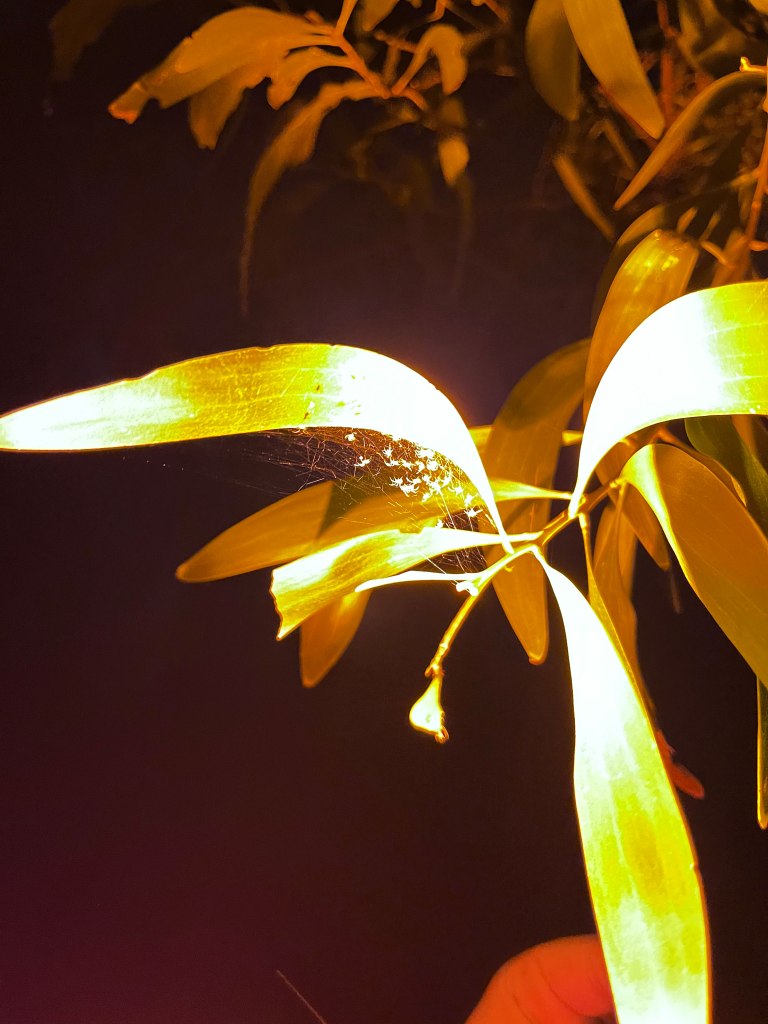
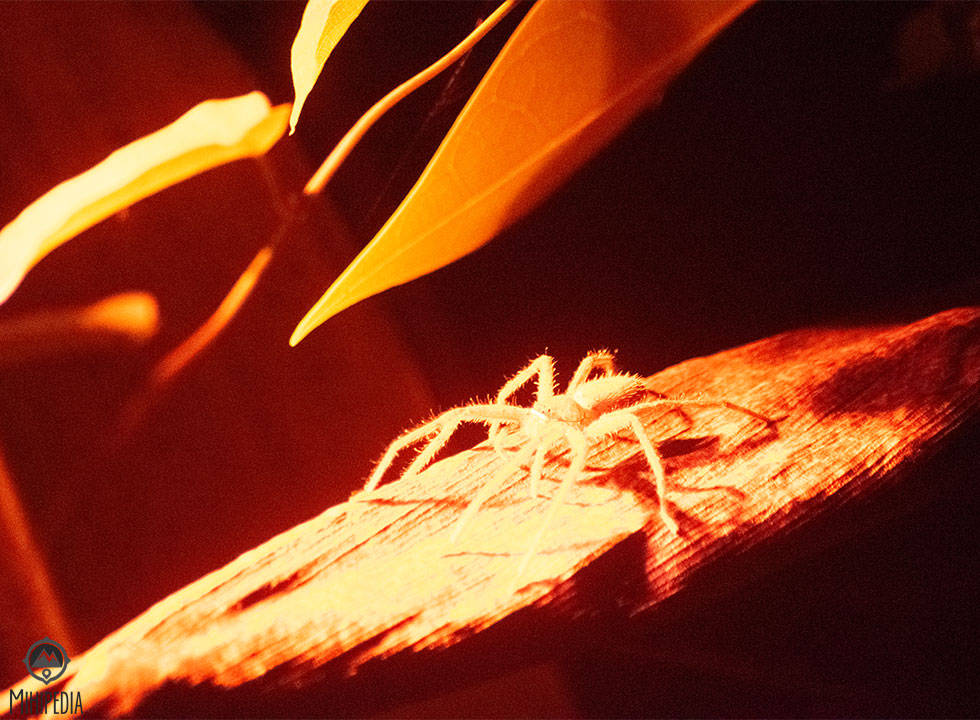
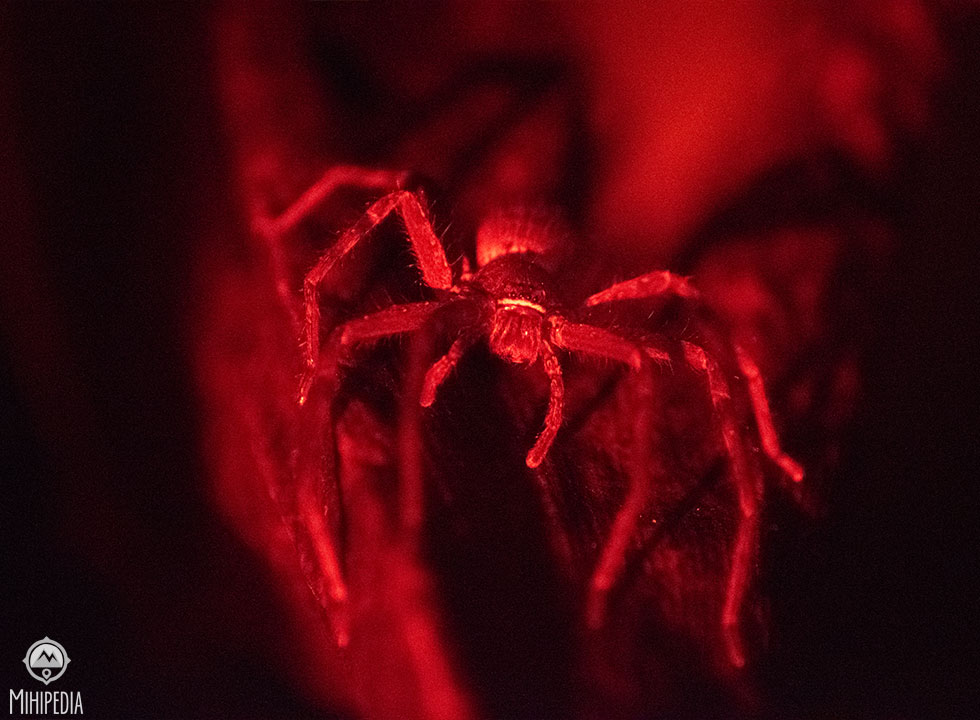
Standing in the darkness at Diyasaru, surrounded by frogs, owls, insects, and the quiet movement of water, it becomes clear just how alive these wetlands are.
Fishing Cat February isn’t only about spotting wildlife — though every rustle in the reeds keeps your heart racing. It’s about learning to see the city differently.
Because hidden between the highways and high-rises, the wetlands are still there.
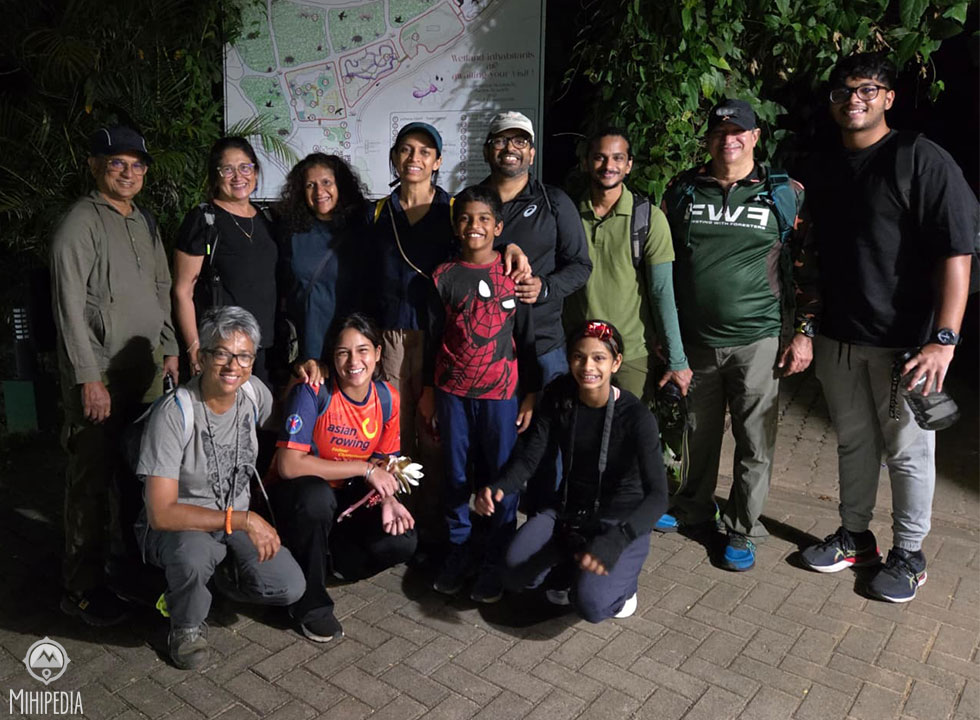
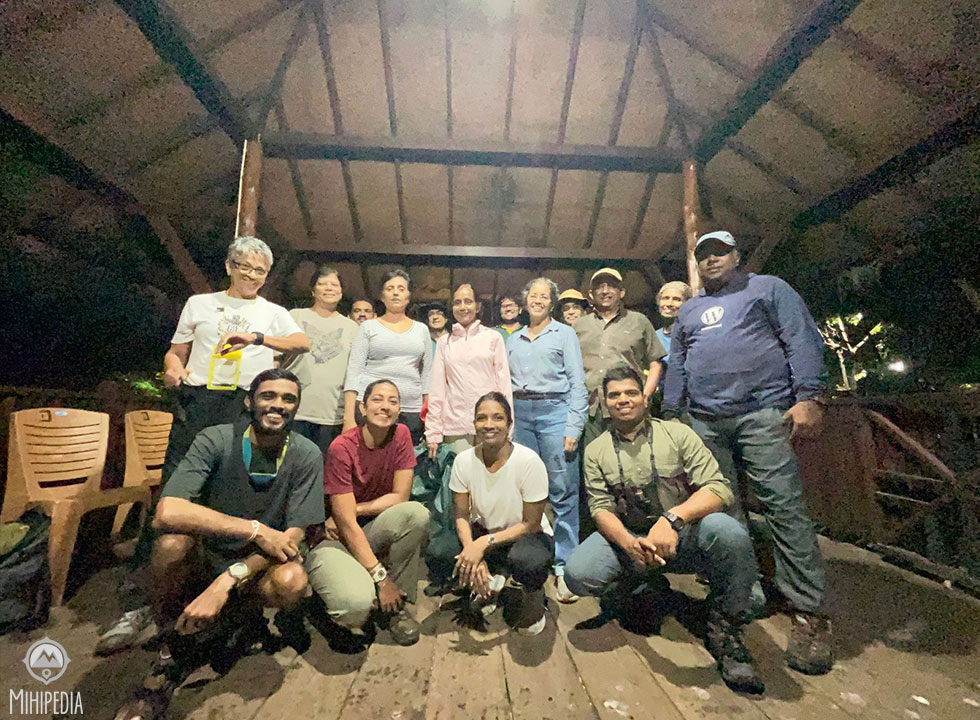
And on nights like these, they remind us that Colombo is wilder than we think. And thank you for supporting this conservation project.
 Mihipedia.lk