
As Qatar Airways Flight QR 1336 descended into Nairobi under the cover of darkness, a wave of nostalgia swept over me. It had been fifteen years since I last touched down in Kenya, back in 2010, with Anya Ratnayaka. This time, I wasn’t alone. I was traveling with twelve others for a 15-day escapade through seven parks across three countries.
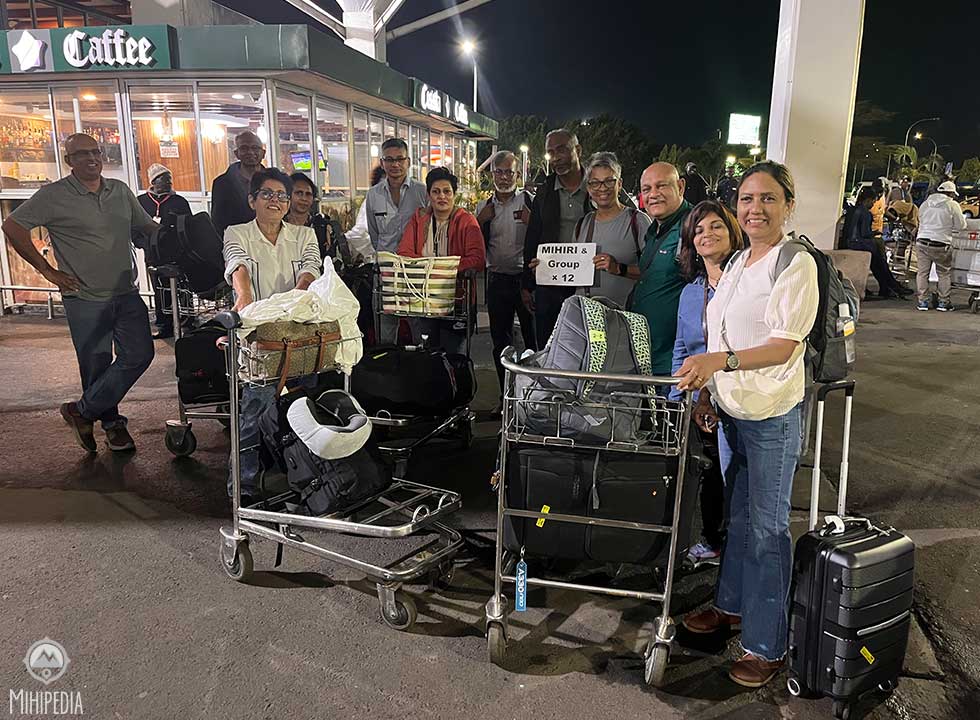
With our e-visas ready, we breezed through immigration and customs and were swiftly shuttled to the Crossroads Hotel for a few hours of rest before our wild journey began.
The Journey Begins: Through the Great Rift Valley
By early morning, Nairobi greeted us with a crisp chill that cut through our jackets. We packed ourselves into two rugged Land Cruisers, excitement bubbling as we rumbled westward toward the legendary Maasai Mara.
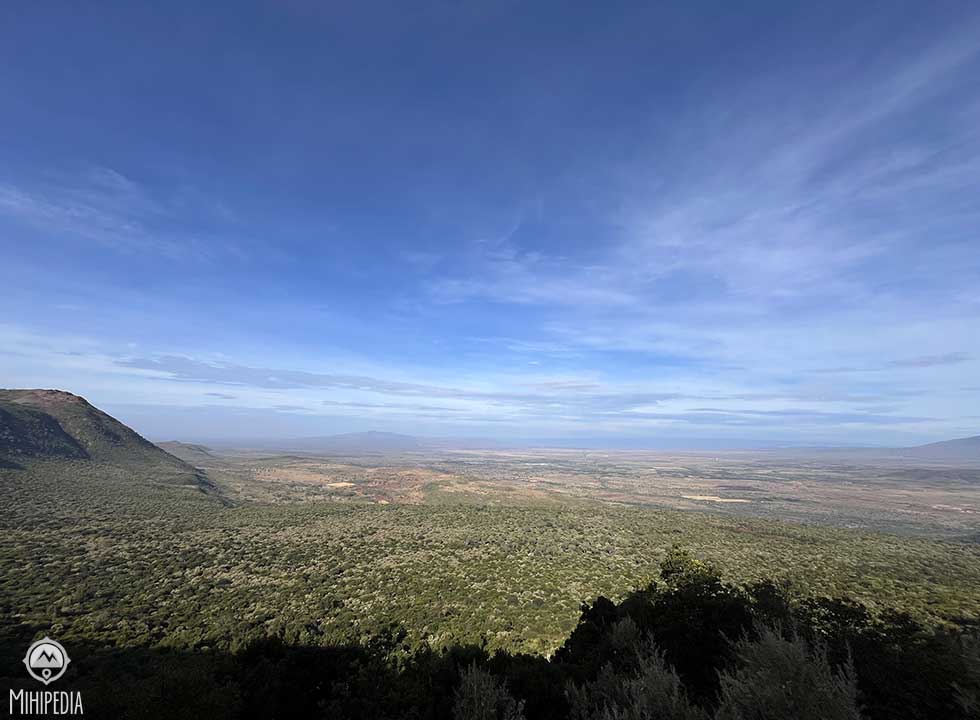
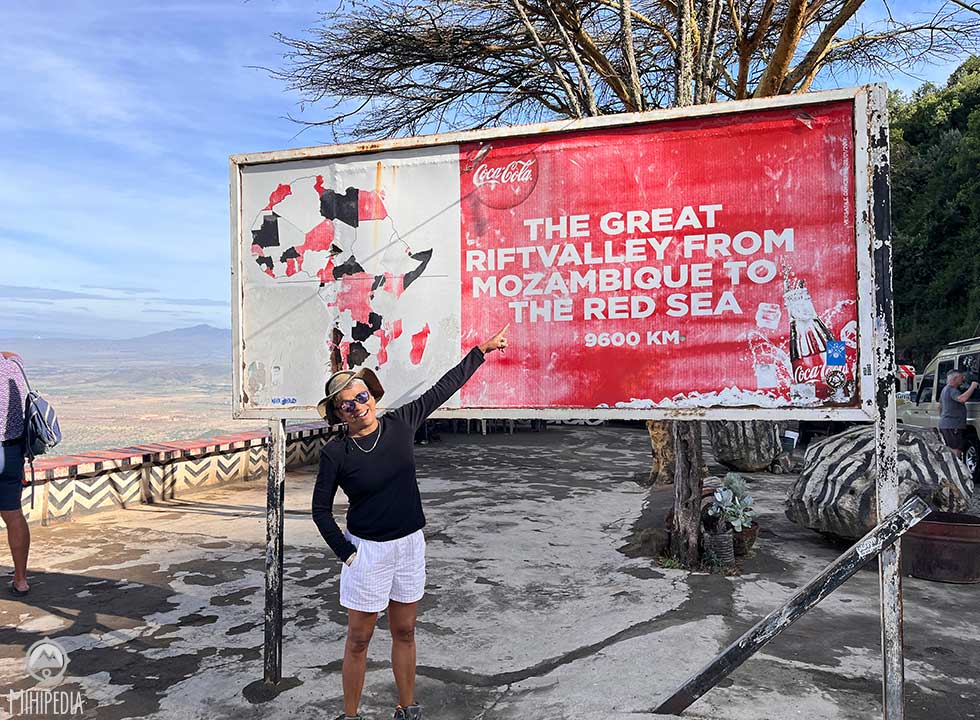
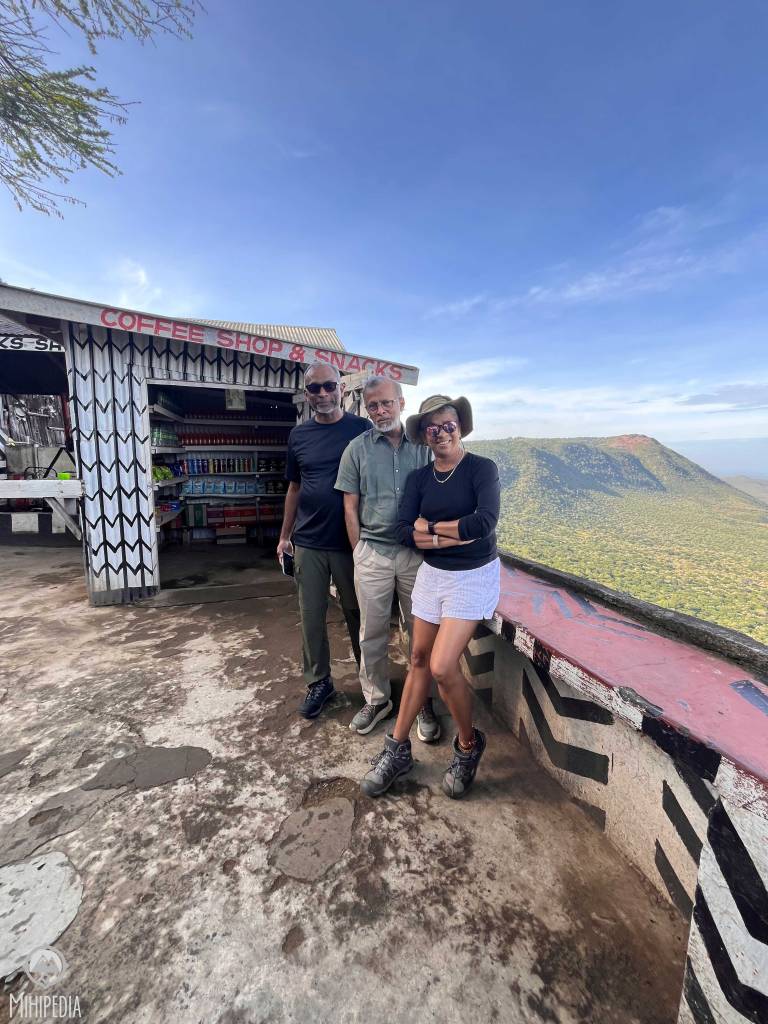
Our first major stop was the breathtaking Great Rift Valley viewpoint—an iconic geological marvel that stretches 6,000 kilometers from Lebanon to Mozambique. Standing on the edge, I felt small against the vast canvas of acacia-dotted plains and distant lakes. Hot chai from a roadside vendor warmed our hands as we took in the panorama, knowing this was just the beginning.
From there, it was another five-hour, 280 km drive into the Mara—dusty roads, bump after bump, and scenery that had barely changed since my last visit. Kenya’s rhythm remained steady and soulful, with landscapes that stretched forever and locals who welcomed us like old friends.
Into the Wild: Land Cruisers, Lenses & Laughter

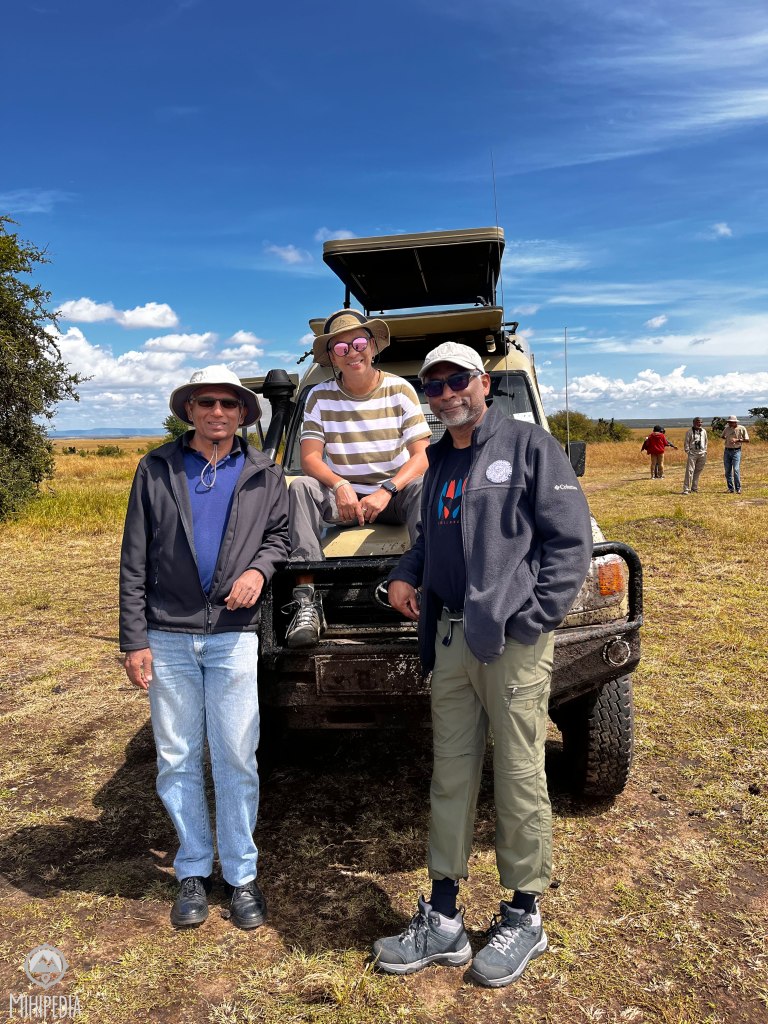
Our safari vehicles were beasts—custom-built Land Cruisers with pop-up roofs for 360° views of the savannah. Reinforced suspensions kept us steady as we bounced across rugged trails. With radios crackling between vehicles, spare tyres strapped on back, our luggage crammed into every available space, we were geared for adventure.
Hillary (aka Sadela) and Jonathan (Tinka) were our guides—part drivers, part wildlife whisperers. Their sharp eyes and encyclopedic knowledge brought the bush to life. They weren’t just guides; they were storytellers, translating the pulse of the Mara into moments we’d never forget.
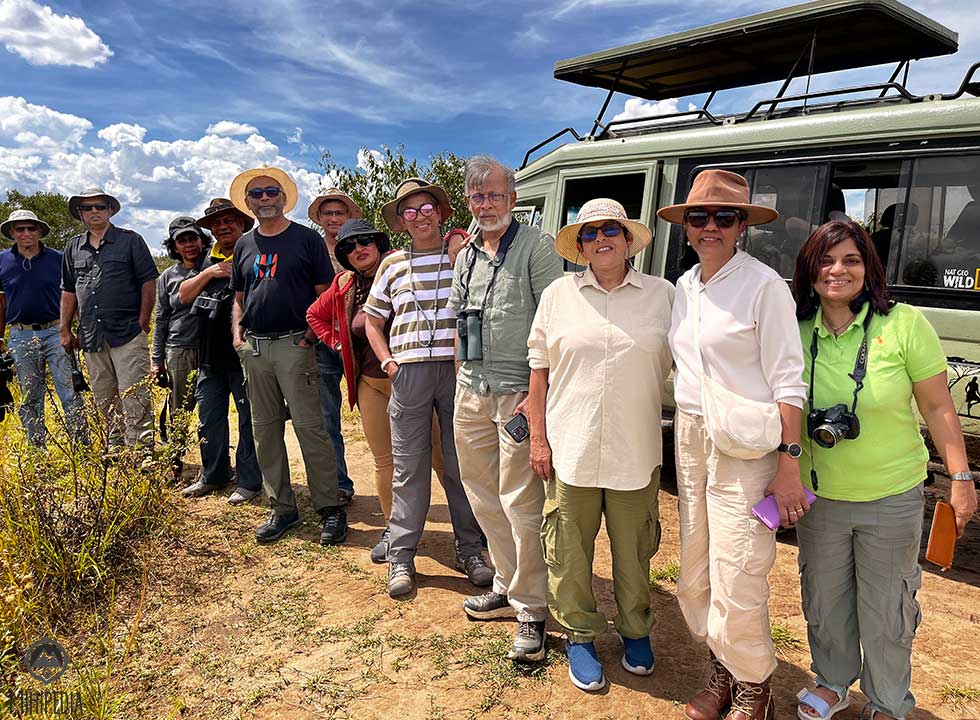
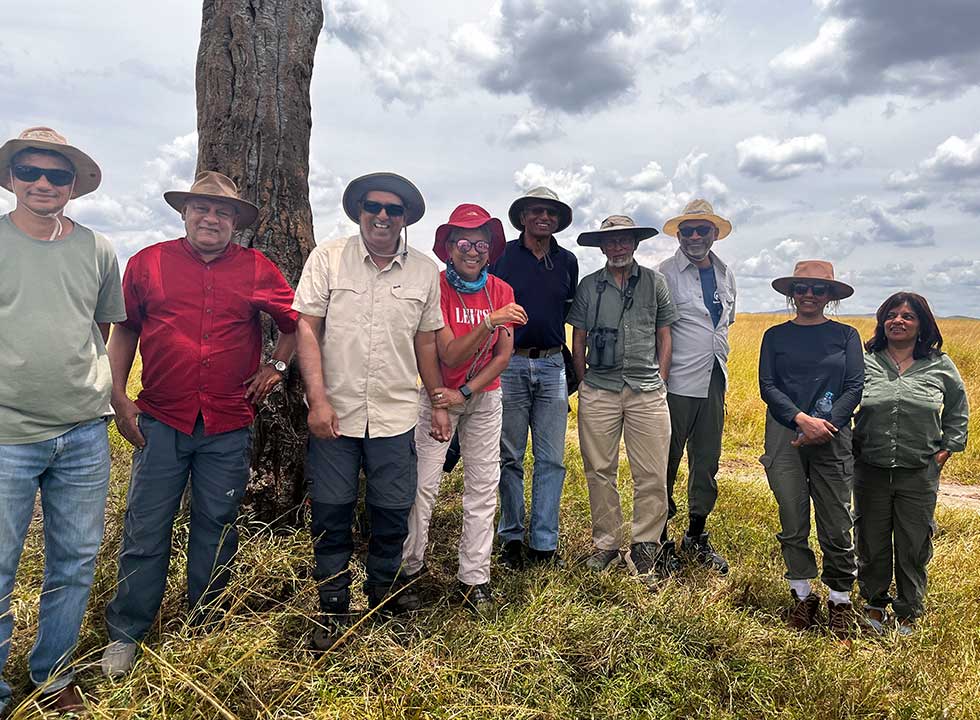
Our group? An eclectic mix. My two brothers added familiar banter (or at most, silence), while Ajith, Niran and Channa were hardcore photographers with gear that could rival Nat Geo. Ajith is a passionate birder, constantly spotting feathered wonders the rest of us missed. Three of our companions were constantly calling their relatives across the world to describe, in real time, every bird, boulder, and blade of grass we encountered. Many questions were asked —some insightful, some hilariously off-base—while others remained quietly observant (or asleep), taking in the vastness of the wilderness in peaceful contemplation
Off-Season, On Point
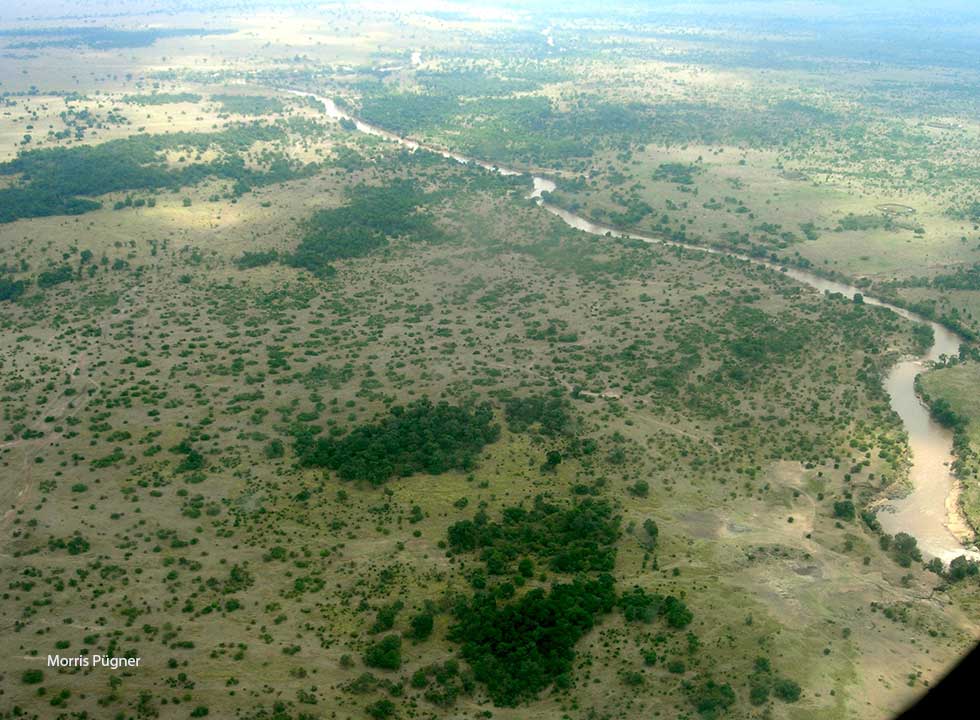
The name “Mara” originates from the Maasai language, Maa, meaning “spotted” or “dotted plains.” It’s a fitting description—when viewed from a distance, the vast grasslands appear peppered with acacia trees, shrubs, and shadows from passing clouds.

Located in southwestern Kenya, the Maasai Mara National Reserve borders Tanzania’s Serengeti National Park and spans roughly 1,510 square kilometers (or 580 square miles). Its seamless connection to the Serengeti makes it a crucial part of the annual Great Migration.
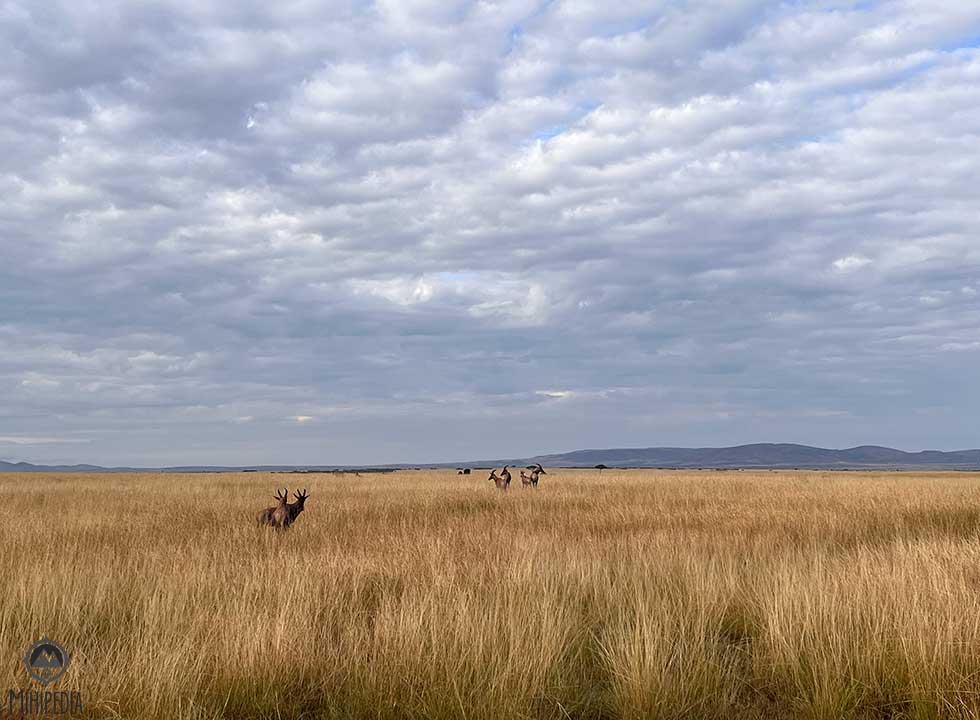
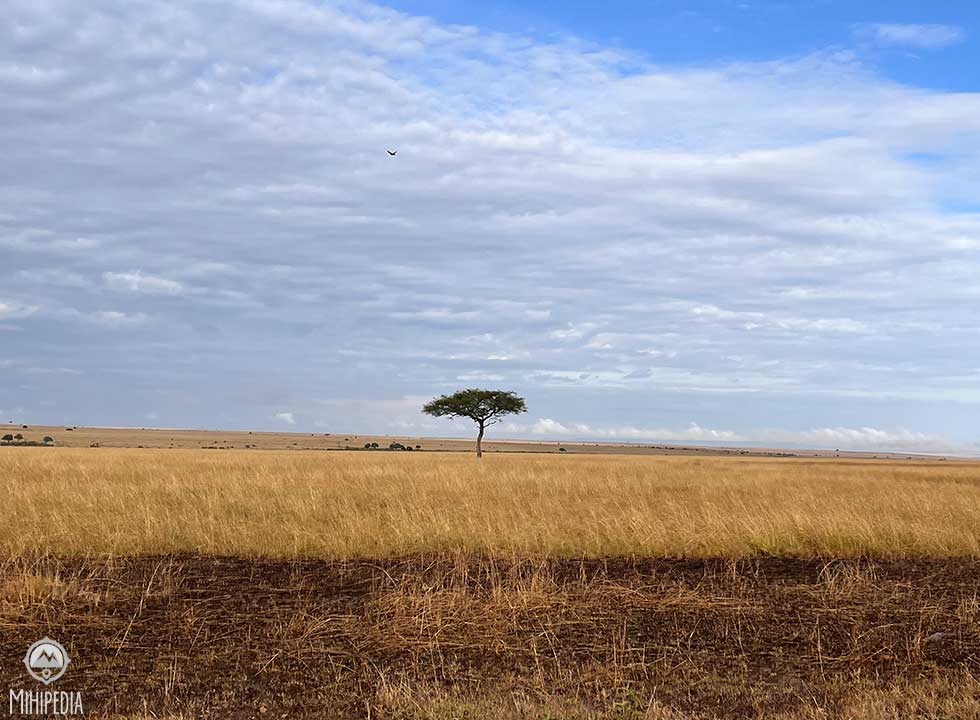
March isn’t peak safari season, and that was exactly the magic. The Mara, though quieter, was still teeming with life. The plains, dotted with acacia trees and golden grasses, rolled out like a painting. Fewer tourists meant more silence—and a deeper connection to the land.
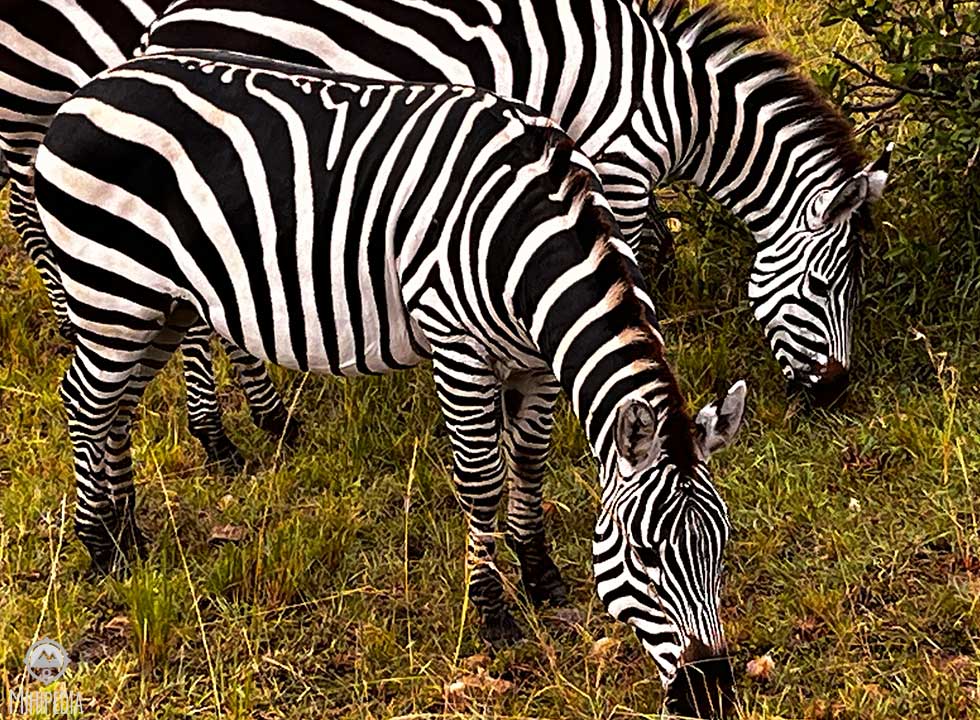

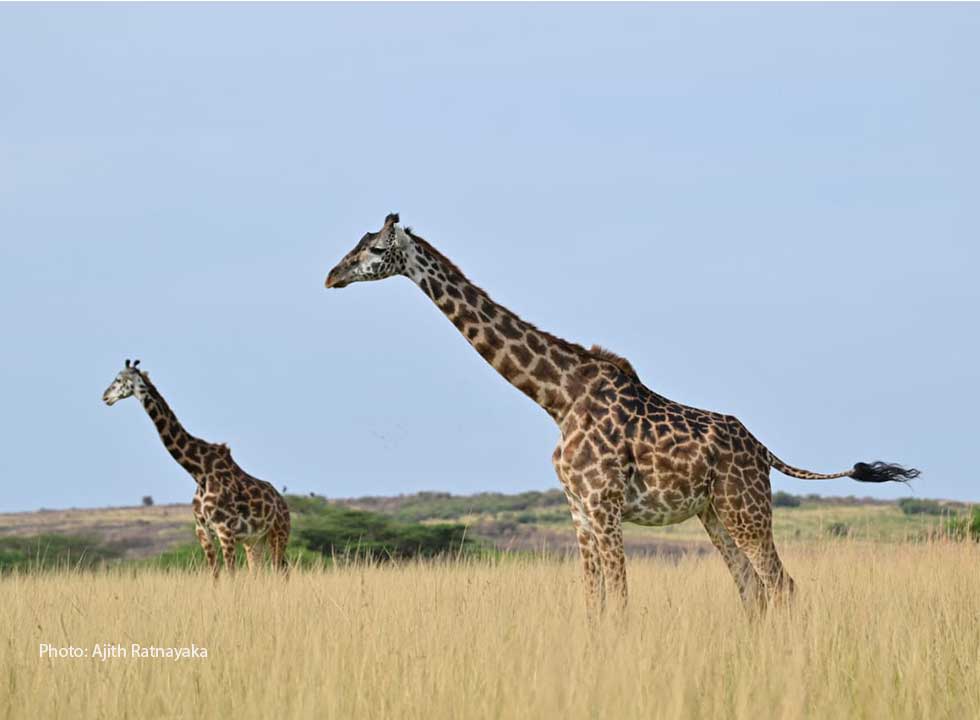

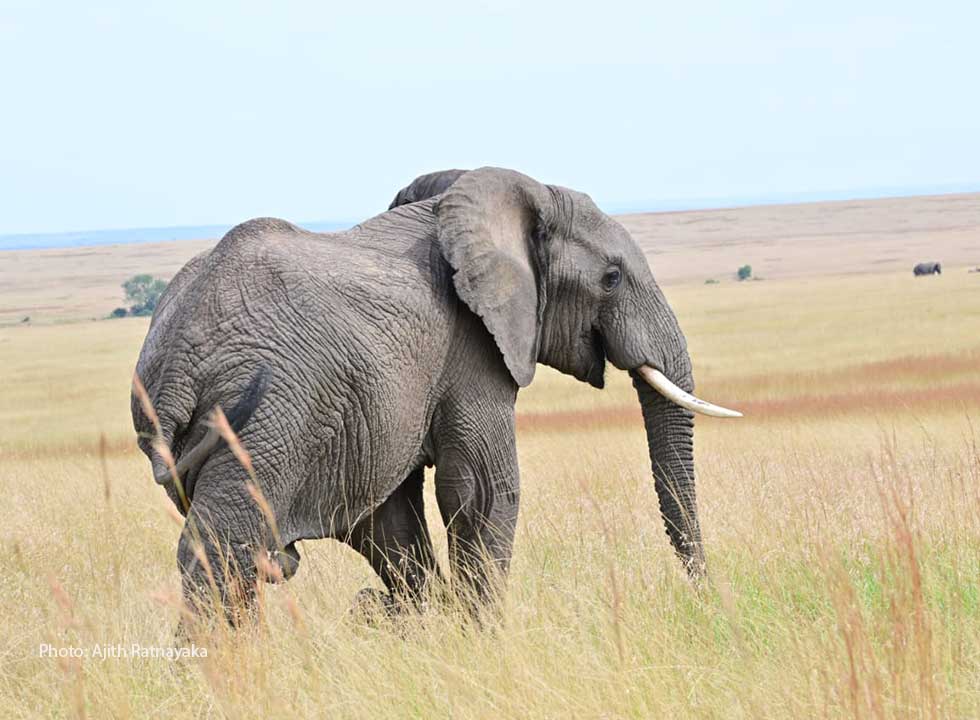
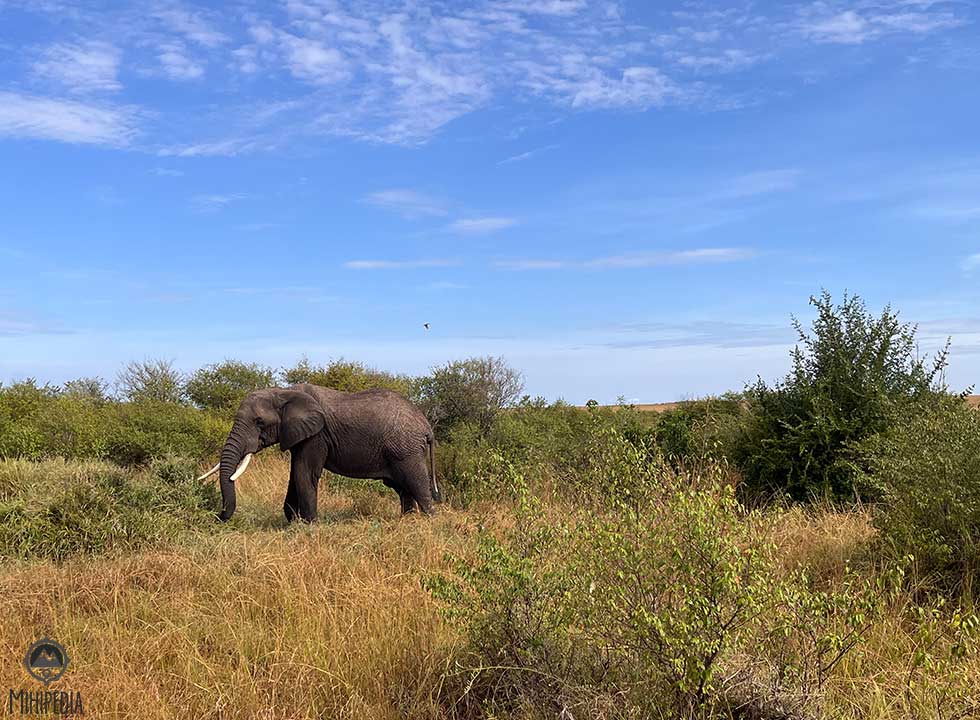
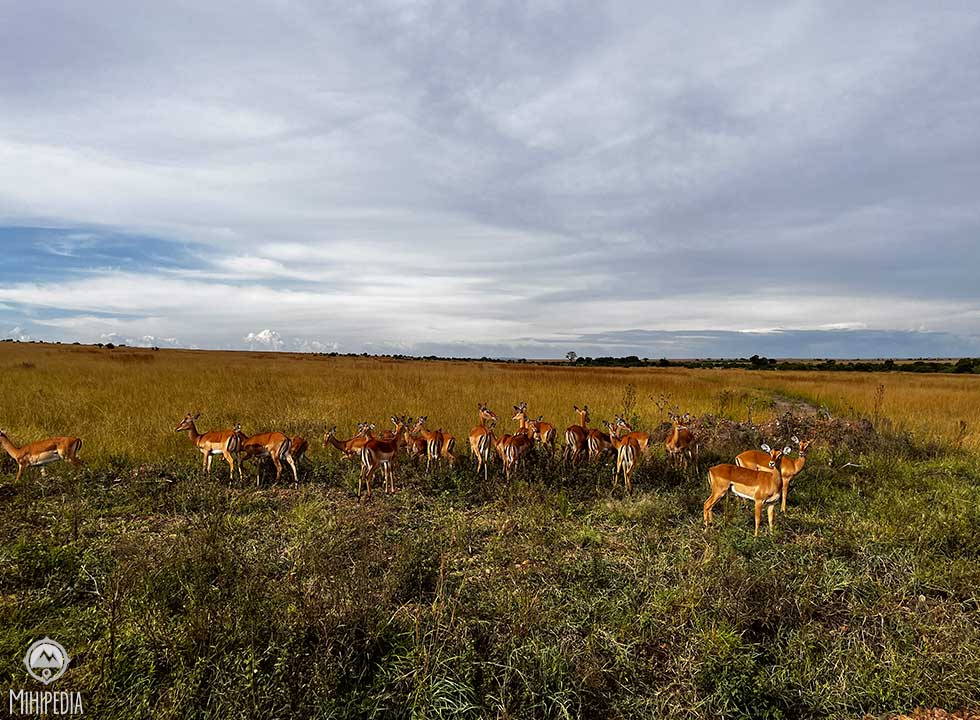


For three days, we lived the wild. Full-day game drives started before sunrise and ended after sunset. The golden light turned the Mara into a dreamscape. We watched a lioness nudge her cubs into a carcass, hyenas and vultures squabbling over scraps nearby. Other animals that make up the plains of the Maasai Mara include zebras, wildebeests, Topi, Thomson’s gazelles, Grant’s gazelles, impalas, elands, hartebeests, and waterbucks. In addition to these, the Mara is also home to other fascinating species such as the towering Maasai giraffe, both spotted and striped hyenas, as well as jackals, bat-eared foxes, and meer cats. Along the Mara River, crocodiles and hippos can often be seen basking or wallowing in the water. This incredible savannah pulsed with life.
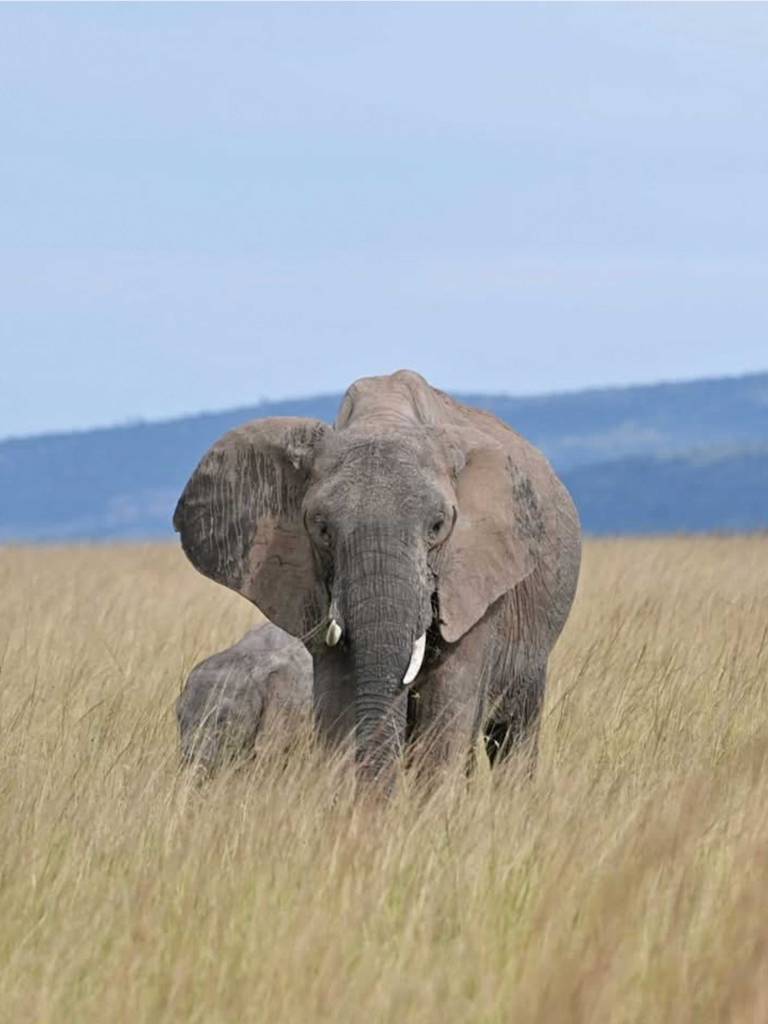
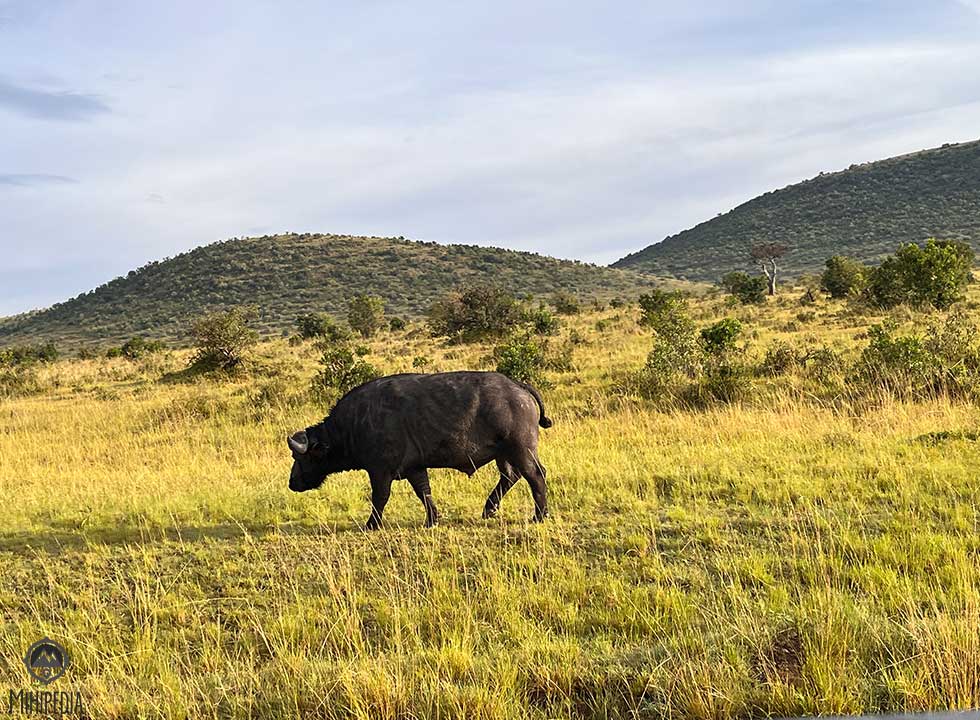
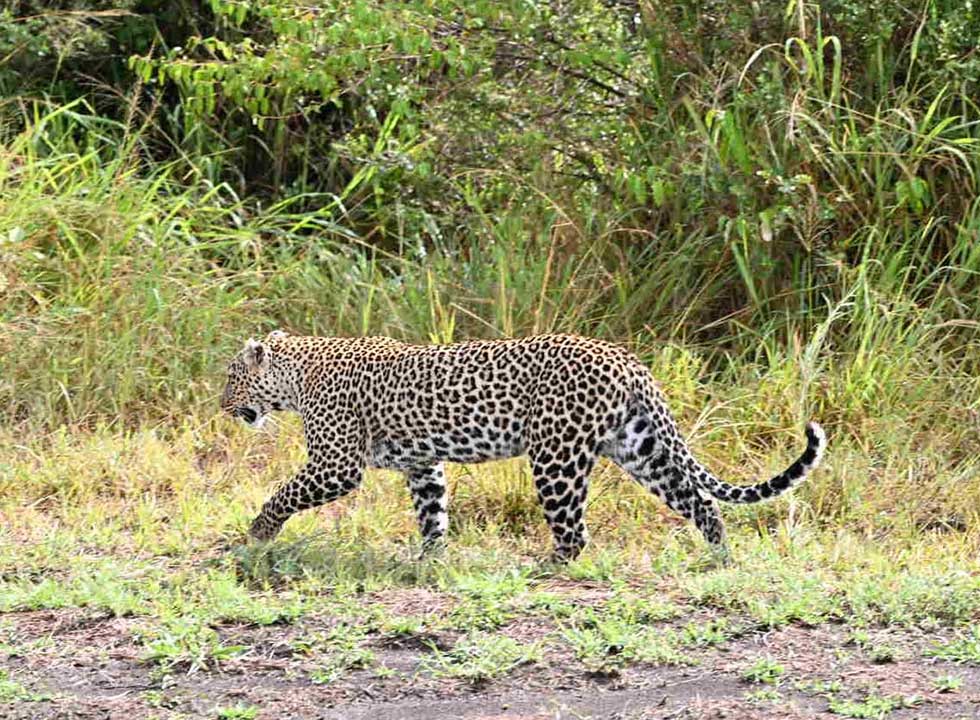

We saw four of the Big Five—majestic elephants, solitary leopards, watchful buffaloes, and sleepy lions. Only the rhino played hard to get this time. But nature had other surprises…
Wild Cat Jackpot: Serval & Caracal Sightings
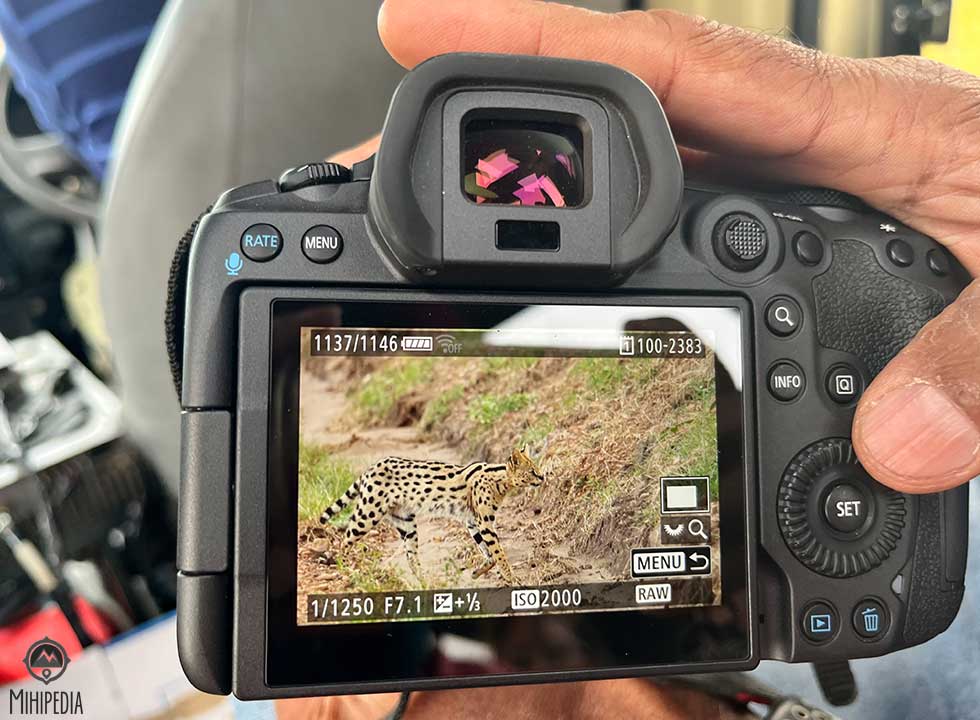
Sometimes, the bush blesses you with something rare. We hit the jackpot: a serval and a caracal—two of Africa’s most elusive cats—at close range!

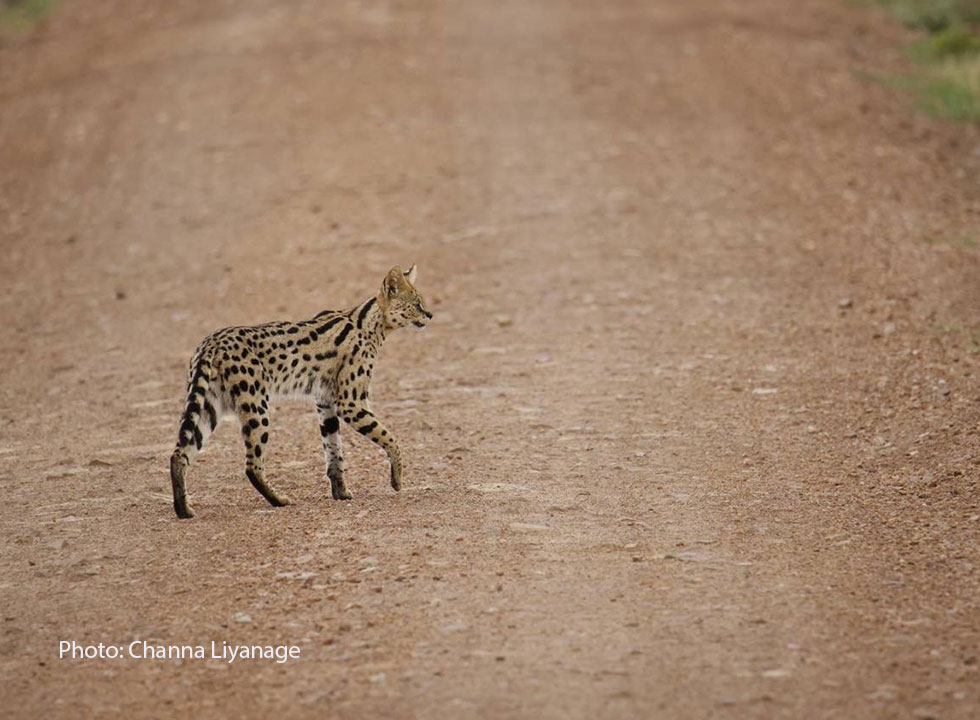
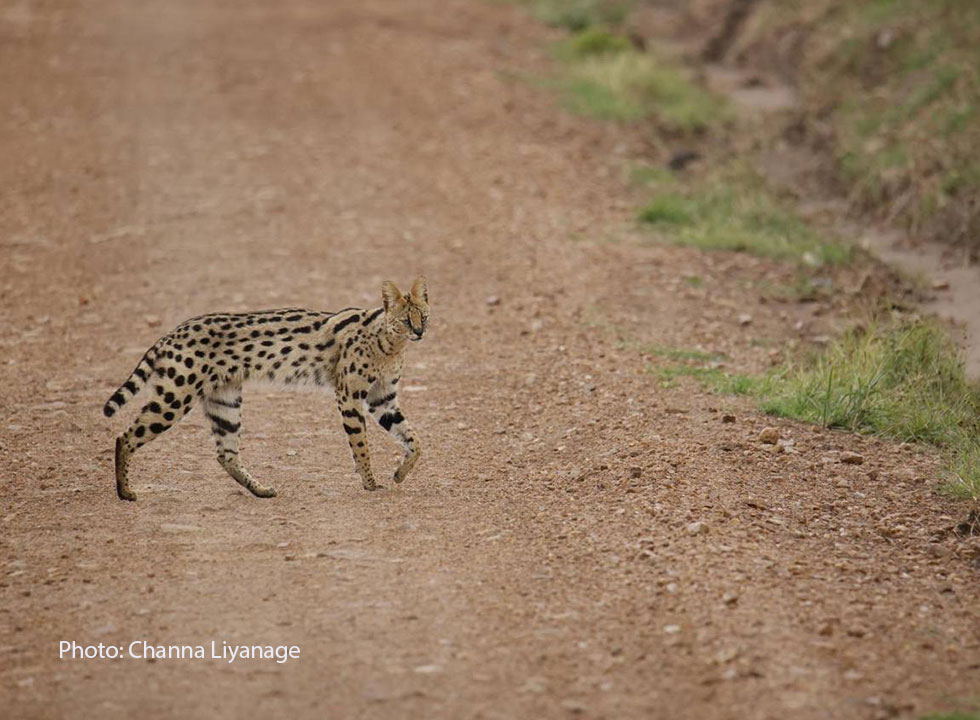
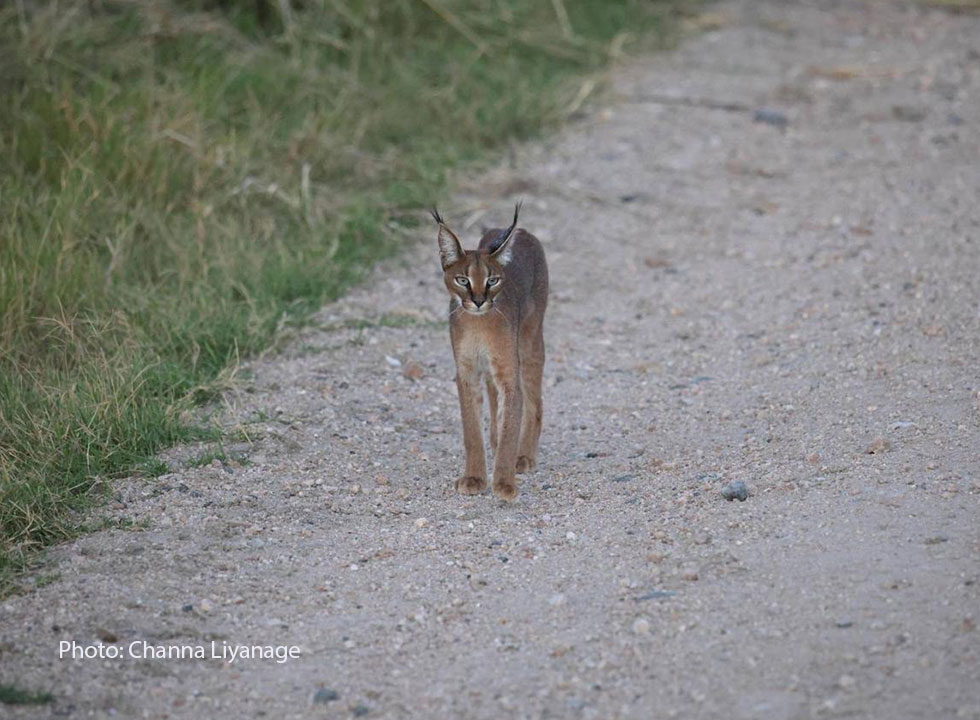

The serval, elegant and alert, with its oversized ears and sleek spots, prowled gracefully through the tall grass. Then, the caracal—fierce and elusive, its black-tufted ears twitching—walked past us, stared directly into my camera, before vanishing into the brush. I still can’t believe we saw both. Wildlife gold.
Cheetahs on the Hunt & Lion Prides at Rest
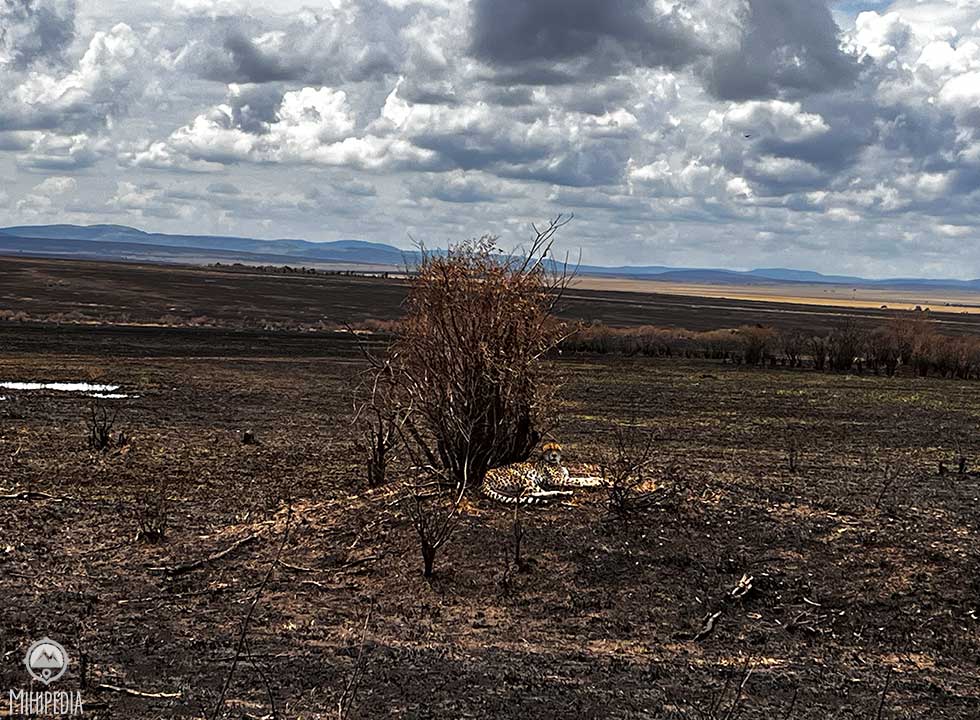
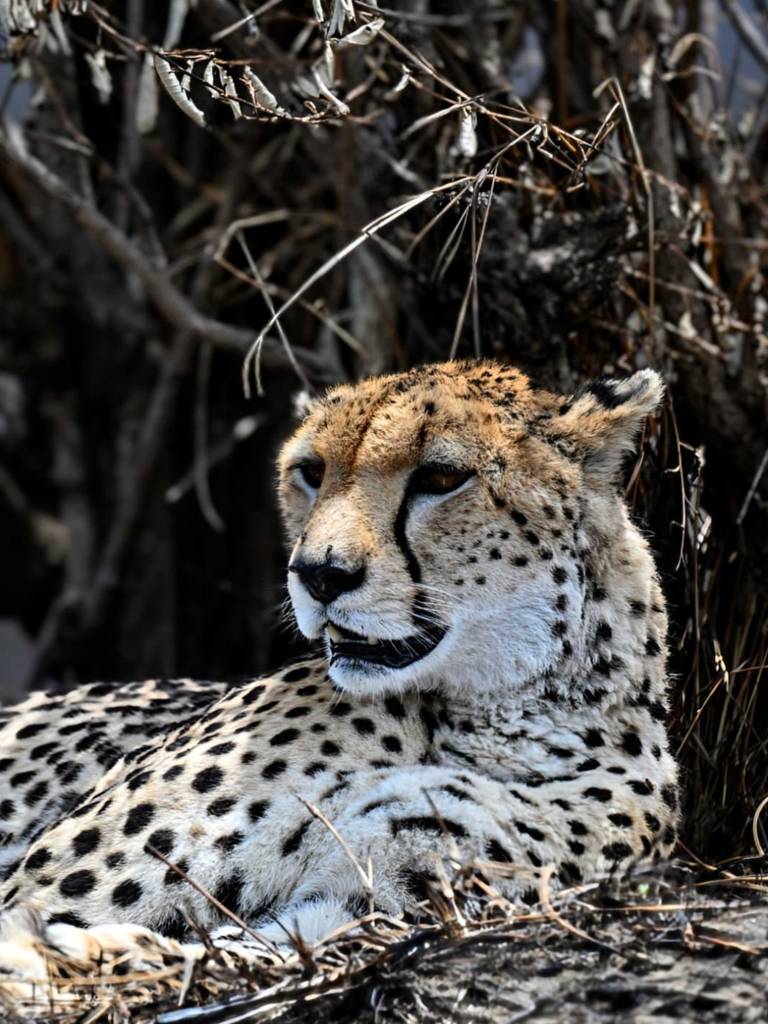
Though often solitary or seen in small family groups, cheetahs are a highlight for any safari-goer lucky enough to spot one in action. We spotted cheetahs scanning the plains from termite mounds, their lean frames ready to pounce. Another female with her three cubs were stalking some impalas but the frenzy of jeeps disturbed their attempt. Watching one injured left me wondering what its chances of survival are.
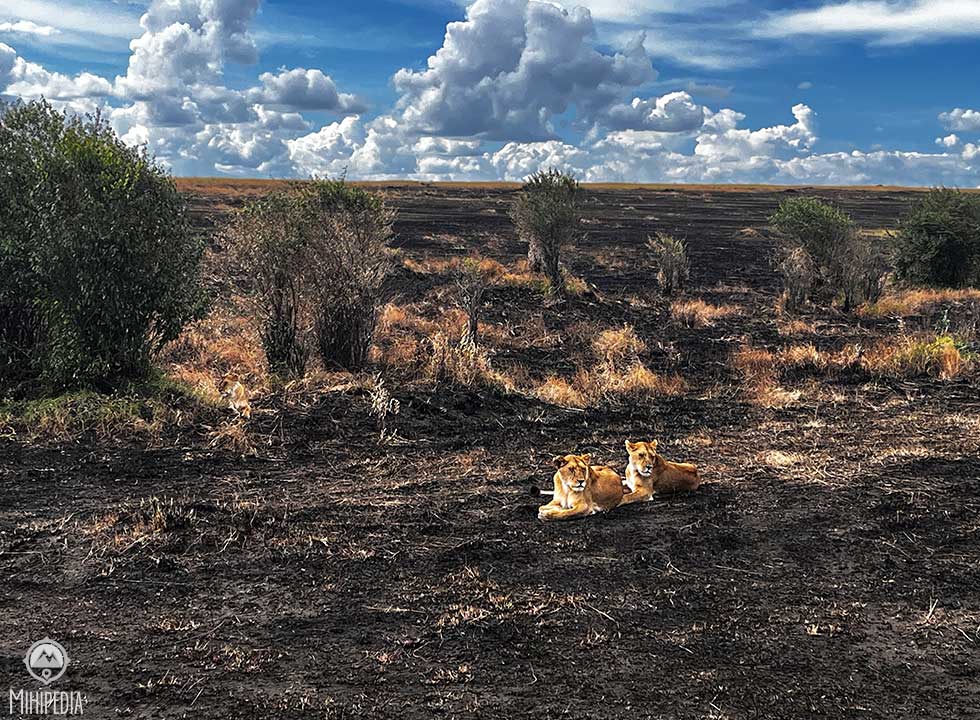
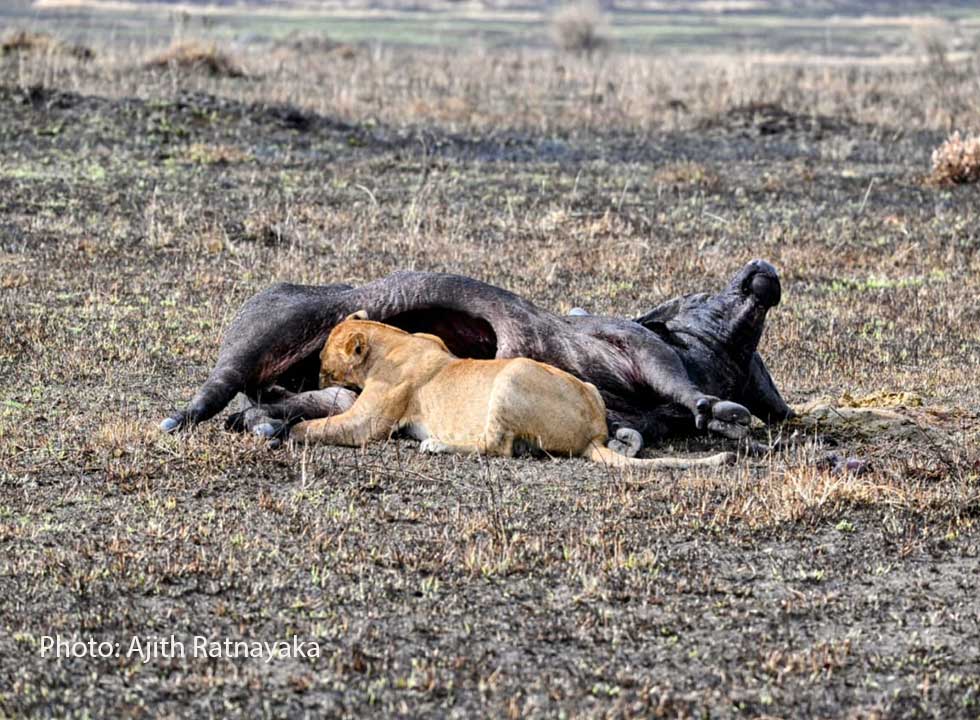

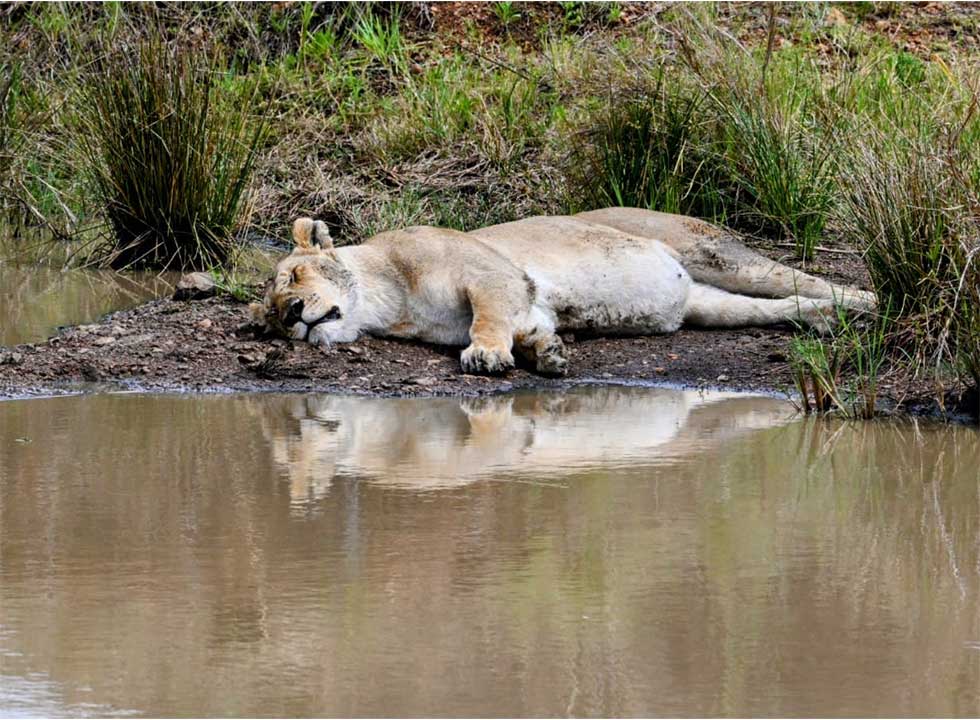
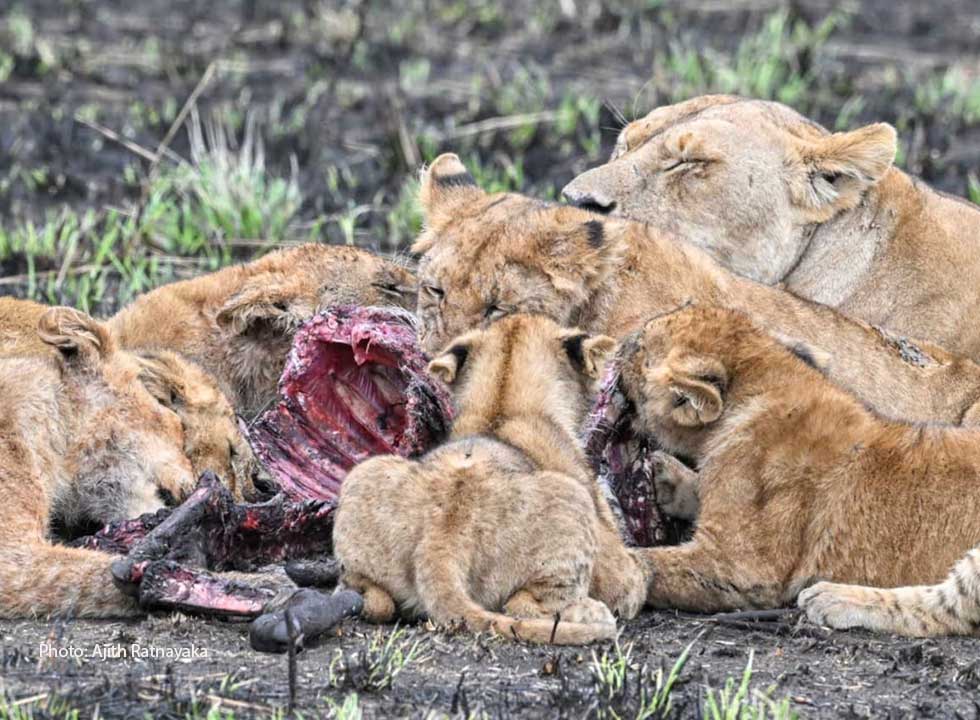
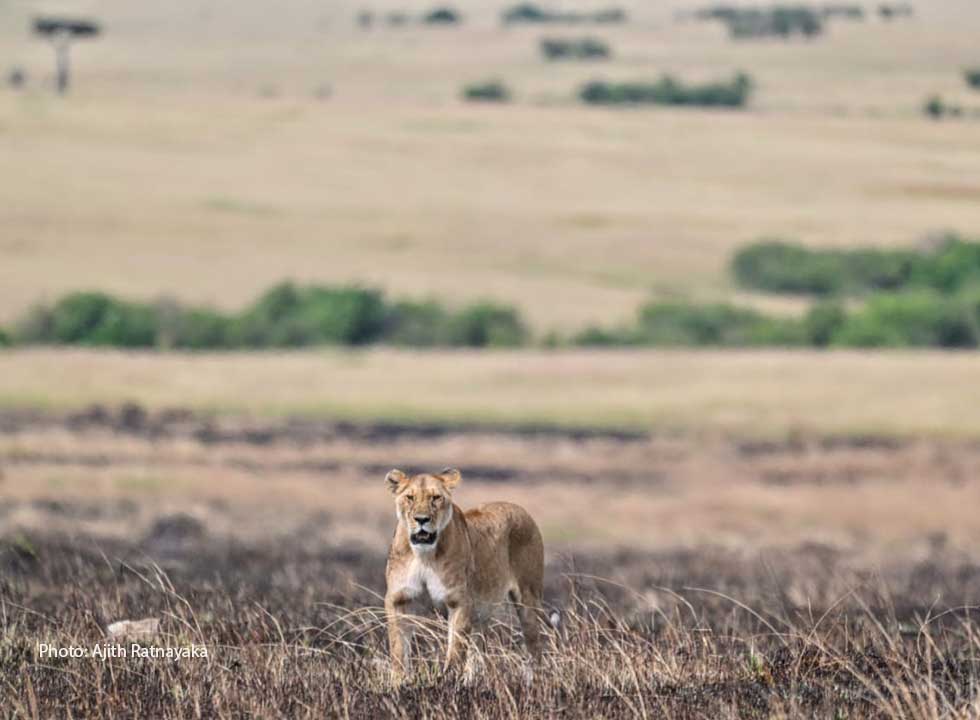
And then there were the lions. Majestic. Lethal. Proud. Lazy. We saw over 30 in total, some of them napping under trees, cubs tumbling over each other, lionesses working together in eerie silence to flank a herd of gazelles, keeping watch over their territory. The Mara gave us front-row seats to raw, untamed beauty.
Birdsong & Starscapes

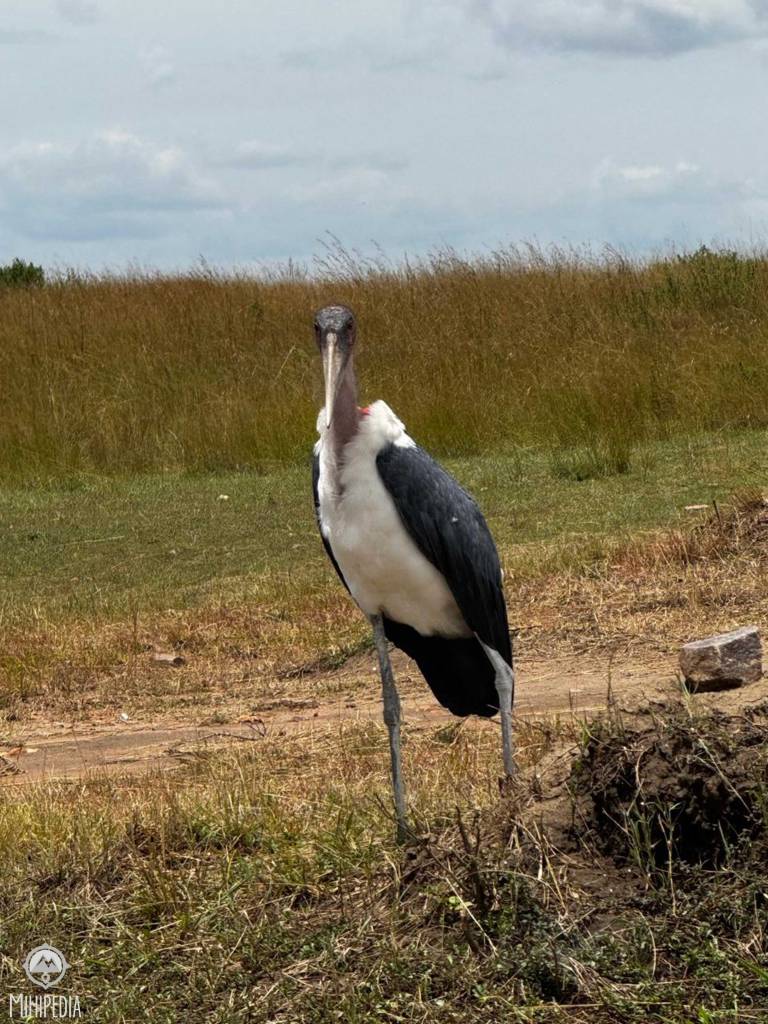
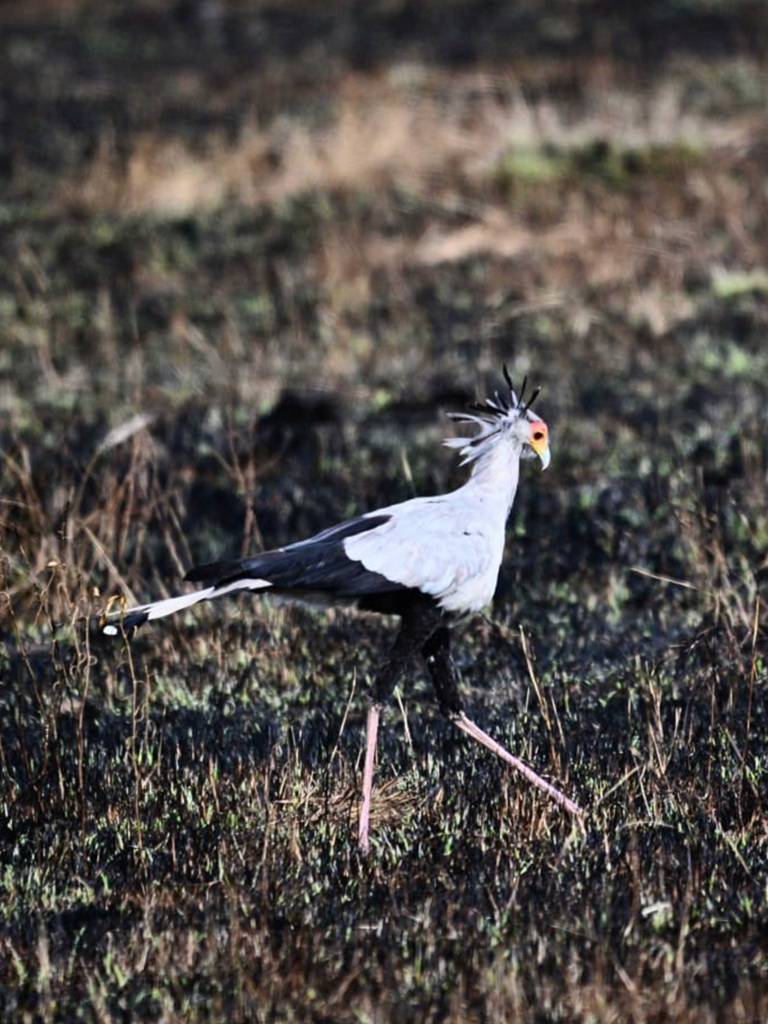
The Mara isn’t just about big mammals—it’s a paradise for bird lovers too. Over 470 species filled the air with movement and color. Lilac-breasted rollers, secretary birds, ostriches, eagles, and a dozen types of vultures soared overhead. Needless to say, Ajith was in heaven. My next blog will describe most of these birds in detail.

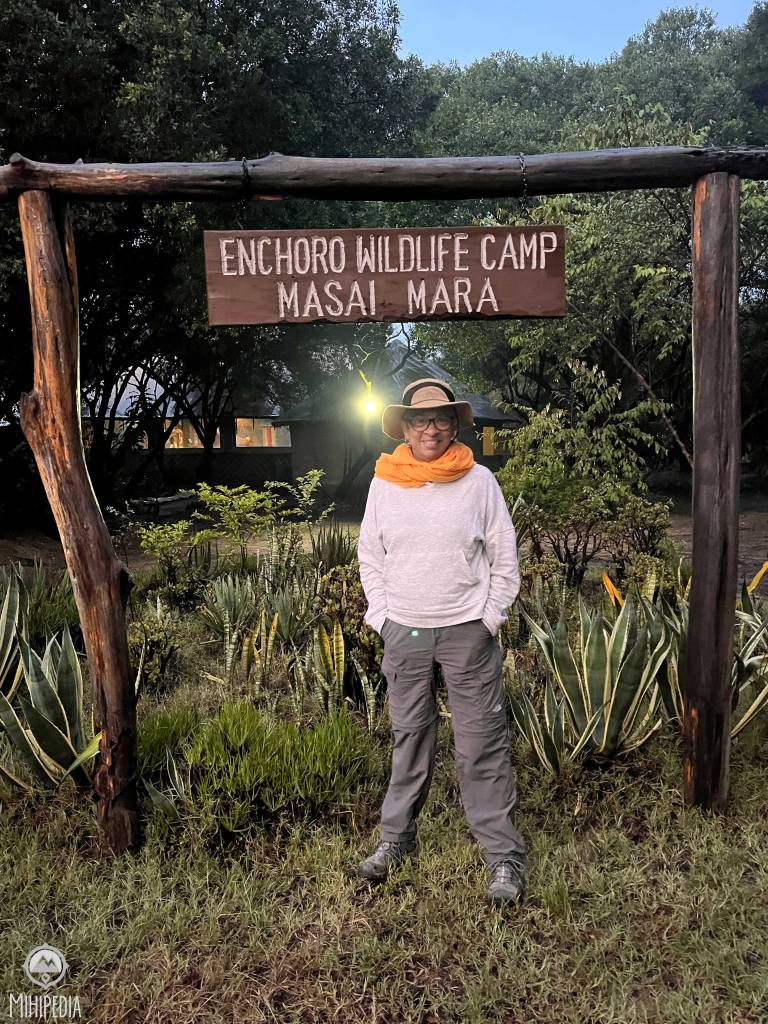
Mornings were cold, wrapped in layers, sipping coffee as mist floated over the grasslands. Evenings at Enchoro Wildlife Camp were pure magic—stories by the campfire, basic meals, and skies littered with stars. The occasional lion roar in the distance reminded us: we were deep in the wild.
Meeting the Maasai
What makes the Mara especially unique is its management by the local Maasai community, who play an active role in conservation efforts and sustainable tourism. Their deep cultural and historical ties to the land add an invaluable layer to the safari experience.
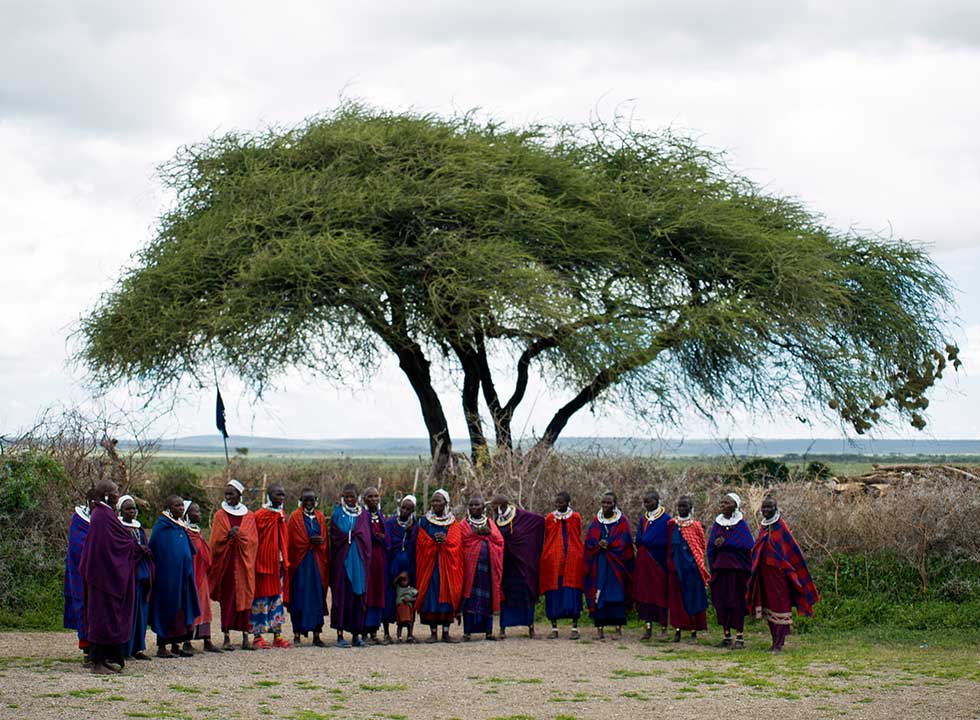
No visit to the Mara is complete without meeting the Maasai. Dressed in vibrant red shukas, they welcomed us into their lives with songs, dances, and stories. They spoke of coexistence with wildlife, of tradition and resilience. It was humbling—travel at its most human.
Until Next Time, Mara

Three days flew by in a blur of dust, laughter, and unforgettable moments. As we retraced our route through the Rift Valley en route to our next destination, my heart was full. Kenya may not have changed in fifteen years, but its magic? Stronger than ever.
Next stop: Lake Naivasha. But a piece of me stayed behind, forever roaming the plains of the Mara.


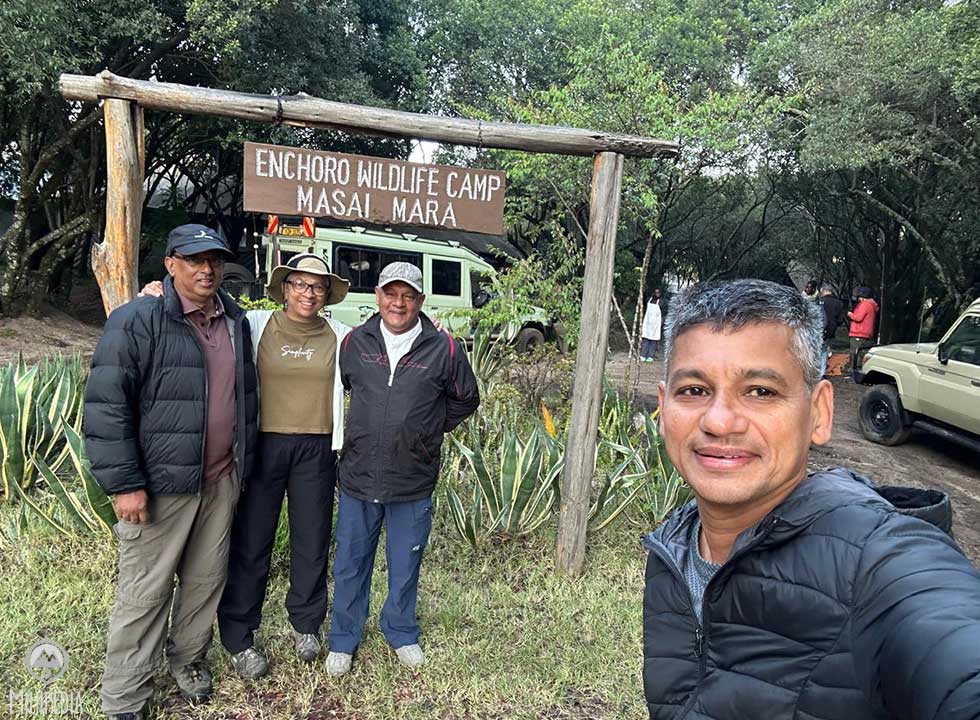



Want to come next time? Trust me—you don’t want to just hear about it. You want to live it. So get in touch via email (Mihiri33@gmail.com) or text (+94 777 354 051) for more details about my next tour to Africa.
🌿 Responsible Tourism in the Mara
Visiting the Maasai Mara isn’t just about witnessing nature at its rawest—it’s also a chance to travel with purpose.
- Support Local Communities: Choose lodges or camps that are community-owned or actively contribute to local schools, clinics, or employment opportunities for the Maasai people.
- Respect Wildlife Boundaries: Stay in the vehicle during game drives, avoid loud noises, and never pressure your guide to get closer than is safe or ethical.
- Go Plastic-Free: Bring a reusable water bottle and say no to single-use plastics. Many eco-lodges are leading the way in waste reduction.
- Cultural Sensitivity: When visiting a Maasai village, ask permission before taking photos, be open to learning, and purchase crafts or goods directly from artisans.
- Leave No Trace: Take everything you brought with you, and don’t leave any litter behind.
 Mihipedia.lk
Thank you Mihiri as always an excellent write up missing nothing,It was indeed a wonderful experience and with great company.
LikeLike
Thanks Tarique. It was indeed a wonderful experience. Here’s to many more!
LikeLike
nicely written. bring back the memories.
LikeLike
Thank you! I’m glad you had the chance to relive this magical experience. Do share more of your stories.
LikeLike
Great blog. We are planning to go in July and excited to see the big 5. I know Ajith. His brother, Dumindra and was classmates and batch mates and really good friends.
You’ll lived down Pirivena road? I think Gihan Neangoda is your cousin.
LikeLike
Thanks Kanishka. Yes, that’s who I am. I do hope we have met before. Also you will have an awesome time spotting these amazing creatures. And the continent is a blessing. Do share your experience with me please. Enjoy!
LikeLike