
Some mornings carry the weight of destiny—this is one of them. Having checked in last night, I’ve slept well, my body rested, my mind clear. I’m ready to step into the experience I’ve been dreaming about for years.
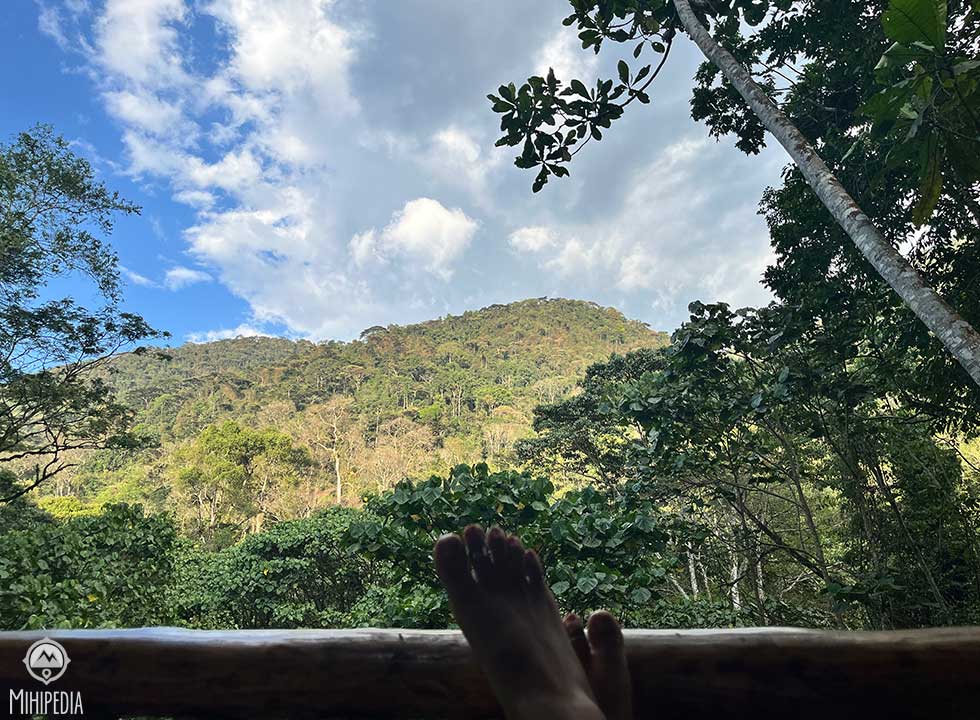
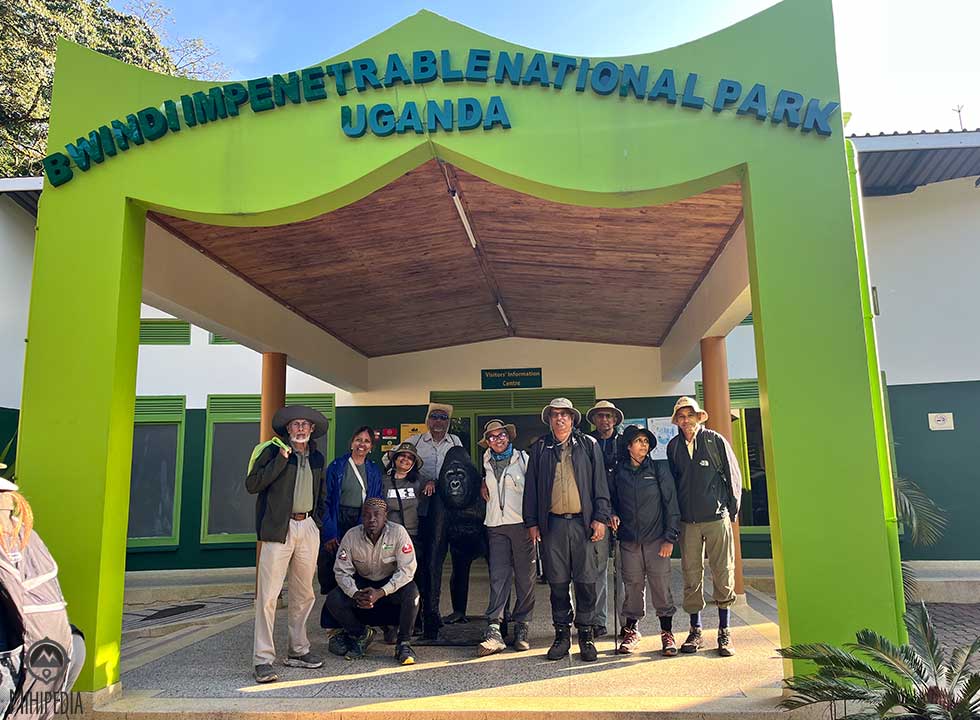
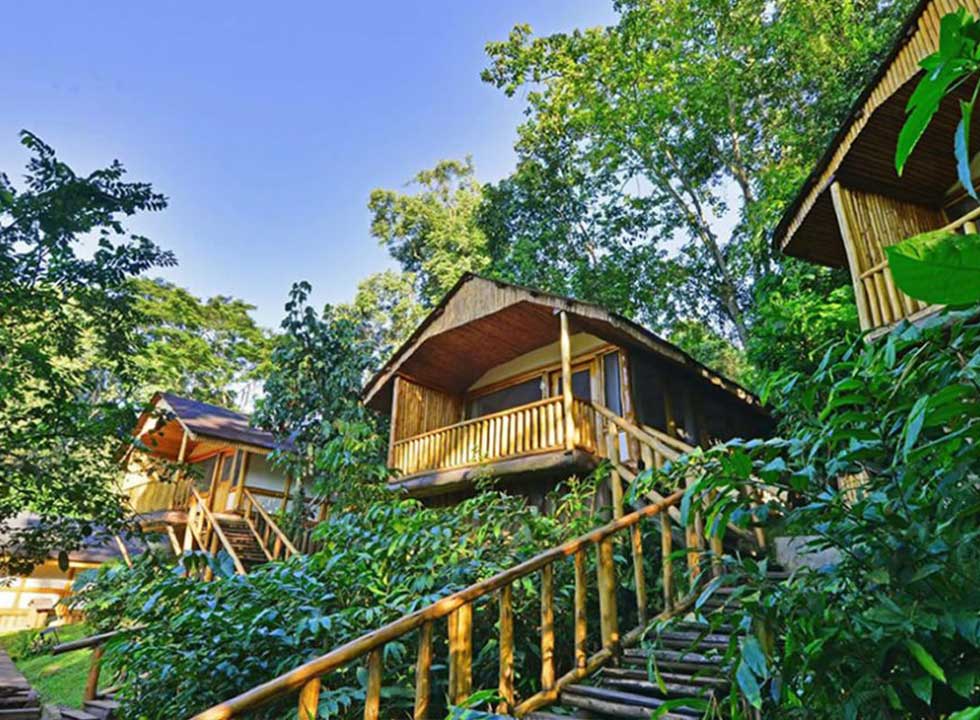
At Buhoma Community Rest Camp, the mist clung low over the trees after a night of heavy monsoon rain, and the air was thick with anticipation. After a quick breakfast, we gathered at the Bwindi Impenetrable National Park Visitor Centre for a briefing and orientation.
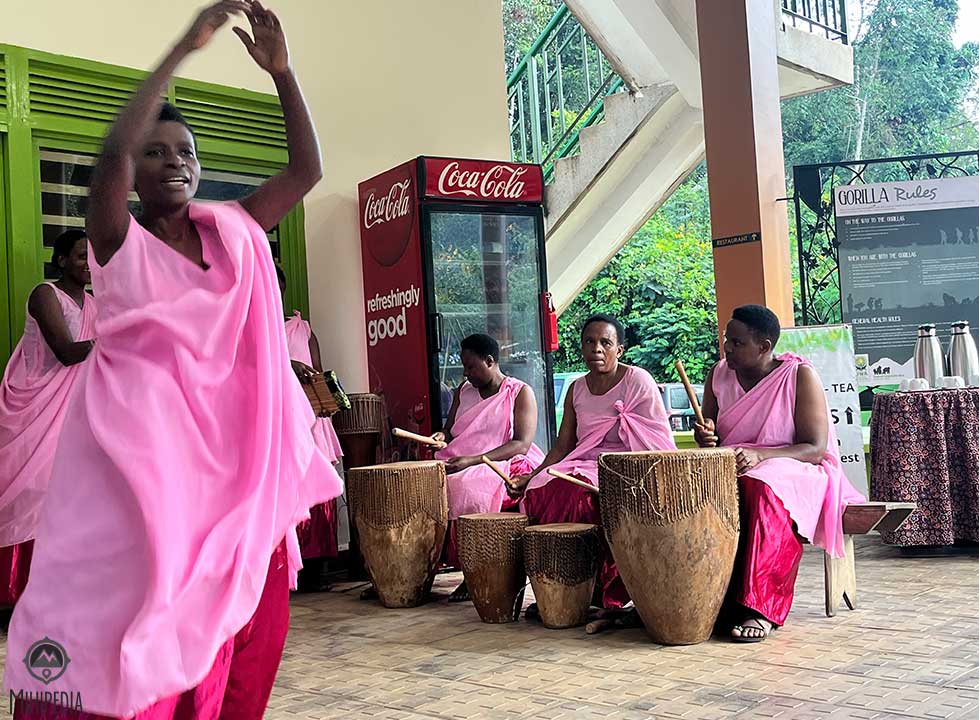
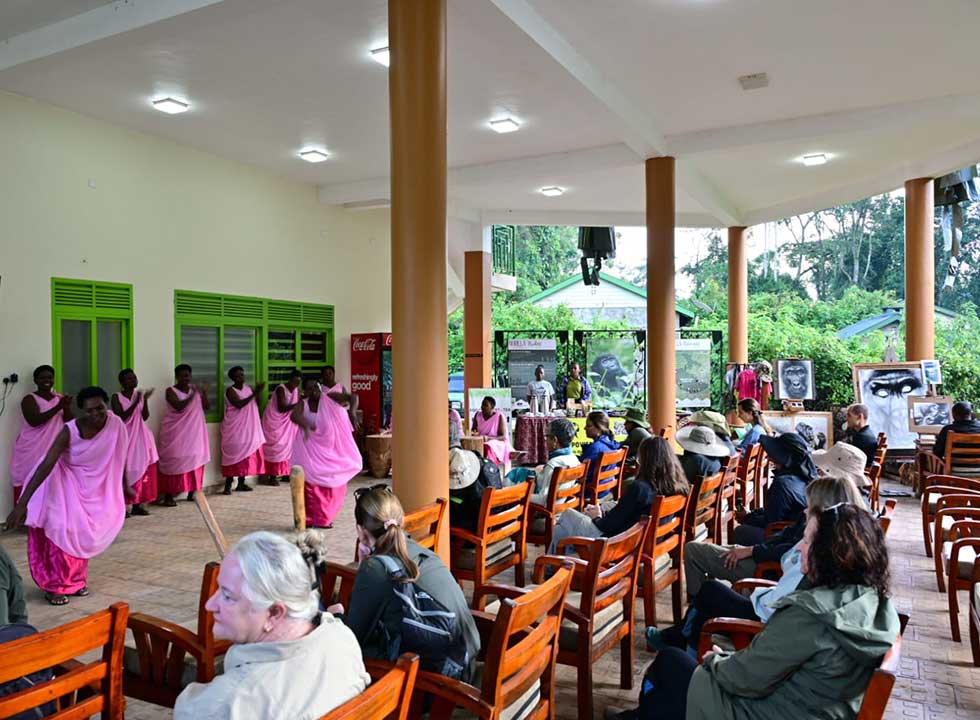
As if to welcome us into their world, the local community treated us to a spirited traditional dance performance – rhythmic drums, colourful costumes, and vibrant moves that pulsed with the soul of Uganda.


But the real dance was yet to begin – deep in the forest, with the Binyindo gorilla troop. Among the 20 habituated gorilla families in Bwindi Impenetrable National Park, we were randomly assigned to the Binyindo family—a relatively new troop located in the lush Rushaga sector.

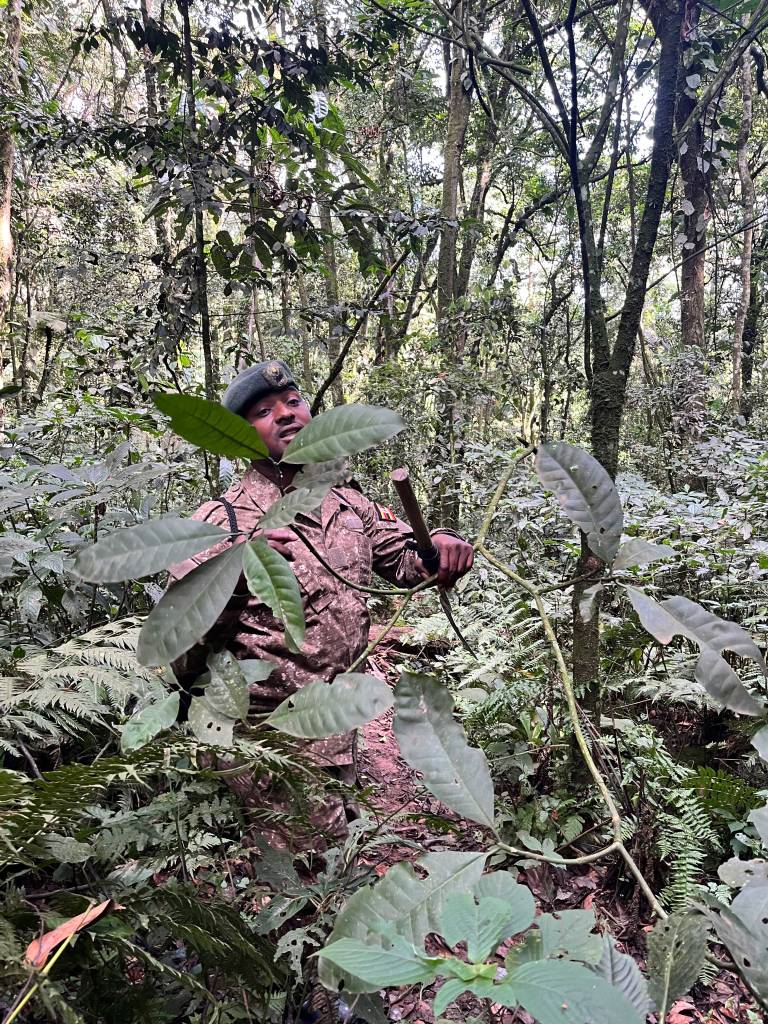
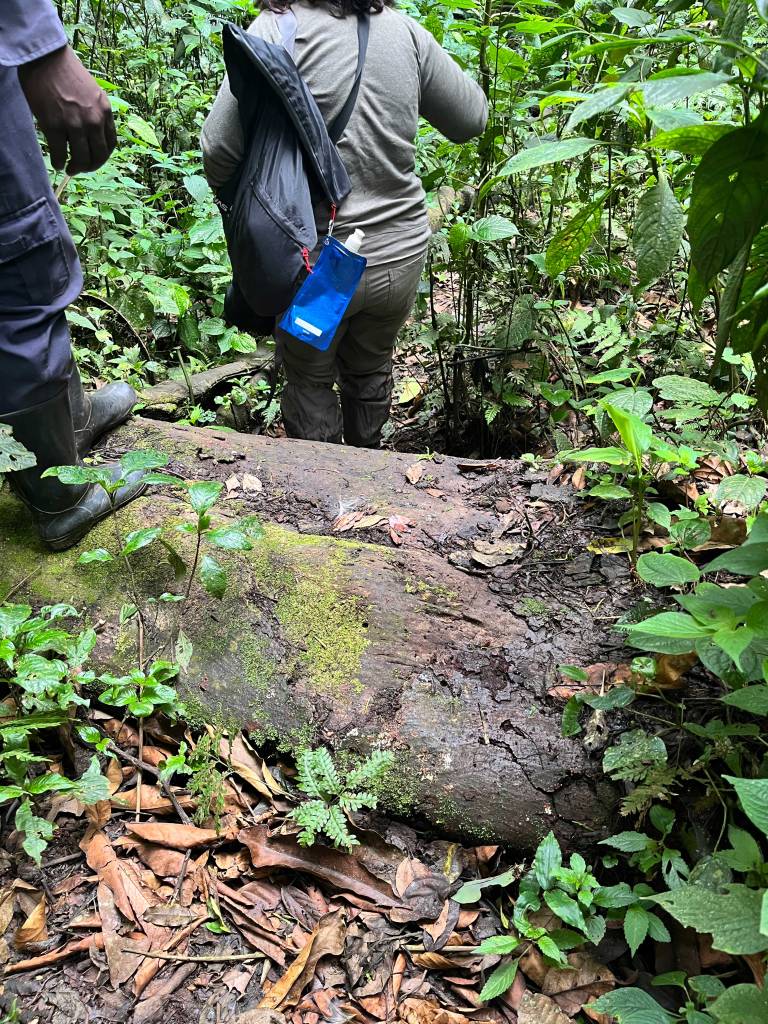
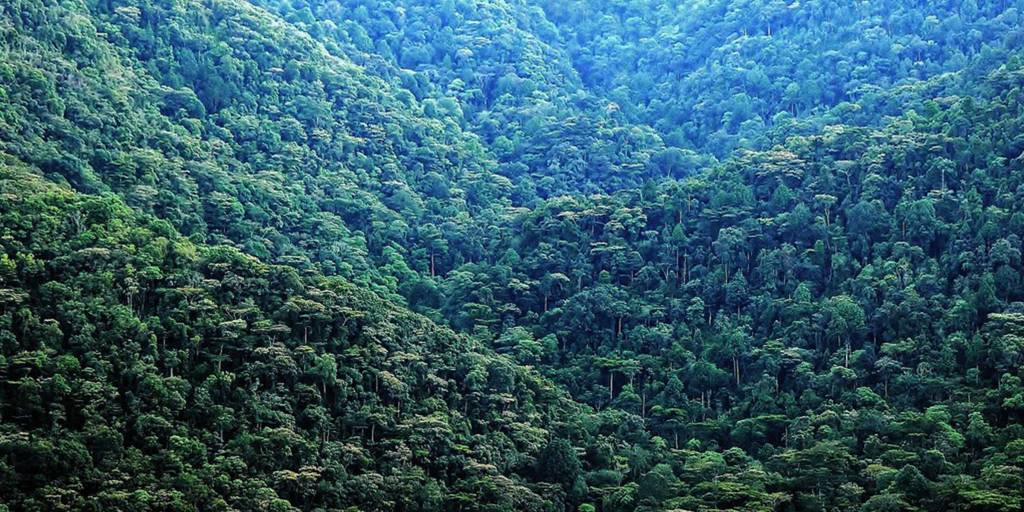
We drove for just under an hour, winding through sleepy villages and dramatic hillsides until we reached the trailhead. Our guide, a quiet man with a sharp machete and sharper instincts, led the way. The Bwindi Impenetrable Forest isn’t named lightly – it’s dense, tangled, and gloriously alive. Vines wrapped around ancient trees, birds flitted like shadows, and the air was rich with the scent of wet earth and wild things.
The trek itself was a challenge. The trail? Often non-existent. The terrain? Thick, muddy, and unrelenting. And the insects? Persistent and insatiable. We swatted and slapped, cursed quietly and pushed forward – because we knew what awaited. I had braced myself for a long, punishing hike through this wild forest, and honestly, I was looking forward to it. So when we spotted our troop in under an hour, I was thrilled… but also a little disappointed. I wasn’t quite ready for it to end.
Suddenly, the guide stopped. A whisper: “They’re here.”
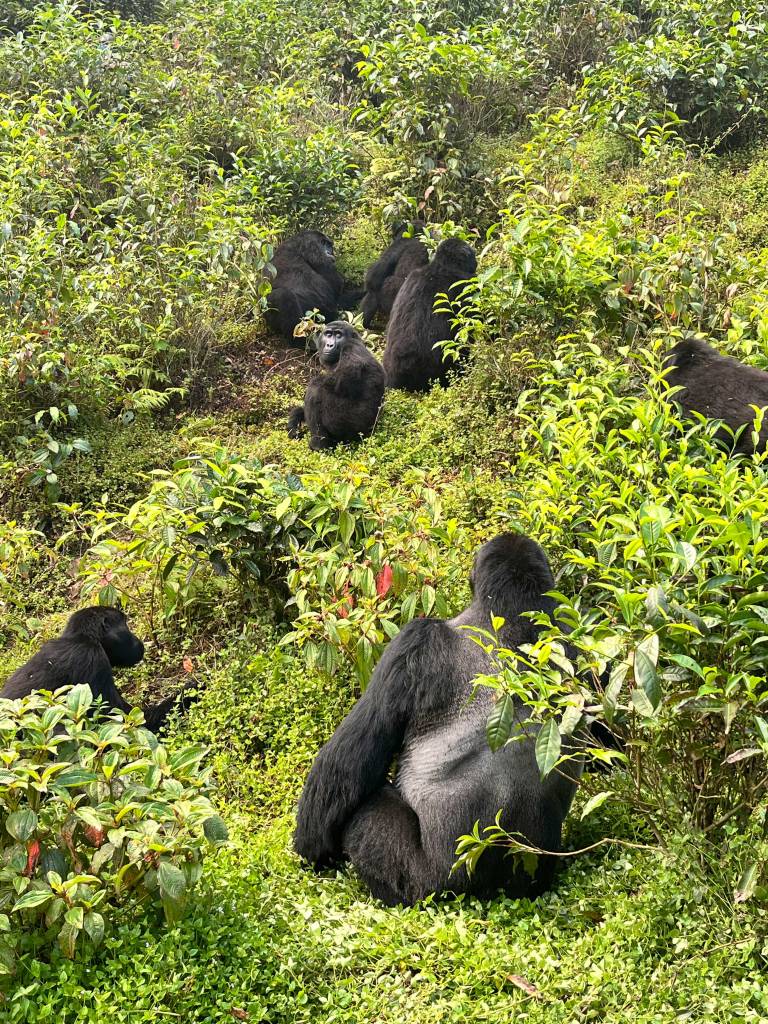
My heart thumped. We dropped our bags and crept through the undergrowth and into a tea field at the edge of the forest. And then — there they were.
The Binyindo troop comprises one dominant silverback, two adult females, and four juveniles. Leading the group is Kavuyo, a mature silverback known for his composed and authoritative presence. Unlike more aggressive leaders, Kavuyo commands respect through calm confidence rather than force. His steady demeanor sets the tone for the group’s interactions. The troop inhabits the more remote regions of the forest, far from frequent human contact. Observing them in their natural habitat, under Kavuyo’s watchful leadership, offered a rare and intimate look into a world few are privileged to witness.

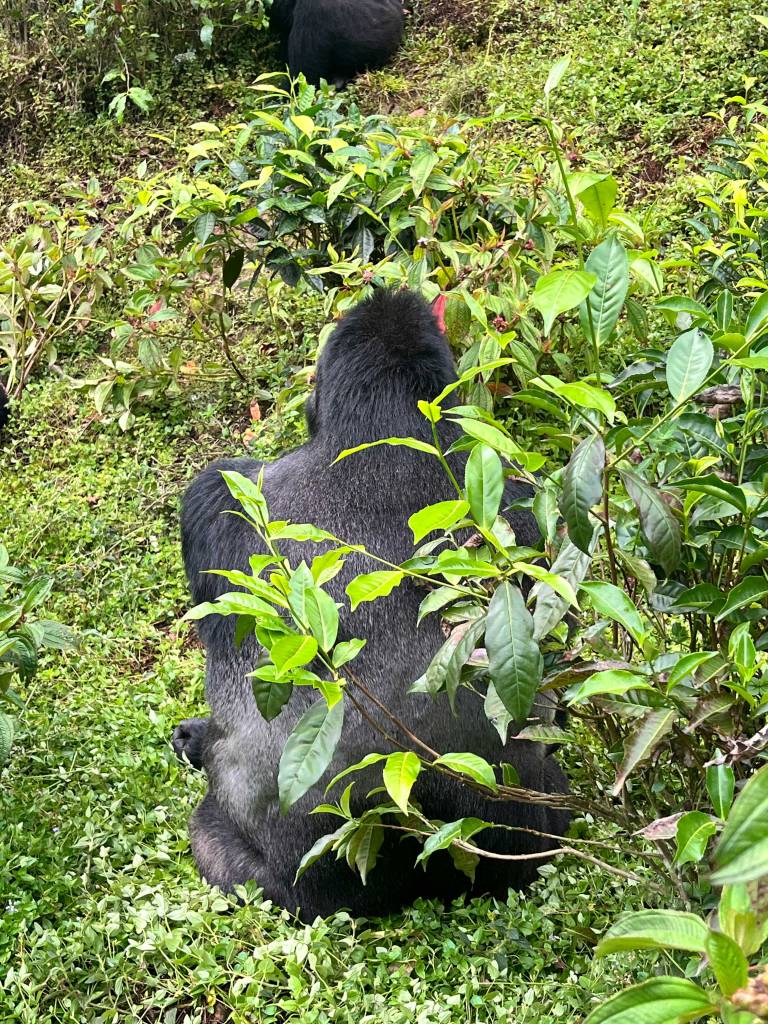
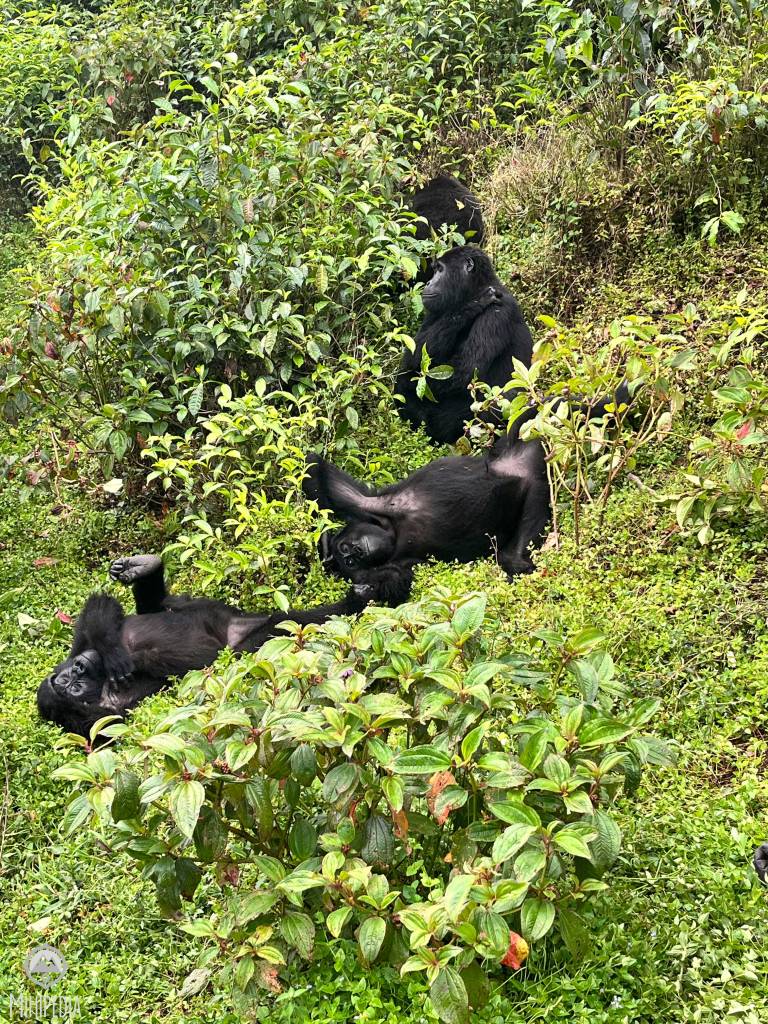
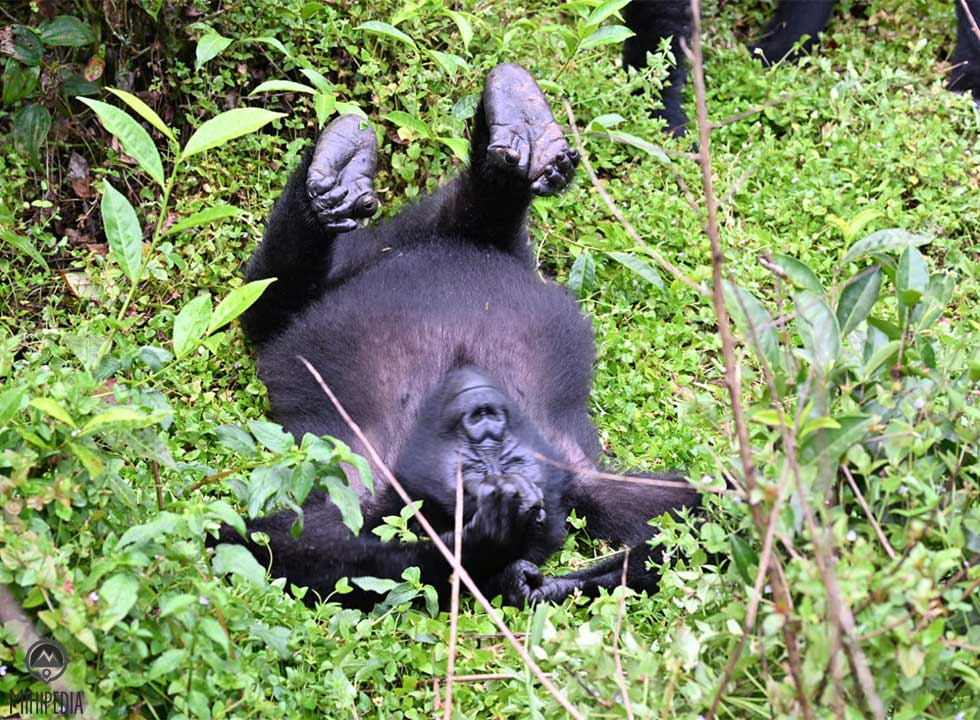

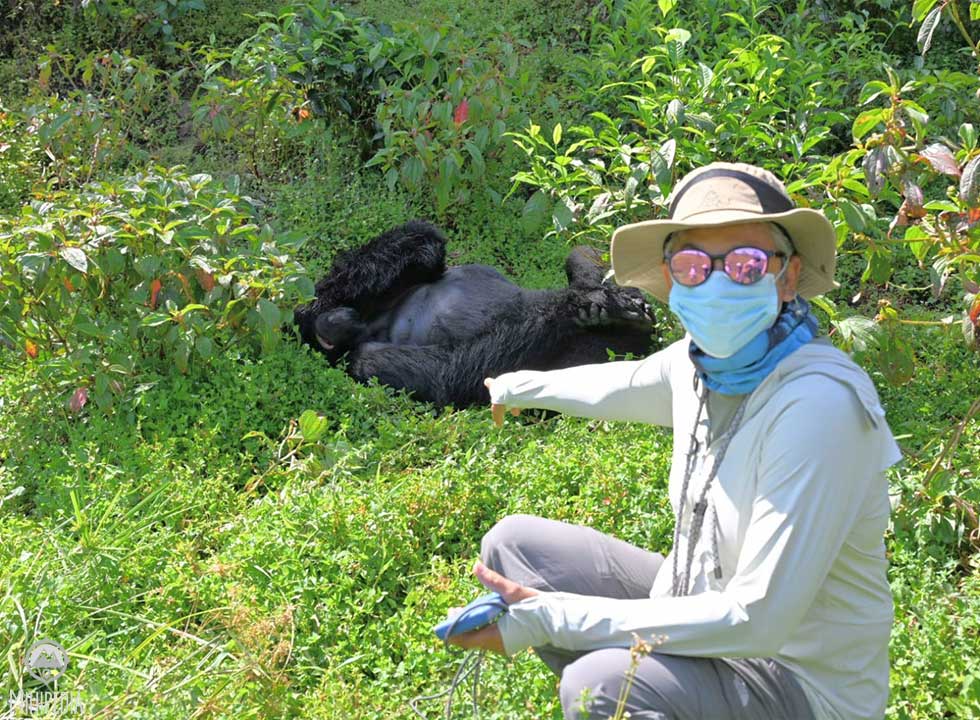
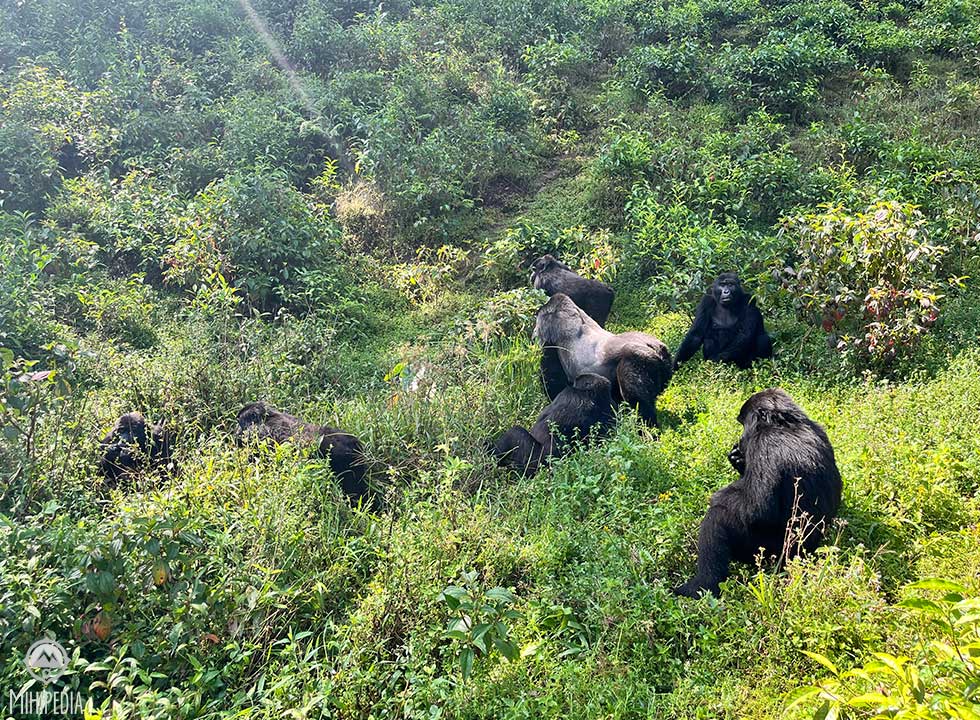

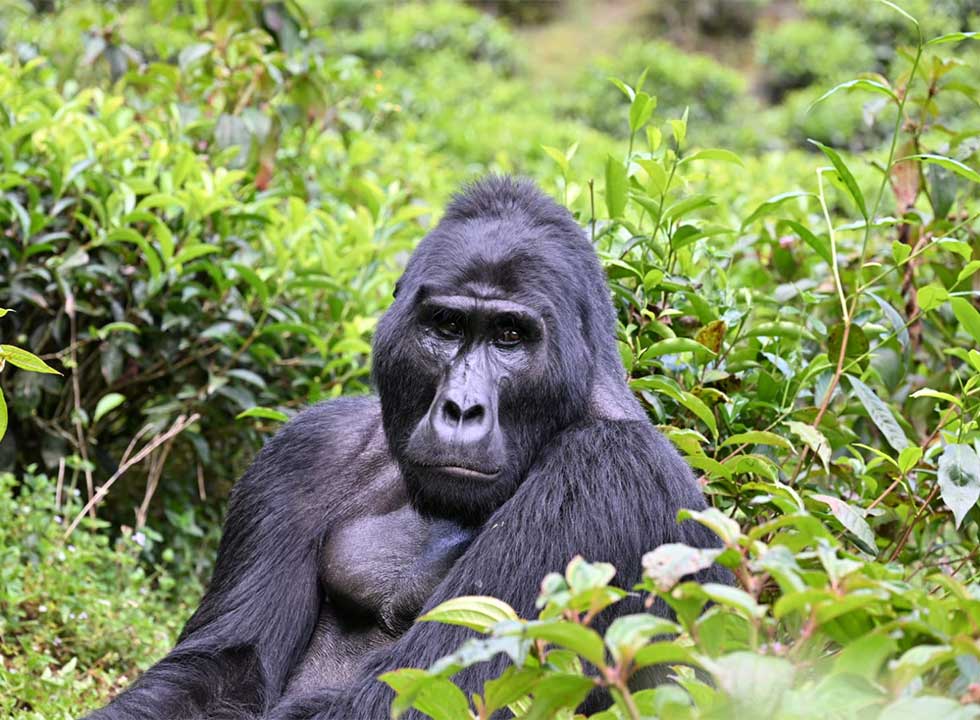
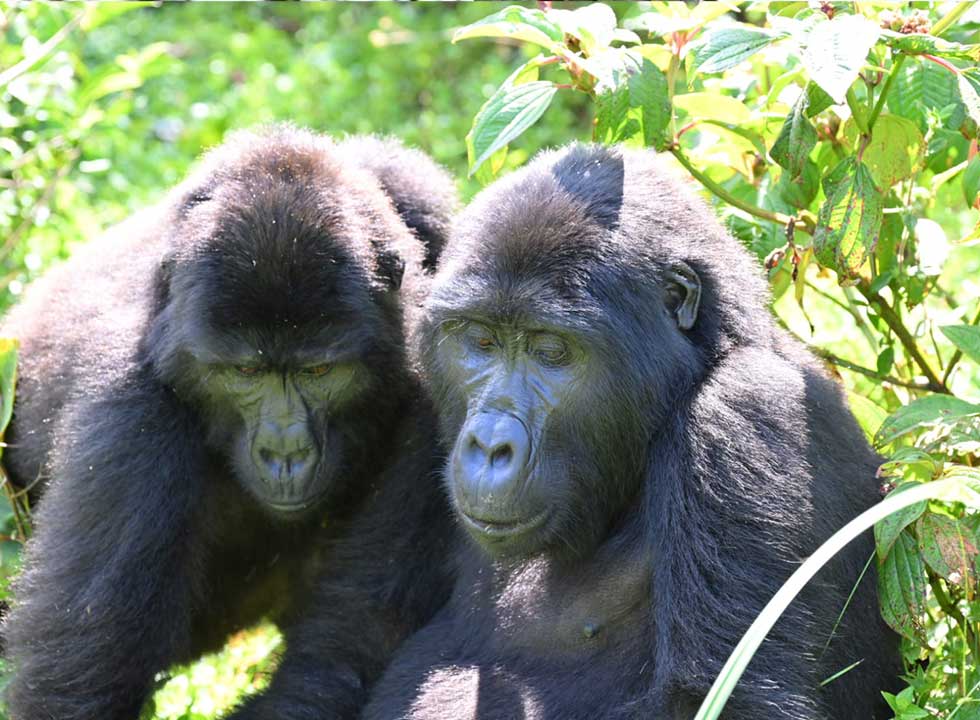

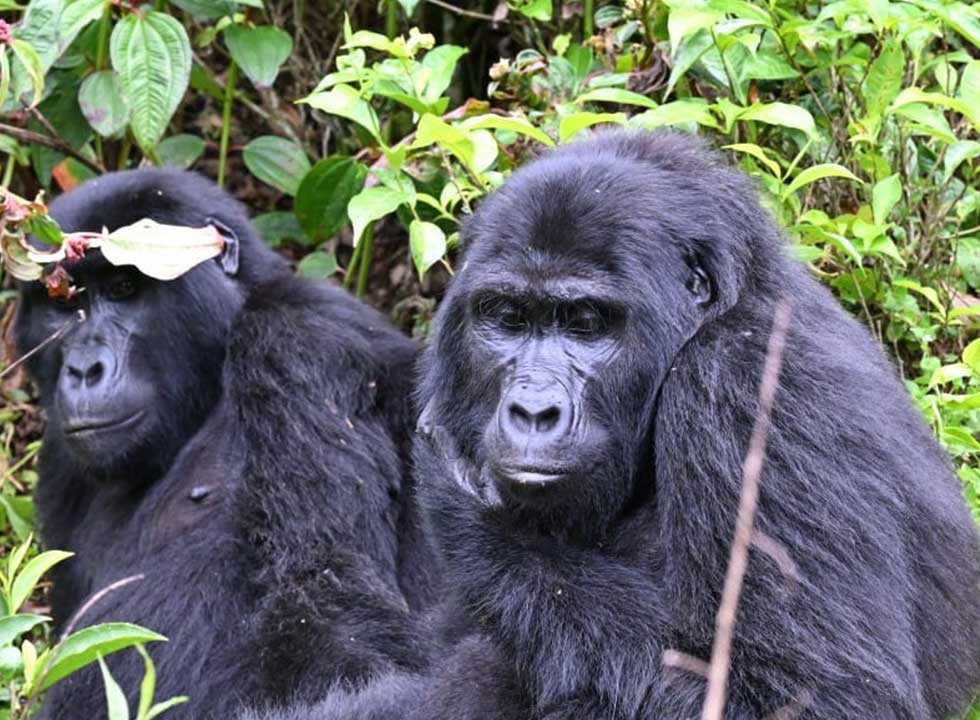
It’s almost impossible to put into words what it feels like to lock eyes with a mountain gorilla at such close range—close enough to reach out and touch them, though of course, I never would. In that gaze, there is unmistakable intelligence, emotion, even a flicker of humor. One young gorilla beat his chest in playful defiance, while another rolled lazily in the leaves, utterly indifferent to our presence. The mothers sat serenely, keeping a watchful eye on their energetic little ones. At one point, a female quietly nestled beside the dominant male, who responded with a gentle caress—an act so tender, so profoundly human, it really touched my soul. These were not just animals in the wild; these were sentient beings expressing connection, affection, and peace.
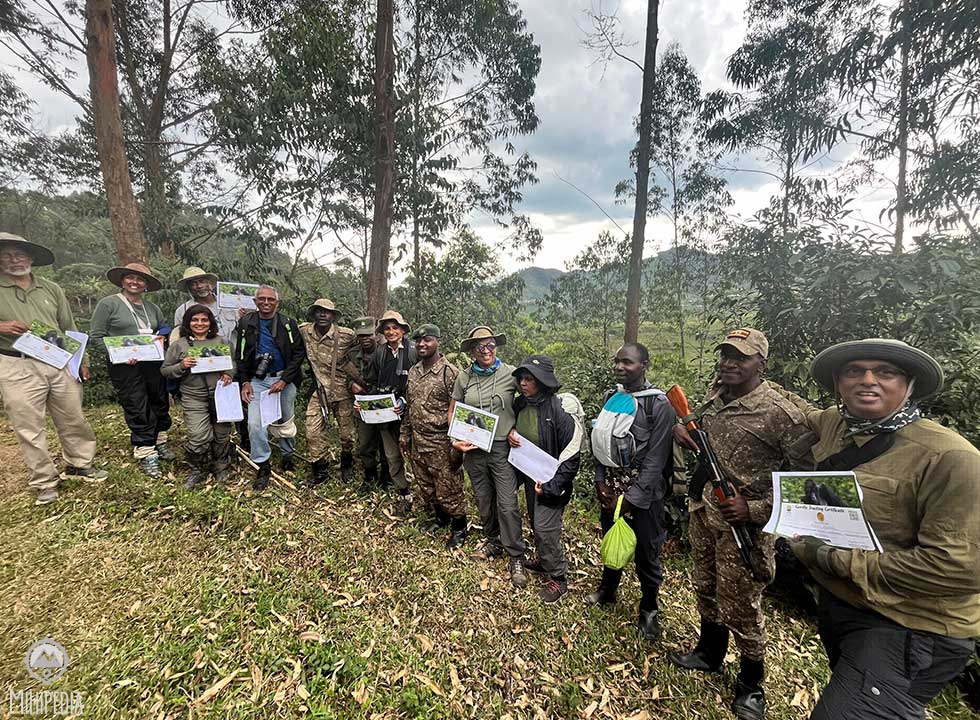
We didn’t speak. We simply watched, breathed, and absorbed the weight of the moment. For one full, unforgettable hour (that’s how long we are allowed to stay with the gorillas), we were silent guests in their world.
At all times, armed rangers accompany both the gorillas and the tourists, a silent but crucial presence to deter poachers and ensure the safety of these endangered primates. And yet, despite the guards, the trekking group, and our breathless awe, the gorillas barely seemed to notice us. Years of gentle habituation have allowed them to accept human presence without distress. They lounged, played, and foraged as though we were nothing more than passing shadows in the undergrowth.
In experiencing such an intimate moment, it’s vital to remember the importance of responsible tourism—by supporting conservation efforts and following guidelines, we ensure these majestic creatures continue to thrive for generations to come.
Leaving was bittersweet. As we climbed back up the trail, scratched and sweaty and awestruck, it felt like leaving behind an ancient secret. We had glimpsed something sacred. Something few ever do.
Back in the vehicle, we headed north, the dust swirling behind us as the highlands gave way to vast open plains. Our next destination: Queen Elizabeth National Park.
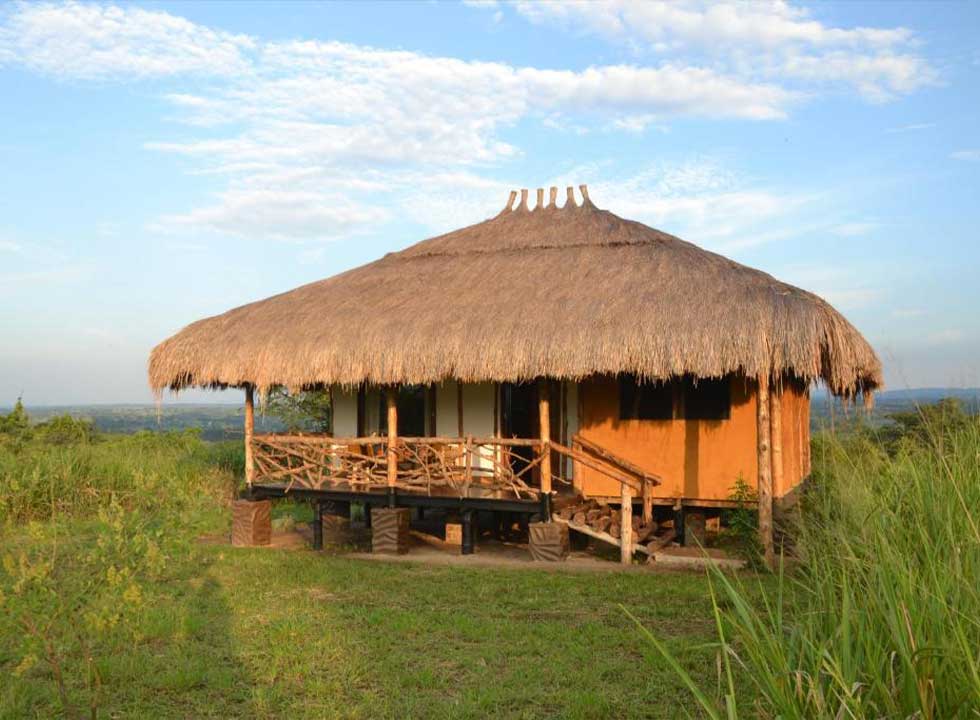
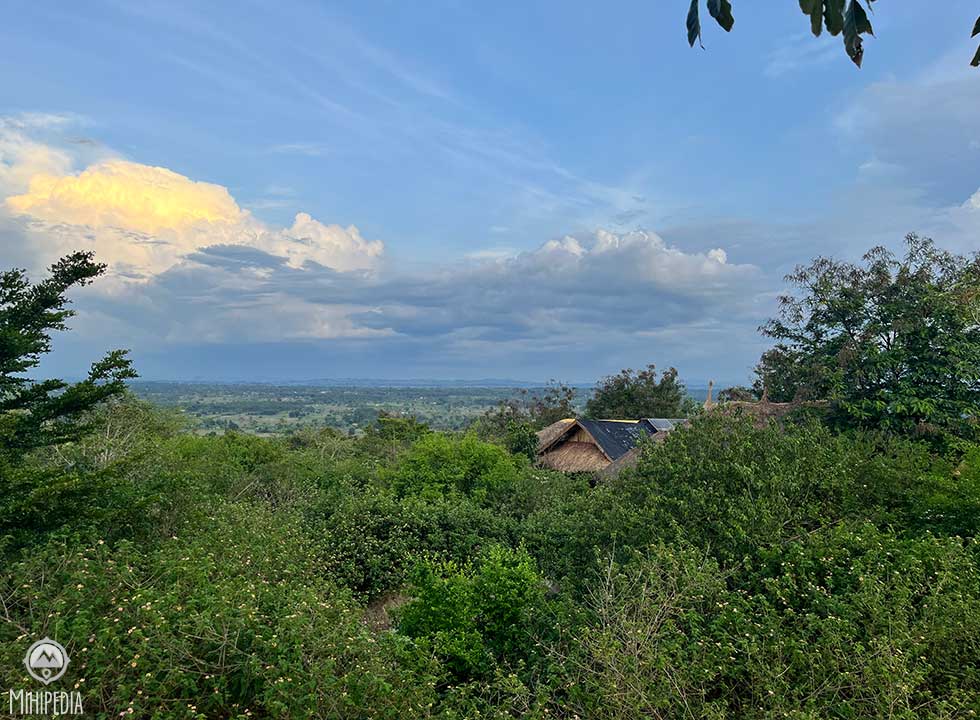
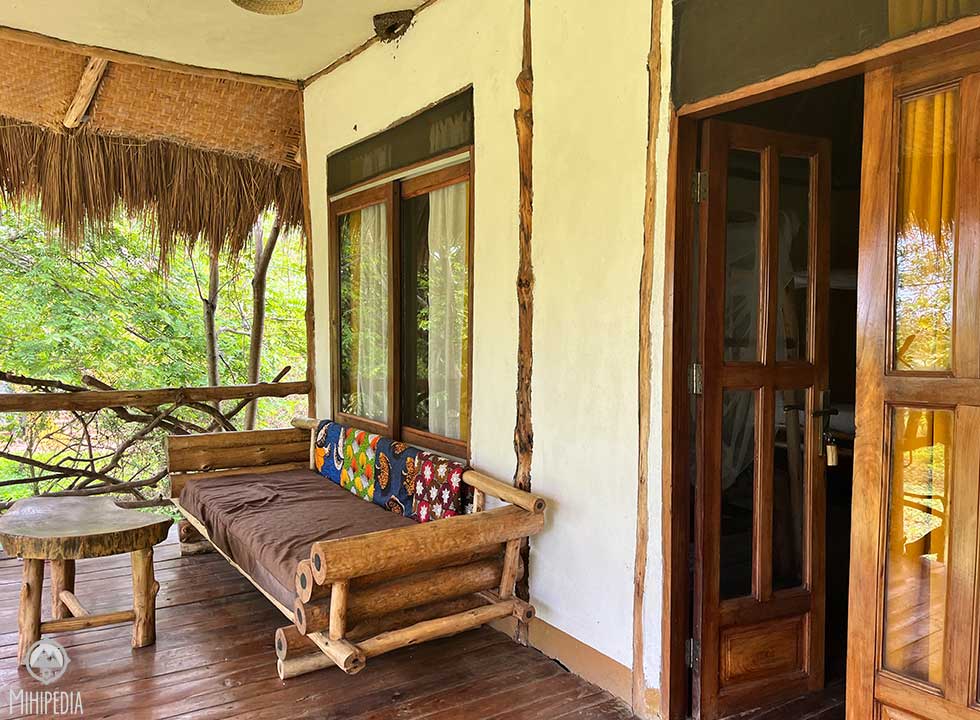

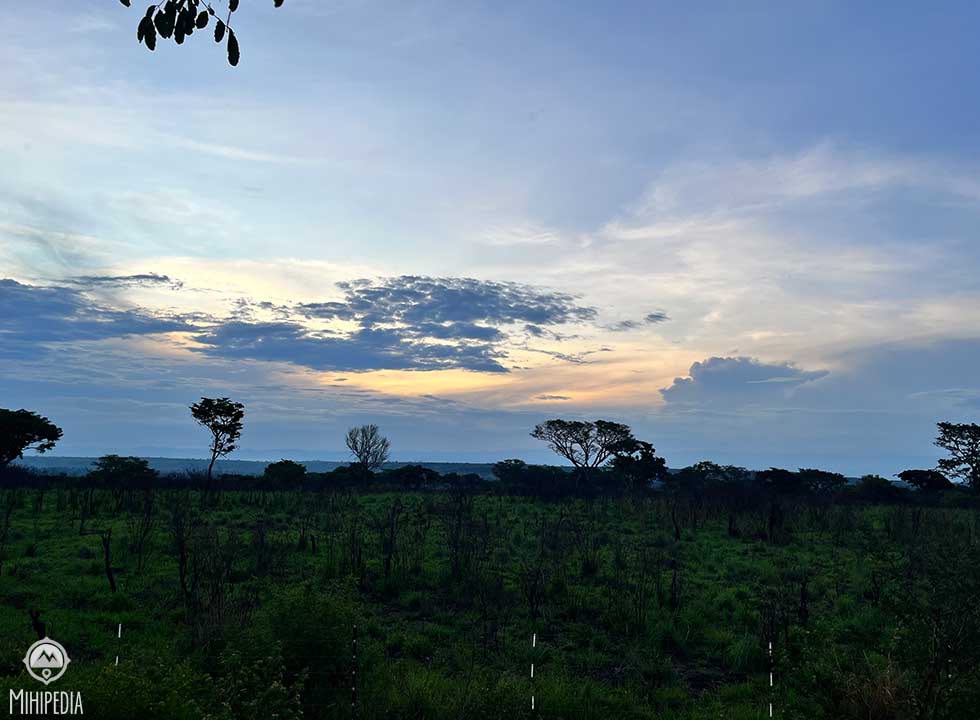
About 4.5 hrs later (148kms), we roll into Topi Lodge in Ishasha by late afternoon, and I can’t help but admire the view from our perch—overlooking the vast expanse of the park, with elephants grazing up close and personal. The lodge strikes the perfect balance of rustic charm and comfort, and the sunsets? Absolutely unforgettable.
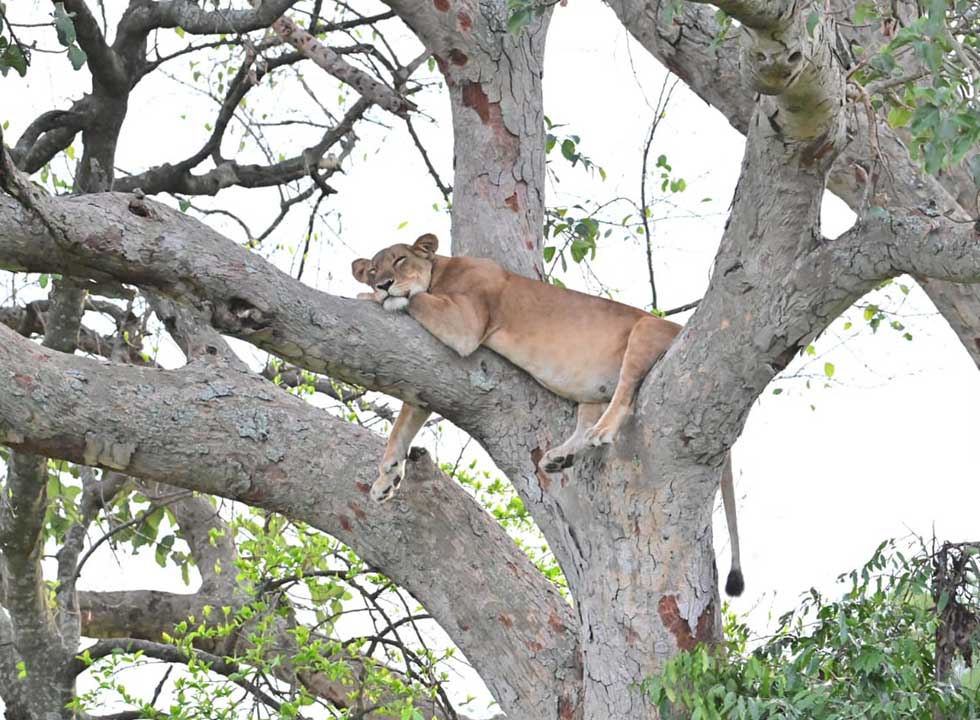
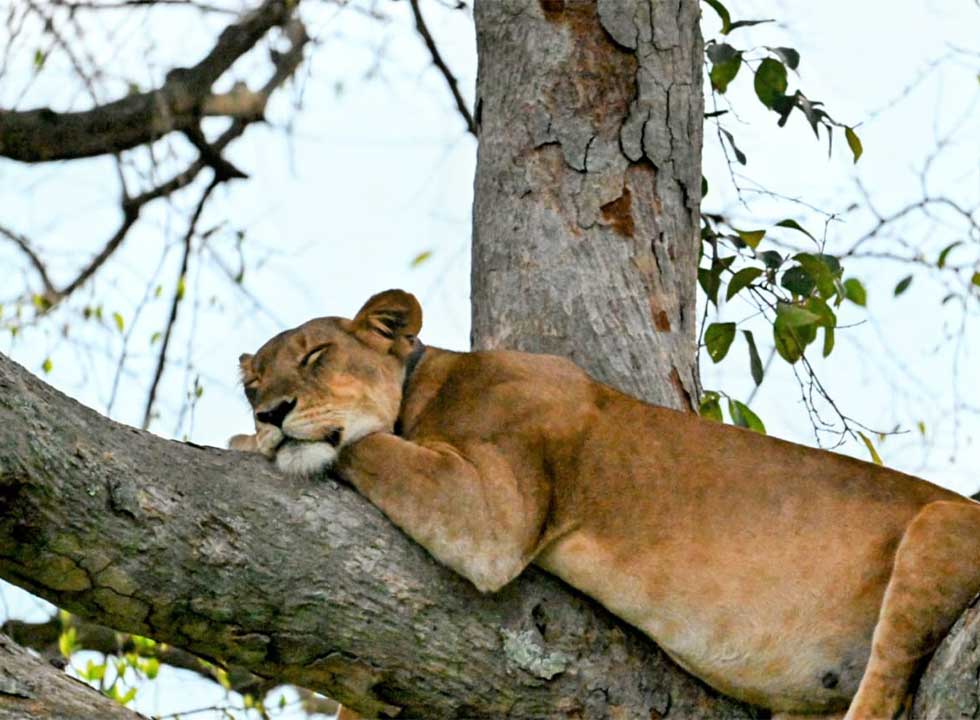
Just when I think the day couldn’t get any better, it does—Ajith and Niran, who headed out for a birdwatching excursion, spot a lion lounging in the branches. Queen Elizabeth National Park is known for its rare tree-climbing lions—a quirky habit that helps them stay cool and dodge the ever-buzzing flies. Excited shouts go up as we scramble into the jeeps and race over for a closer look at this sleeping beauty, draped across a branch like it’s her personal hammock. There she is, fast asleep and completely unbothered, soaking up the spotlight. This trip just keeps outdoing itself.
Tomorrow promises more—lions, elephants, hippos, and crater lakes—but tonight, we stayed wrapped in the magic of our encounter with the silverbacks. We replayed every moment, wide-eyed and breathless, already knowing this was one for the storybooks. One by one, I’m ticking off the dreams on my bucket list, and as I end the day, I’m already looking forward to another day… and another adventure..
Did you know that this ancient forest, dense and alive with whispers, is more than just the domain of gorillas. It’s also home to chimpanzees, hundreds of bird species, and once, the Batwa people—hunter-gatherers who lived in perfect harmony with the forest for centuries. Often called the “Keepers of the Forest,” the Batwa knew every path, every plant, and every sound the jungle made. They tracked animals with silent precision, gathered wild honey, and performed rituals in sacred caves hidden deep within the canopy. But in 1991, when Bwindi was declared a national park and gorilla conservation efforts took priority, the Batwa were evicted—losing not just their homes, but an entire way of life passed down through generations. Today, they live on the forest’s edge, fighting to hold on to their identity, their culture, and the deep bond they’ve always shared with this land.
Have you done this trek? How was it? Please tell us how it went for you!
 Mihipedia.lk
wow.. super. thanks Mihiri.
LikeLike
Our journey is almost at an end. But what a journey it has been!
LikeLike