
There are airport landings—and then there’s Paro.
Nestled in a narrow valley flanked by towering Himalayan ridges, Paro International Airport is one of the most dangerous and visually spectacular runways in the world. Only eight specially trained pilots are certified to land here, navigating between 5,500-meter peaks using only visual guidance. No autopilot. No instrument landing system. Just raw skill and trust.
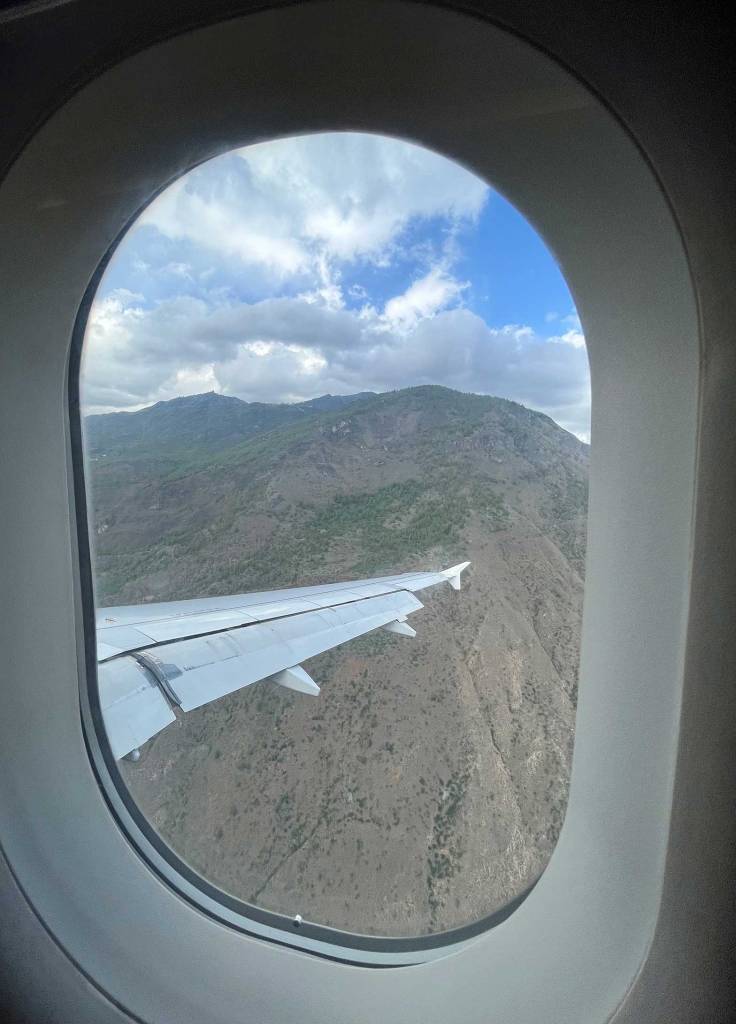
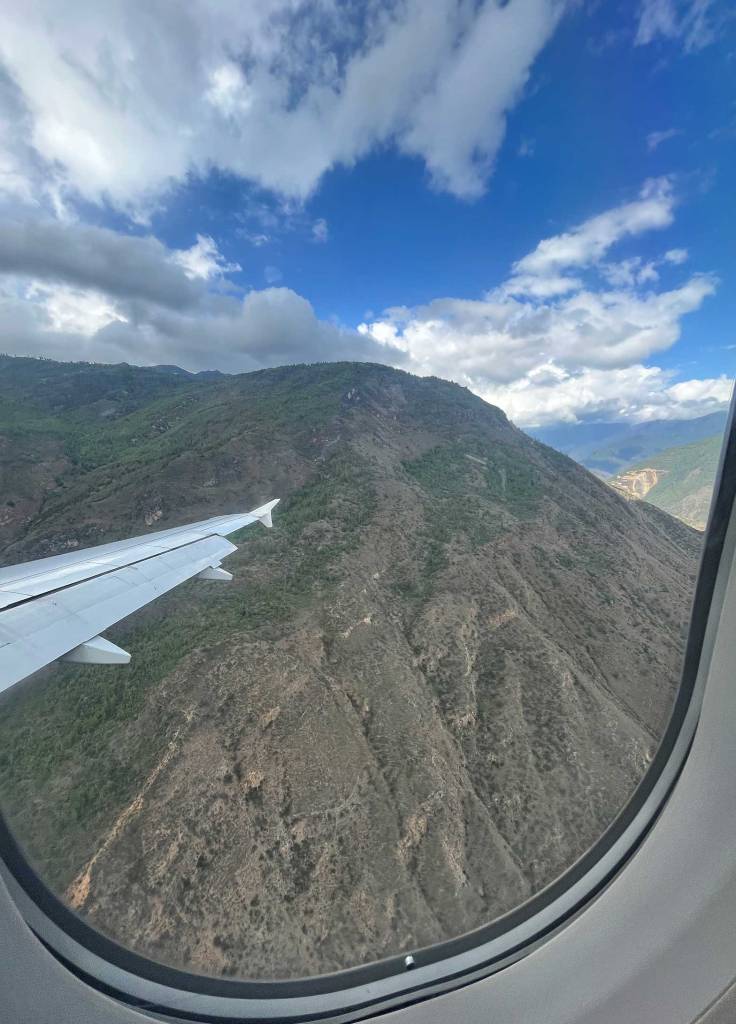
From my window seat, the approach was heart-stopping. One moment we soared above the clouds, the next we dipped sharply into a world of pine-covered mountains and prayer-flag-lined ridges. The plane banked left, then right, threading its way through impossibly narrow gaps. Hillsides rushed past just feet away, and rooftops seemed within reach. And then—a smooth, soft landing. As the wheels kissed the tarmac, a wave of relief swept through my tensed body. That landing is definitely not for the fainthearted!
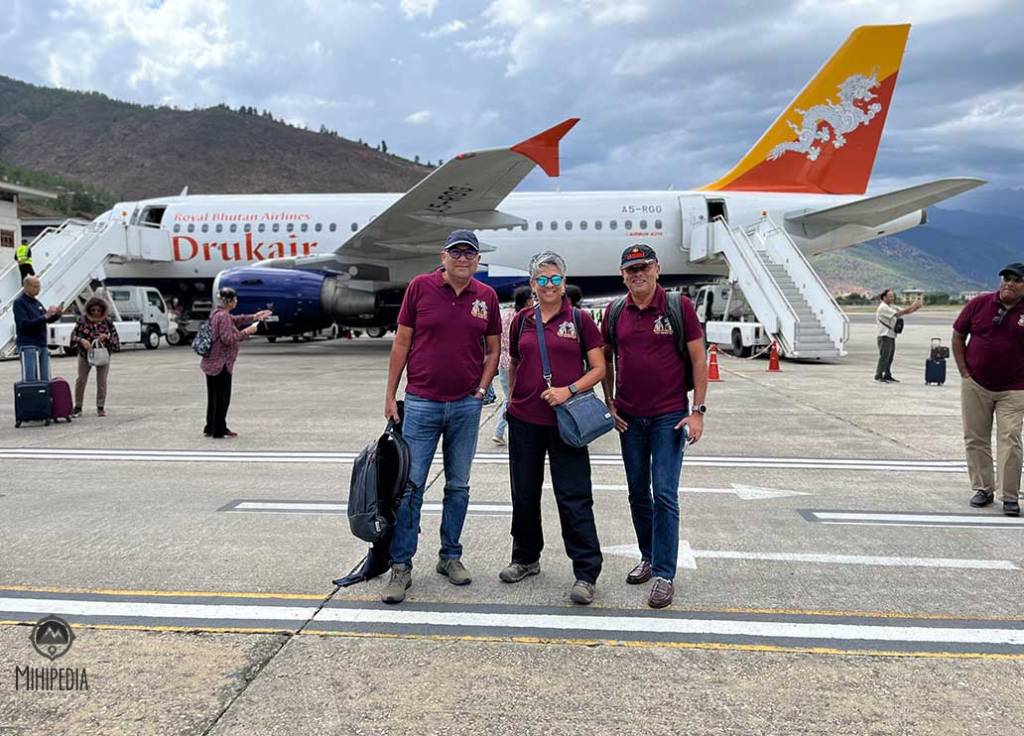
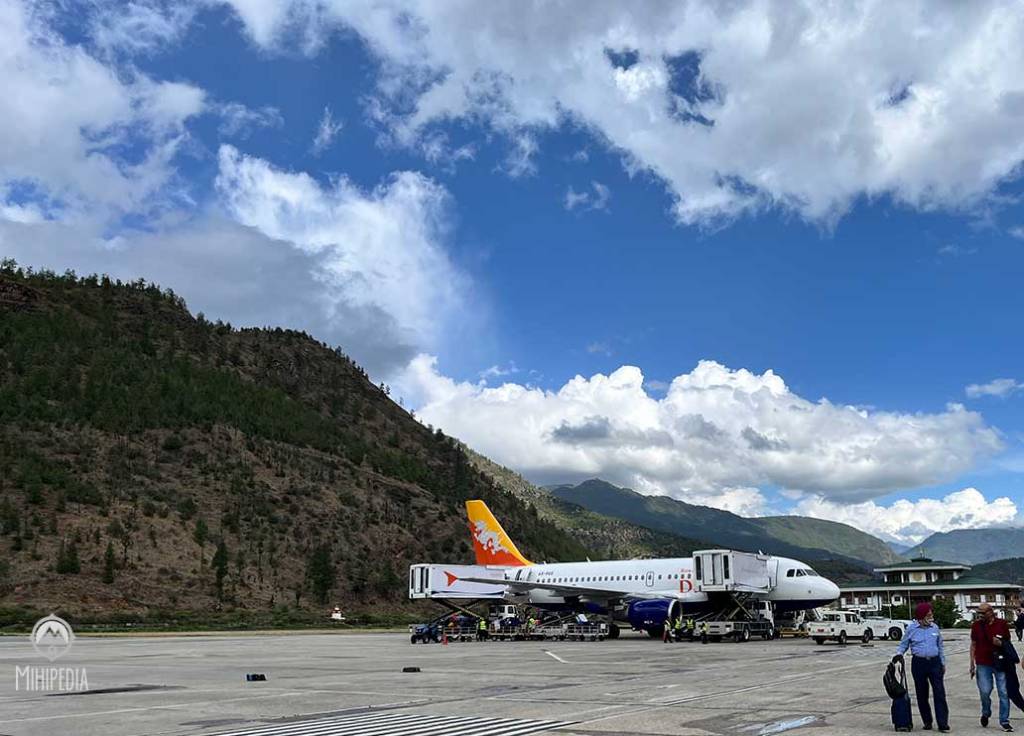
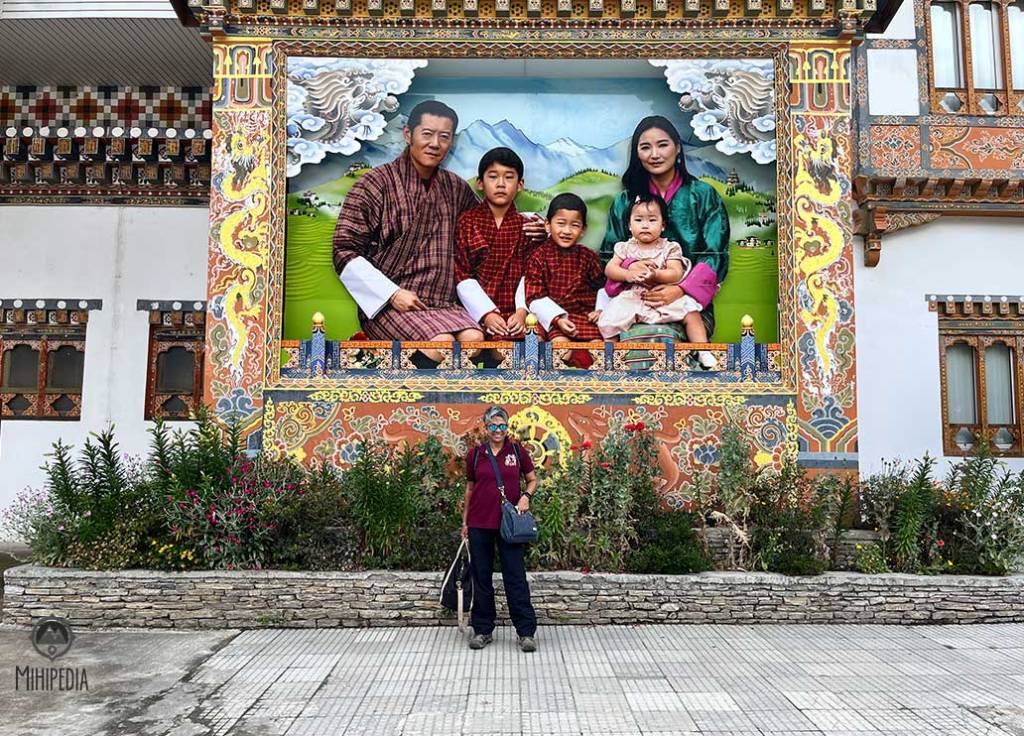
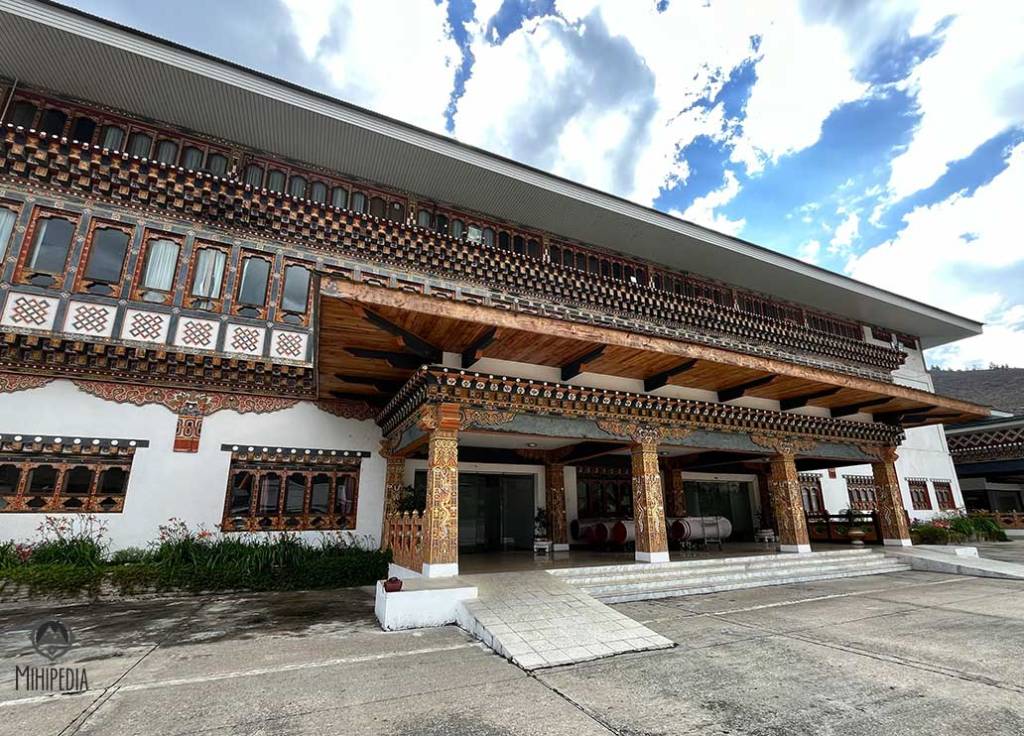
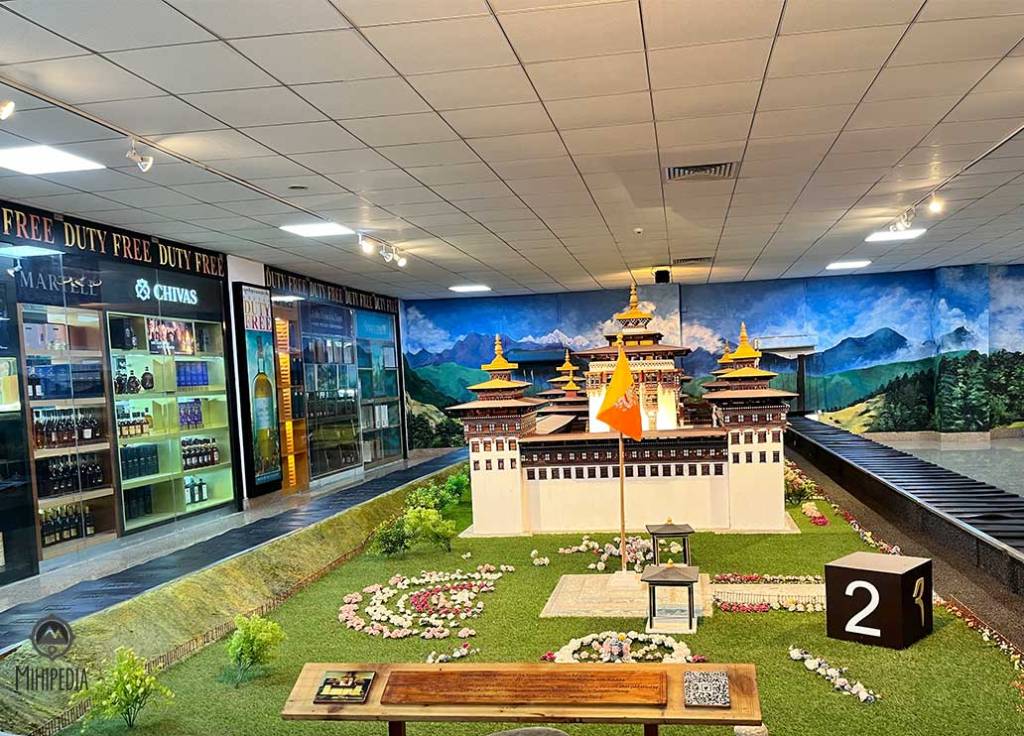
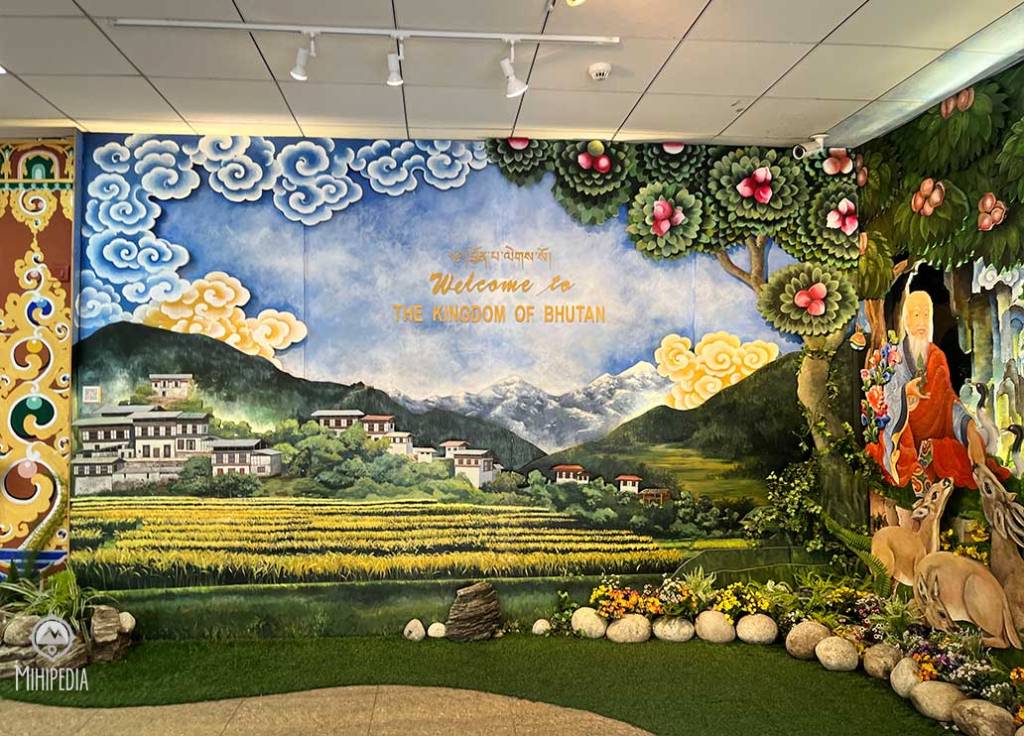
The Paro airport is more temple than terminal. A handcrafted marvel, built in traditional Bhutanese style—elegantly carved wooden beams, painted eaves, deep ochres, and soft reds. There were no jetways, no neon signs, no metallic monotony. Just crisp mountain air and an instant sense of serenity.
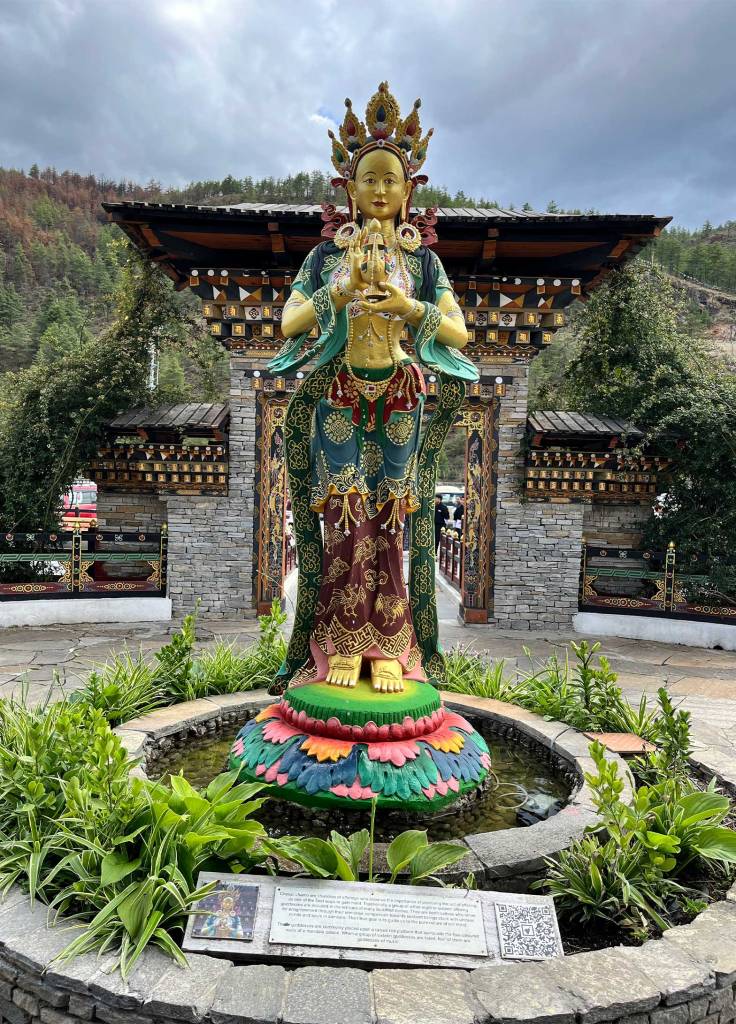
Everything slowed. The rush of travel especially coming from the chaos of Delhi, dissolved into the hush of this hidden kingdom. I stepped onto the tarmac and exhaled—Bhutan felt different already. Like we’d slipped quietly into a parallel world where time had folded into stillness.
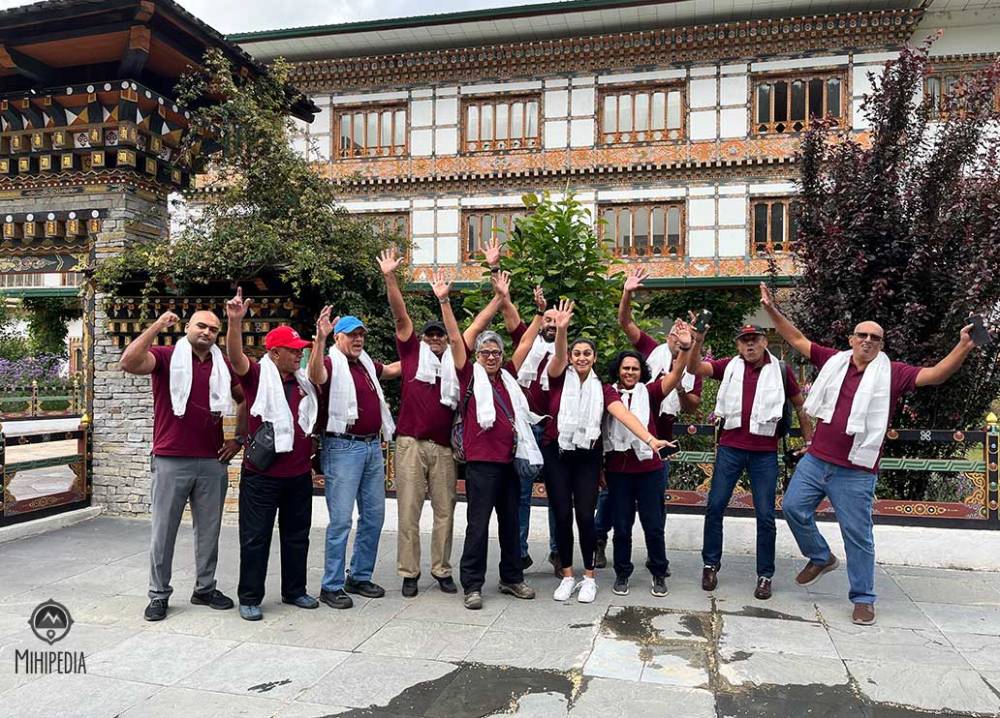
We were greeted at the arrivals hall by our guide Tshering and driver Santos, both in typical traditional ghos and shy smiles. They placed white ceremonial scarves around our necks—a gesture of goodwill, purity, and protection.
The warmth felt immediate, almost familial. Bhutan doesn’t just welcome you—it embraces you.
Just the day before, in Delhi, we’d been in full travel-frenzy mode, scrambling through a familiar store to complete our riding gear checklist—helmets, gloves, waterproof pants, the works. I also got caught up in the excitement and gifted myself a sleek riding jacket. At the time, it felt like retail therapy. In Paro’s crisp alpine air, it suddenly felt like a brilliant decision.
Even the onboard lunch on Druk Air had been memorable—fragrant, flavorful, and satisfying, despite my slightly dulled senses from a pesky cold that had hit just before the trip. Bhutan, it seemed, was determined to soothe even that.
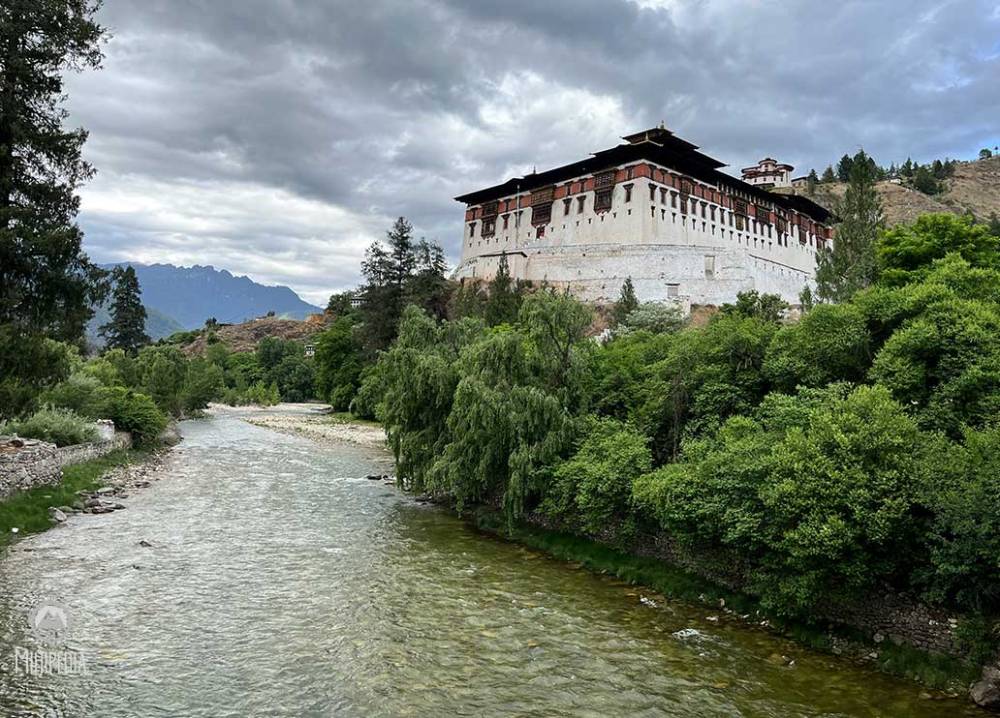
That afternoon, we made an impromptu stop at Rinpung Dzong, a striking fortress monastery rising above the Paro River. “Fortress of the Heap of Jewels,” it’s both spiritually and historically significant, having defended Paro from invasions centuries ago and still serving as a monastic and administrative hub.
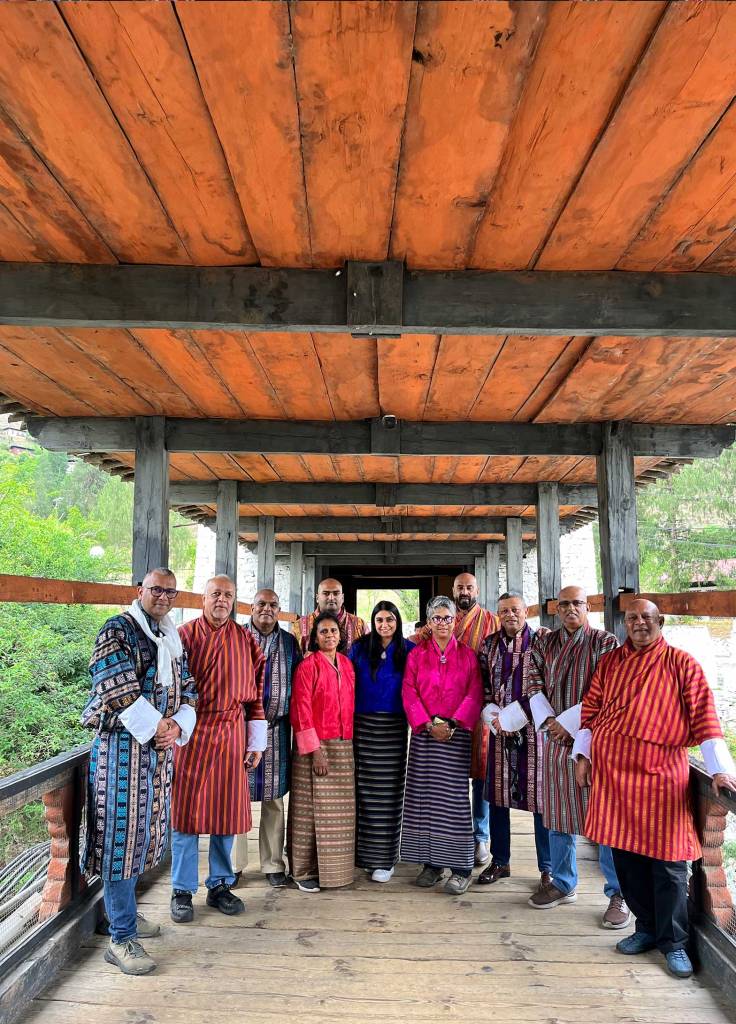
We couldn’t resist donning traditional Bhutanese attire for a photo session amidst this stunning architectural masterpiece. And what a transformation it was.
For the men, the gho is a knee-length robe tied at the waist with a woven kera, creating wide, pleated folds above the belt—practical, yet deeply elegant. The fabric, usually checked or striped in earthy tones, carries the understated dignity of Bhutanese culture. I must admit our men looked rather good in them despite their trousers peeking out from underneath.
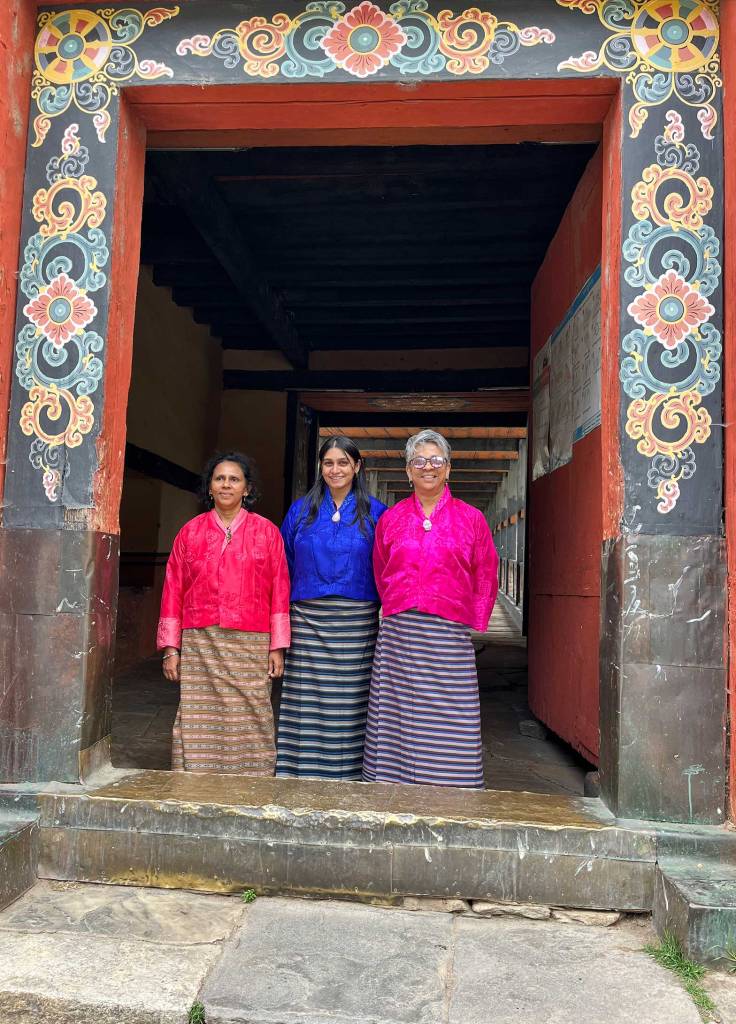
For us three women, Krishny, Onyalie and me, the kira is a long, rectangular woven cloth wrapped and secured with ornate silver brooches called koma. A soft blouse (wonju) and a cropped jacket (toego) complete the look. Rich in color and movement, the kira feels regal yet grounded—a true embodiment of grace.
Clad in these timeless garments, we felt momentarily woven into the very fabric of this land as we posed for pictures. .
Driving through the Paro Valley, I was struck by how gentle everything felt. The landscape rolled out in tranquil layers—emerald rice fields, fluttering prayer flags, quiet temples tucked into hillsides. The roads were clean, the air even cleaner. No horns. No concrete chaos. Just a sense of order woven into nature. The main street is lined with two-story buildings painted in traditional Bhutanese style, the facades are adorned with elaborate woodwork, hand-painted cornices, and floral motifs in warm hues of ochre, maroon, and white. It feels more like an artist’s village than a commercial center.
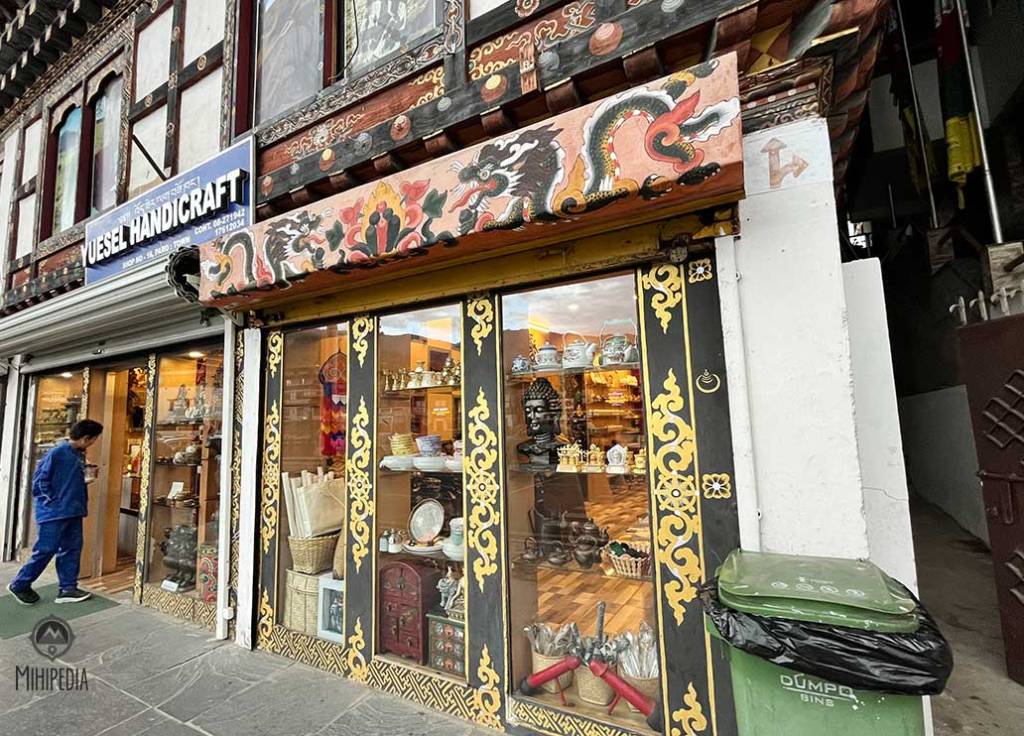
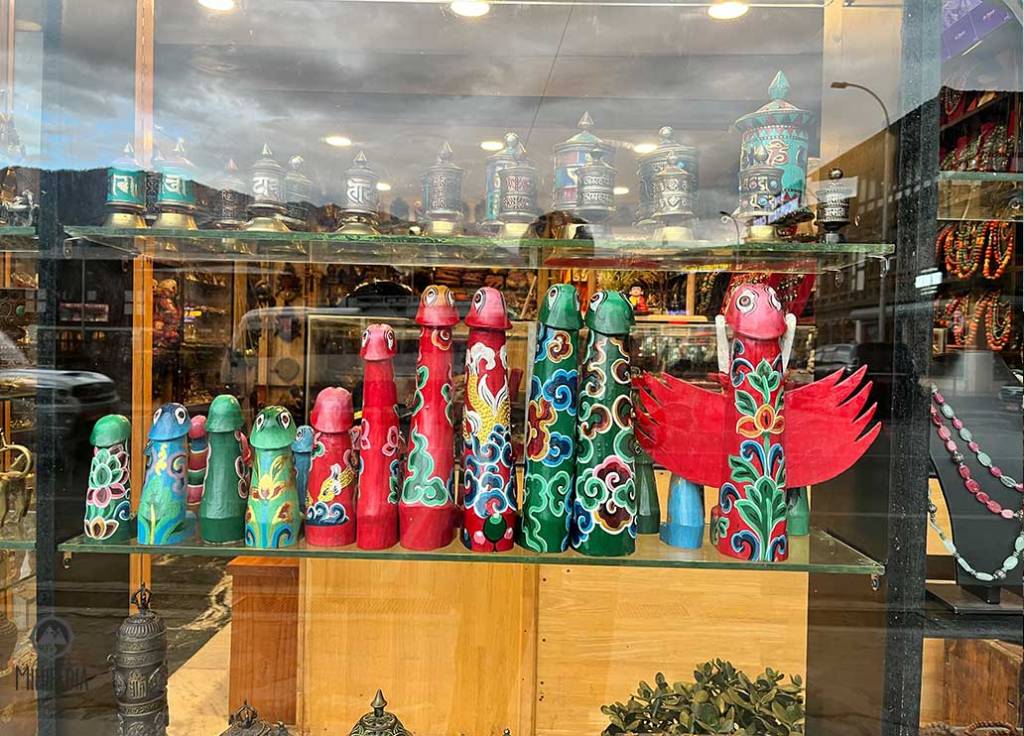
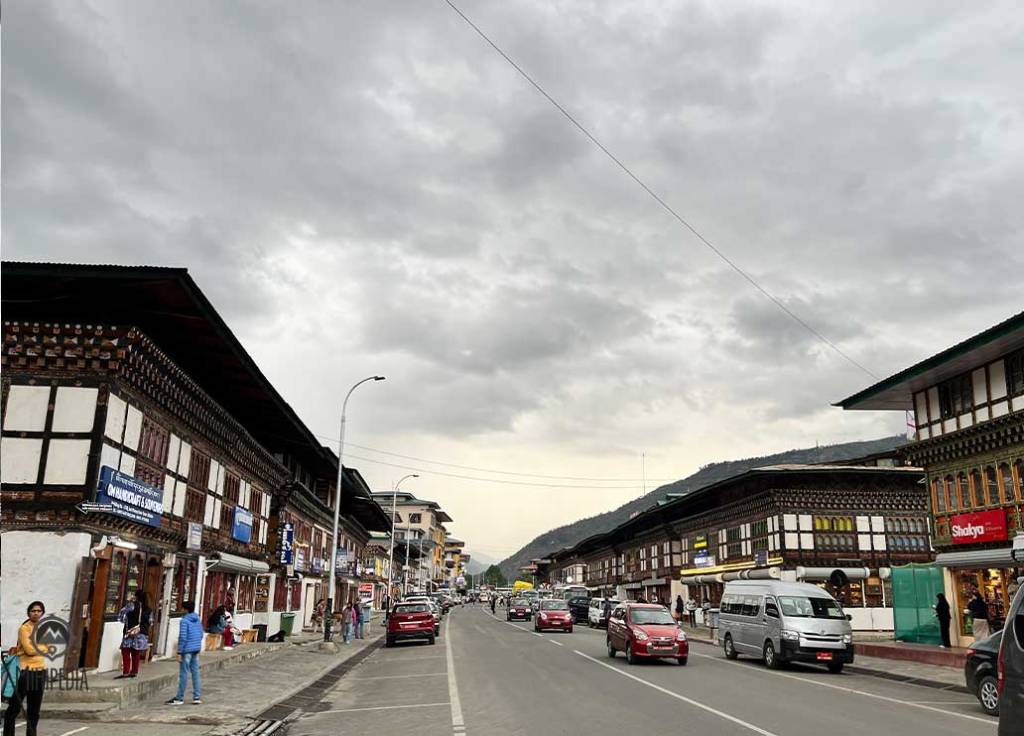
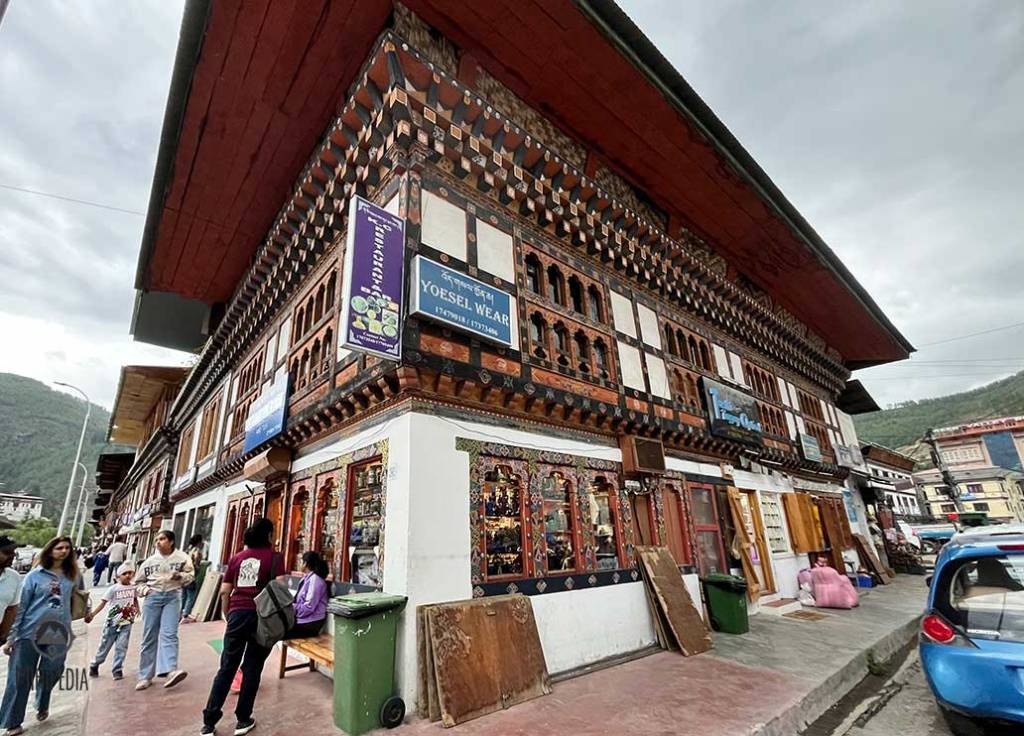
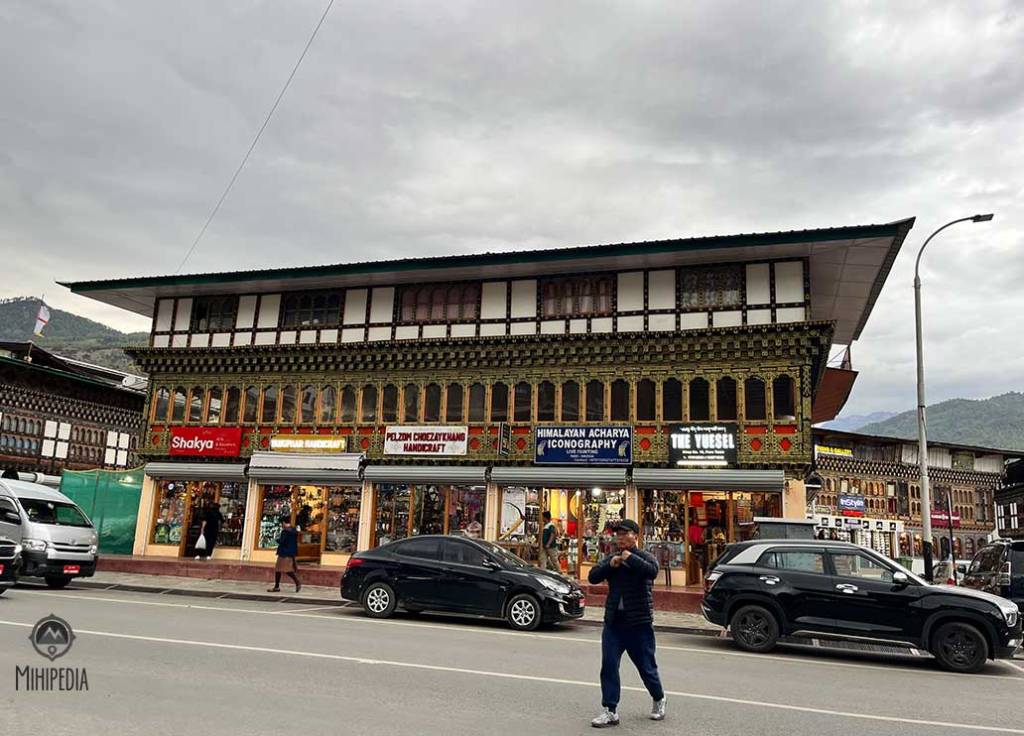
The street itself is clean and walkable, flanked by cozy cafes, handicraft shops, and general stores (all of which have the license to sell liquor, much to our delight!) that seem to double as community hubs. There’s no blaring signage or chain-store sameness—just wooden shopfronts with hand-lettered signs, prayer flags fluttering above them like blessings caught in the breeze.

That night, we checked into Kichu Resort, nestled on a wooded slope just outside town.

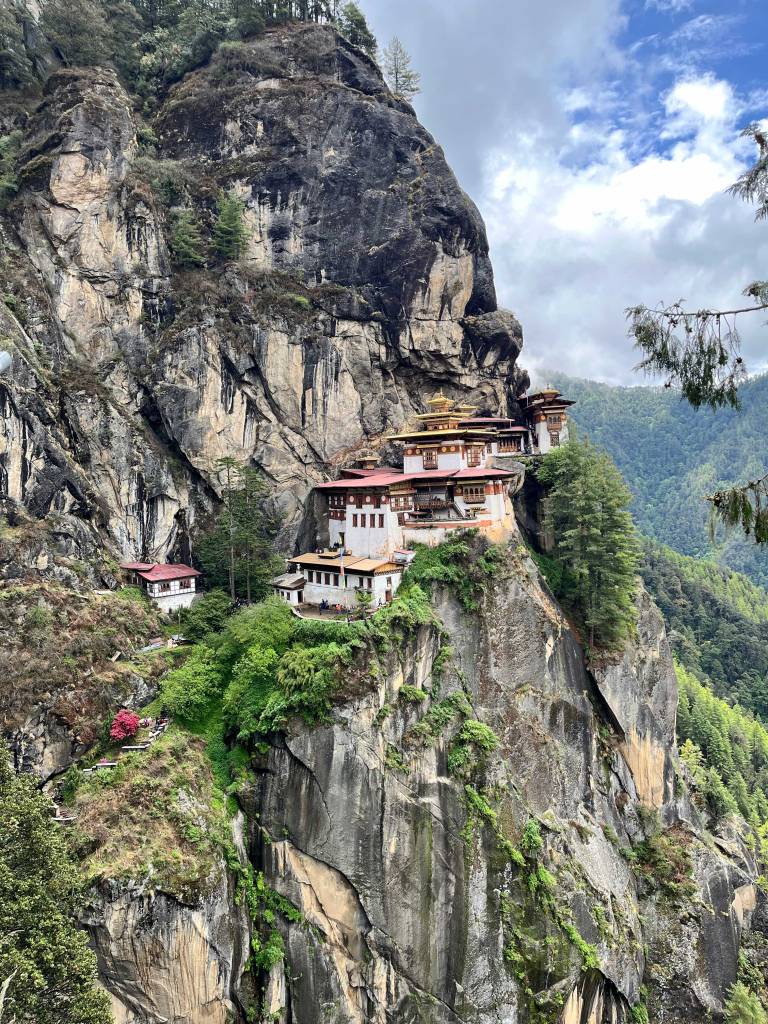
The next morning, we set out for the crown jewel of Paro: Taktsang Monastery, or as the world knows it, the Tiger’s Nest. Built dramatically into a cliff face at 3,120 meters (10,240 feet), it’s both a physical and spiritual high point.
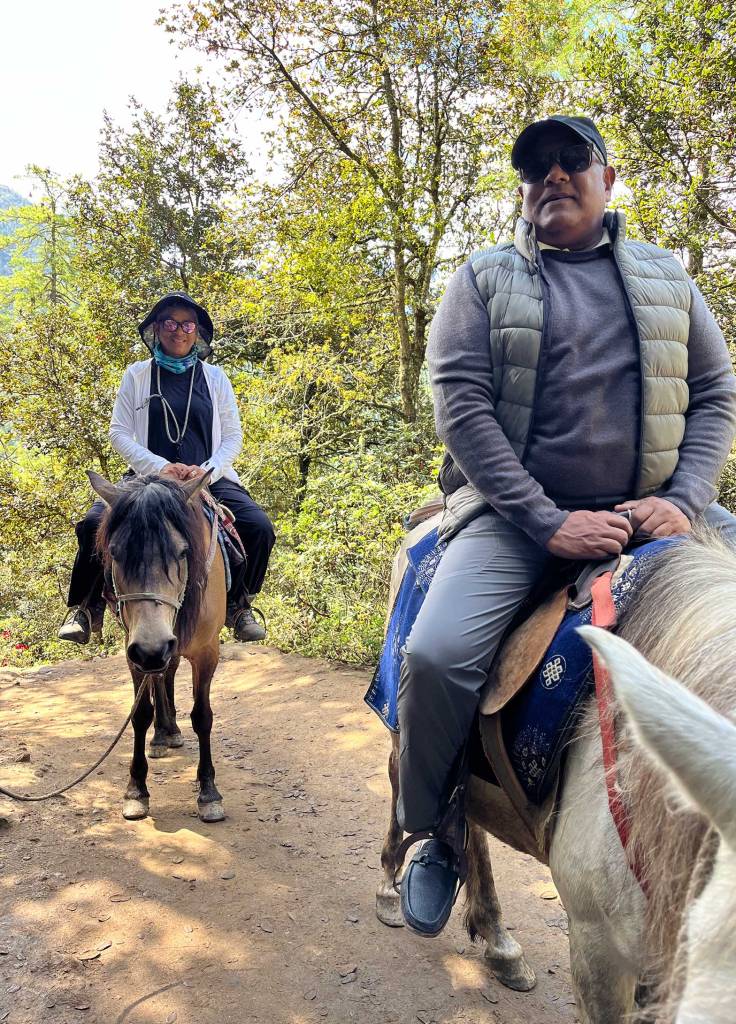
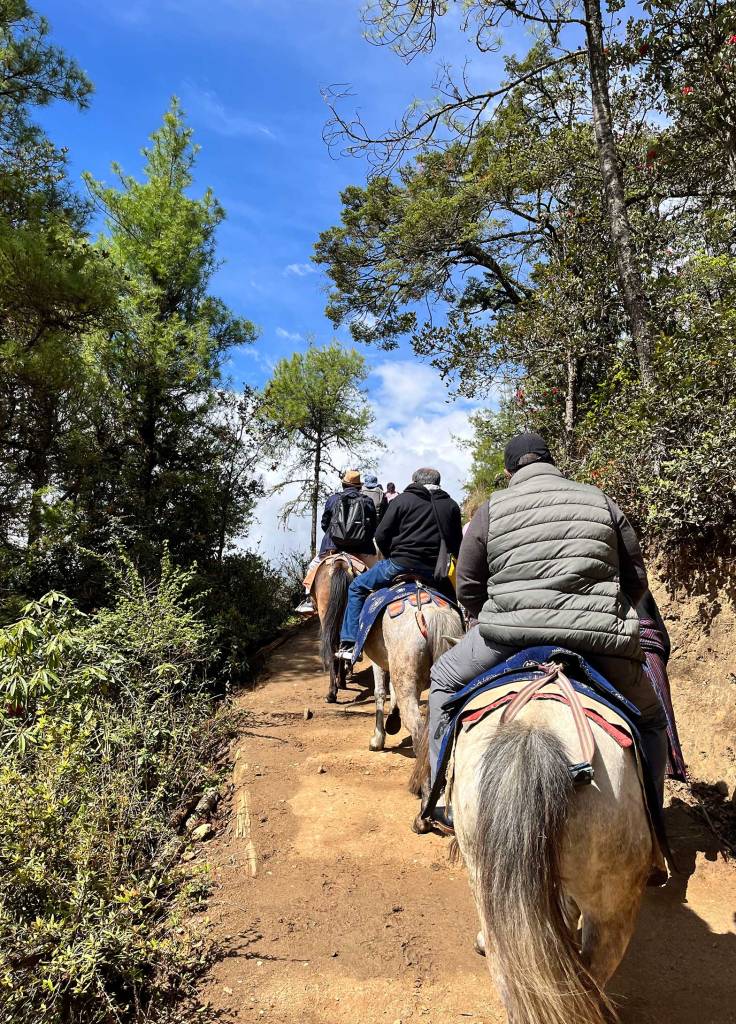
Still recovering from my nasty cold, Adrian and I chose to go halfway up on horseback, winding through cool pine forests and steep switchbacks, stopping for photos and breath.
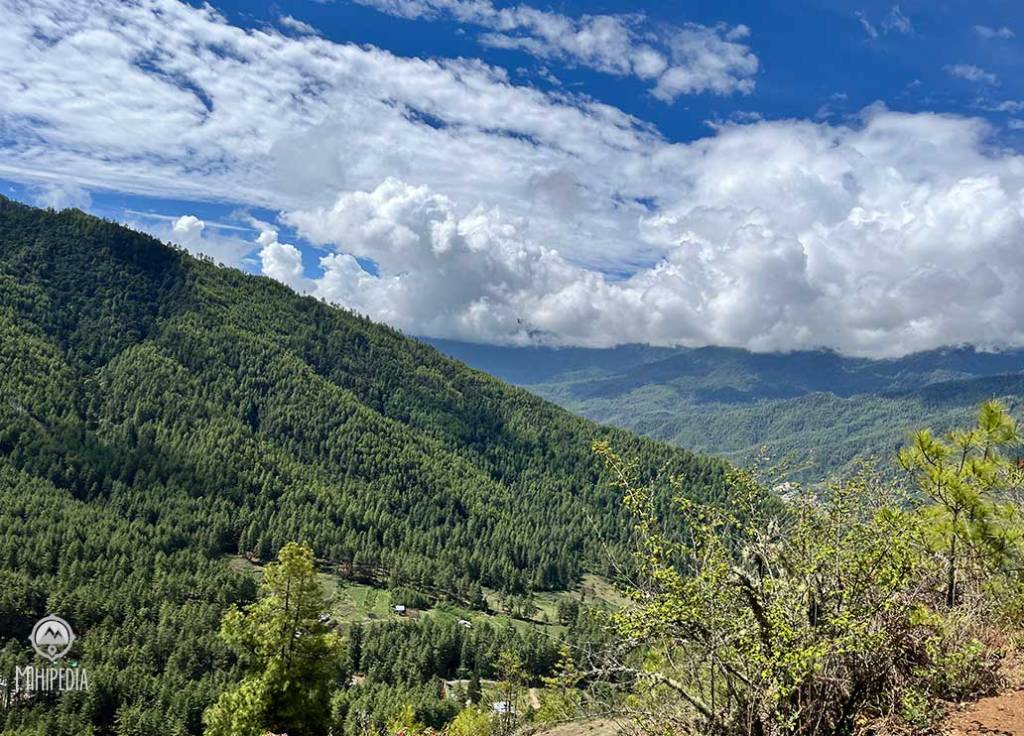
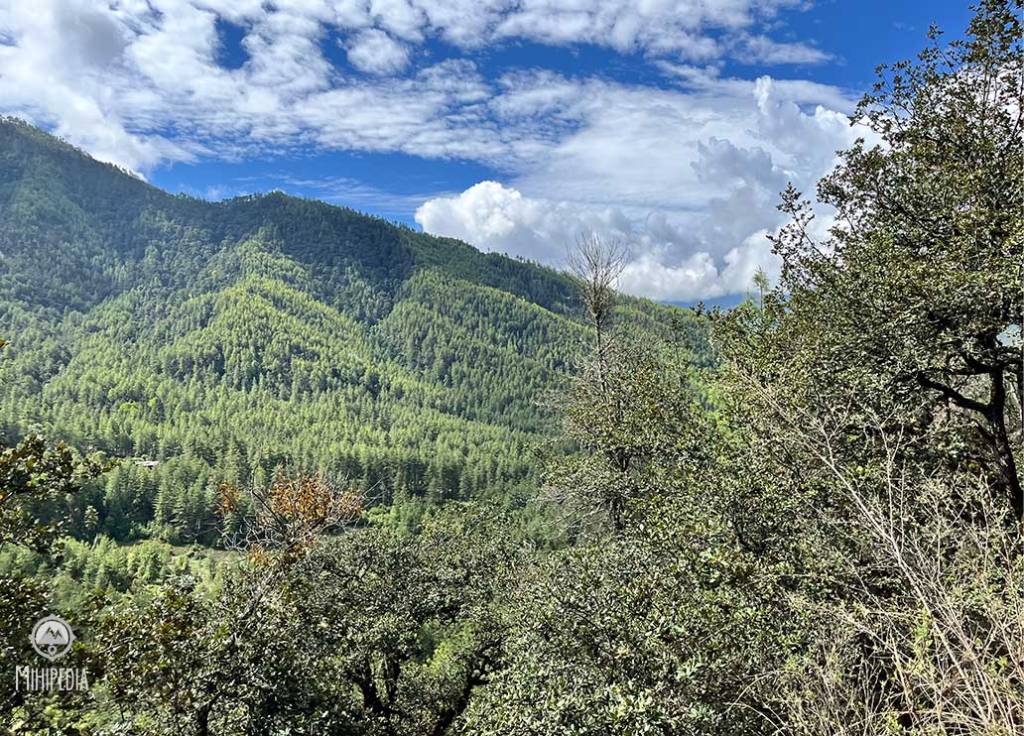
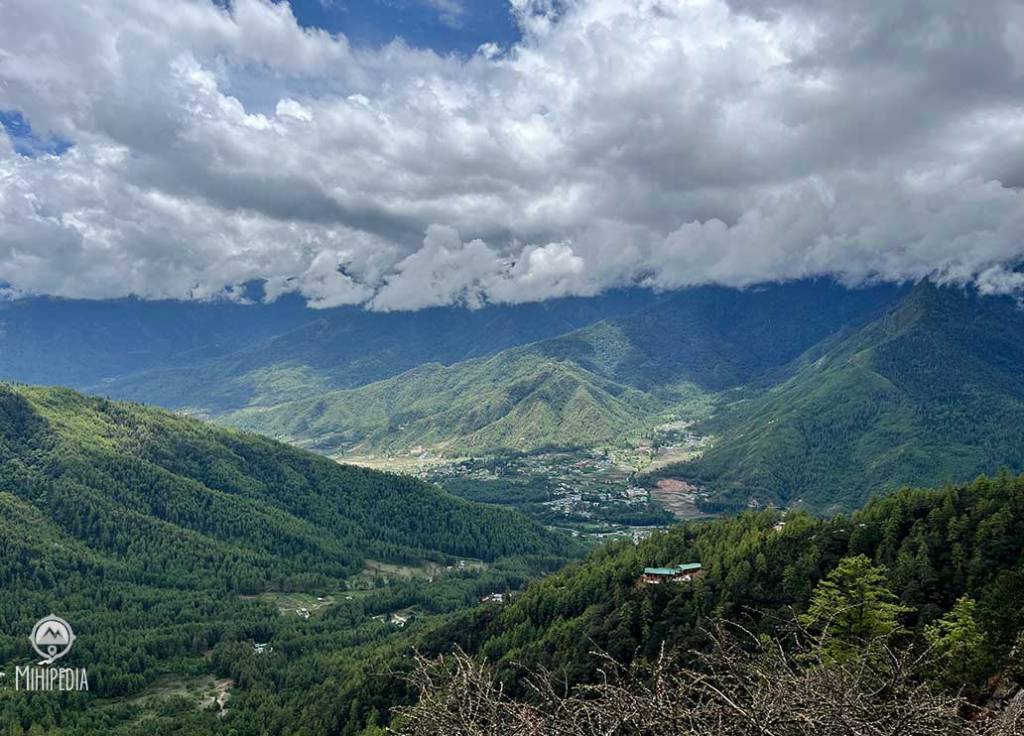
The horses seemed to know the trail better than we did giving me the chance to admire some incredible landscapes. About 71% of the total geographical area of Bhutan is under forest cover (2,730,889 ha) and the constitution of Bhutan mandates to maintain at least 60% of forest cover in perpetuity. Bhutan’s extensive forest cover and pristine environment, coupled with its strong conservation efforts, has allowed the country to have exceptionally rich biodiversity with flourishing populations of some of the rarest flora and fauna on earth.
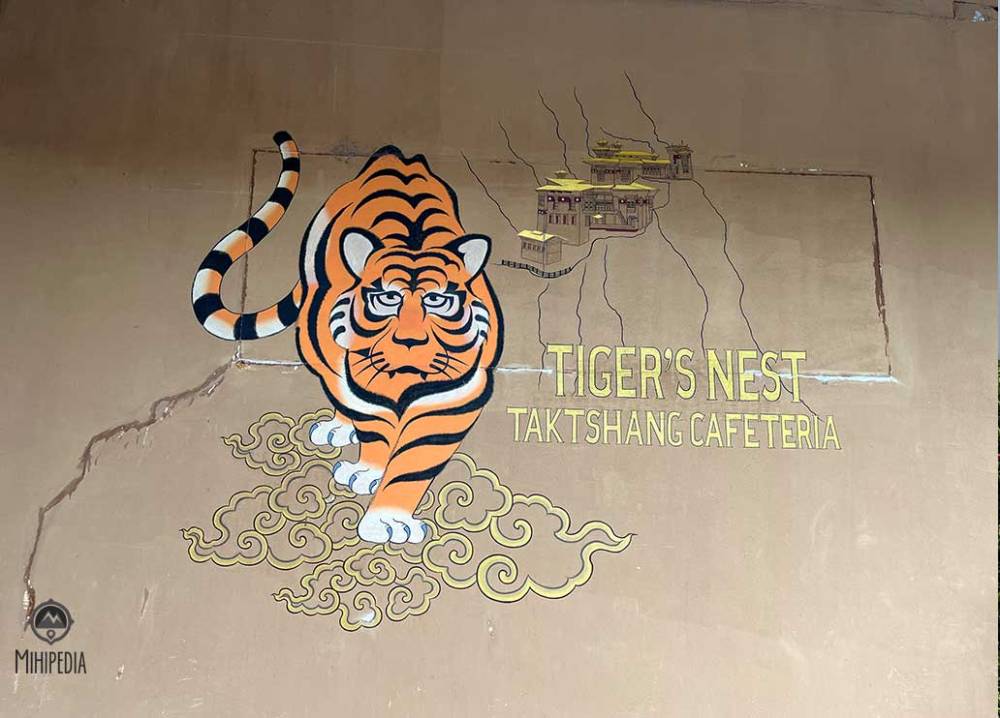
We reached the Tiger’s Nest cafeteria viewpoint about an hour later, and were soon joined by the others. From there, the view was nothing short of surreal.
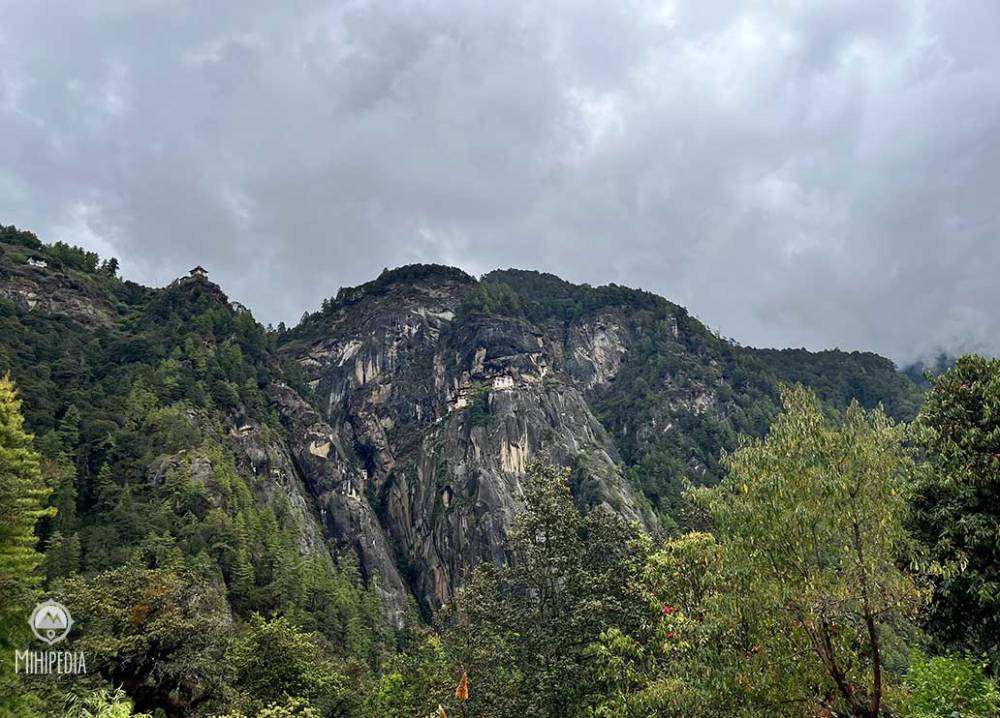
The Tiger’s Nest, perched impossibly on sheer granite, looked less like it was built and more like it was dreamed into being.

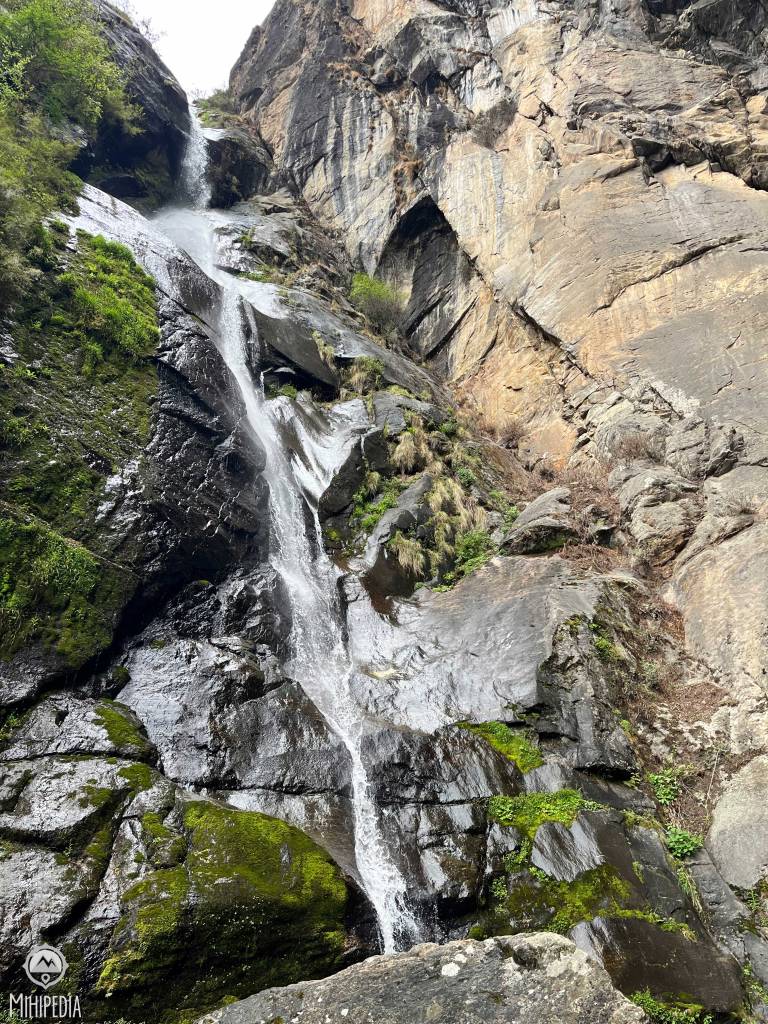
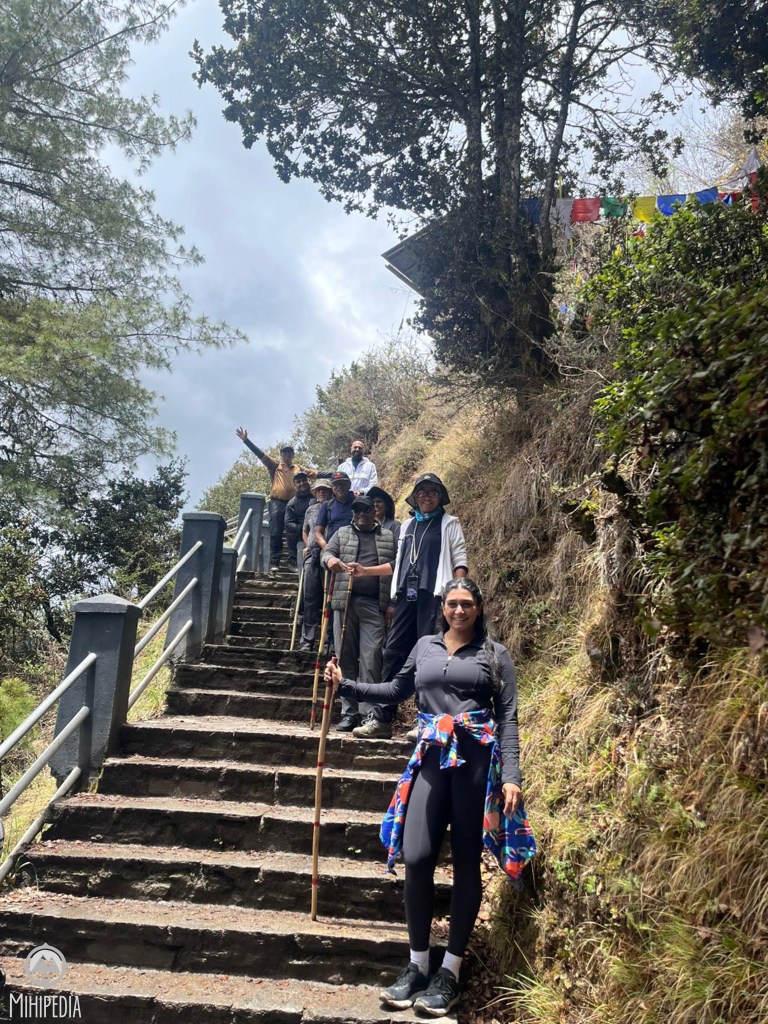
After a quick break we hiked the next stretch on foot—stone steps hugging cliffs, a waterfall plunging beside the trail. It wasn’t just exertion; it was meditation in motion.
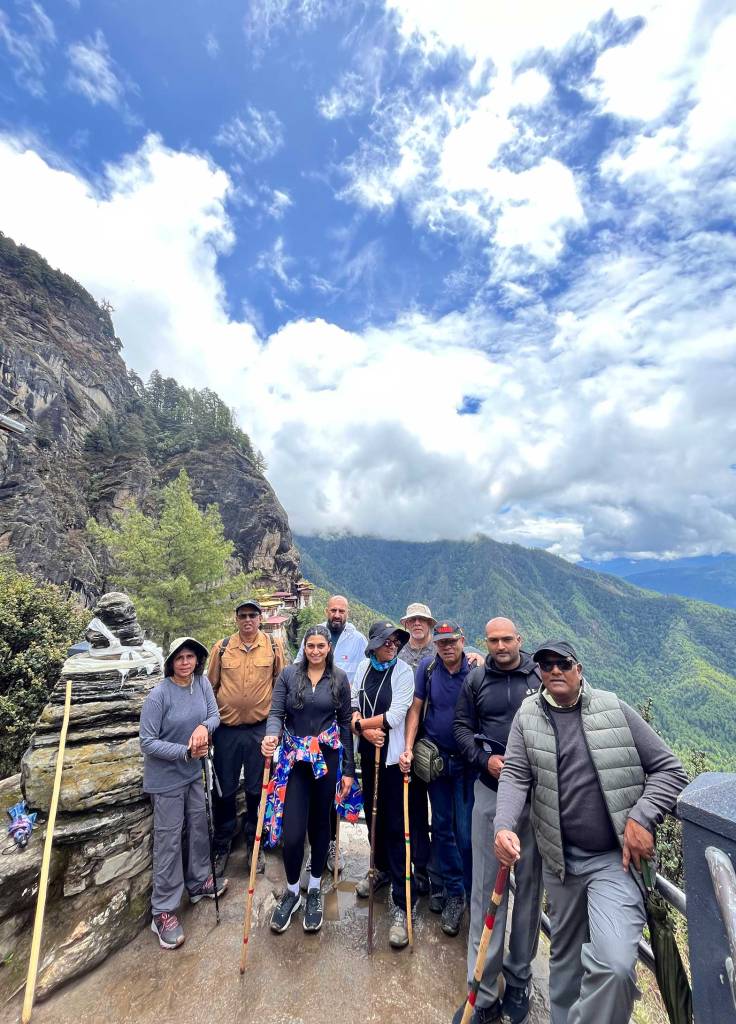
The full trek is roughly a six km round trip, with a 600-meter elevation gain. But distance is beside the point. There are times when we climbed to 3000m only to descend 2500m and climb back up again. The last stretch is a series of steep steps (700 of them in total) to reach the monastery entrance. Each step up feels like shedding something unnecessary. Every prayer flag overhead felt like a whisper: keep going. But finally we did make it, catching our ragged breath in the crisp, thin air that came with the altitude.


According to legend, Guru Rinpoche, the second Buddha, flew here on the back of a tigress in the 8th century. He meditated in a cave for 3 years, 3 months, 3 days, and 3 hours, subduing demons and blessing the land. That cave remains part of the monastery’s inner sanctum.Unfortunately, photography is not permitted inside the temple—and as we soon discover, at every monastery or temple in Bhutan, once the shoes come off, so must the cameras. But seeing is believing…stepping inside the Tiger’s Nest Monastery is like walking into a living mandala. The interiors are a tapestry of deep crimson, glowing saffron, and radiant gold, offset by the flicker of butter lamps that cast dancing shadows on the walls. Every surface—whether stone, wood, or canvas—feels touched by divine intention. The thangkas (religious scroll paintings) burst with lapis blues, emerald greens, and fiery oranges, depicting celestial beings, swirling dragons, and the serene face of Guru Rinpoche, whose presence permeates the space.
The wooden beams and columns are hand-painted with floral motifs and protective symbols, layered over centuries. Gilded statues of Buddhas and bodhisattvas stand in still meditation, their robes accented with copper and gold detailing, as if stitched from light. Even the smallest alcove hums with color and complexity—no inch left untouched by artistry or prayer.
The result is visual and spiritual saturation: a riot of sacred color held in perfect stillness, suspended in the heart of a cliff.
It’s said that those who reach it arrive lighter, not because they’ve climbed high, but because they’ve gone deep—into belief, into effort, into silence. I think so too.
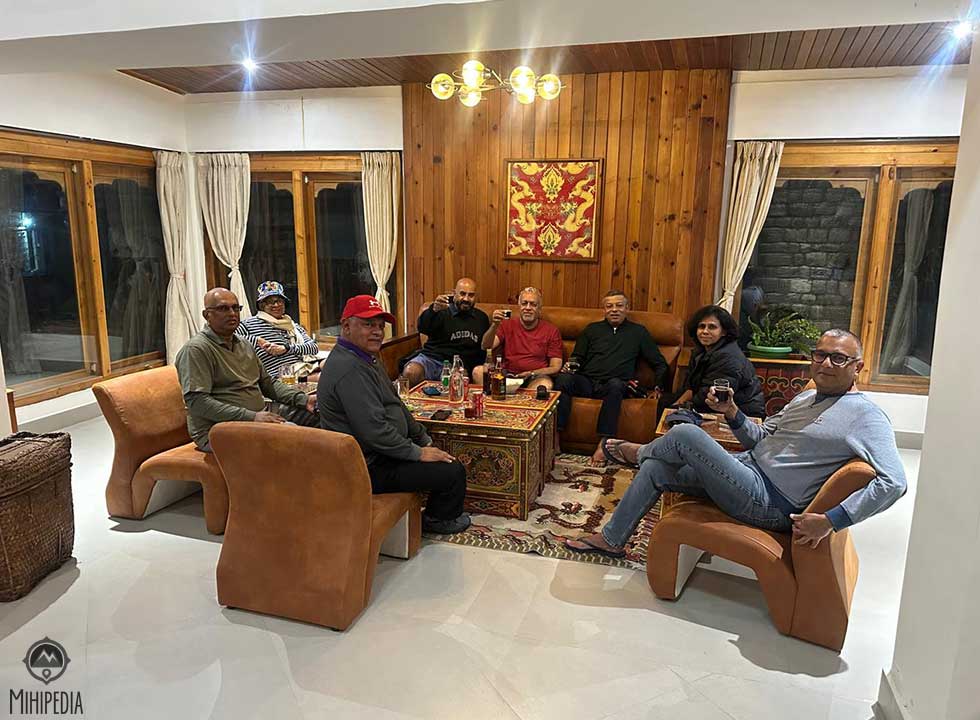

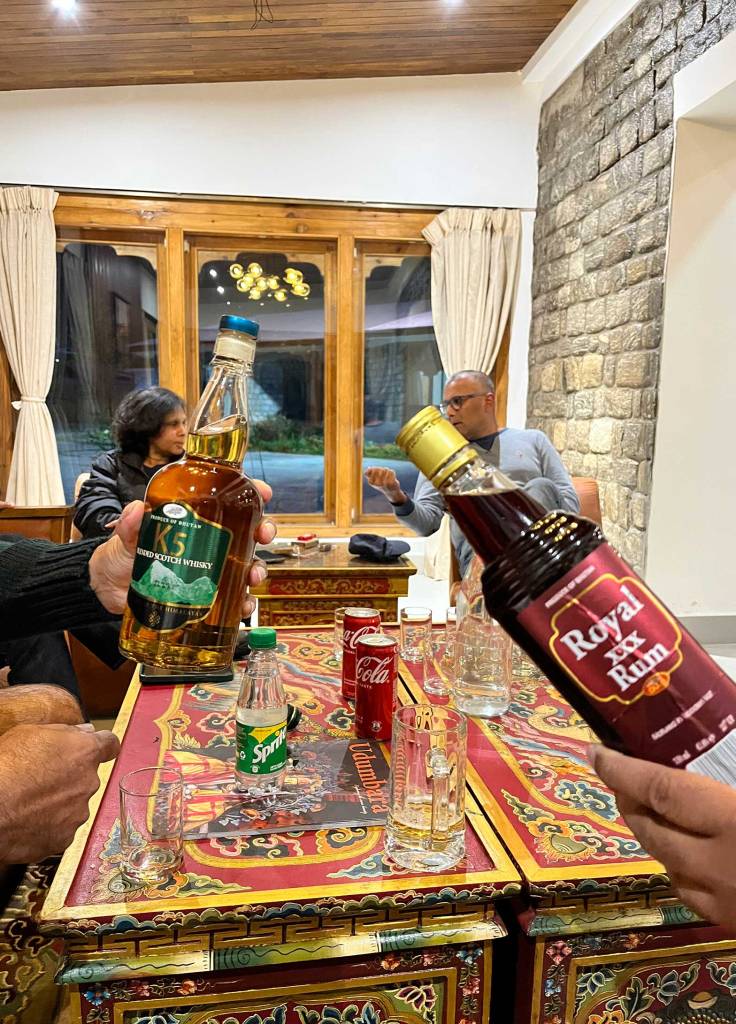
That night, back at the resort, we gather round to imbibe in some local flavour and as the chill set in and my cold quietly receded, I could almost feel that somewhere deeper, something ancient stirred gently and said: Welcome. You’ve made it.
Paro isn’t just an entry point. It’s a beginning because tomorrow is when we saddle up and get on the road on our much awaited motorbike ride across this amazing Land of the Thunder Dragon.
 Mihipedia.lk
excellent
LikeLike
Thank you. And thanks for organising this amazing ride for us!
LikeLike