
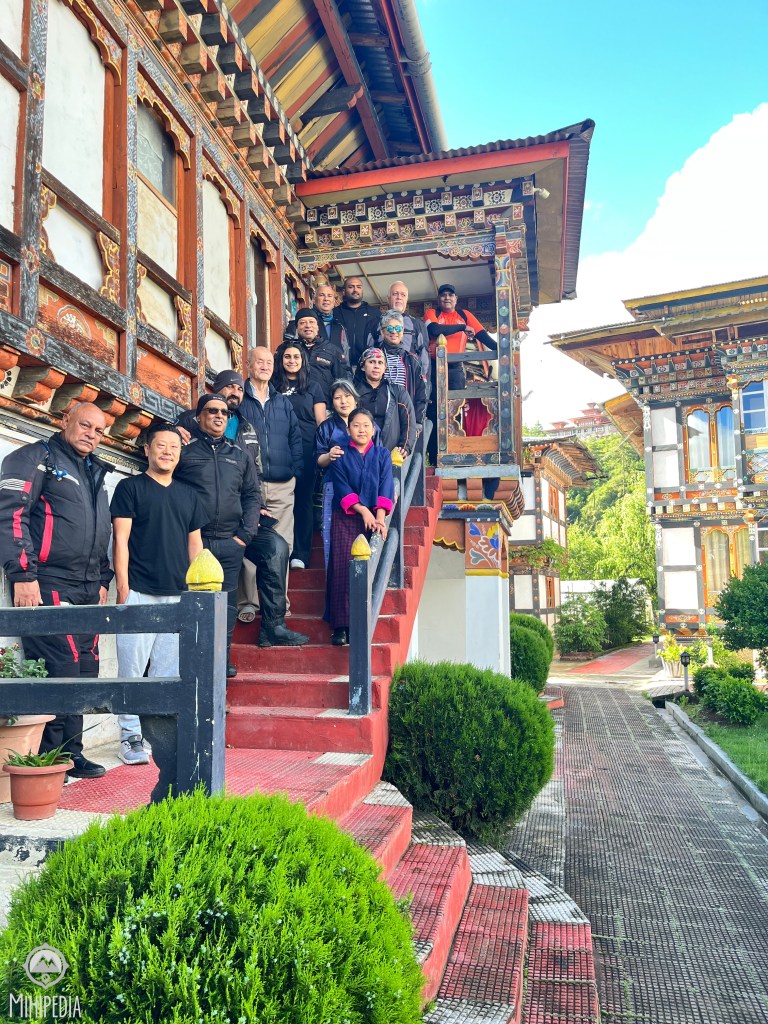
We left Jakar Village Lodge reluctantly. That warm timbered homestay had made us feel like part of the family—endless cups of brew, gentle laughter, and food that’s to die for. But it was time to move on. The road was calling again, and so was the ride.
We’d already clocked nearly 400 kilometres since leaving Paro—crossing mountain passes, dodging yaks, navigating prayer-flagged turns, and collecting stories like loose gravel in our tyres. Today would be our longest stretch yet—205 kilometres of winding roads, shifting skies, and whatever surprises the Himalayas had in store.

It is another glorious day to ride the Royal Enfields, freshly cleaned and gleaming under the morning light—thanks to the ever-attentive Himal, who somehow managed to make them look showroom-ready even after dirt tracks and drizzle. Engines rumbled to life, gloves were pulled tight, and just like that, we were on the move again—Bhutan stretching out before us, quietly magnificent.
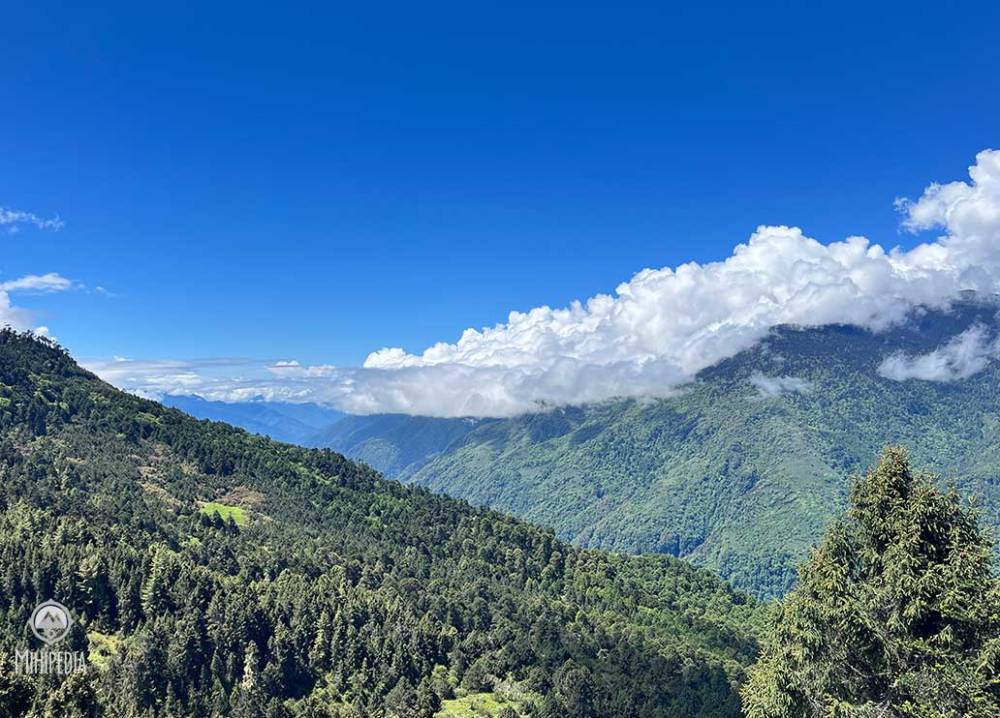
Soon, we began our ascent into Ura Valley, the highest inhabited valley in Bhutan, and sitting at approximately 3,100 to 3,400 meters, depending on which part you are standing on. Remote, tucked away in the folds of misty mountains, Ura felt suspended in time. It’s hard not to notice just how green Bhutan is—not just in colour, but in spirit. Over 70% of the country is cloaked in forest, a staggering figure by any standard. But this isn’t by accident or oversight; it’s a choice, written into the very heart of Bhutan’s constitution. The law mandates that at least 60% of Bhutan’s land must remain under forest cover for all time. It’s a promise—not just to nature, but to future generations. And as we rode through vast stretches of emerald wilderness, breathing in air that felt almost untouched, we realised: here, conservation isn’t a campaign. It’s a way of life.
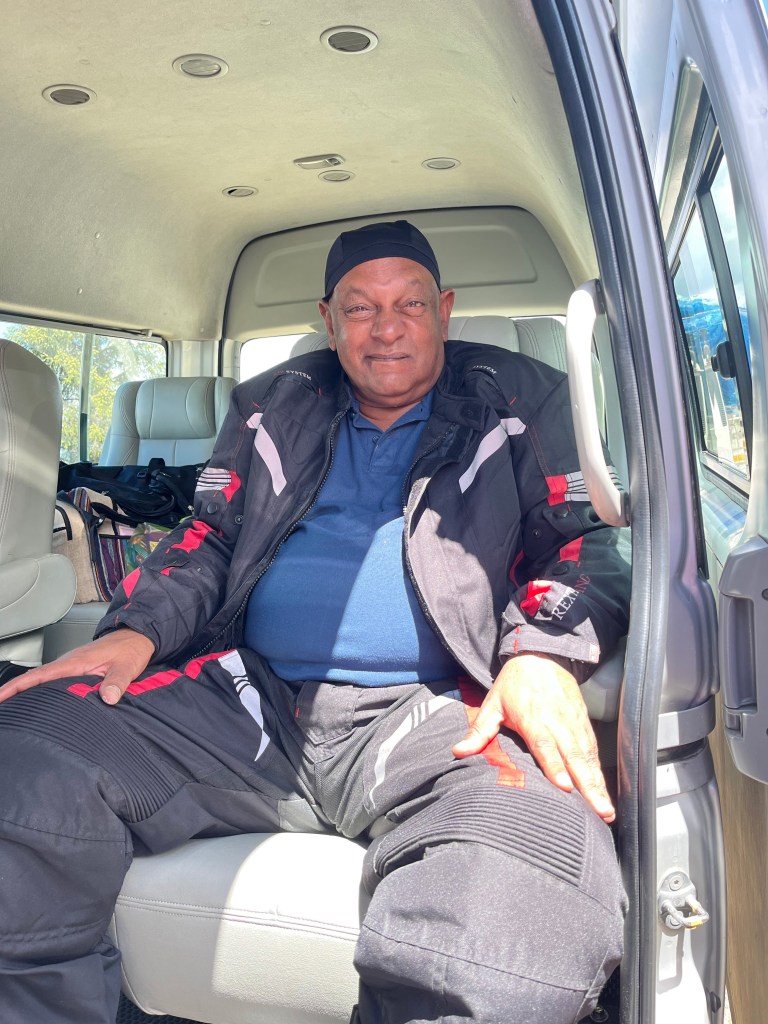
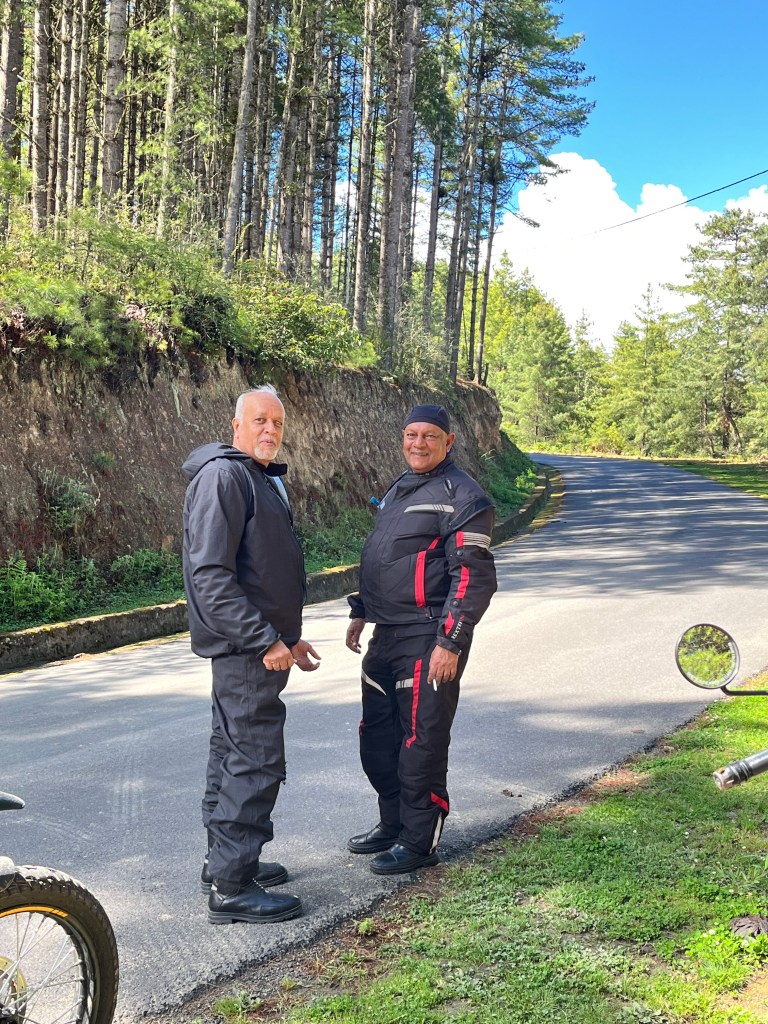
But not everyone was in a celebratory mood. Tarique, our usual comic relief, had been struck by what we diplomatically termed “internal turbulence,” most probably due to all the chilli, cheese and butter we have been consuming. There was little humour in his face as he passed the keys to Revatha and took a seat in the backup vehicle, clutching a roll of toilet paper like a life raft. No further questions were asked.
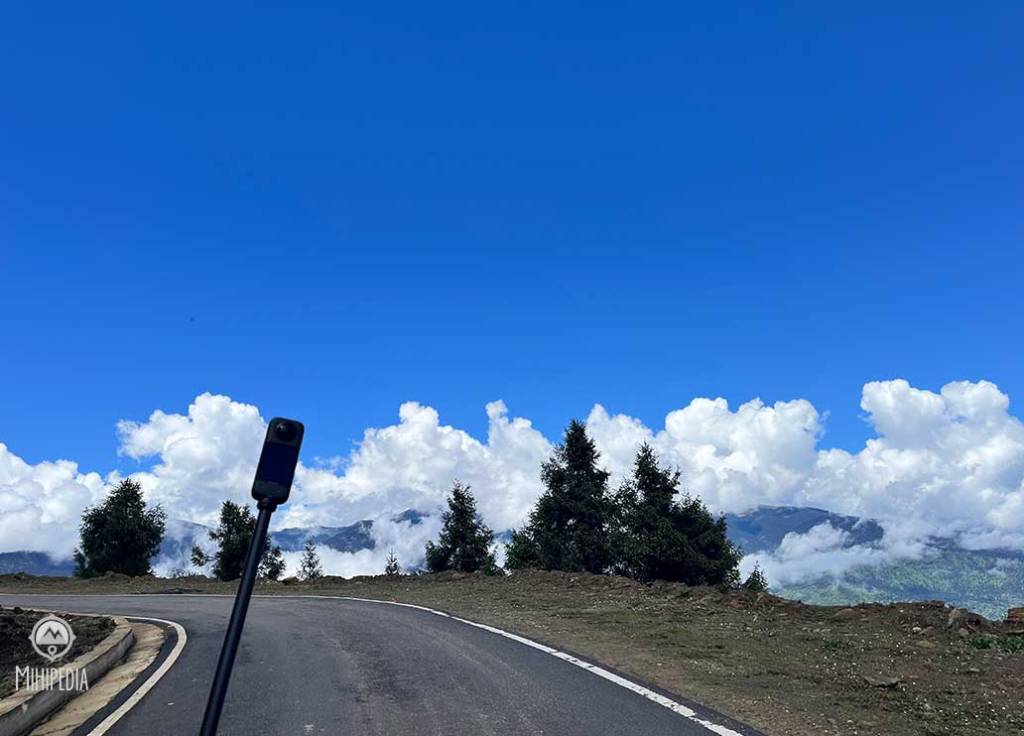
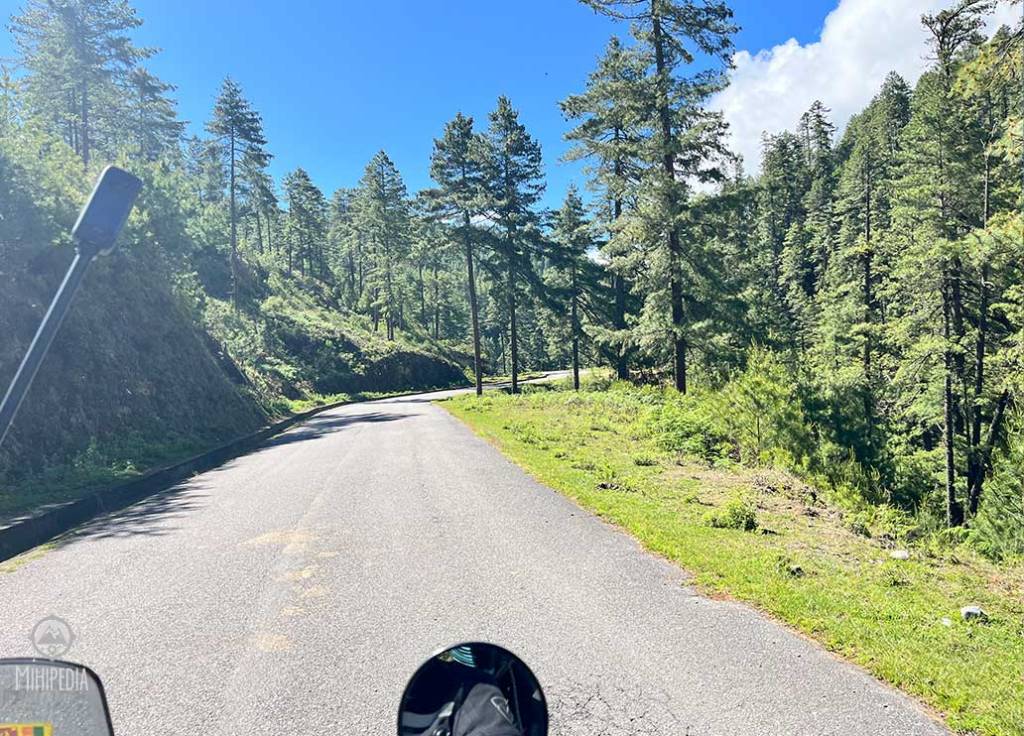
Then came the climb.
The road snaked upward again, winding toward the mighty Thrumshing La Pass. The air thinned, the clouds thickened, and the prayer flags danced with such frenzy they seemed alive.
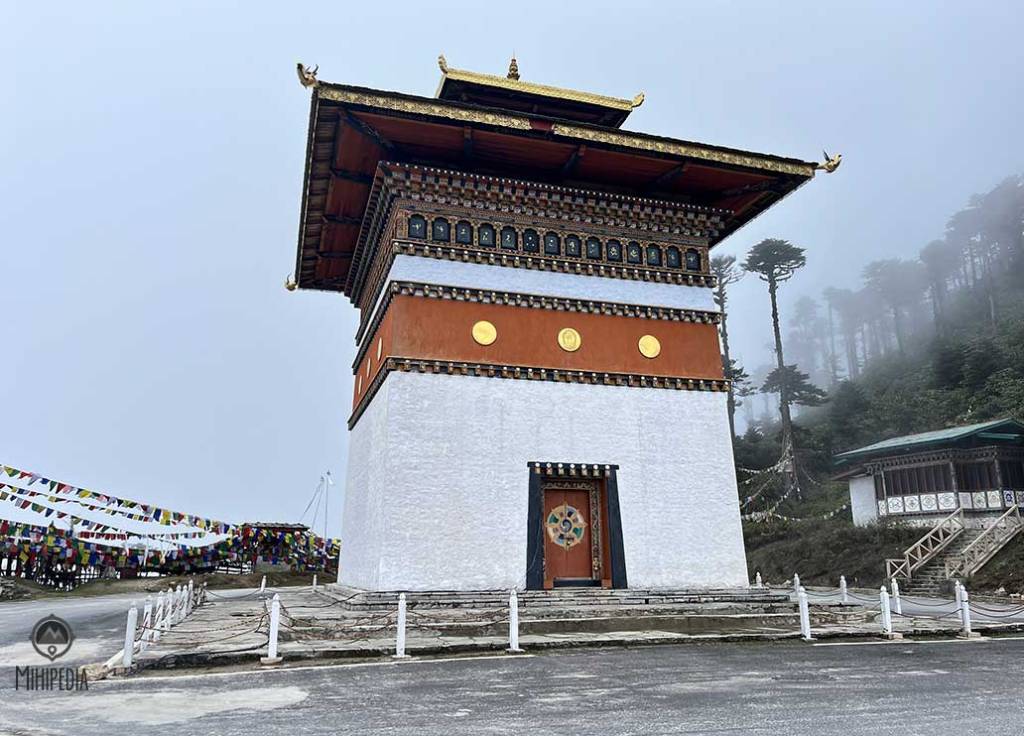
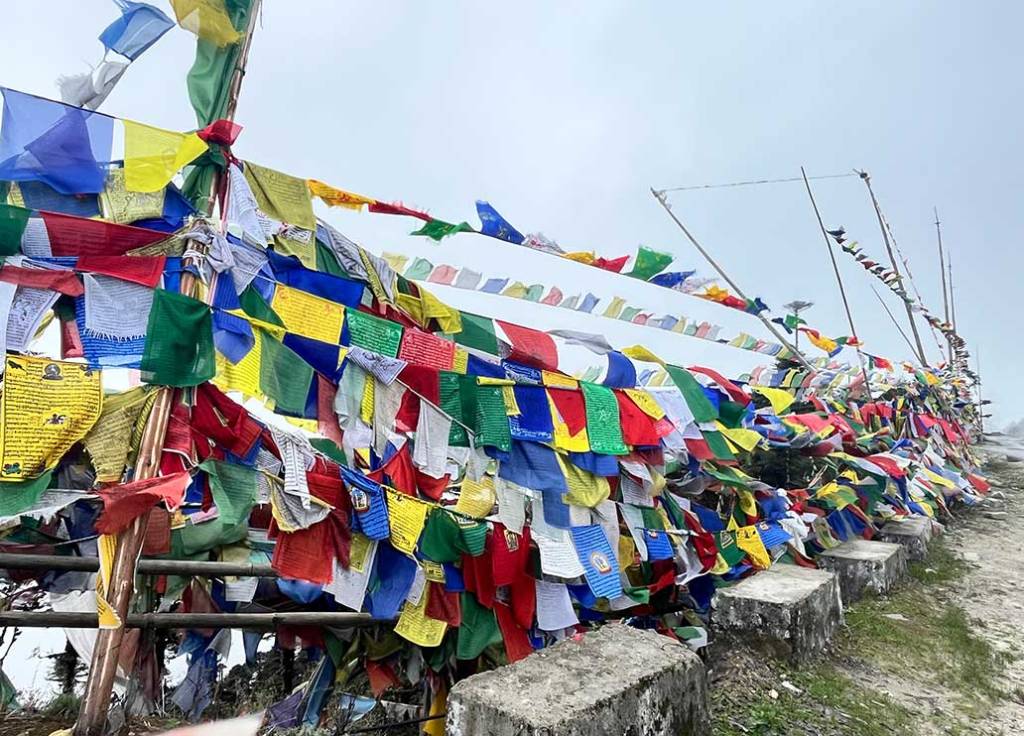
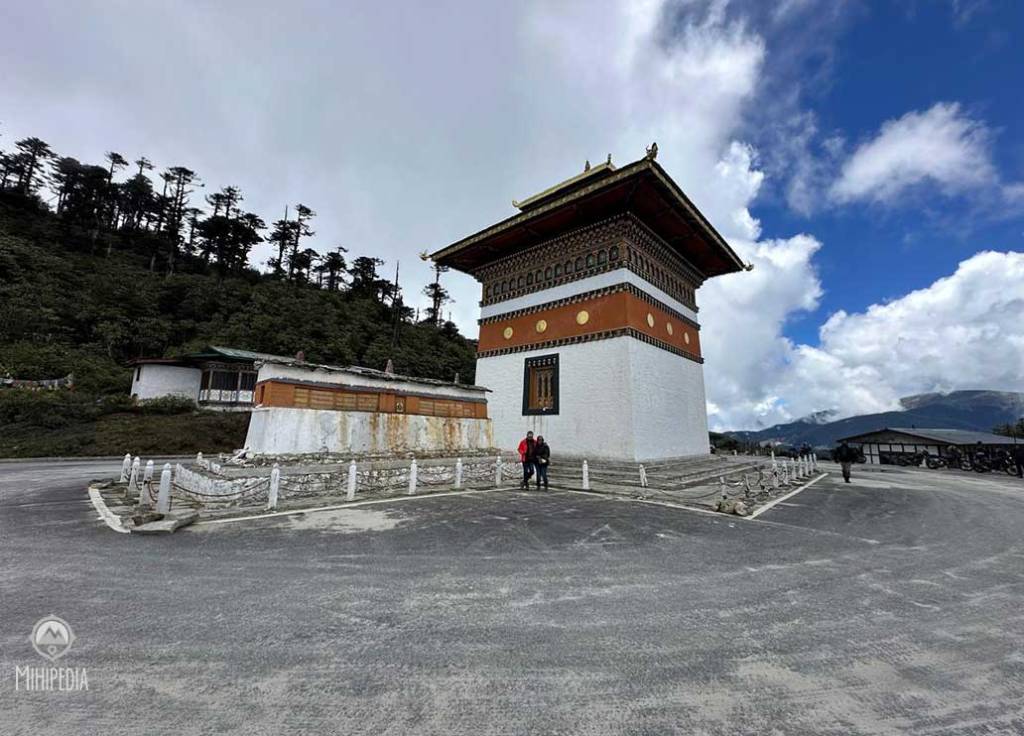
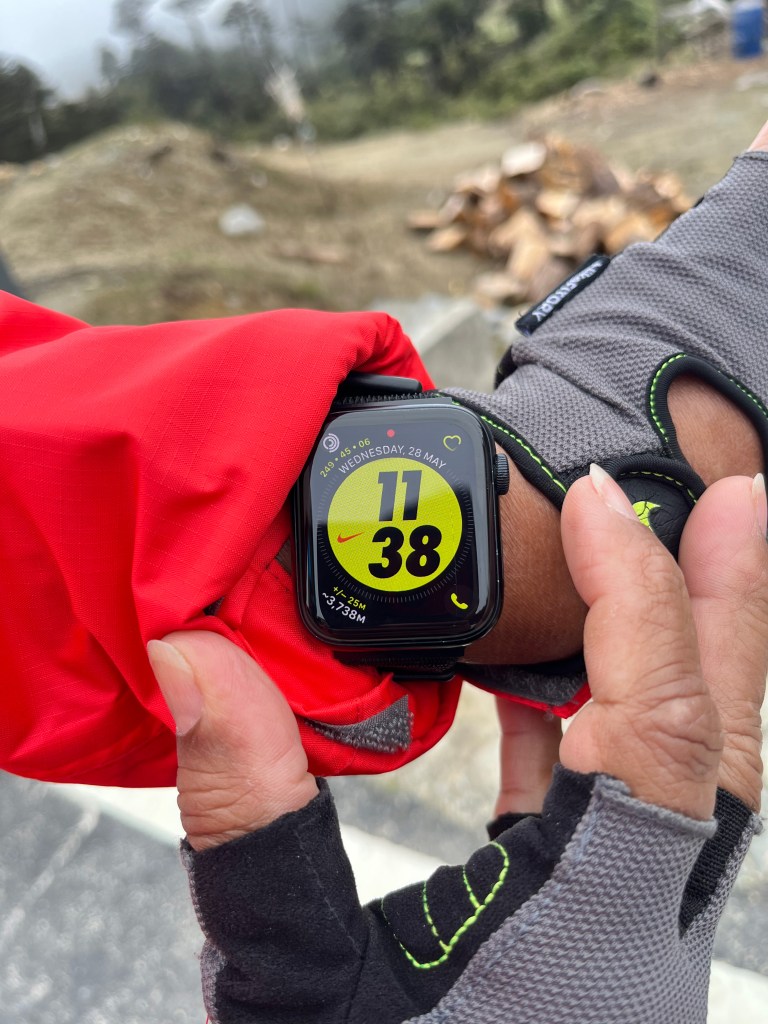
Thrumshing La Pass awaited, Bhutan’s highest motorable pass at a lung-busting 3,780 metres (12,402 ft). The wind picked up as we neared the top. Prayer flags whipped wildly, anchored in cairns of stones and whispers.
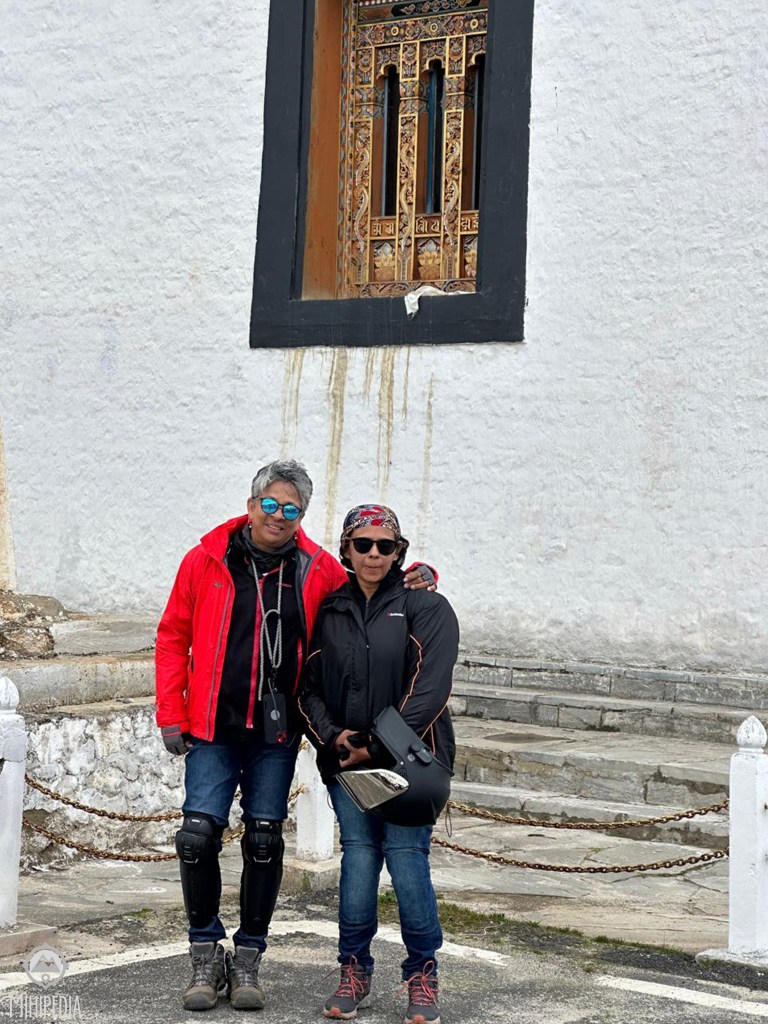
We paused at the summit—breathless from altitude, effort, and awe. The silence up there was immense, broken only by the flap of cloth and the occasional “wow” escaping our lips.
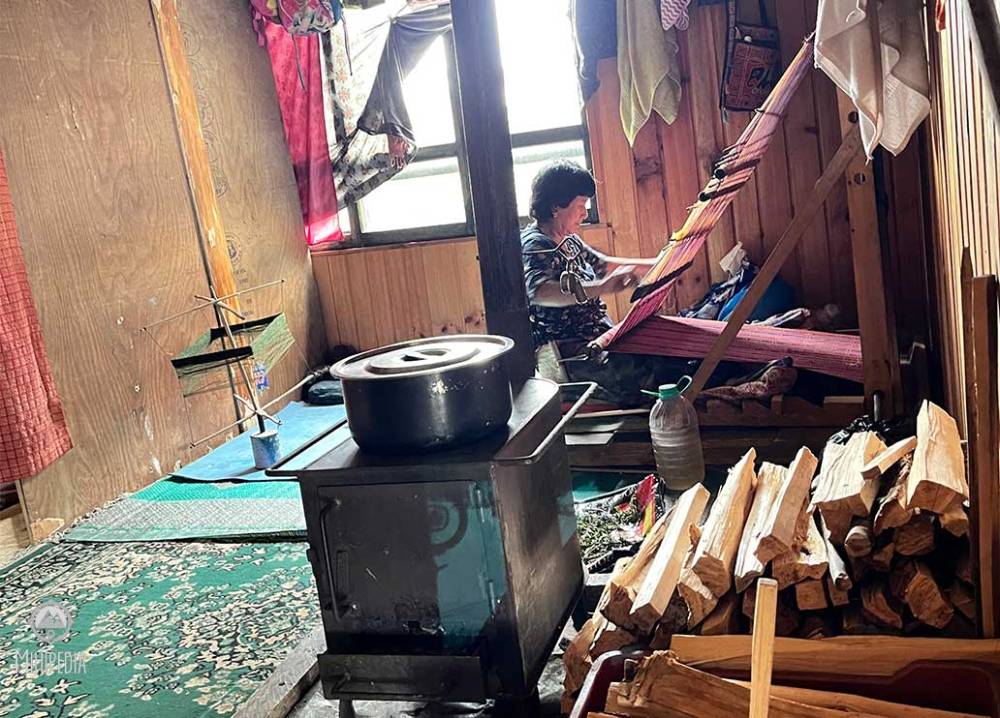
In the middle of nowhere (as it seemed to us), a woman sat weaving at a loom by her doorway, her fingers working nimbly, back straight as an arrow. We stopped by her window to watch her in reverent silence—Bhutan’s beauty often comes unannounced, humbly seated on a wooden floor, creating threads of culture.

We paused here for more photos and just to absorb the beauty that is Bhutan, wherever you may be.

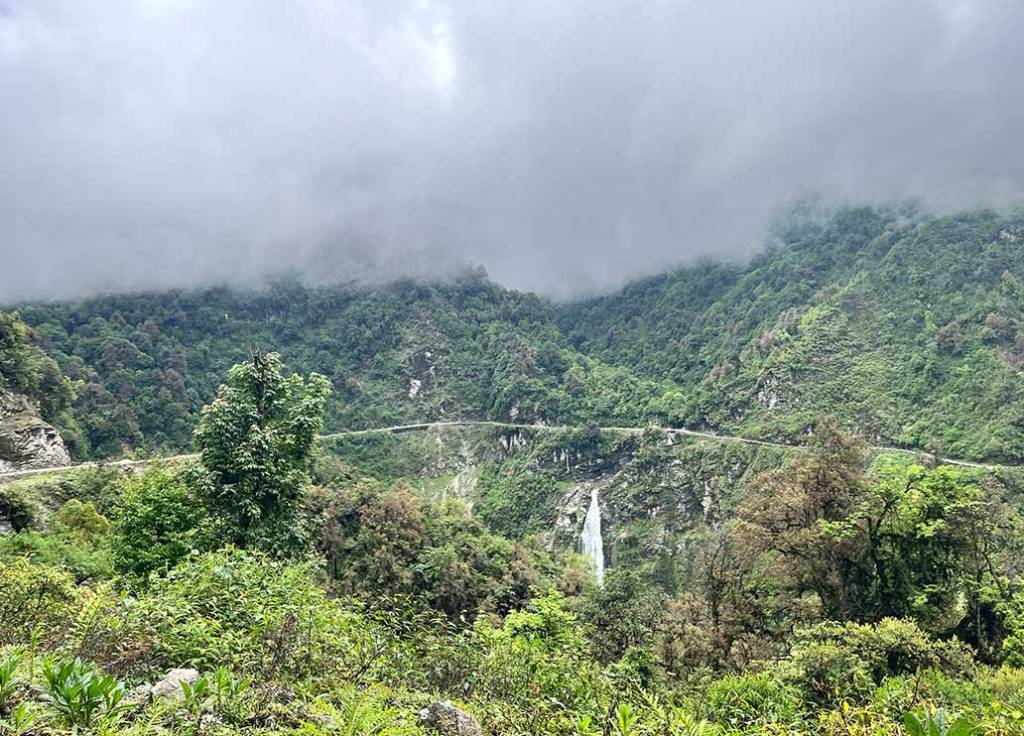
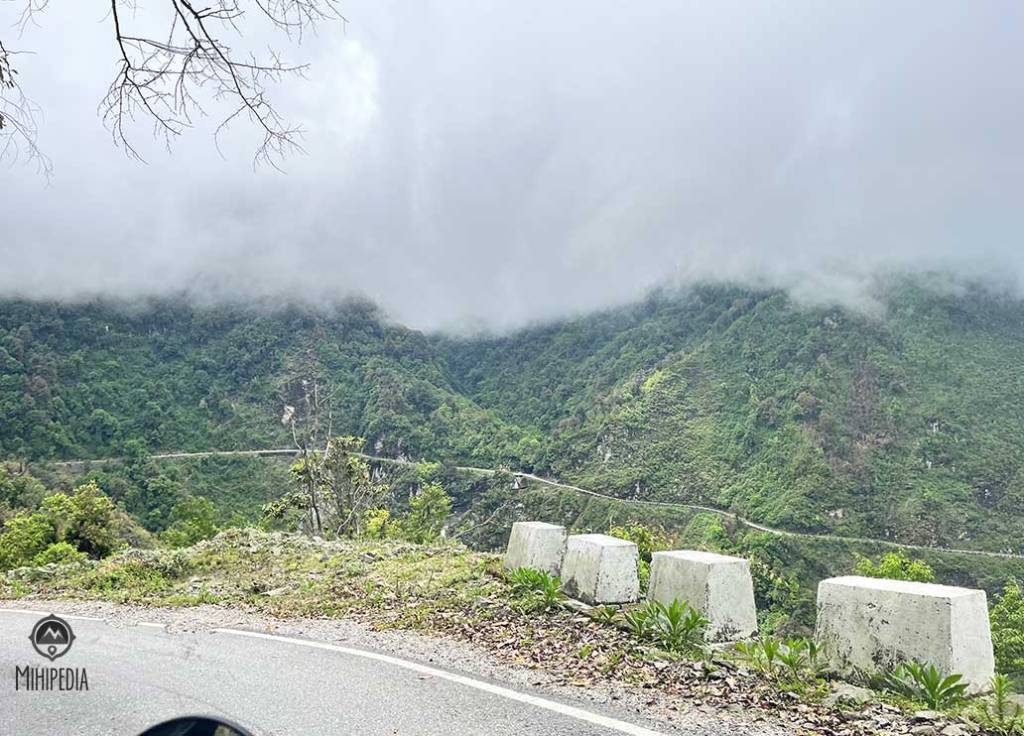
What followed was a descent of near-poetic proportions. The roads coiled and curved back into a warmer world.

Somewhere in the distance, we could hear the faint roar of water—and then suddenly there it was, the Namling Waterfall, cascading hundreds of feet into a moss-lined ravine. Around 300 meters tall, they say, and we believed every spray-soaked metre of it.
Just after that, mischief arrived.
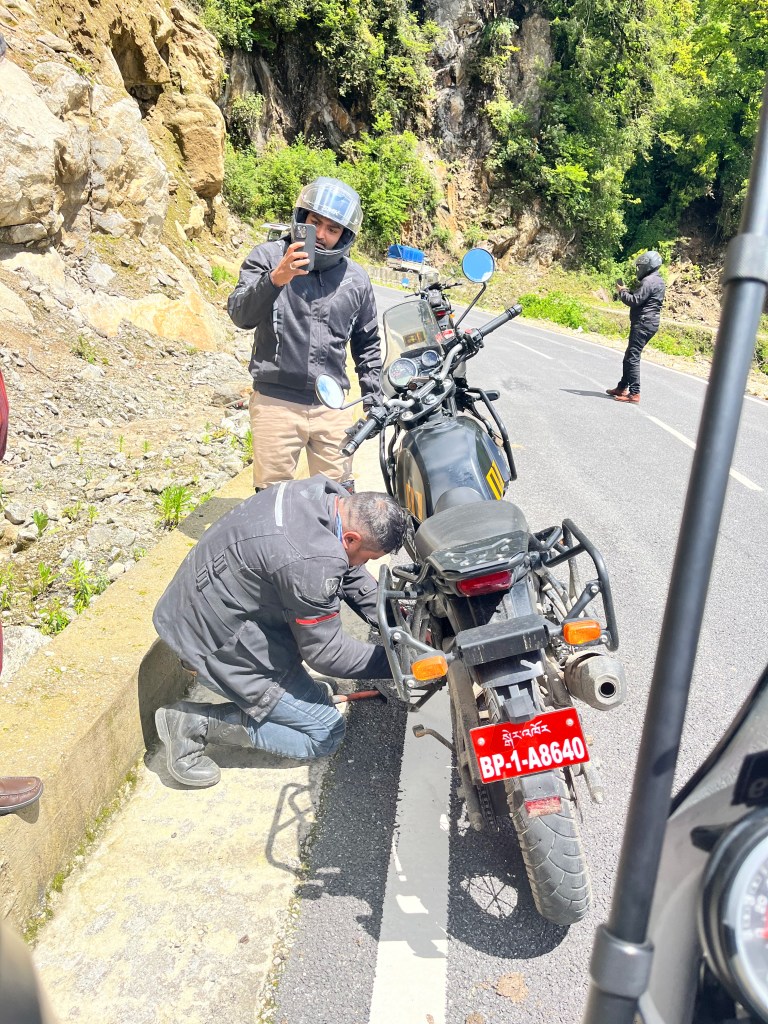
A troop of monkeys darted across the road—long tails, wild eyes, total chaos. In my haste to capture a photo, Himal slammed on his brakes which almost caused a biker pile-up of Royal Enfields behind us. But all’s well and we continue along the way.
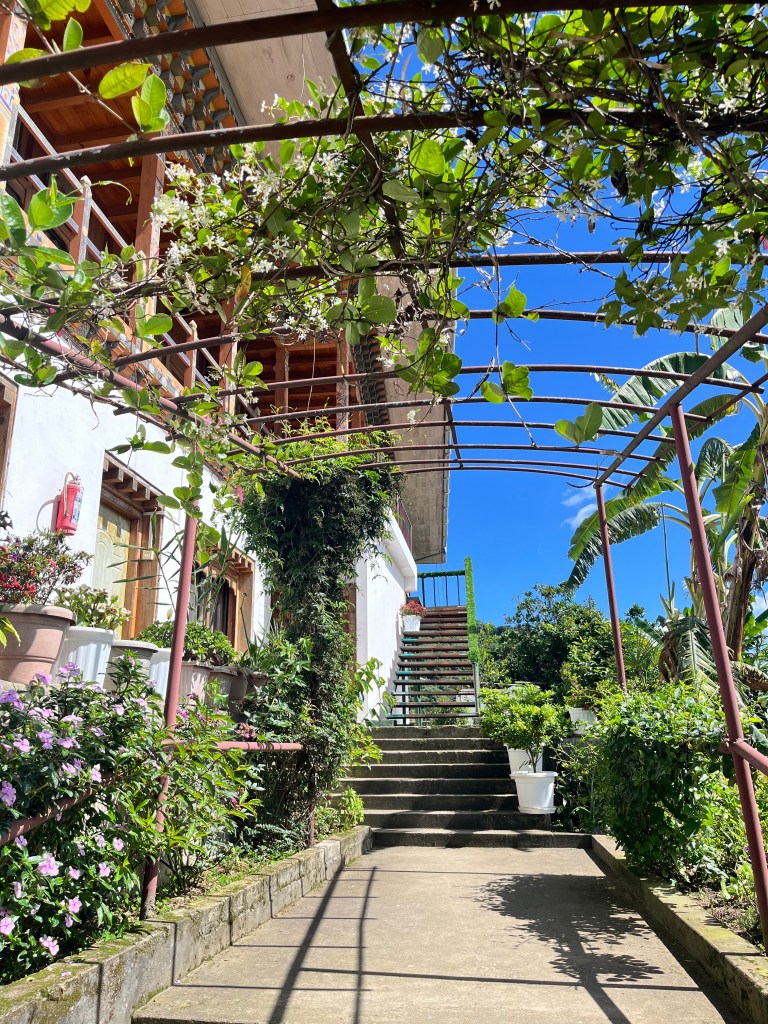
We lunched at Trogon Villa Lodge, a peaceful restaurant tucked into the slopes, which are renowned for birdwatching. The food was simple, the views extravagant, and the toilets much appreciated—especially by Tarique, who by now was riding like a survivor of war.
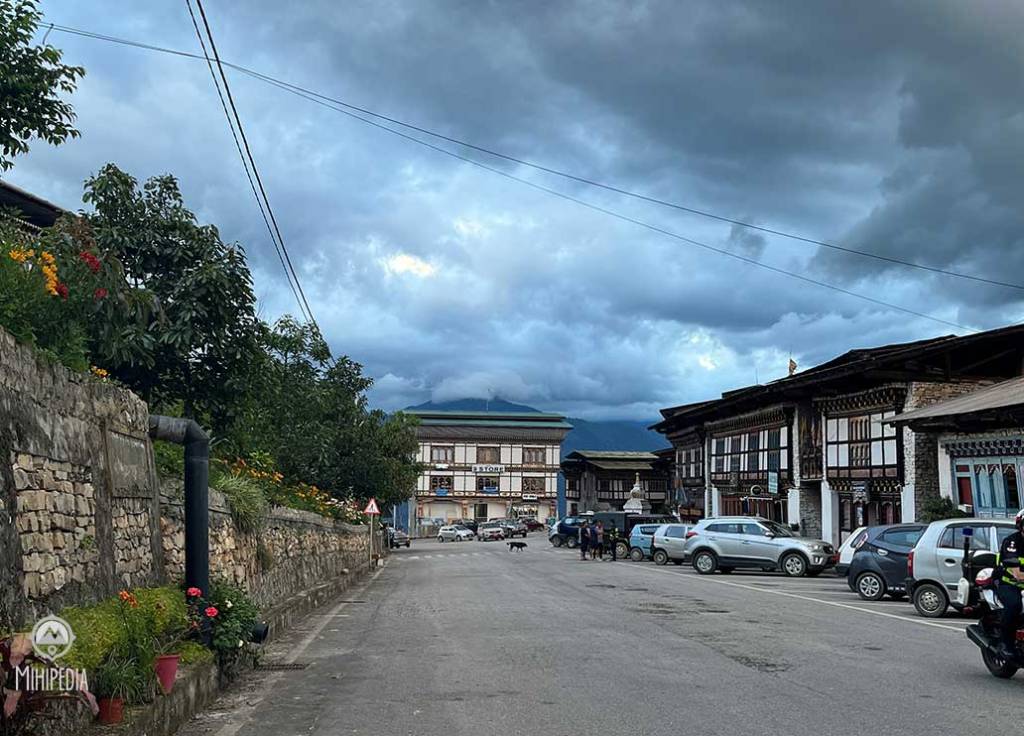
By late afternoon we rolled into Mongar, a town that clings to the mountains like it was poured there in tiers. Not quite sleepy, not quite bustling, Mongar had character in the most understated way. We wandered its market lanes, bought more local brew and settled down for an evening of reminisce. It was less ornate than western Bhutan, but held its own quiet charm—Bhutanese architecture here mixed with modern elements.
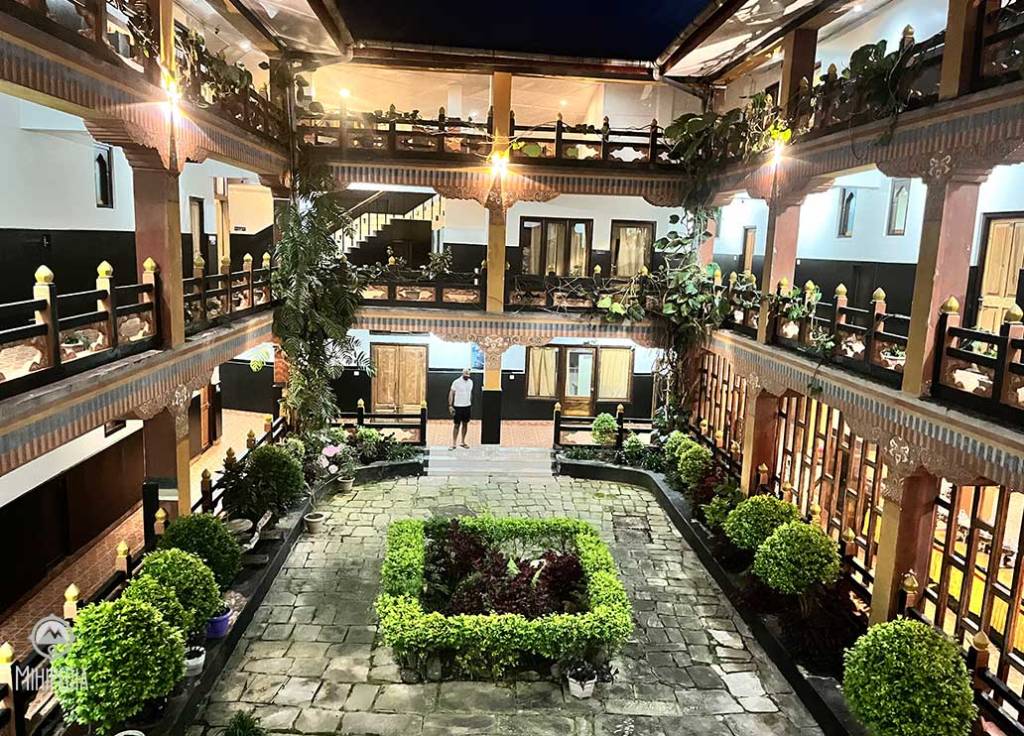
Our stay for the night was at the Wangchuk Hotel—clean, central, with windows that opened to hills of green and pink azaleas and the most artistic atrium.
As we turned in for the night, someone asked if this was the most scenic ride yet.
“Depends,” said Tarique, dryly. “I saw most of it from the inside of a toilet.” Not long after, he was whisked off to hospital for a quick fix before tomorrow’s ride. And what are the chances that the house doctors greeted him in Sinhalese, having also studied at KDU Sri Lanka!
Total Distance – 208 kms. Total Time – 6 hrs Total “Turbulance” Stops – 4

 Mihipedia.lk
Well said Mihiri. we will never forget “internal turbulence”
LikeLike
haha yes! Despite his setback, we did find it funny. But thankfully, Tarique had recovered by the next day.
LikeLike