

It’s Day 8 of our ride and we leave Wangchuk Hotel in Mongar at around 8:30 a.m., engines humming in the icy hush of morning. The sky was a pale pewter and the air had that bite only high altitudes can deliver—sharp, invigorating, and strangely comforting. Tarique, still not fit to ride but visibly better, clambered into the backup vehicle with a resigned grin. He joins Onyalie, riding out the day cocooned in the warmth of four wheels.
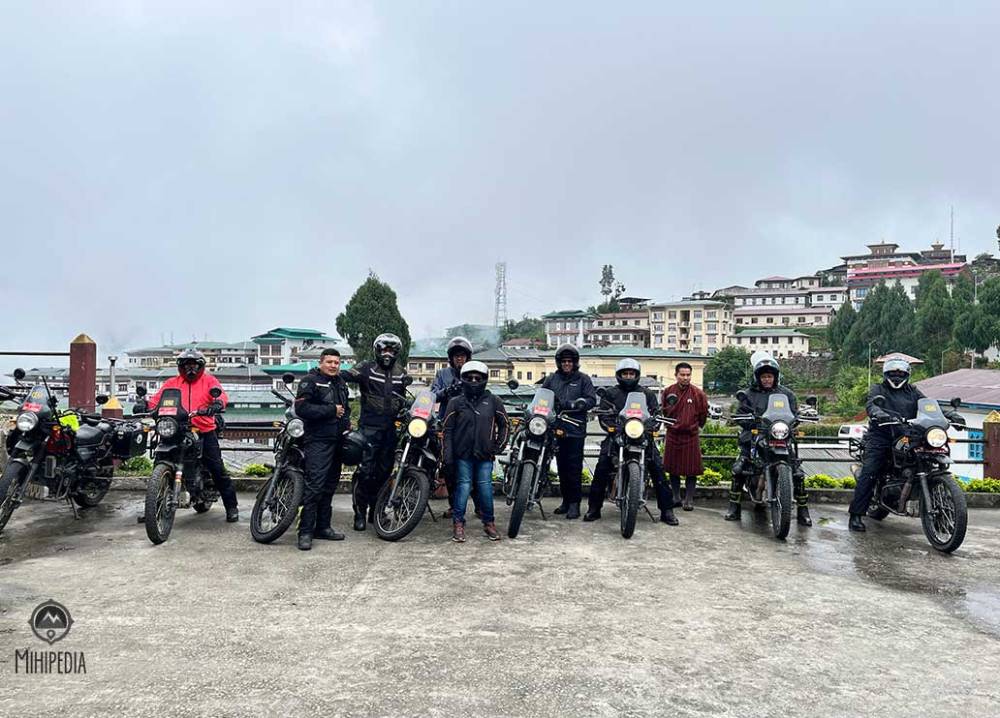
The rest of us mounted up, pulled on gloves stiff with yesterday’s ride, and throttled into the fog-bound road.
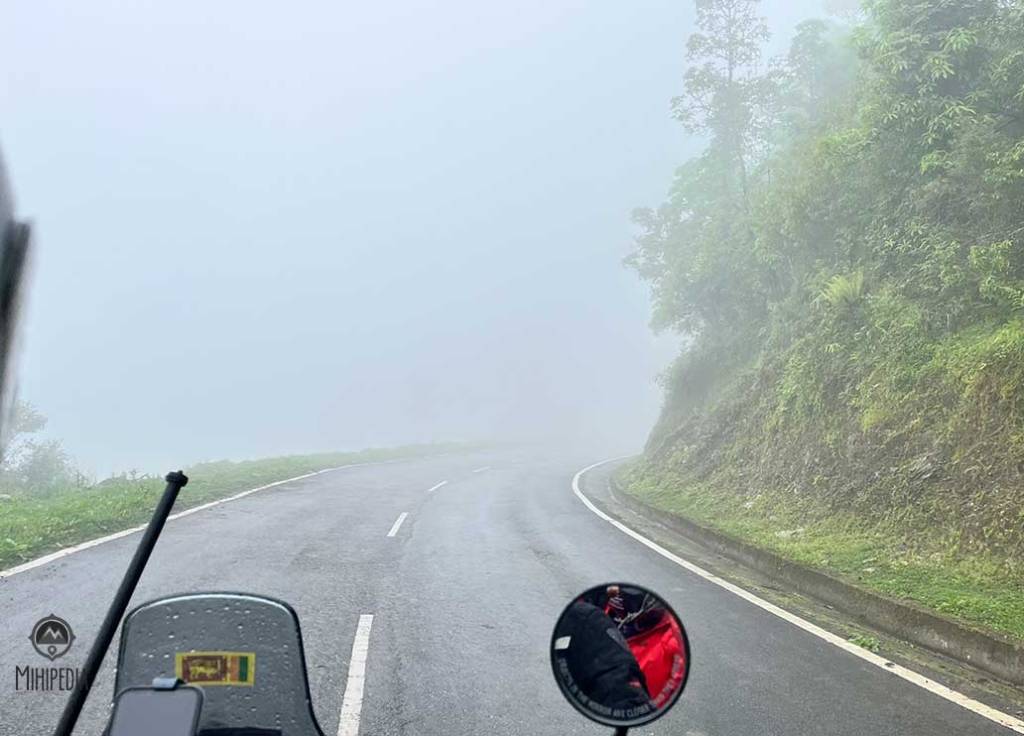
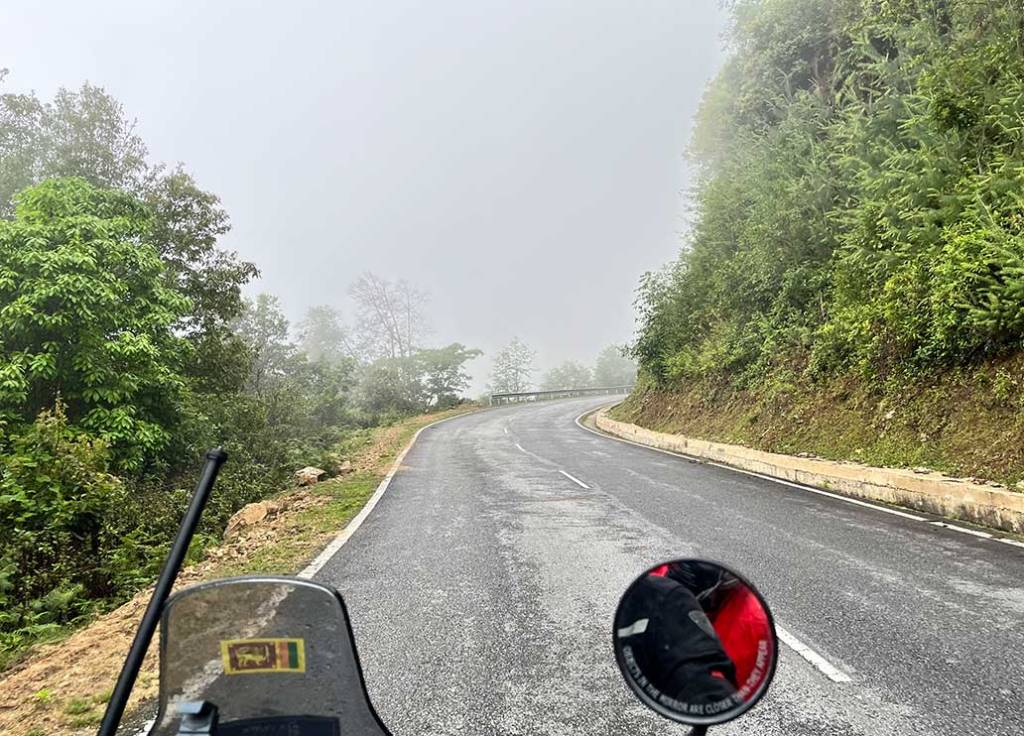
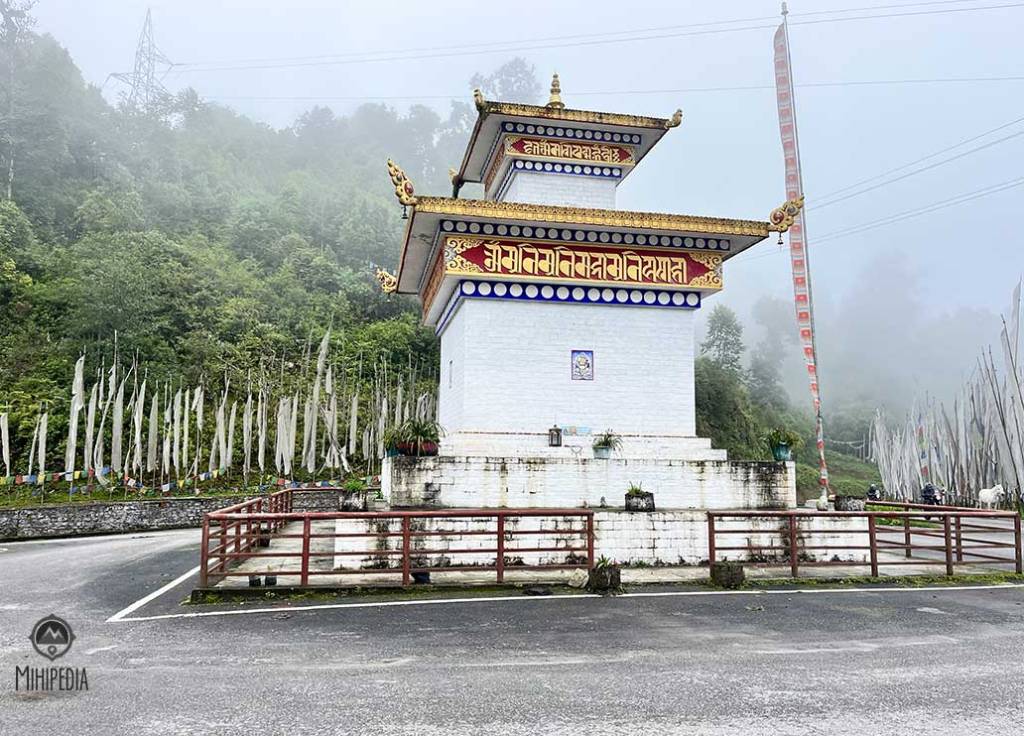
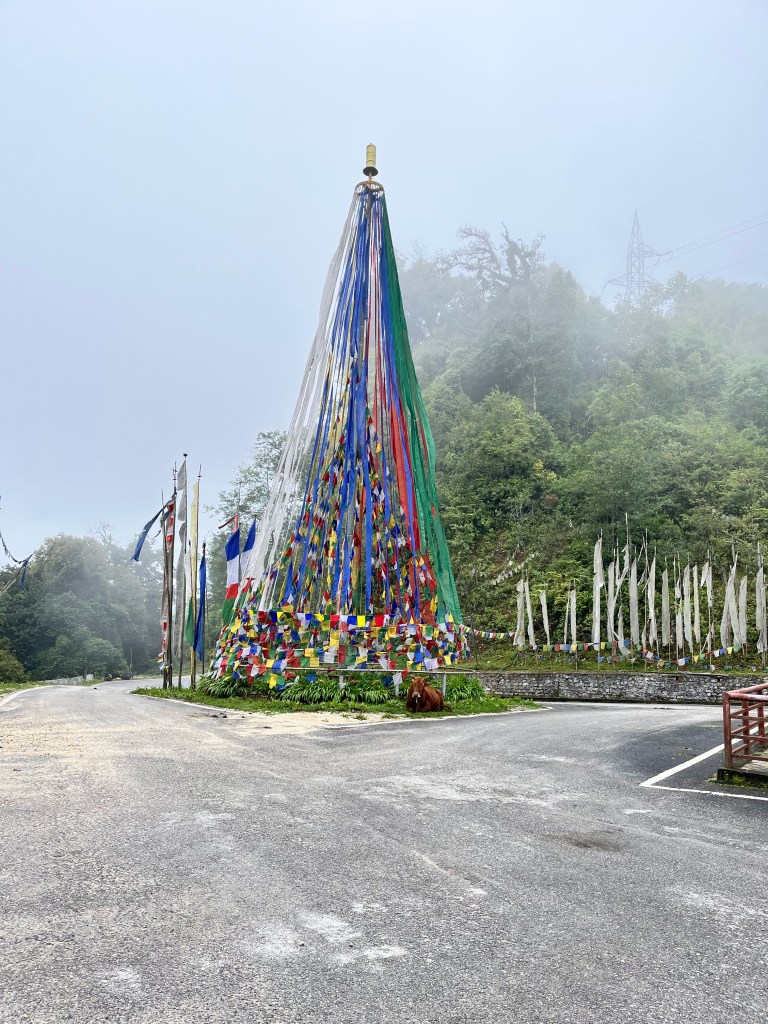
Soon we began the slow, thrilling ascent to Kori La Pass, one of the last great climbs of this ride. At 2,450 metres (8,038 feet), it doesn’t boast the daunting altitudes of Pele La or Chele La, but Kori La is deceptive in its modesty.
And then begins the descent.
Kori La, far from being a mere checkpoint, felt like an initiation—a rite of passage etched into the cloudline. Riding through its cold, stony corridor was like taking a final exam in Bhutanese mountain motorcycling.
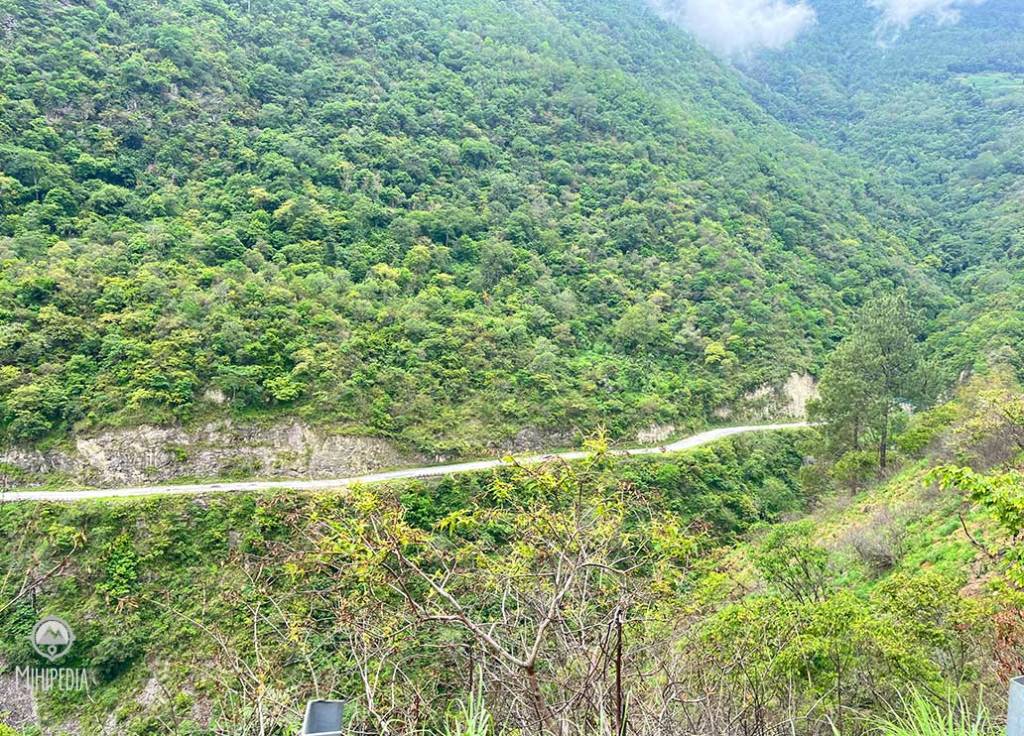
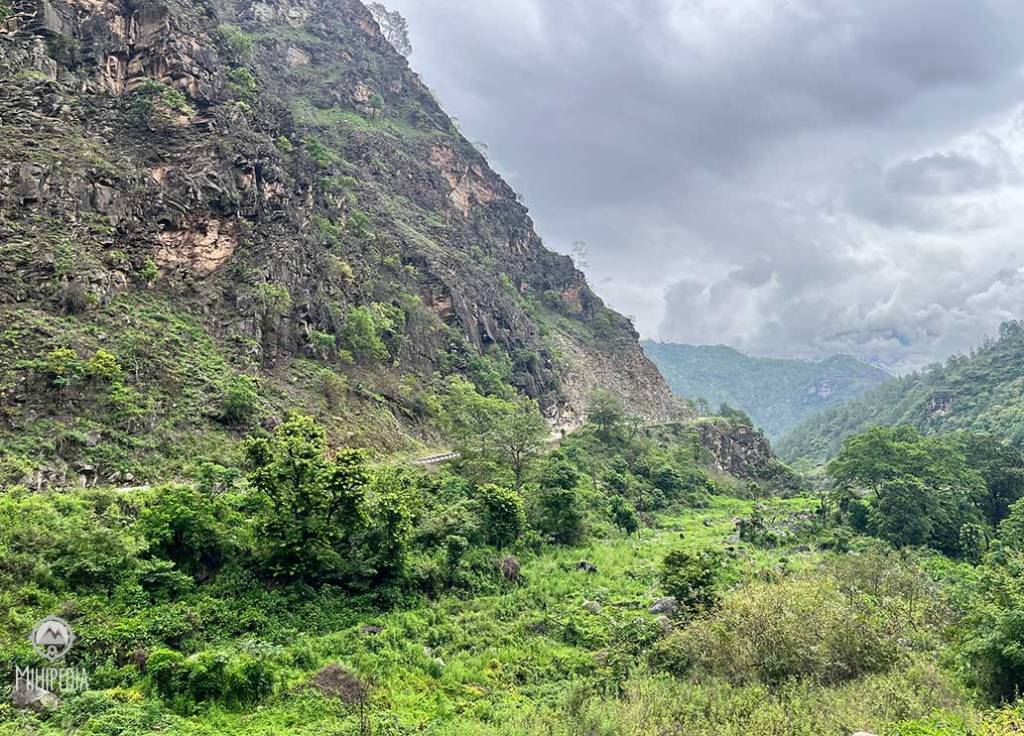
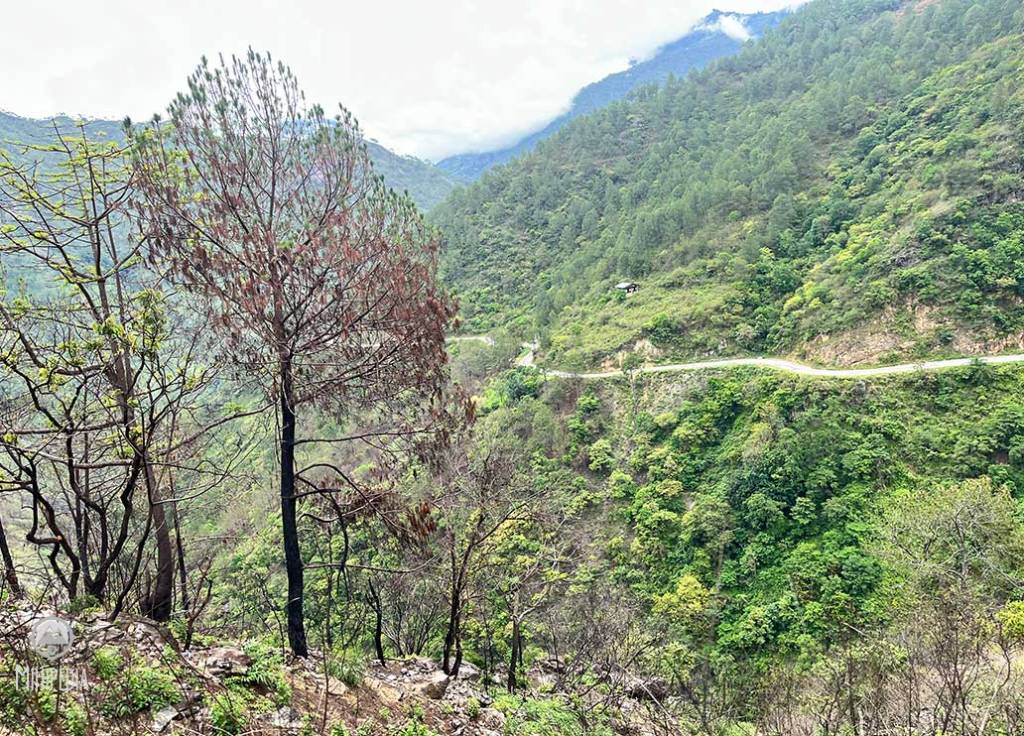
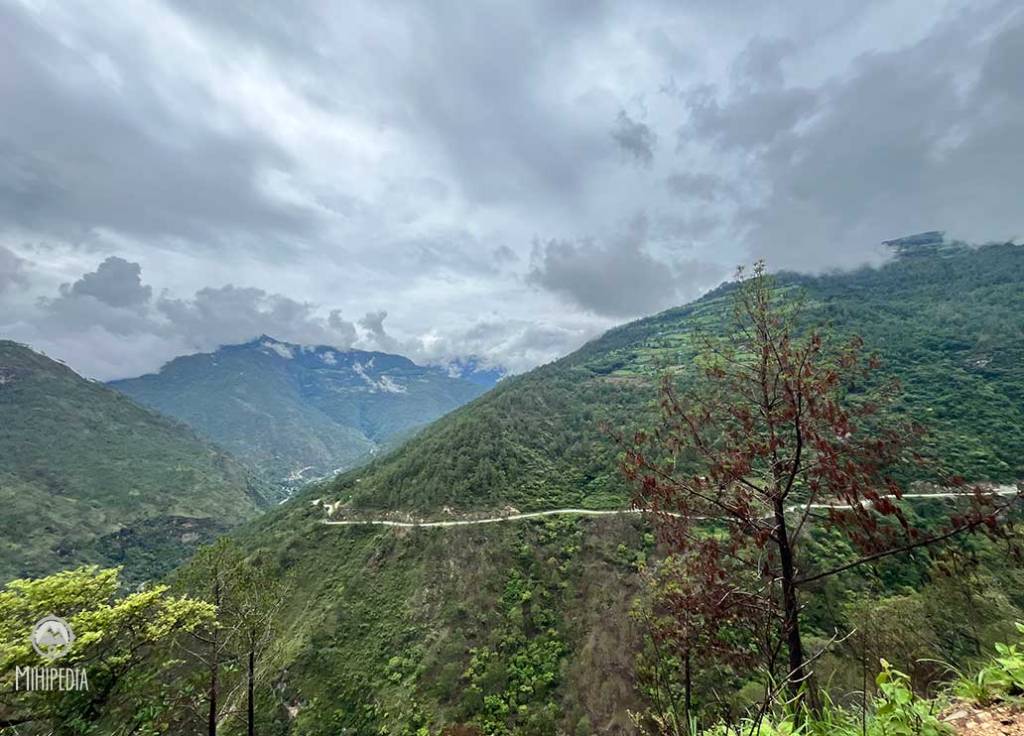
The road twisted and curled into a wild choreography of tight hairpin bends and narrow ledges, draped like a silk ribbon clinging to the mountain’s shoulder. On one side, moss-draped cliffs pressed in close; on the other, the earth simply vanished—plunging into misty chasms far below. The air was thick with silence, the mist folding over the road like a shroud, and every bend demanded full attention, both mental and physical. I hung onto Himal, like my life depended on it.
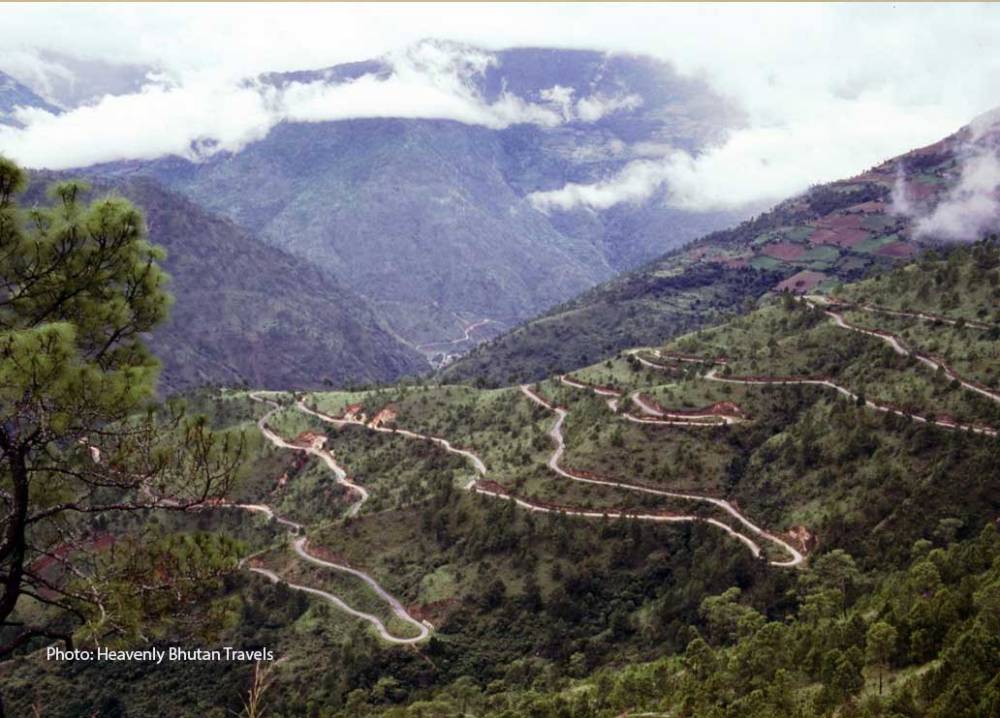
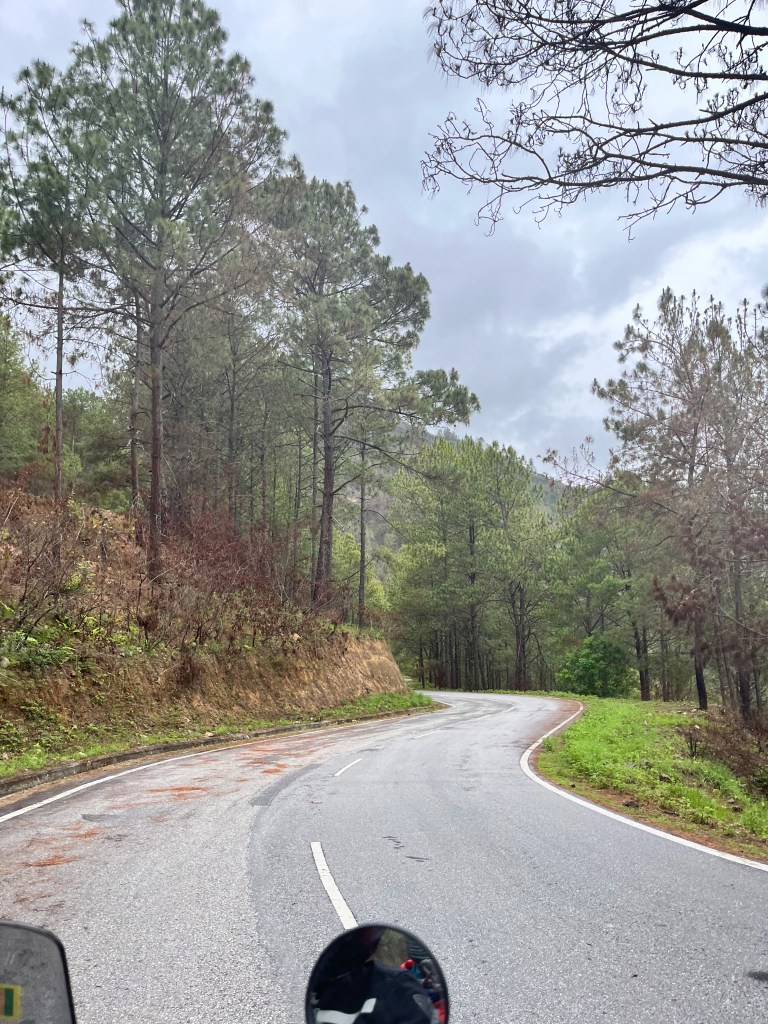
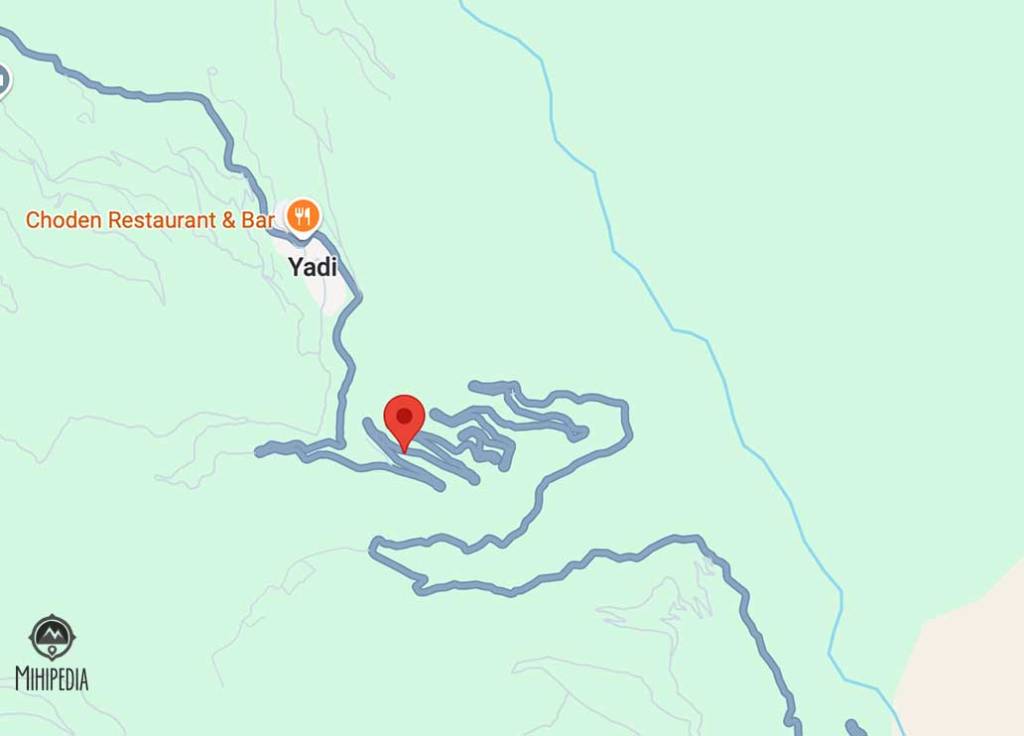
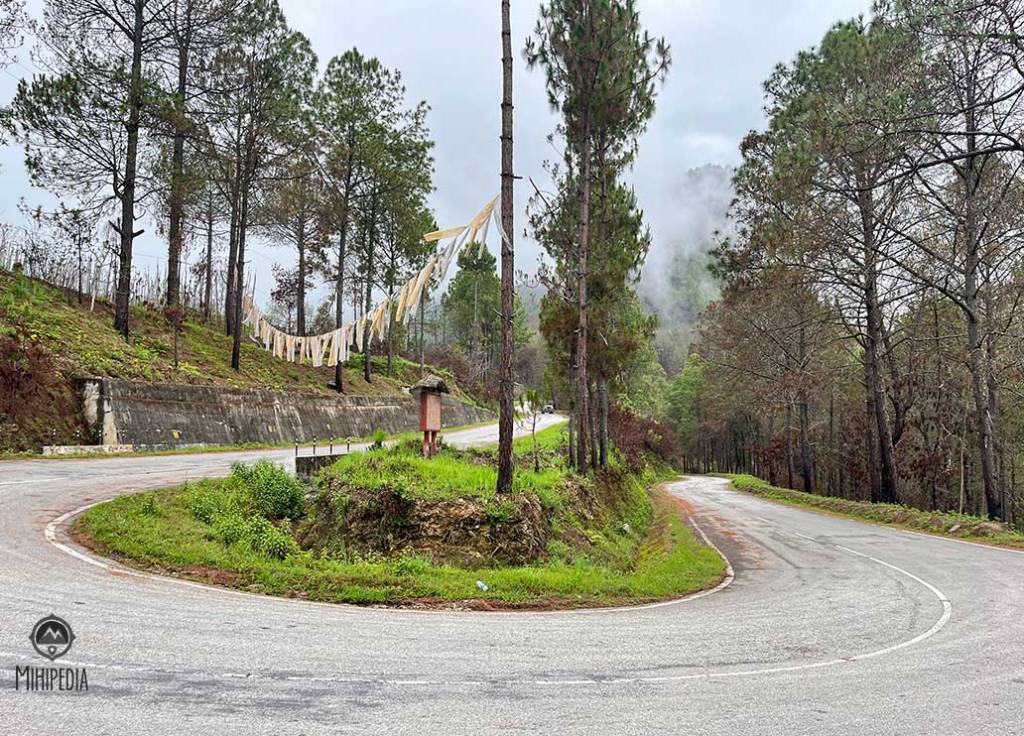
This stretch was made all the more unforgettable by the infamous “Yadi Bends”—a series of sharp, tightly spaced zigzags near Yadi village, often described by locals and riders alike as “hair-raising” or “Bhutan’s most dramatic switchbacks.” Each curve was a test of skill, nerve, and balance.
There was a strange, beautiful rhythm to it: lean in, trust the road, shift your weight, breathe. Then—just as fatigue began to set in—the clouds broke for a heartbeat, revealing a lush valley unfurling far below, a fleeting wink from Bhutan herself.
After so many days riding pillion, my body has finally settled into the rhythm of the road. The early stiffness—the awkward dance of balance, the sore knees, the braced shoulders—has long since faded. Now, it feels almost natural, as though I’ve become an extension of the bike itself. I’ve learned to move with Himal, to anticipate his shifts, to lean when he leans. There’s an unspoken sync between us now—no need for words, just a shared language of turns, throttle, and terrain. Even the altitudes and sudden swings in temperature don’t throw me anymore. What once felt foreign and unpredictable has become familiar. I’ve adapted, absorbed, and in some quiet way, belonged.
There are times—like this—when I feel incredibly blessed. Riding through these mountains, breathing in the cold, clean air, watching the world unfold curve by curve… it reminds me how fortunate I am to live a life shaped by adventure, connection, and the magic of the unknown.
Then came the long descent into the eastern valleys, each kilometre warmer, sometimes hotter, and greener. We rumbled down into Rangjung, a quiet, spiritually charged town that seemed to cradle its monastery like a secret. Tucked away beside the roaring Gamri Chu river, Rangjung Monastery is not known for grandeur, but for depth.
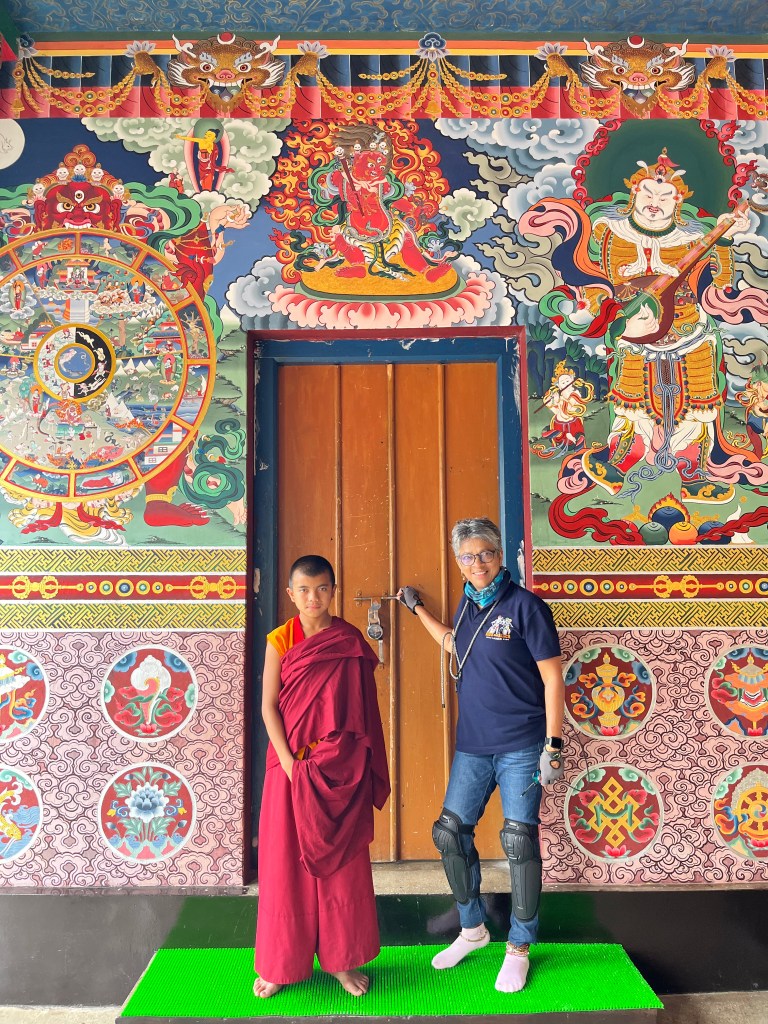
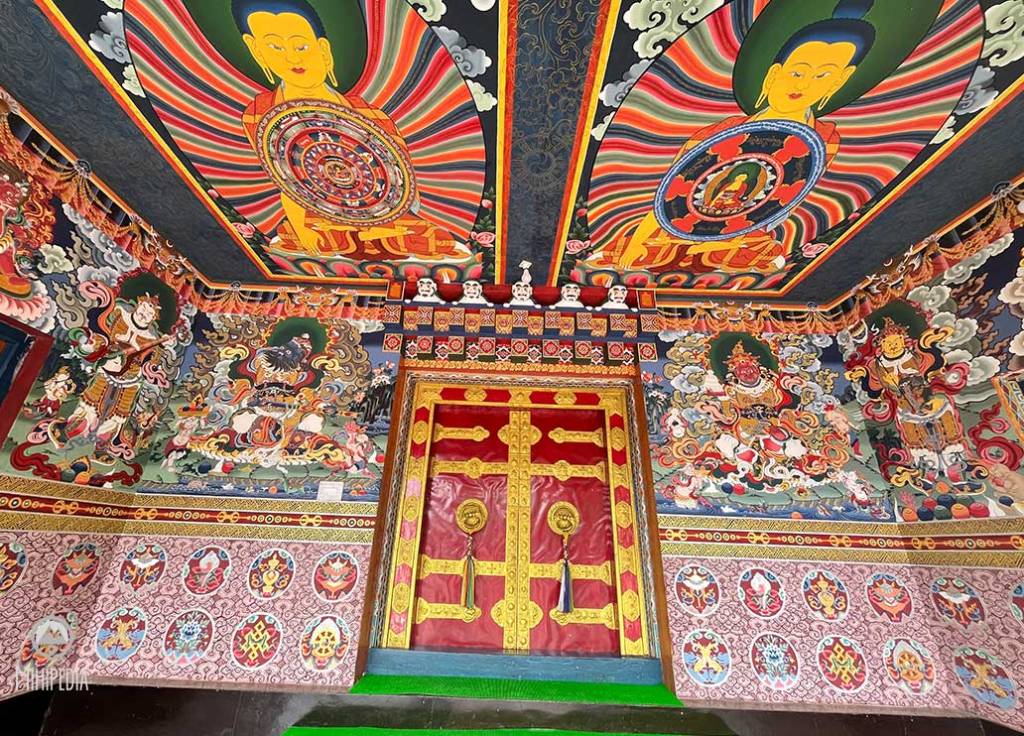
Established by Dungse Garab Rinpoche, a revered master of the Nyingma school—the oldest of Bhutan’s four Buddhist traditions—Rangjung is a beacon of Vajrayana thought and practice. The monastery serves as a key retreat and training centre, especially for young monks from the east. There’s a powerful energy here—steady, grounded, eternal.
While the ever-attentive and deeply knowledgeable Tshering brought the monastery’s stories to life with quiet reverence, we wandered through its polished corridors, where saffron-robed monks glided by like murmured prayers. Butter lamps flickered on the altars, glowing like constellations held gently in brass. We paused, scanning the mural-covered walls in utter awe, letting the silence settle in. Beyond the doorway, the sound of distant bells mingled with the rush of the river—and for a brief, suspended moment, time forgot to move.

To shake off the reverie, we stopped in town for coffee and ice cream. Yes—ice cream. It felt both hilariously out of place and utterly perfect in a meditative town. Bhutan always surprises you like that—just when you think it’s all incense and introspection, it hands you a popsicle and winks.
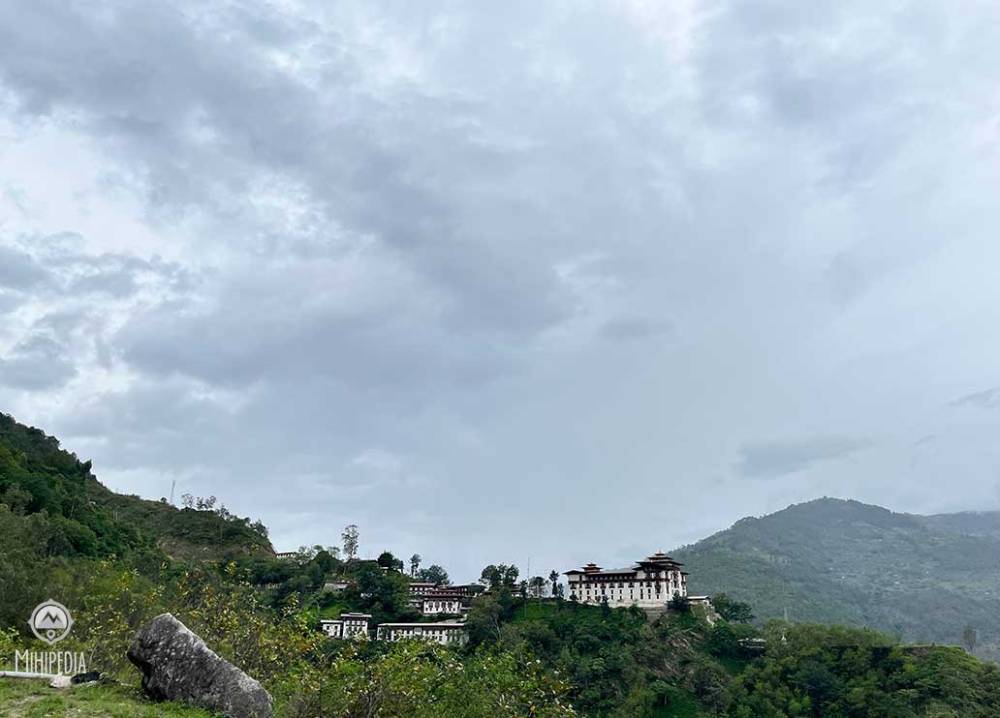
From there, we rode on to Trashiyangtse, our final stop of the day, where the ancient Trashiyangtse Dzong stood like an aging warrior—less polished than its western cousins but proud and weather-worn. The dzong has served as a religious and administrative centre for centuries, its layered past etched into its cracked timber beams and faded prayer flags. It wasn’t grand—it was grounded. It belonged.

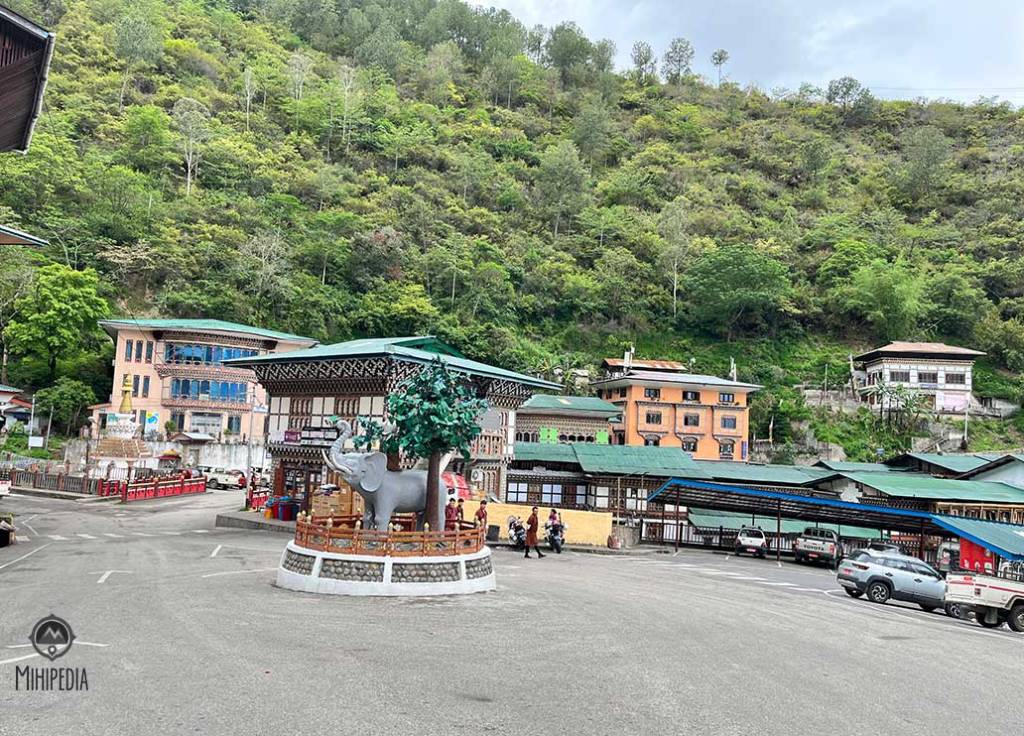
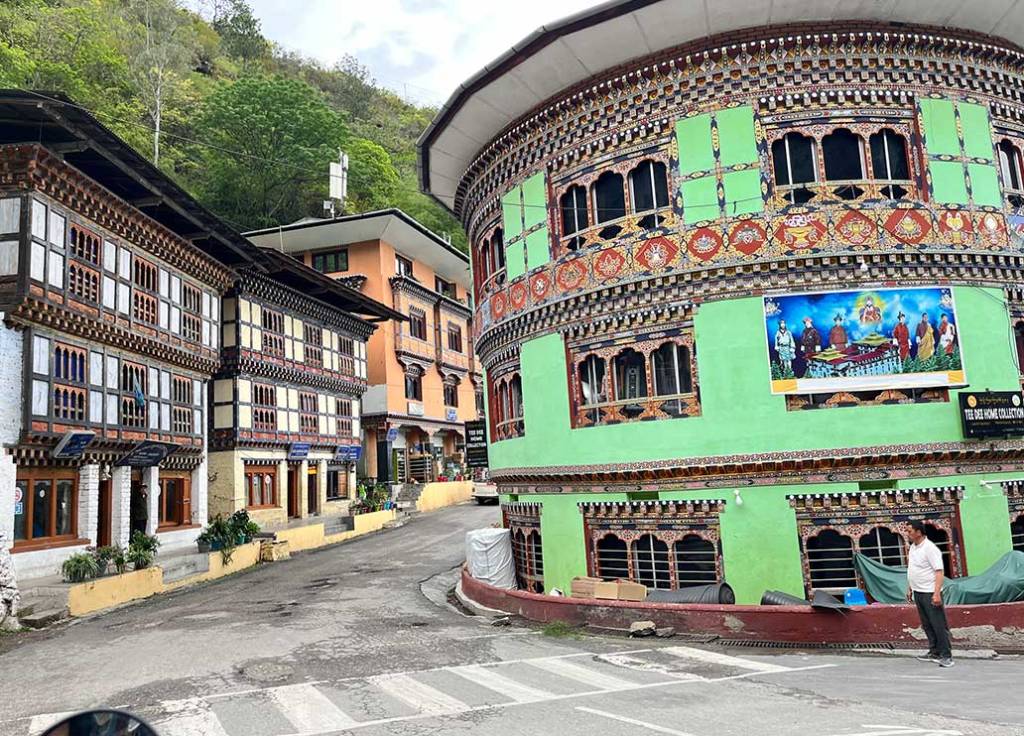
That evening, hungry for warmth and company, some of us wandered into this small town and caught up in Vinod’s determined curiosity, we finally slipped into a modest tavern tucked away on a side street run by a formidable woman with sharp eyes and a warmer smile. Inside, the crowd was an unlikely collection: two civilians in their ghos, seated cross-legged in a corner; two Buddhist priests quietly sipping Nescafé, and a few others chatting in Dzongkha. The atmosphere was relaxed, unfiltered, very local.
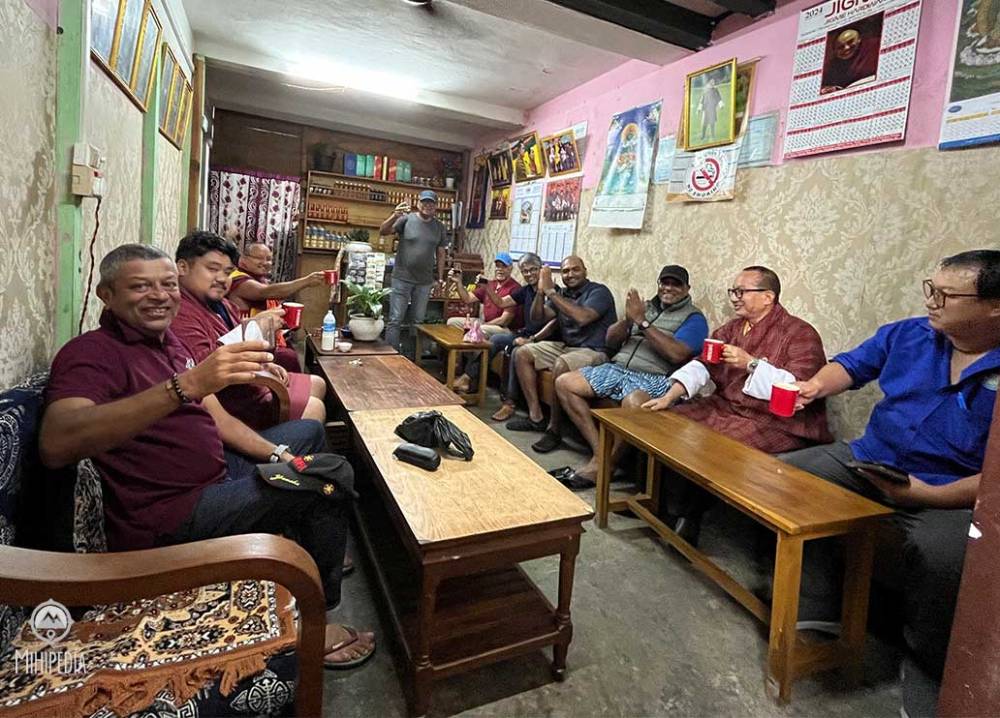
We ordered a few pegs (a peg costs 100 INR) of the local spirit—rough, fiery, and exactly what was needed. And in a moment I’ll never forget, we raised our mismatched cups and clinked them together in a round of spontaneous cheers. Even the monks joined in, lifting their mugs of instant coffee with small grins. There was no pretense, no judgment. Just shared warmth in a wood-paneled room somewhere on the edge of the world.

Our stay tonight was at Druk Deothung Hotel, perched high above the valley. It’s a comfortable place, built for travelers but blessed with a view fit for royalty. The bathrooms are comically huge—you could throw a dance party in there if you were so inclined. I stood at the window brushing my teeth and watched the eastern hills dissolve into the dark, wondering how time had slipped past us so quickly.
We’ve ridden over 800 kms in the past eight days, crossed passes, rivers, and centuries. And now, with just one riding day left, it’s hard not to feel a little ache settle in the chest. This trip has become a part of us—dirt under the fingernails, wind in the bones, and the hum of Royal Enfields trapped in our helmets.
Tomorrow, we ride one last time.
Total Distance – 130 kms. Total Time – 6 hrs Total Hairpin Bends – Plenty

 Mihipedia.lk
super…….
LikeLike
It truly was a ride to remember.
LikeLike
Sad to think this is almost the end of another epic journey.
LikeLike
Wonderful
LikeLike
Why, thank you Miss Krishni 🙂 Was a pleasure riding along with you!
LikeLike
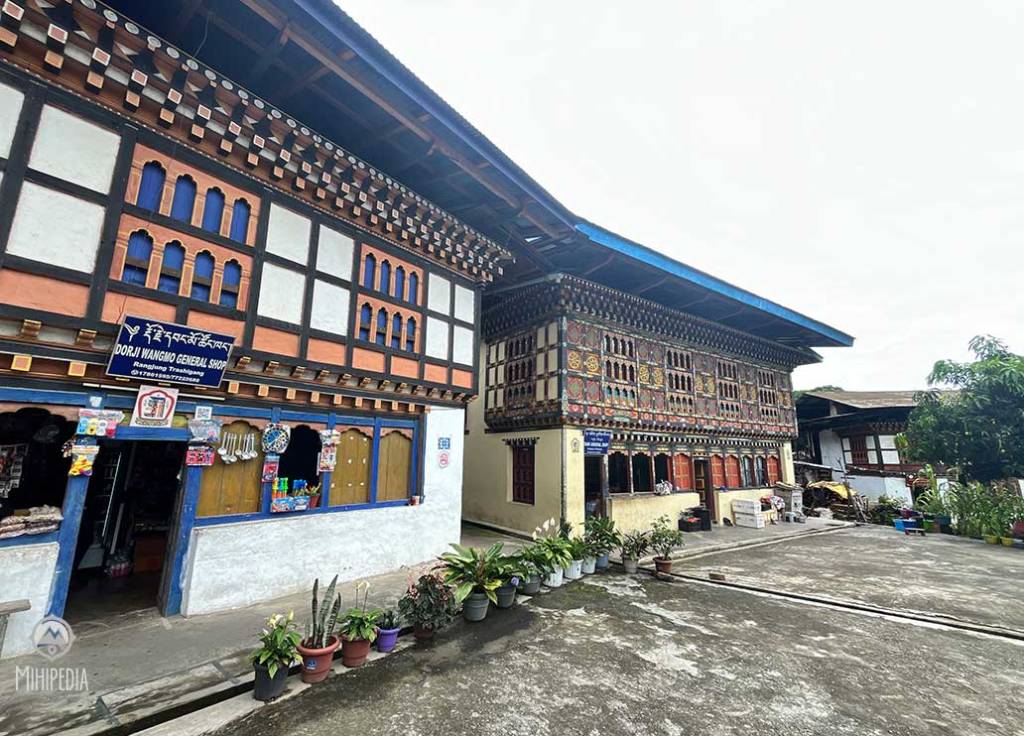
The Photograph captioned as ” Trashiyangtse Town” is not Trashiyangtse. It is Trashigang Town. Maybe you uploaded a wrong photo.
Is a wonderful story beautifully crafted.
LikeLike
Thank you for pointing that out to me. I have edited the caption 🙂 And thanks for reading my blog and the kind words. Hope you will enjoy the rest of my travels, too.
LikeLike