
Some journeys don’t simply take you somewhere—they return you to something lost. Silence. Wonder. The reminder that nature still works to its own ancient rhythm. This journey gave us all of that briefly caught in bloom.
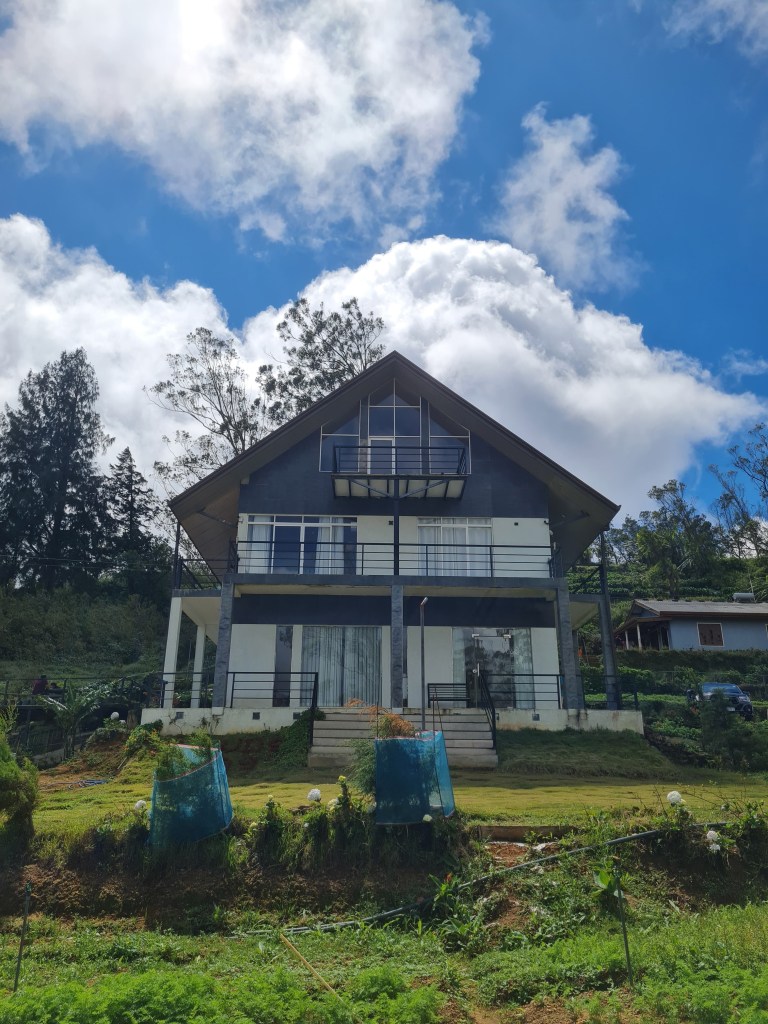
There were eight of us, bundled in layered jackets and sleepy smiles as we stepped out of Clouds 1939 by Wimsons in Pattipola. The cottage, with its stone walls, old-world charm, and views over mosaic-like vegetable plots and tiny rural homes, had been the perfect mountain base. Outside, the air smelled of pine and wet grass. Dawn hadn’t yet broken, and the hills still held that muted pre-sunrise shade of deep blue.
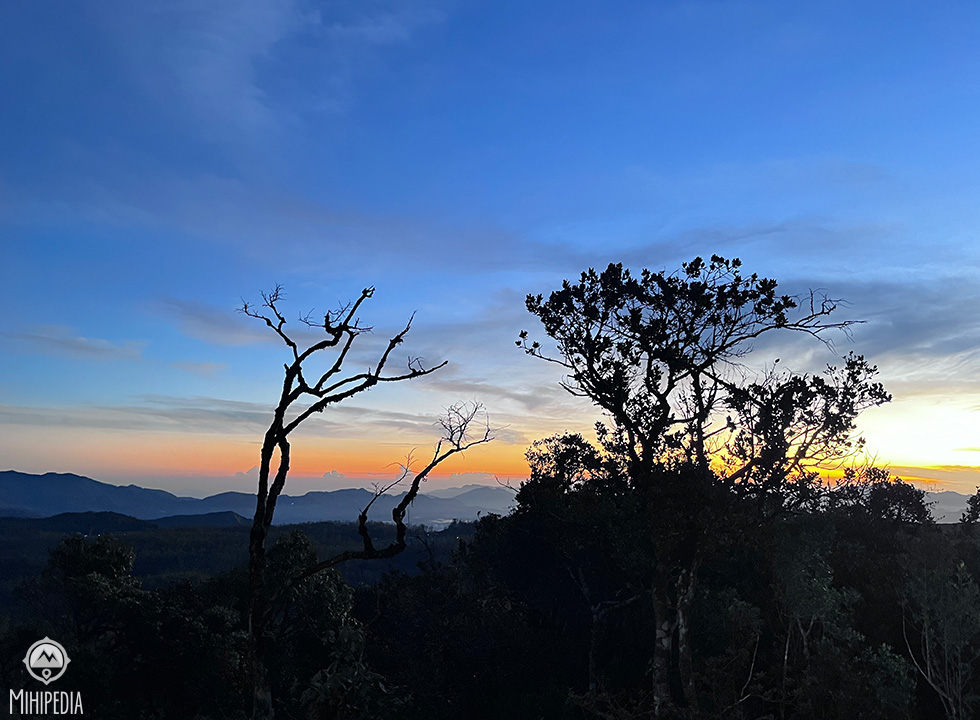
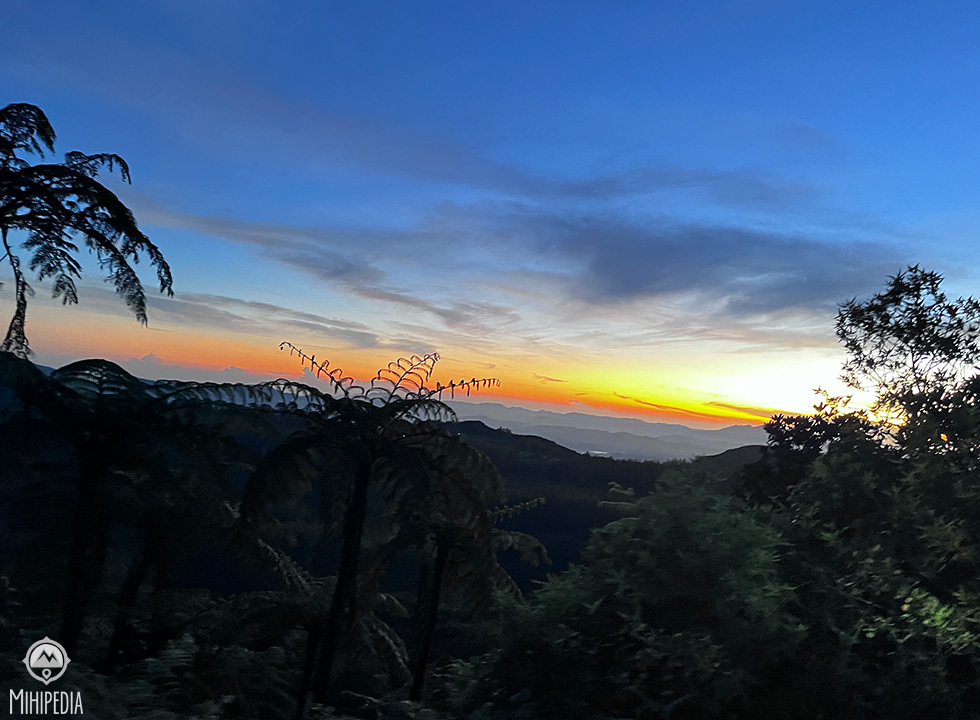
By 6:00 a.m. sharp, when the gates of Horton Plains National Park creaked open, we were first in line. The cold bit at our fingertips, but excitement warmed us from within. This wasn’t the usual trip to see World’s End or Baker’s Falls.
This time, Horton Plains had called us for a reason—a reason that comes only once in a dozen years.
The Strobilanthes had bloomed.
Strobilanthes, locally known as Nelu, is a rare and fascinating genus of flowering shrubs belonging to the Acanthaceae family. Sri Lanka is home to over 27 species of Strobilanthes, out of which more than 12 are endemic, found nowhere else on earth. These resilient plants grow in the montane and submontane forests of the central highlands, especially in places like Horton Plains, Knuckles, and Peak Wilderness. What makes them truly remarkable is their gregarious blooming cycle—many species flower only once every 12 years, transforming entire mountainsides into dramatic waves of blue and purple before dying, allowing the next generation to grow from their seeds. This rare botanical rhythm is not just a visual spectacle but an ecological event deeply woven into the heartbeat of Sri Lanka’s highland wilderness. We had timed our journey perfectly.
Before we stepped into the trail, I felt compelled to pause. Horton Plains isn’t just another national park. It is Sri Lanka’s highest plateau, rising over 2,100 metres above sea level, part of the Central Highlands UNESCO World Heritage Region along with Peak Wilderness and Knuckles. Its ecosystem is one of the last remaining montane cloud forests in the world, home to species found nowhere else on Earth.
But beyond its ecological significance, Horton Plains carries history. Long before the British named it after Sir Robert Wilmot-Horton, the locals knew it by other names. The Veddah people believed these mist-soaked plains to be sacred hunting grounds. Folklore claims that King Ravana himself once walked these windswept grasslands. Even today, ancient stories linger here, hidden in the folds of the forest, carried in the call of the Sri Lankan whistling thrush, whispered in the movement of the mist.
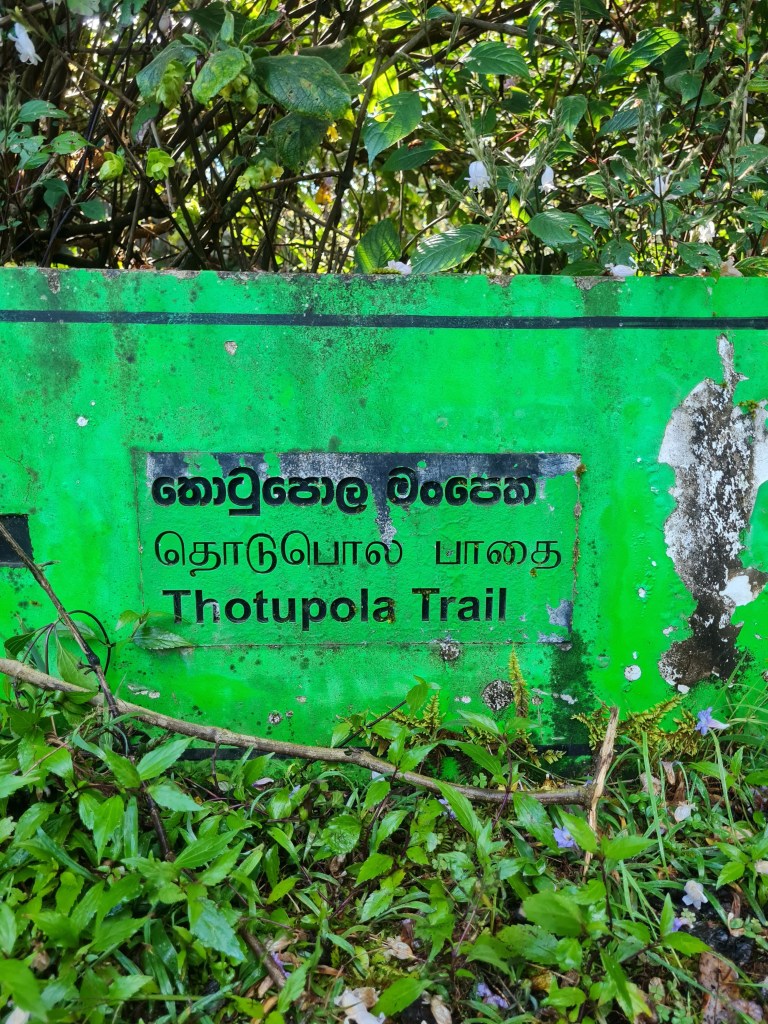
This time we chose the quieter, wilder path -the Thotupola Kanda trail which leads up Sri Lanka’s third-highest peak (2,357 m). A narrow, slightly muddy trail slipped away from the main loop and drew us into a world still half-asleep.
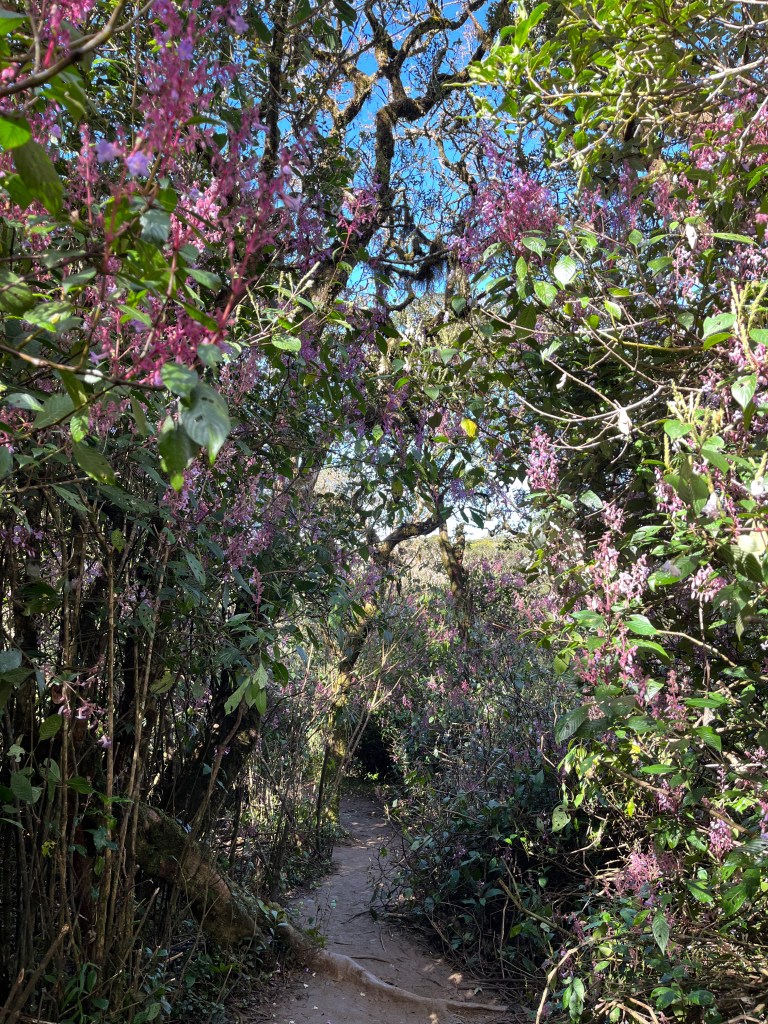
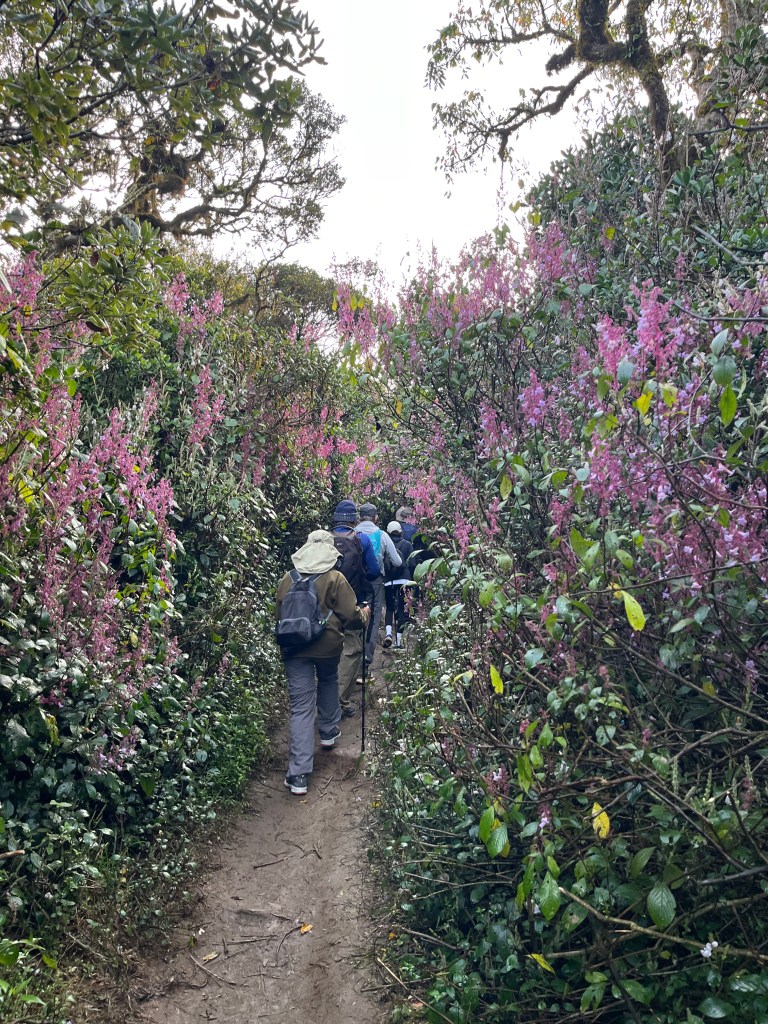
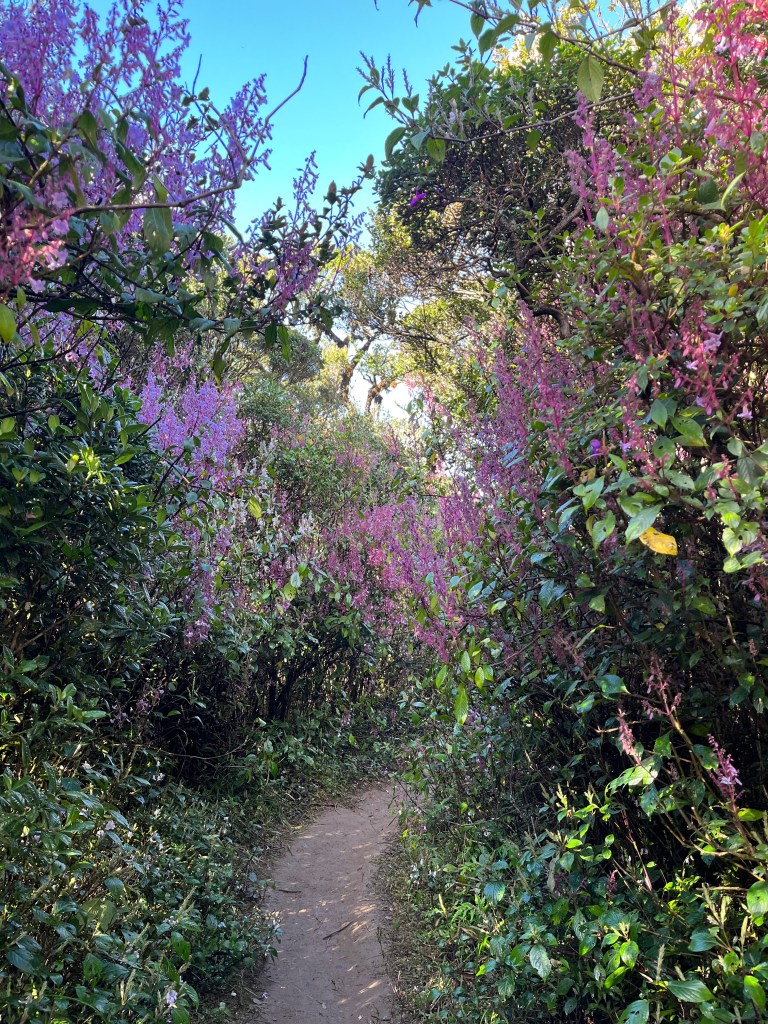
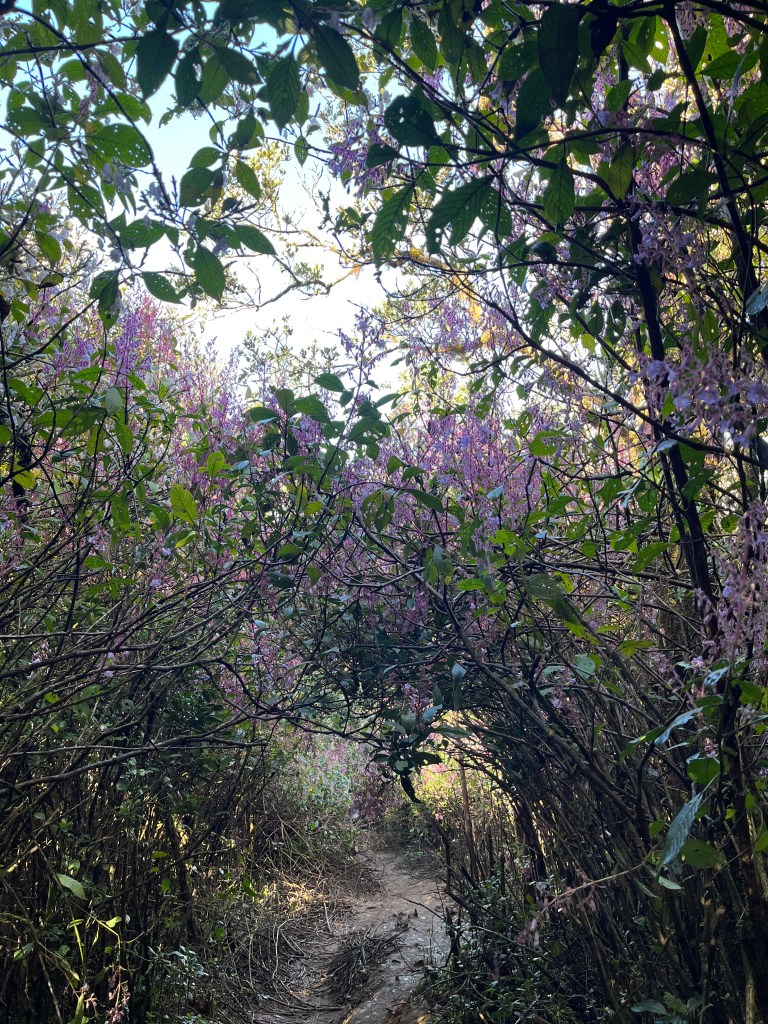


From the very beginning, the extraordinary revealed itself.
Strobilanthes was already there, flanking the trail like a silent guard of honour. Clusters of violet blossoms leaned into the path, their petals heavy with dew. Light hadn’t yet touched them, and they glowed cool and mystical in the grey of morning.
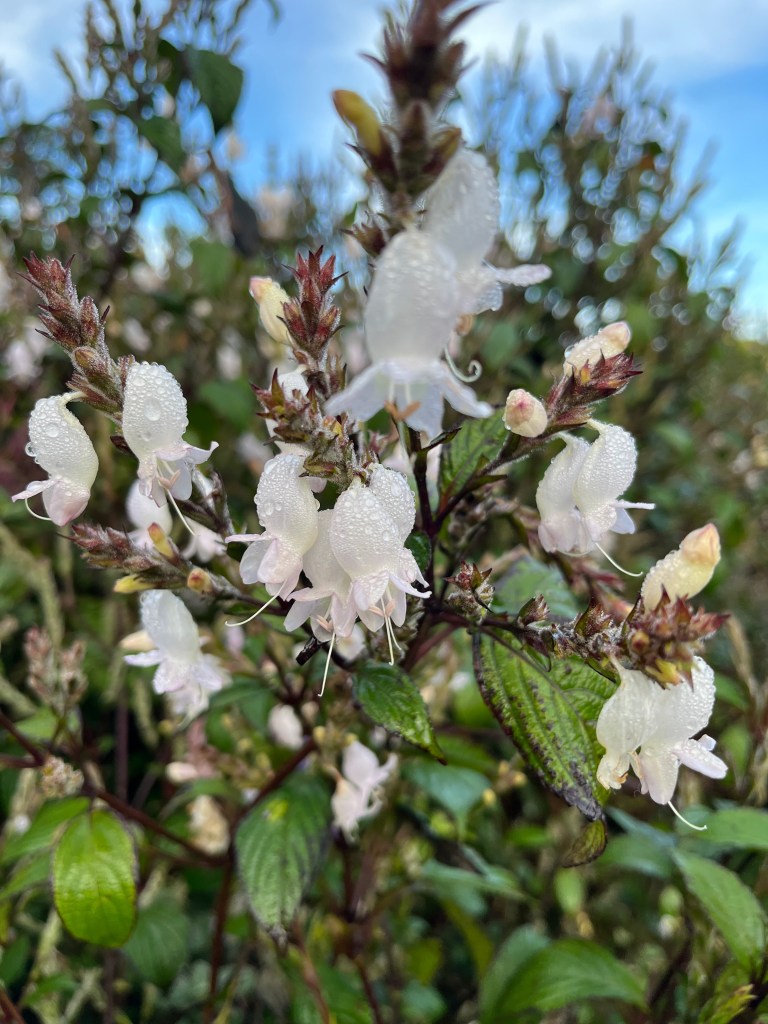
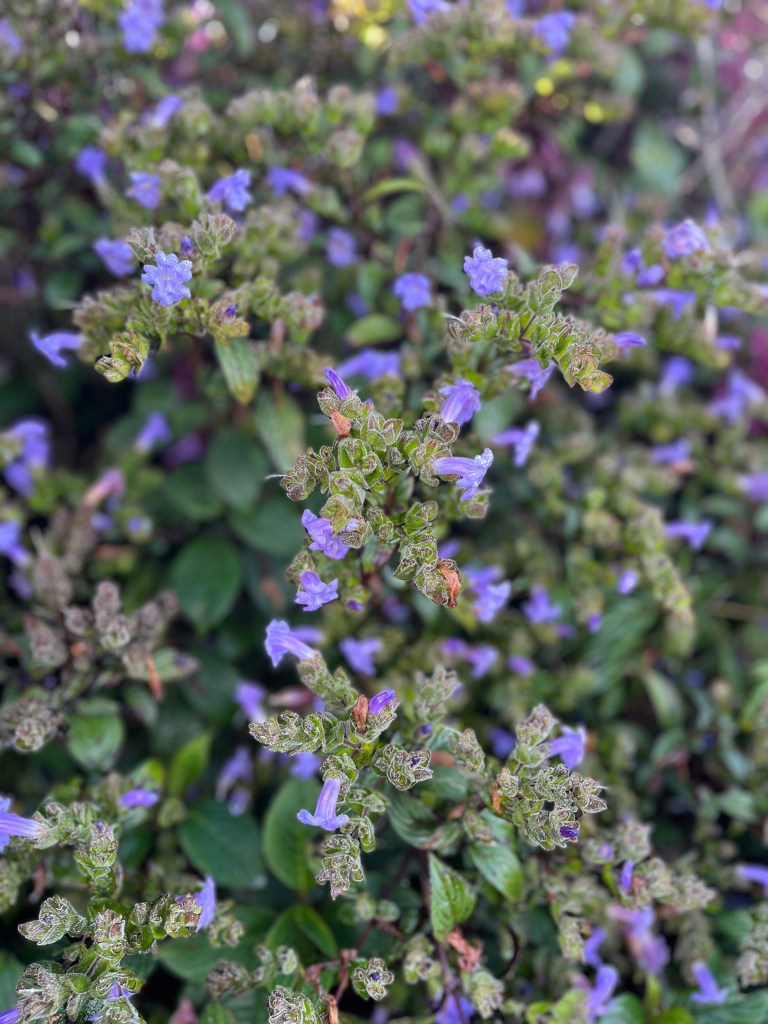
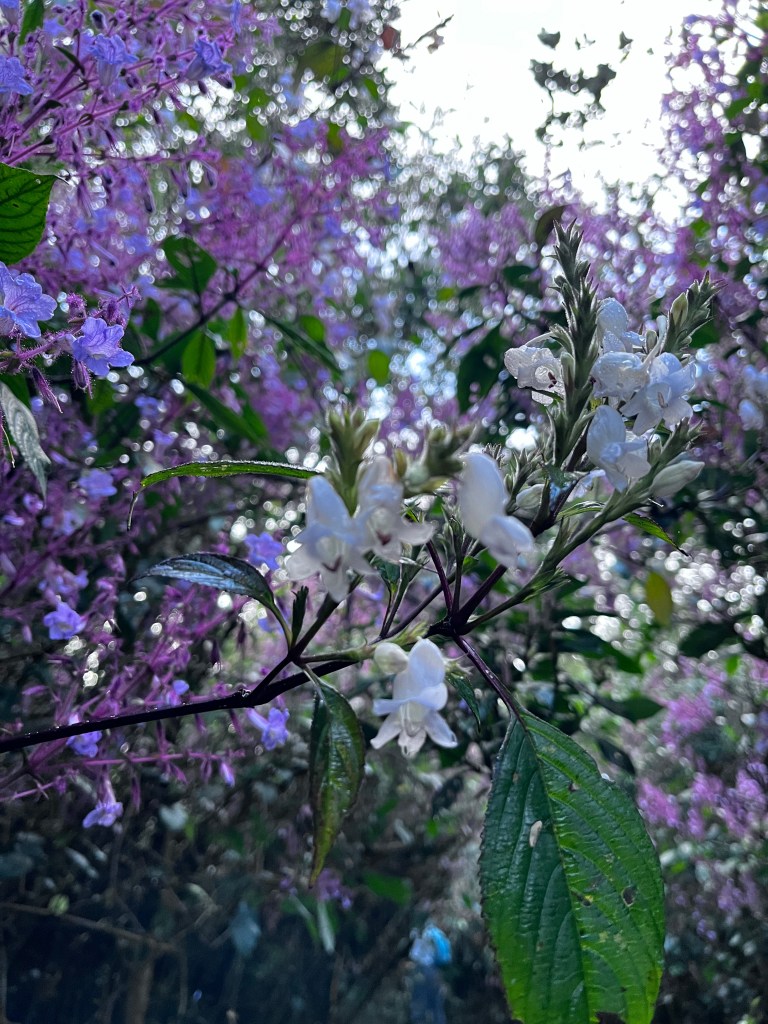
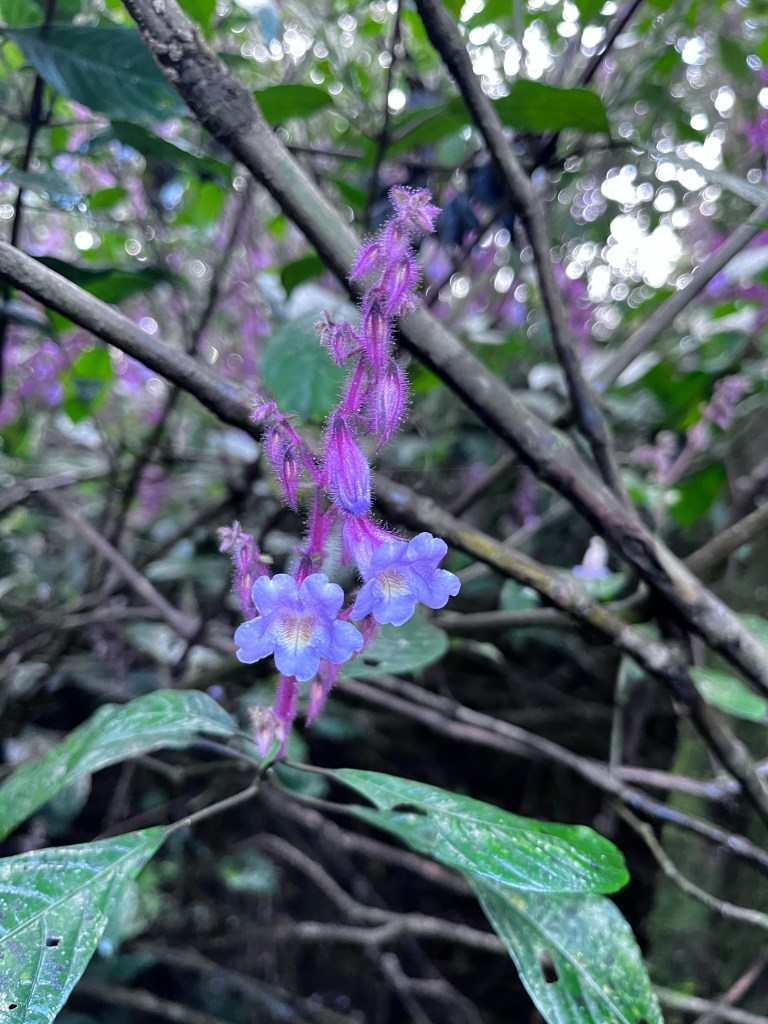
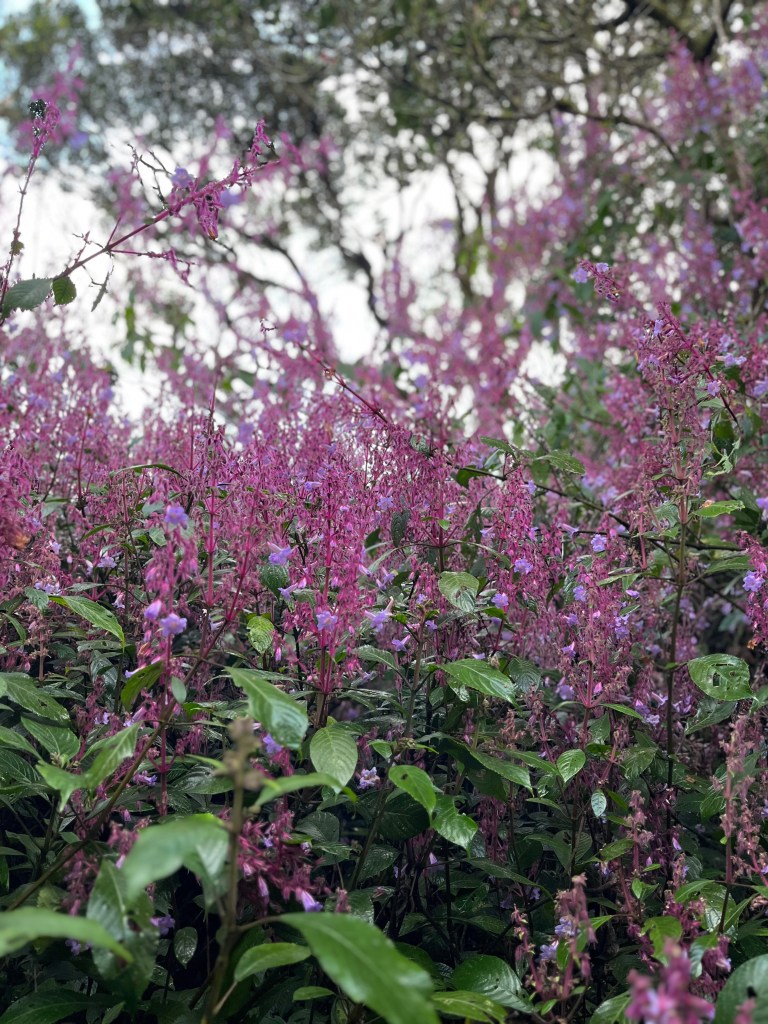
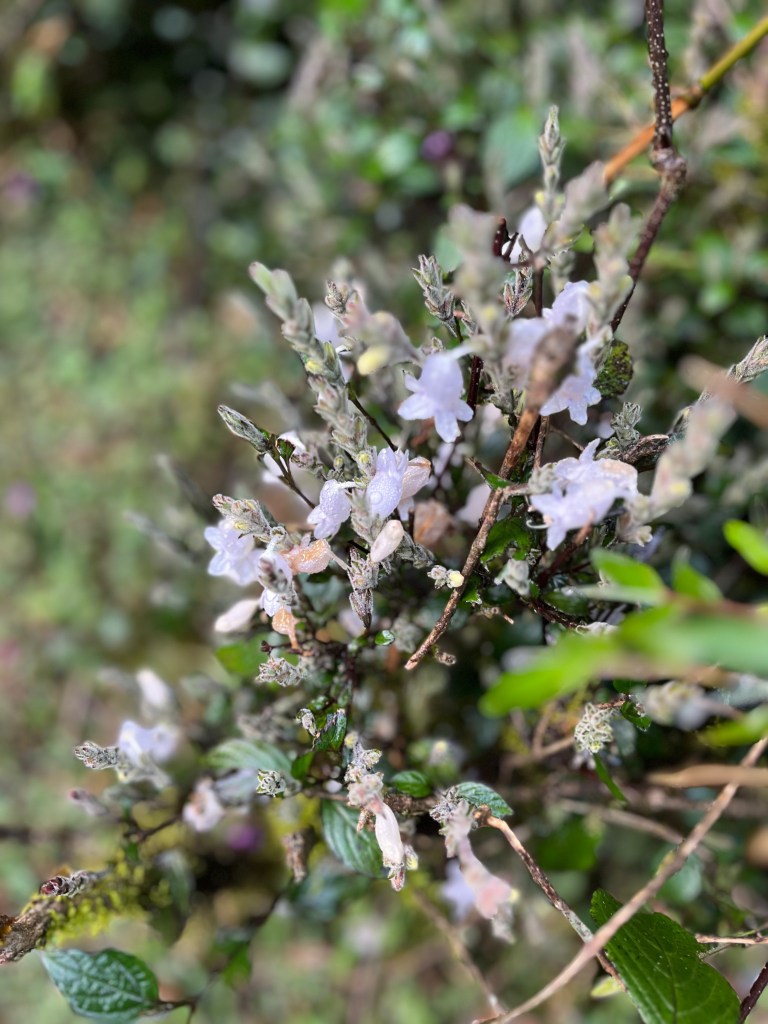

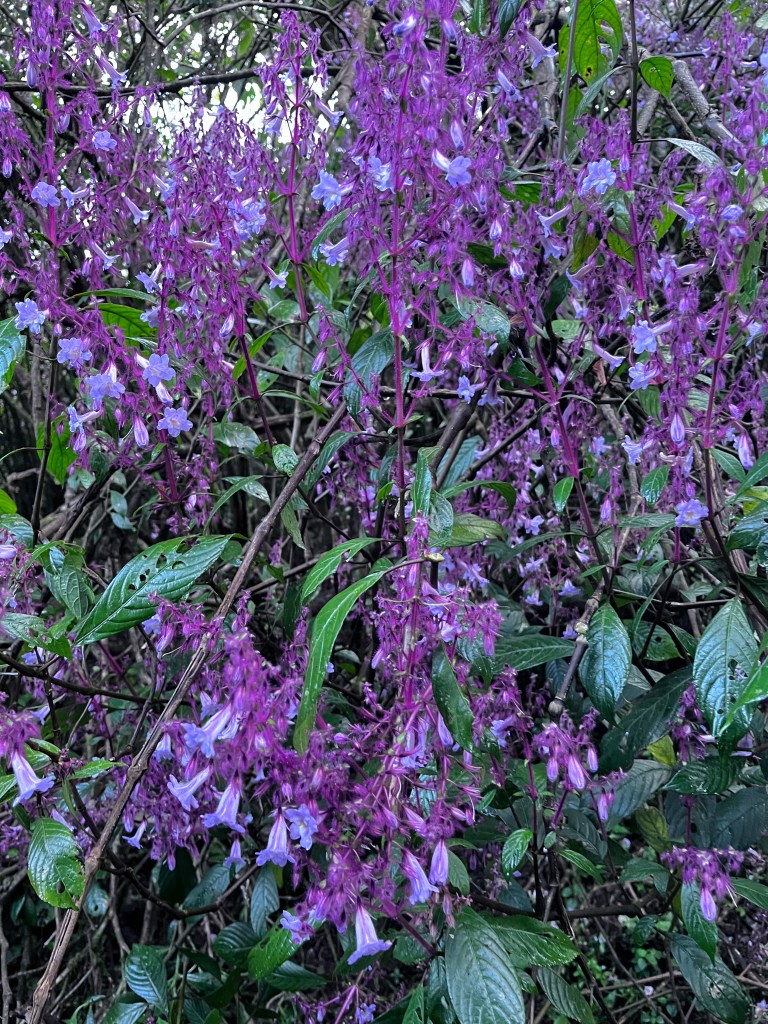
We walked in silence. Not because we were tired but because silence felt necessary here. Reverential, even. The stillness of Horton Plains at dawn is unlike anywhere else. No engines. No human noise. Just the crunch of boots against damp earth and the slow exhale of a land waking in mist.
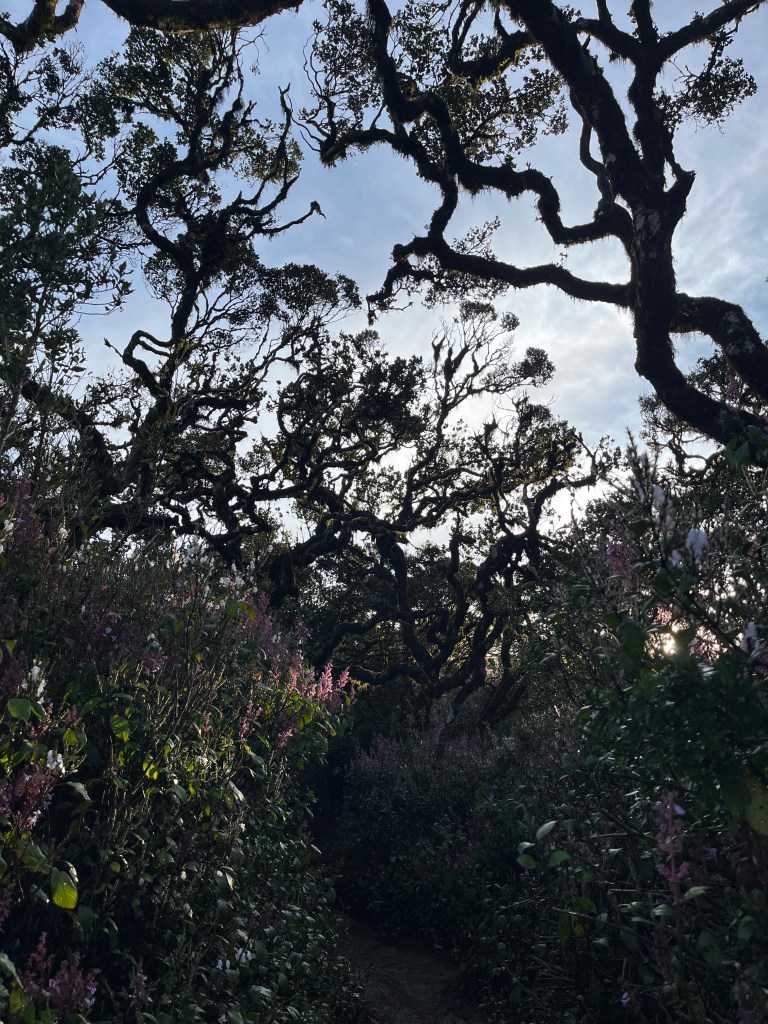
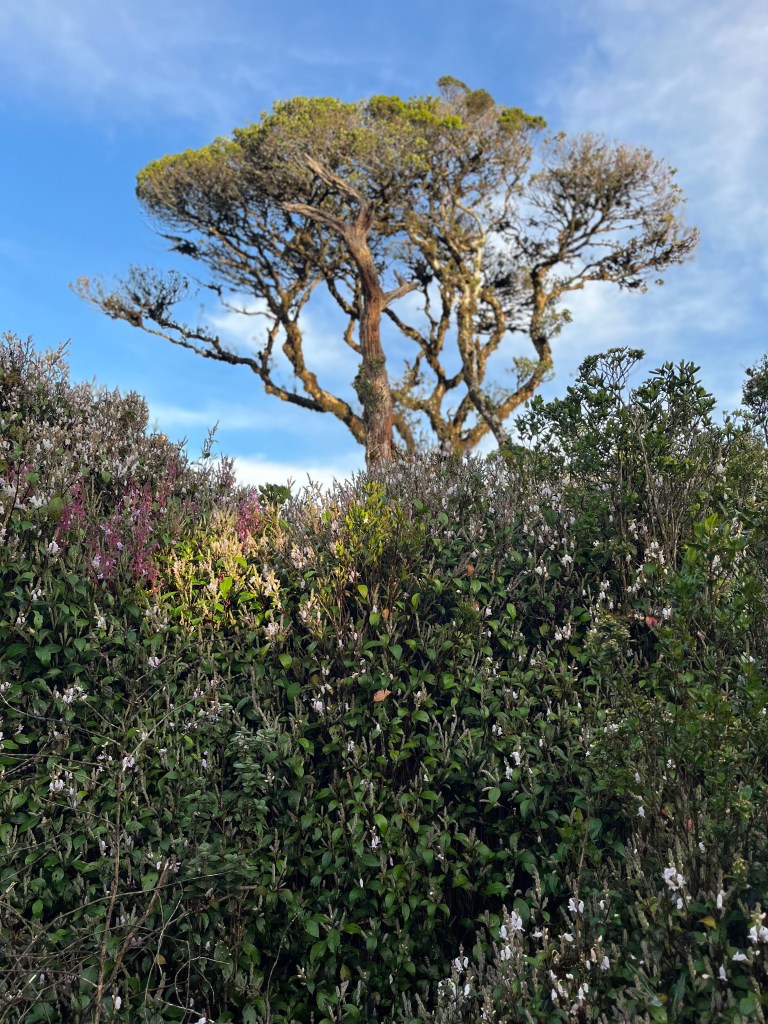
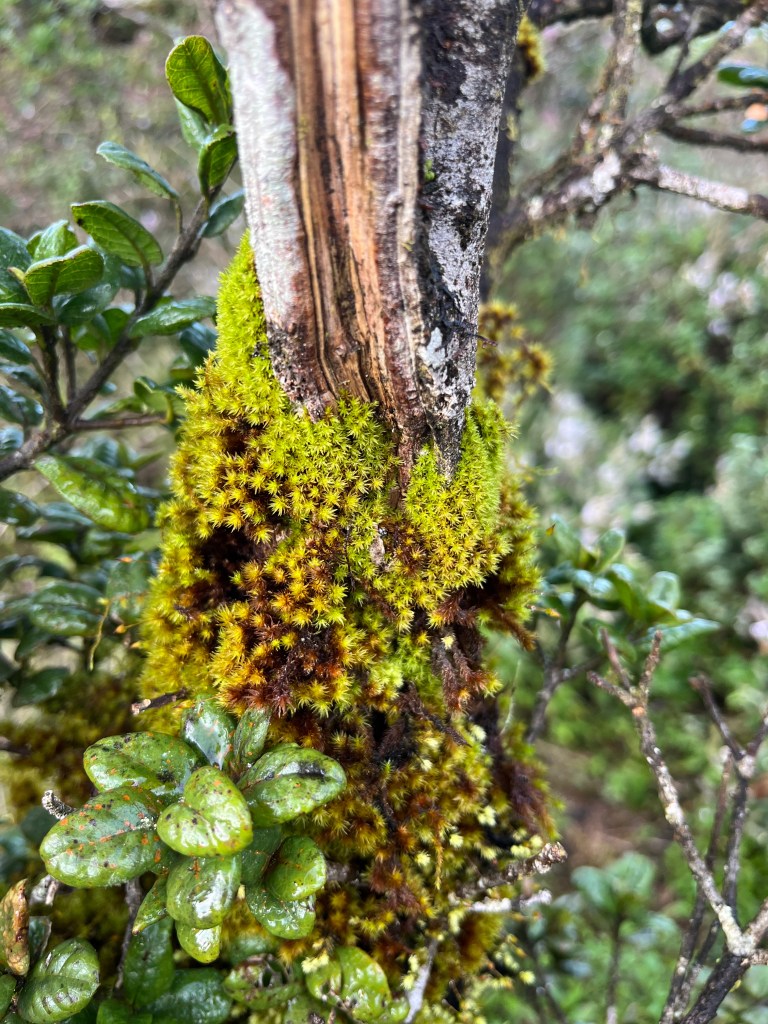
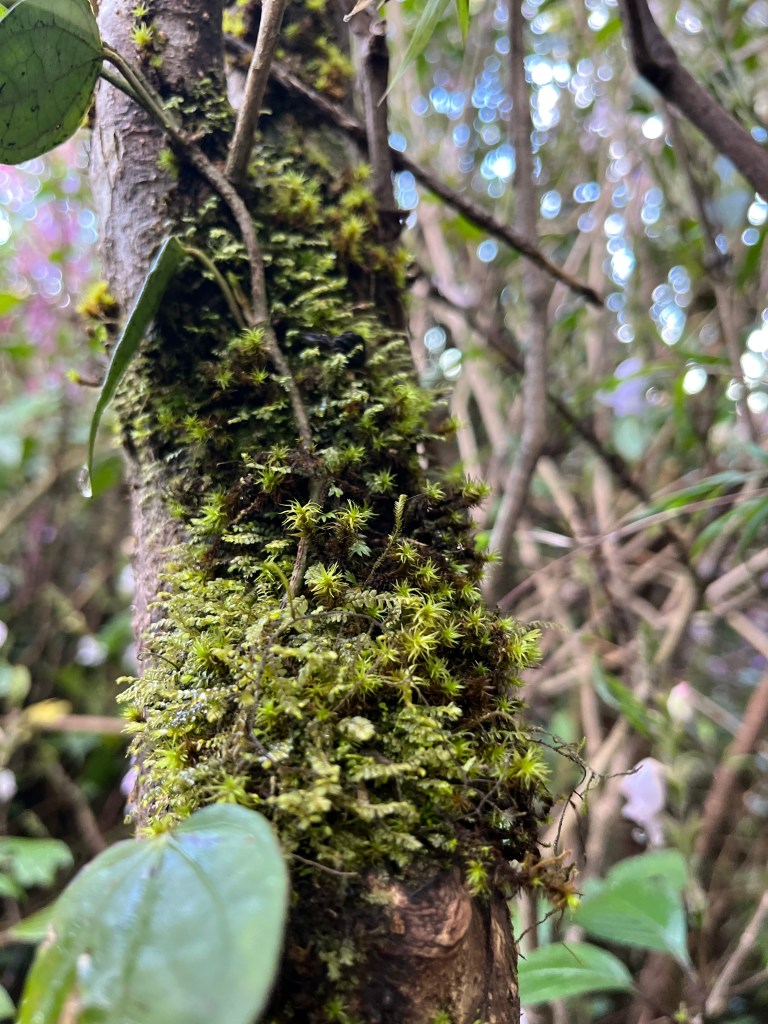
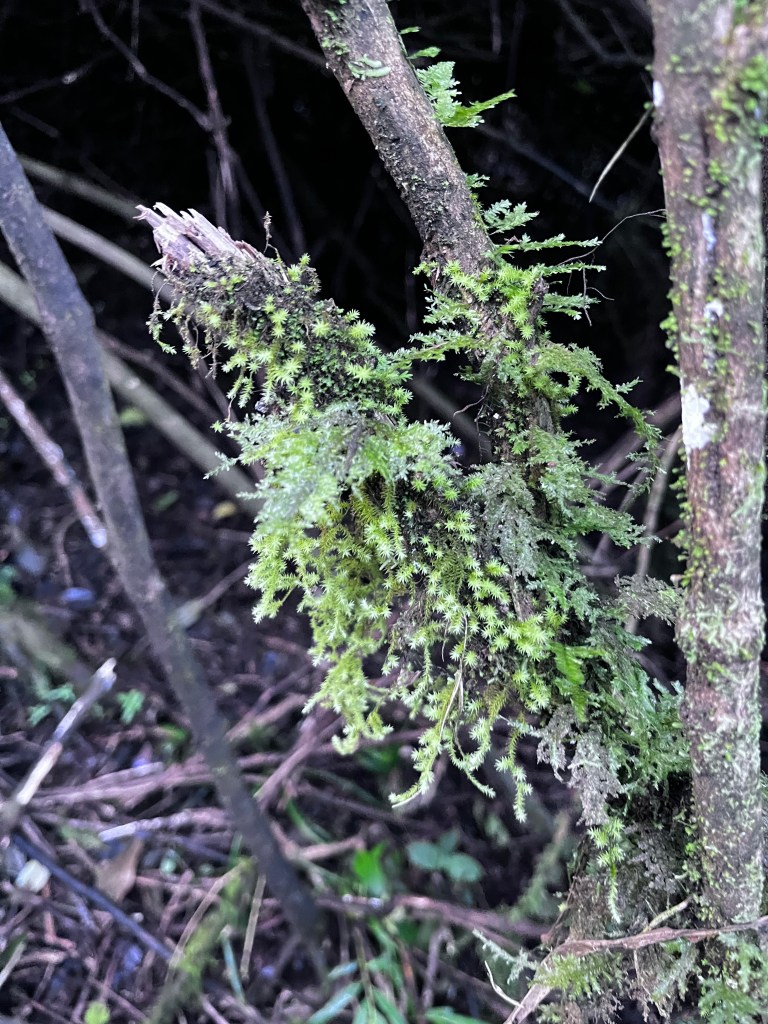
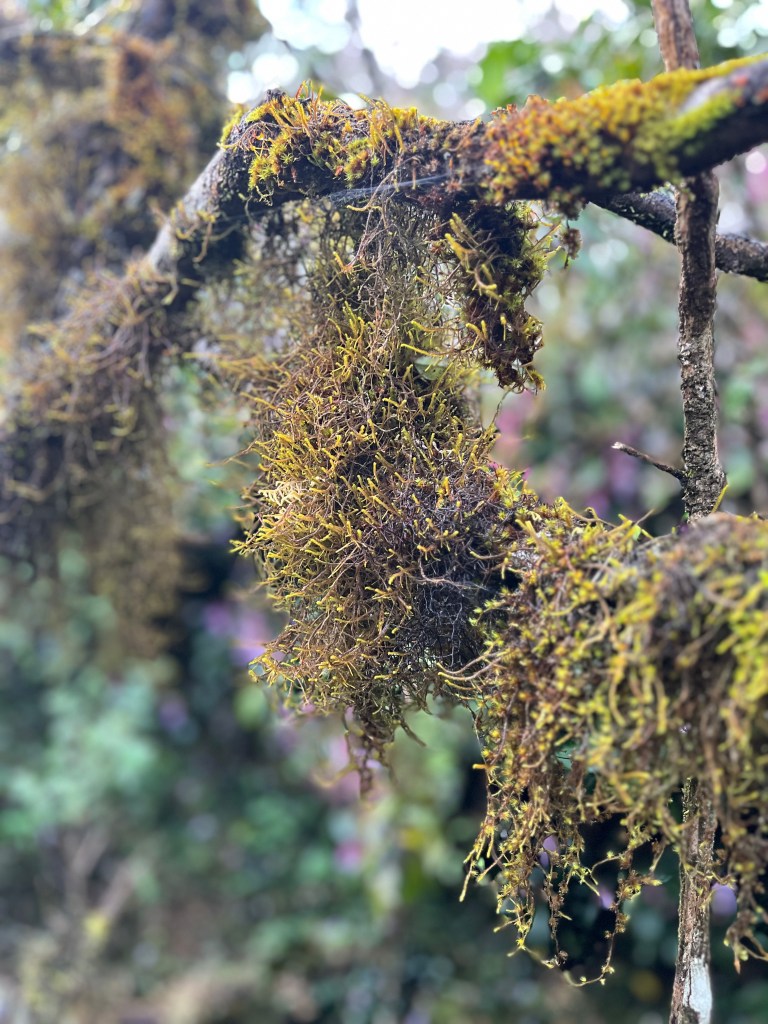
Soon, the trail narrowed and curved into gnarled montane forest. Trees twisted with age, their trunks clothed in moss, their branches draped in Old Man’s Beard lichen—ghostly strands that shimmered under beads of dew. When the morning sun finally pierced the canopy, the forest transformed into something almost unreal. Every drop of dew caught fire in the light, flickering like tiny stars strung across branches.
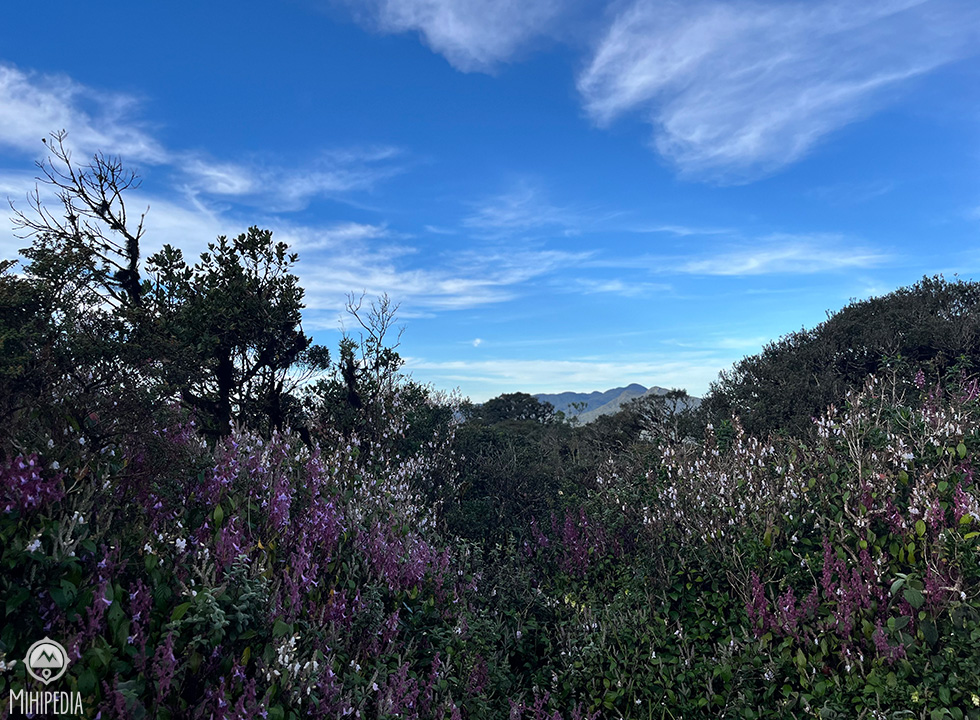
Then suddenly the trail opened briefly, and we were standing among hillsides drenched in violet. The Strobilanthes bloom stretched as far as we could see, a sea of bell-shaped flowers shimmering in the sun. Bees had already begun their quiet labour, pollinating a miracle that wouldn’t return for another twelve years.

We just stood there. Some moments don’t need words. They need stillness. They need to be kept alive inside memory.
Behind us, the vast grasslands of Horton Plains rippled endlessly under sun and wind. To the east, the montane forest deepened into dark green folds. To the south, valleys sank into shadows filled with slow-moving cloud. And far to the west, standing proud against the sky Sri Pada (Adam’s Peak), cut a perfect silhouette on the horizon.
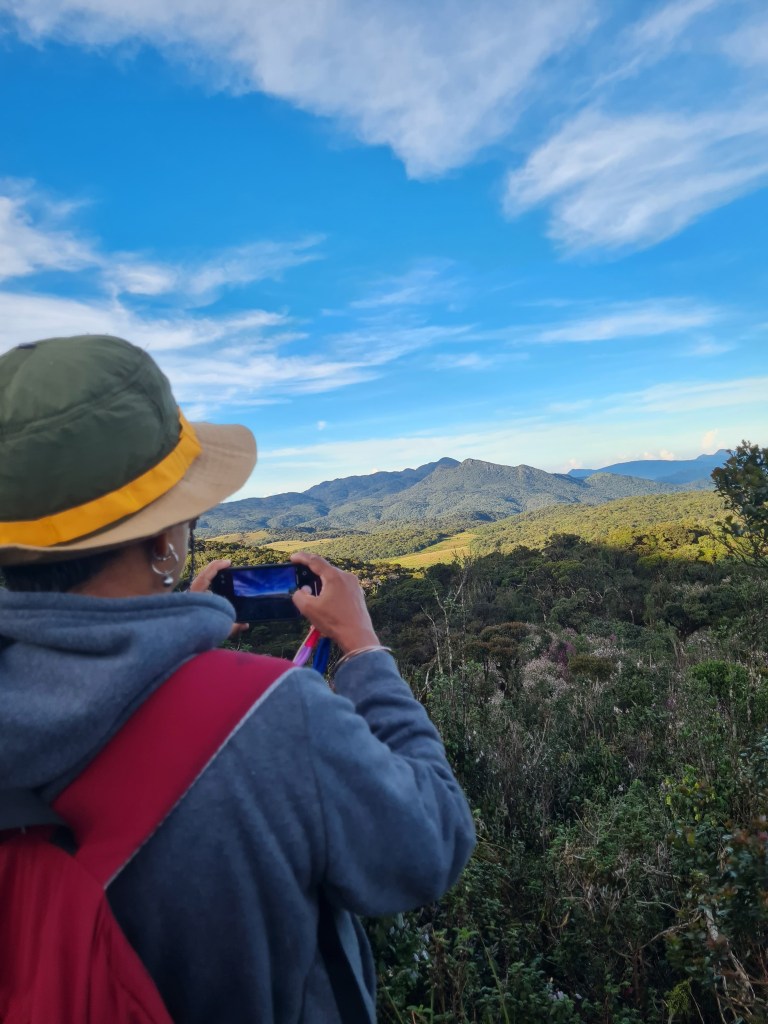
There are views that are beautiful, and then there are views that feel earned. This was the latter.
The wind was sharp against our faces, the sun warm at our backs, and all around us Strobilanthes still burned violet against the land. It felt like standing on the roof of the island, suspended between earth and sky.
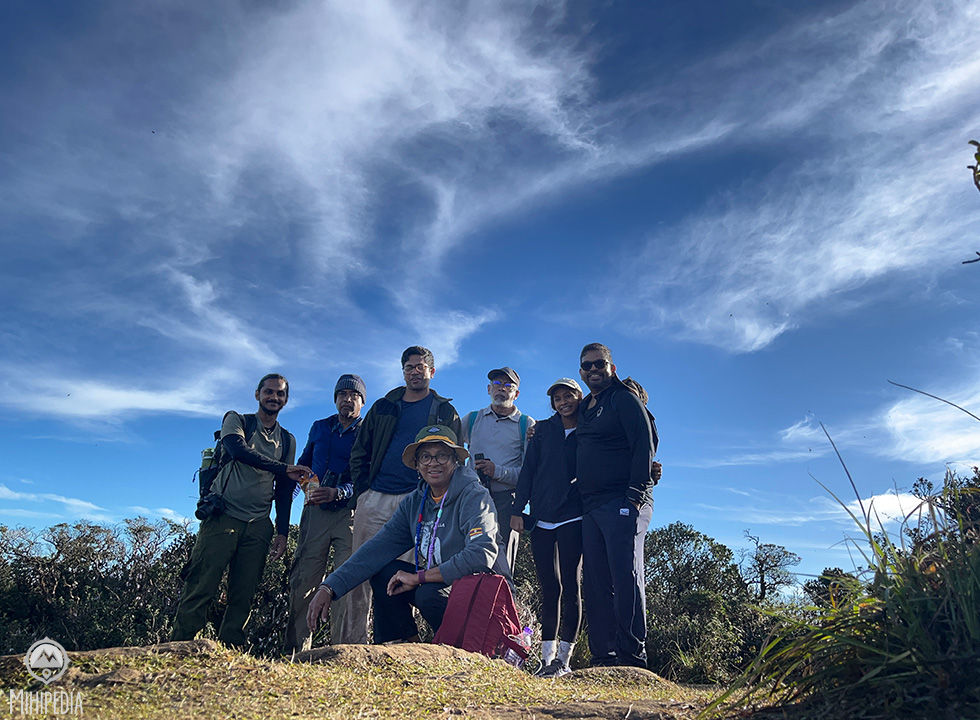
After soaking in the view, photographing it, memorising it, and maybe even silently promising ourselves we’d return, we began the descent. But the solitude we had enjoyed earlier was gone. The path that had been ours alone at dawn was now beginning to crowd.
Groups began to pass us – loud, hurried, careless. And soon the magic broke. Because what we began to see broke our hearts.
Litter carelessly strewn along the path, Broken branches. Footprints stamped into protected vegetation. People picking flowers for selfies. Even Strobilanthes ripped from the ground.
It felt like watching a sacred place slowly suffocate under the weight of ignorance disguised as tourism.
Horton Plains is not a theme park. It is a fragile ecosystem -a living museum shaped over millions of years, home to species that exist nowhere else on earth. Yet today, a careless wave of TikTok hikers and selfie-seekers treat this sacred plateau as nothing more than a backdrop for fleeting internet fame.
This is not adventure. This is vandalism disguised as travel.
I can only hope that someday soon with awareness, education, and love for the land people will understand the damage they do. That they will learn to walk gently, to leave no trace, and to respect this God-given wilderness that belongs not just to us but to generations yet to come.
Trivia:
Sri Lanka is home to a remarkable diversity of Strobilanthes species, many of which thrive in the island’s misty highlands. Among them are Strobilanthes sexennis, known for its six-year blooming cycle, and Strobilanthes pulcherrima, celebrated for its striking violet-blue blooms. Strobilanthes viscosa and Strobilanthes anceps are common in the Knuckles range, while Strobilanthes gueritziana and Strobilanthes spathulatus flourish in Horton Plains. The extremely rare Strobilanthes walkeri, with its soft purple flowers, grows only in Sri Lanka and parts of South India, while Strobilanthes ciliatus and Strobilanthes crispus inhabit lower montane forests. Each species plays a delicate role in the ecosystem, supporting pollinators and enriching soil health—quiet reminders of the biodiversity hidden within Sri Lanka’s cloud forests.
Good to Know:
- Best time: Early morning for clear views and wildlife sightings
- Trail difficulty: Moderate (4–5 km approx., 1.5–2.5 hours)
- Altitude: 2,357 m
- Permit: Required at Horton Plains entrance
- Stay: Clouds 1935 by Wimsons, Pattipola (perfect base with old-world charm)
 Mihipedia.lk
Hi Mihiri, We did the trek to Thotupola Kanda yesterday. It was fantastic . Good weather, thankfully no litter or vandalism to note.Nevertheless, glad you enjoyed the sight as much as we did. Best, RB
LikeLiked by 1 person
Hi. So glad to know that the trail was cleaned. The weekend must be the reason for the crowds. They have also increased the vigilance at the Park, which is a great relief. See you on our next hike 🙂
LikeLike