
Sri Lanka has always been more than a destination to me. It has been a refuge, a companion, and the backdrop to some of my most cherished memories. For years, Mihipedia, together with many of you, has celebrated the magic of this island: hidden waterfalls, emerald highlands, sleepy coastal towns, and forest trails that feel like secret whispers. Today, however, the Sri Lanka I know, the one I’ve spent years exploring and documenting stands changed.
Imagining Sri Lanka after Cyclone Ditwah fills me with a deep ache. The landscapes I wrote about with pride, the ones I photographed again and again, may never look the same. This is not just nostalgia; it feels like a farewell and a plea, and a fragile act of remembering. But I will not post photographs of the aftermath, just the landscapes I will never forget.
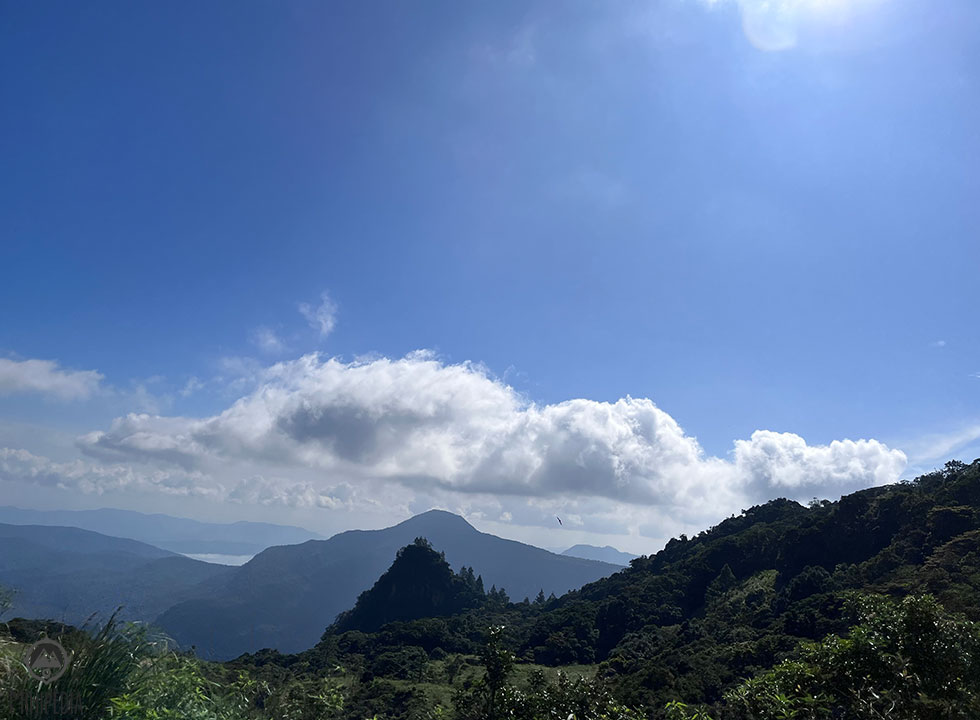
Riverston is the first place that comes to mind. It is where I have always felt most alive, where endless grasslands ripple like oceans of green and the wind corridor carries its timeless, haunting song. Standing here makes you feel both invincible and small, wild and grounded, in the way only a mountain can. From the towering heights of Manigala to the vast plains of Pitiwala Patana, and along the gentle, meandering streams that thread through the landscape, every part of Riverston carries a quiet magic that stays with you long after you leave. But post-Ditwah, I imagine Riverston wounded: hillsides shaved bare, roads washed away, and the trails I once walked buried beneath landslides of raw red earth. I try to match the view in my mind to what might stand there now, but the comparison only deepens the ache. And a quiet fear whispers: what if Riverston never returns to the Riverston I knew?
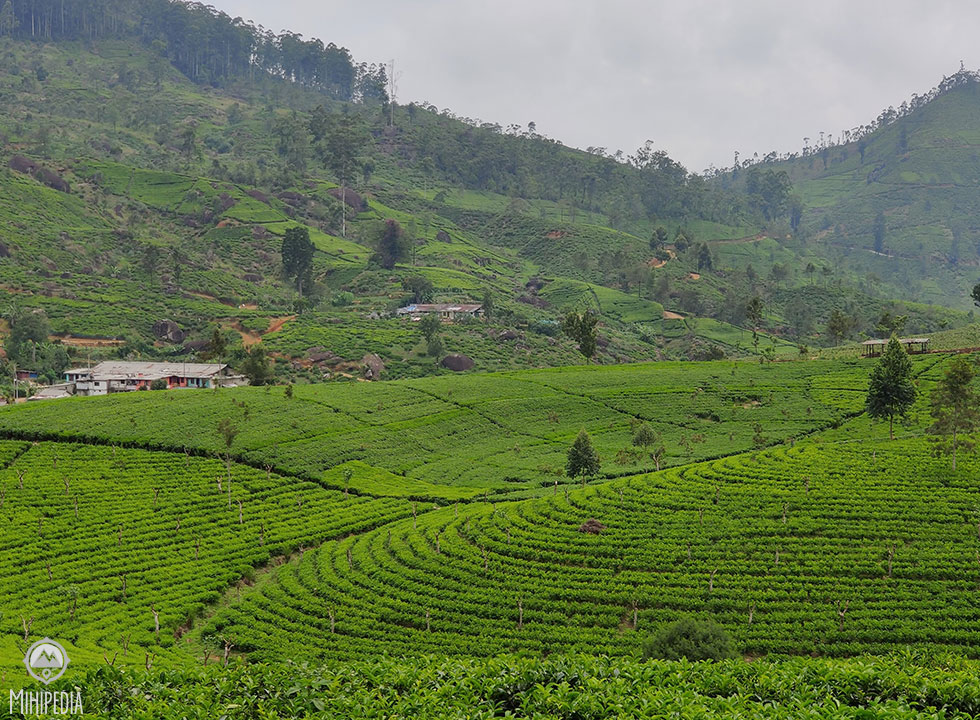
Nuwara Eliya has always been a landscape of contrasts. A canvas of mixed emotions. Its gentle curves interrupted by ugly, unplanned development over the years which can make the town feel more like a weathered painting than the vibrant masterpiece it truly is, yet it still manages to soothe the soul. The soft air, slow mornings, and the simple comfort of holding a hot cup of coffee while mist curls around the rooftops make it feel timeless. I remember gardens bursting with colour, tea terraces meticulously sculpted into the slopes, and Lake Gregory lying calm and reflective, a perfect mirror for the sky above. The many Pekoe Trails that I have traipsed through encircling this stunning landscape. After Ditwah, I imagine the town differently: gardens stripped to branches, terraces torn and uneven, greenhouses shattered, and Lake Gregory swollen and brown, restless and unrecognisable. Even the air feels heavier in my imagination, as if carrying its own grief. Nuwara Eliya has not lost its soul, but it has lost a softness, a sacred innocence.
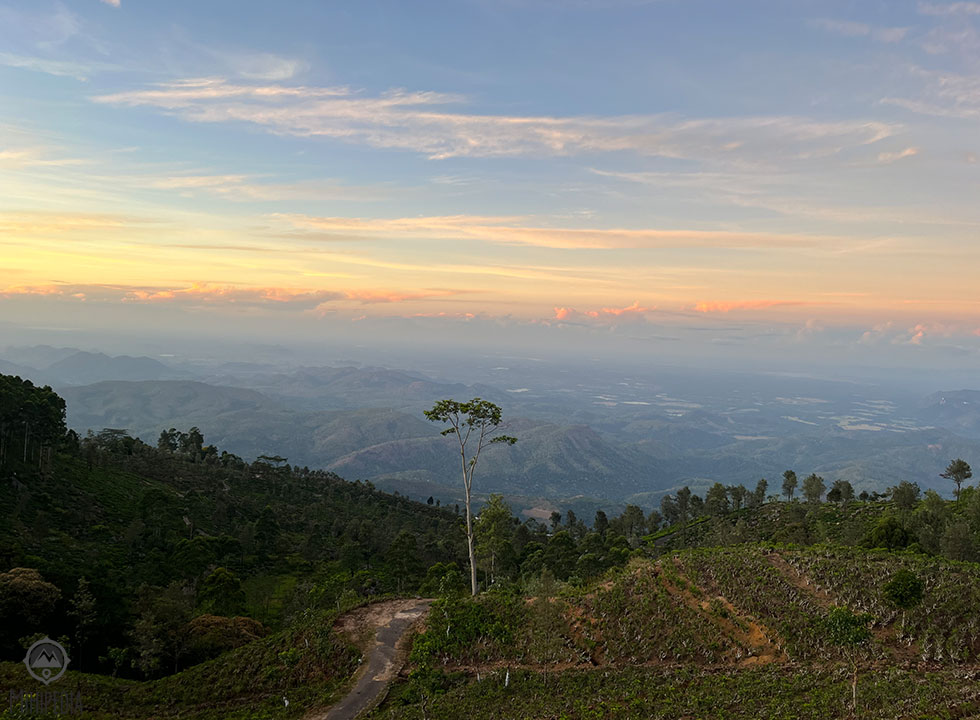
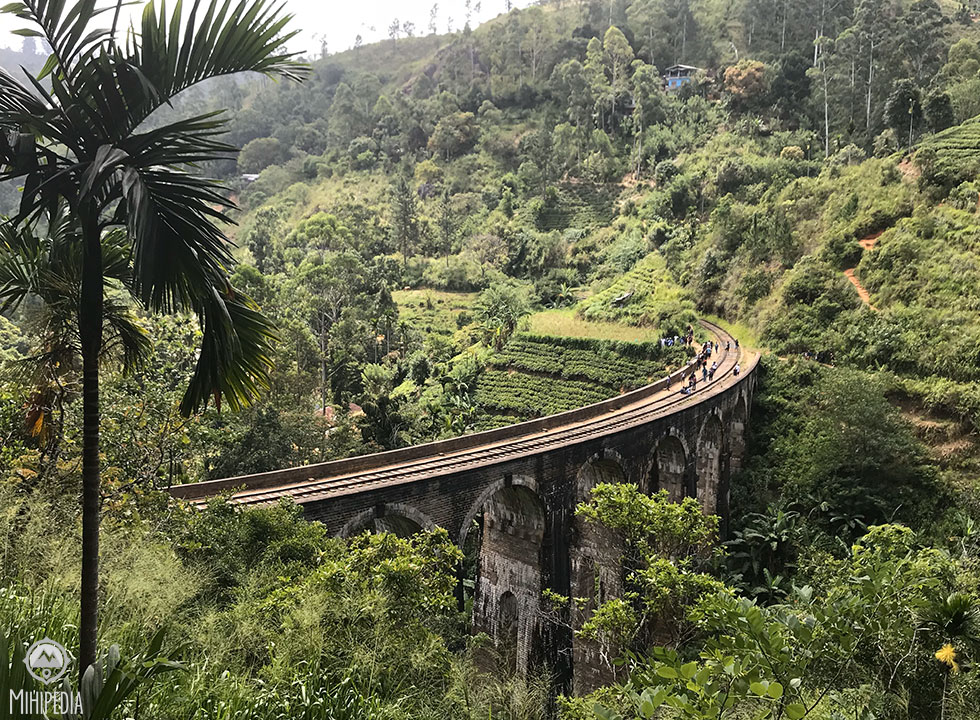
The central highlands, Ella and Haputale have always been my comfort zones, places I return to simply admire and breathe in the scenery. In the many photos now circulating, Ella’s trails appear bruised, the slopes around Nine Arches scraped raw, and Ravana Falls is swollen and muddy, no longer the silver cascade I once knew. Haputale’s rolling tea terraces show torn patches, broken ridges, and exposed earth.
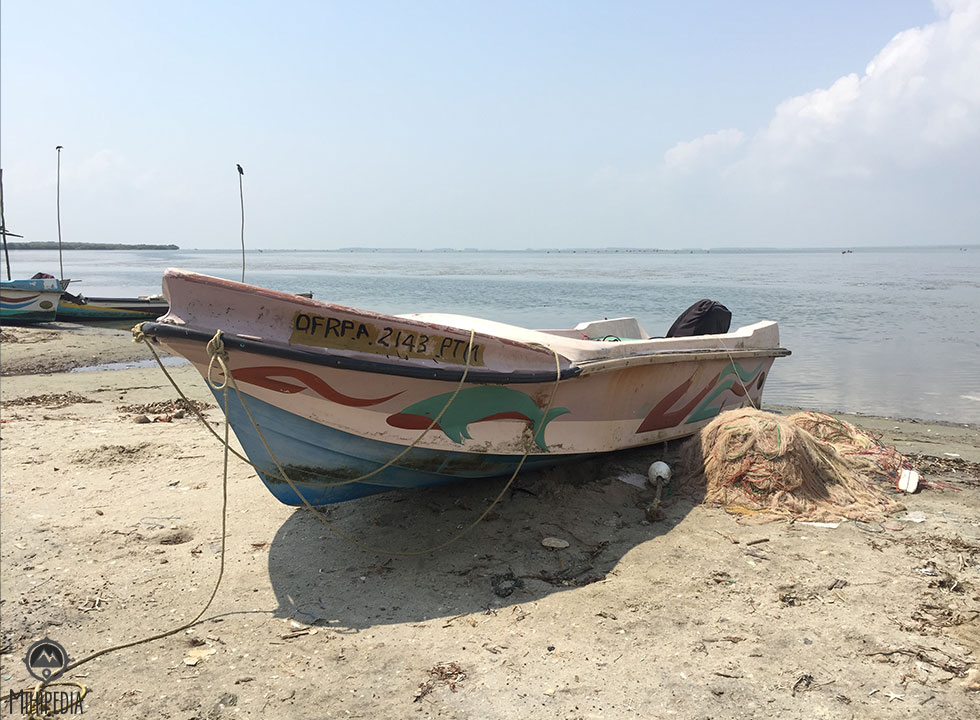
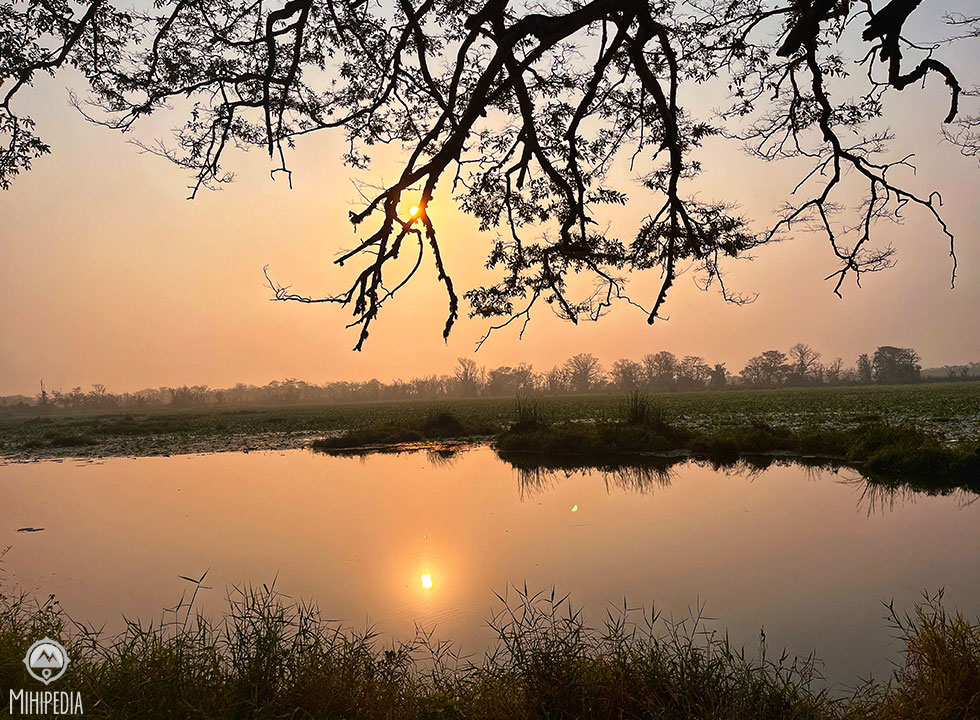
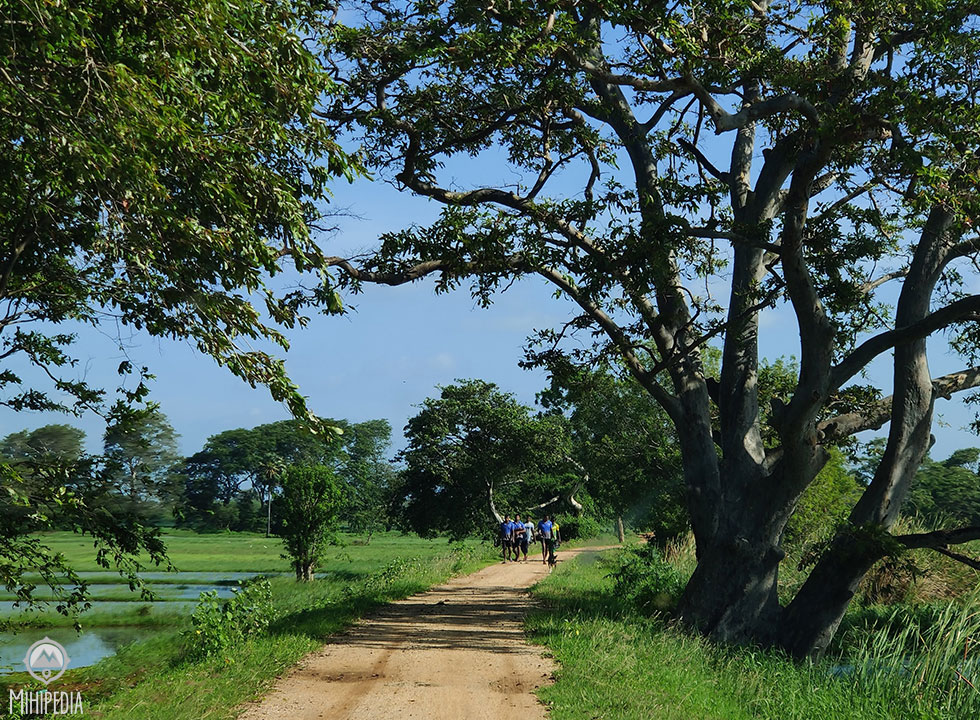
Puttalam, Eluvankulam, Kalpitiya, my sanctuary of wind, salt, and sun, is another place that feels heartbreakingly altered. I remember the freedom of the lagoon, dolphins slicing through turquoise water, and sunsets melting into pink-gold evenings. Now, I imagine the coastline unstitched: boats overturned and wedged into sand, coconut trees snapped, dunes clawed apart by waves, and villages watching the sea with fear instead of familiarity.
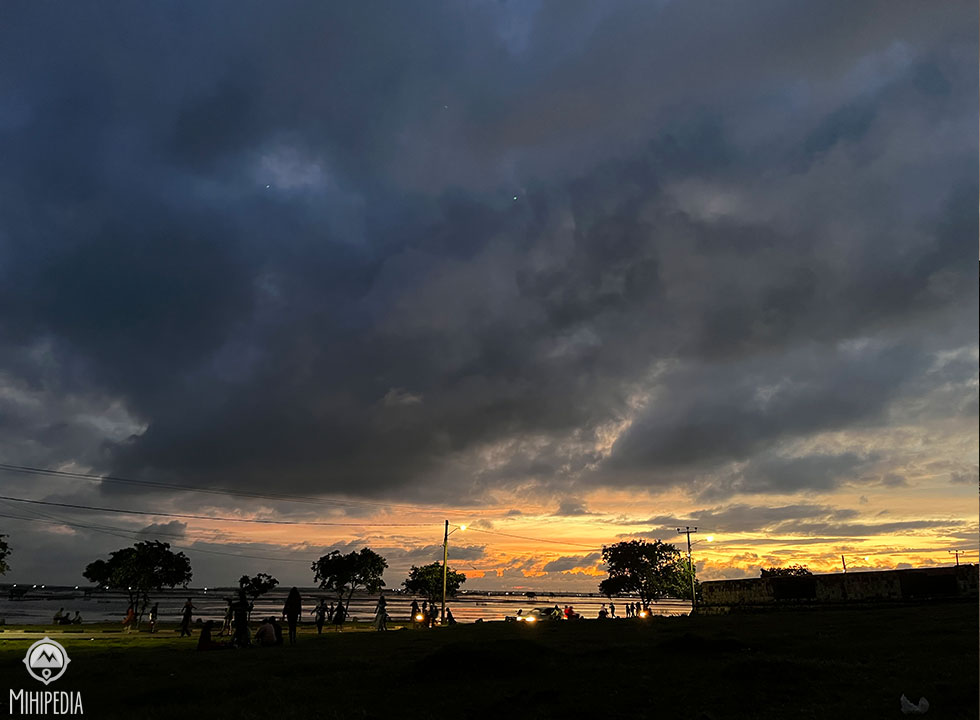
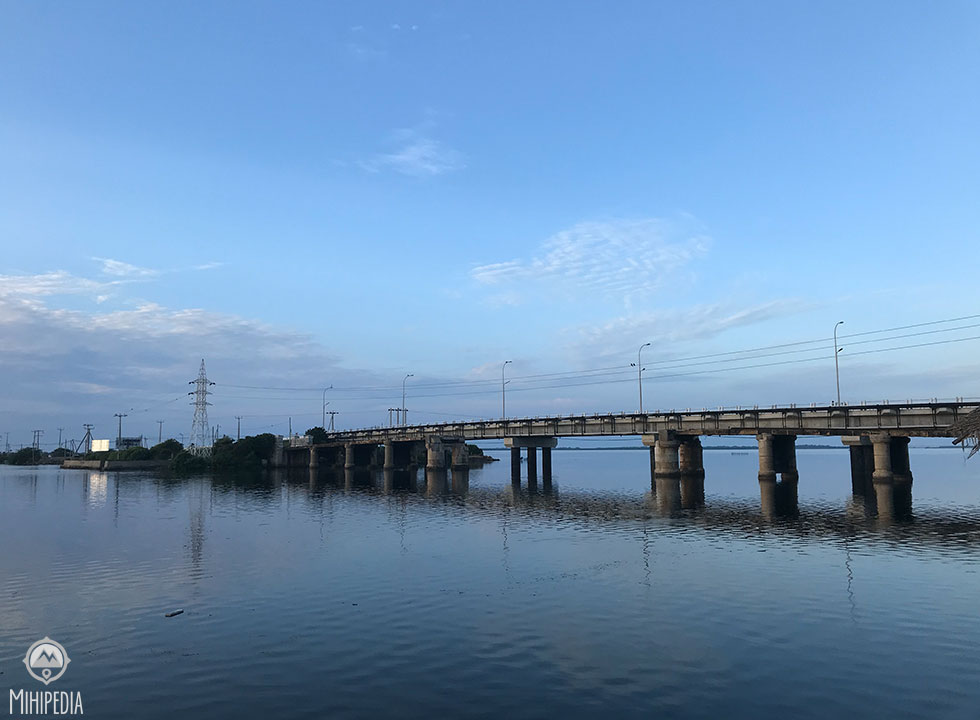
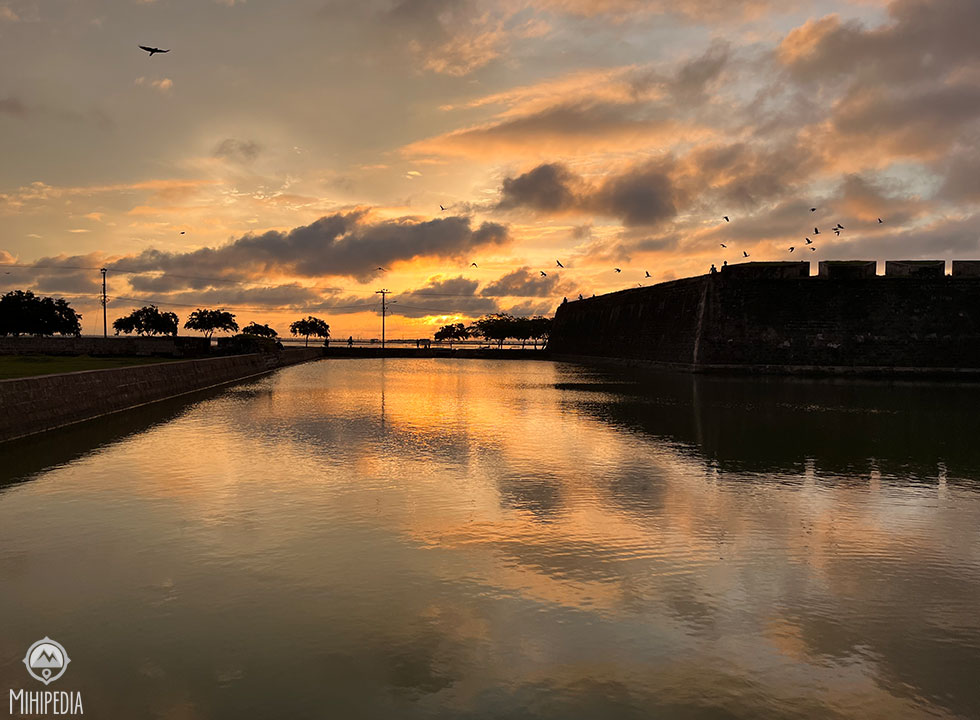
The north and east of Sri Lanka hold a very different kind of magic with wide skies, salt-tinged breezes, and landscapes that feel both timeless and untamed. Jaffna is a city of resilience, where Hindu temples rise in quiet pride, colonial streets hum with life, and the surrounding islands shimmer like scattered jewels in the Gulf of Mannar. Yet post-Ditwah, streets are scarred by fallen trees, flooded neighbourhoods, and the vibrant city subdued under layers of dust and debris. Mannar’s sparse, windswept plains and graceful baobab trees, once serene and sacred, may bear the marks of uprooted growth and eroded soil, the horizon still infinite but altered. Further along, Trincomalee’s turquoise waters and hidden coves could be littered with overturned boats and damaged piers, while Pasikuda’s shallow, glassy bays and golden sands might be disrupted by debris carried in from the sea. Across the wider Eastern Province, Batticaloa, Kalkudah, and beyond, the lagoons may overflow, palm-lined rivers may have lost their gentle banks, and fishing villages may struggle to recover the rhythm of daily life. And yet, even amid this imagined devastation, the north and east hold hope. The people here are resilient, patient, and deeply connected to their land and sea, ready to rebuild, plant, and restore. Nature may have faltered, but culture, community, and enduring beauty remain, waiting for those who will return to witness it.
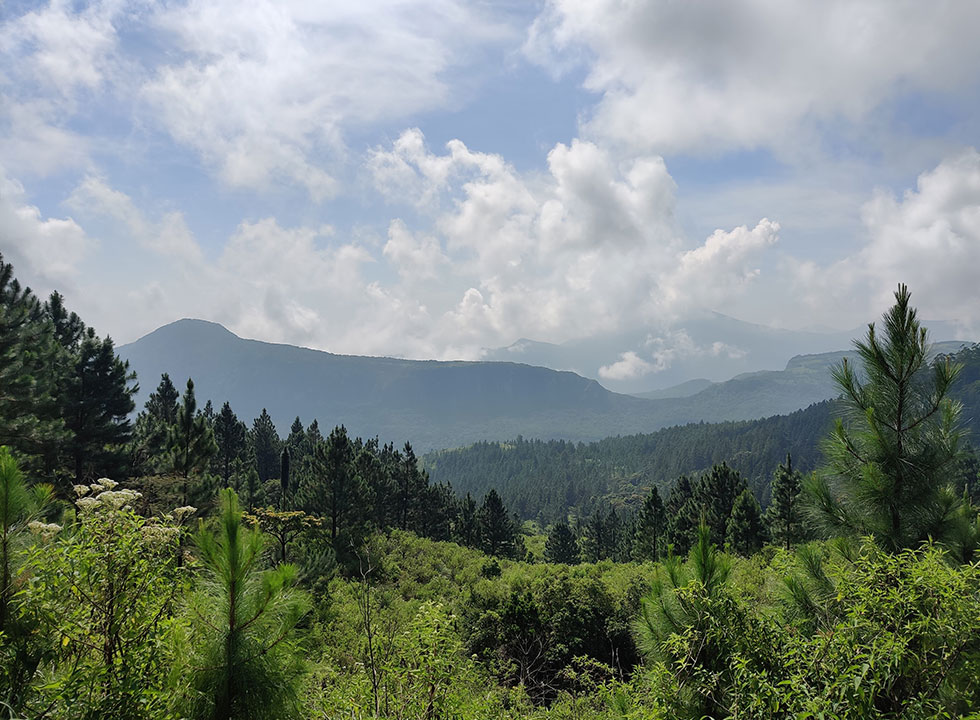
Beyond these famous locations, Sri Lanka’s wounds extend to Matale, Kegalle, Kandy that bear the storm’s scars. Landslides carve jagged paths across its hills, swallowing streets, gardens, and homes in their wake. Bridges that connect neighbourhoods, teeter like broken promises, a stark reminder of unplanned construction and the limits of human ambition against nature’s force. Roads are washed out, small businesses lie battered, and entire communities struggle to reconnect with the life they once knew. Yet amidst this, I imagine the resilience of the people and locals working tirelessly to clear debris, repair what they can, and support one another. The city’s charm, its temples, its winding streets, and its misty hilltops may be altered, but the heartbeat of Kandy endures, stubborn and unyielding even in the face of devastation.
Days after the cyclone has left our shores, paddy fields lie drowned, bridges and roads washed away, riverbanks collapsing, fathers left bewildered and in despair, mothers picking through debris, and children quietly observing the chaos. The damage is not only environmental; it is profoundly human. Ditwah has taken more than trees and roofs. It has taken moments and memories, the quiet things that give life to a place: a hilltop where I once stood in silence, a path children walked to school, a tree that stood for generations, a coastline shaped by time, the clarity of a waterfall, the colour of a garden, and entire ecosystems built over centuries. These are losses that feel like pieces of Sri Lanka itself have been stolen.
Amid the landscapes and memories that may never fully return, the deepest wound is the human one. Lives lost, families torn apart, and countless people still missing cast a shadow over the island that no rebuilding can erase. Each flooded village, each collapsed home, each name on a missing list carries a weight that is impossible to measure. The pain is raw and collective, a grief that stretches across provinces, communities, and hearts, reminding us that Sri Lanka’s recovery is not only about restoring landscapes, but also about holding space for those who cannot be forgotten.
Yet amidst all this imagining, something refuses to break. The spirit of Sri Lankans endures. Villagers will clear paths in Riverston with bare hands, tea pluckers in Nuwara Eliya will plant new shoots, fishermen in Kalpitiya will push damaged boats back to sea, and strangers share food under broken roofs. Landscapes may break. Homes may shatter. But the people, the heartbeat of this island, remain unbroken. Across towns and villages, neighbours come together helping one another regardless of race, religion, caste, or creed. Men and women work side by side, clearing debris, rebuilding homes, and rescuing children, the elderly, and even animals caught in the storm’s path, while communities find strength in solidarity, proving that while nature may falter, human resilience, compassion, and unity remain Sri Lanka’s most enduring legacy.
I write this not for pity, not for news, and not as an outsider. I write this because I have loved these places deeply. Cliffs I stood on, forests I breathed, trails I’ve hiked, sunsets I carried home. I write because I am afraid of forgetting, afraid that the Sri Lanka I knew may slowly disappear into memory. But remembering is a form of resistance. If Riverston never regains its emerald glow, let these words hold it. If Nuwara Eliya’s gardens take decades to bloom, let this blog remember their colours. If coastlines redraw themselves, let our stories preserve the old shapes. Sri Lanka will rise again, slowly, painfully, beautifully.
I have shared these trails with fellow hikers and travellers, each of us marveling at the vistas, laughing over tea breaks, pausing to catch our breath and the view. For all of us here and beyond, Sri Lanka is more than a destination. It is a promise we carry in our hearts, a place we will return to, patiently waiting for its landscapes to heal and reveal their beauty once more. But while we rebuild what will be, Mihipedia will remember what was.
This island deserves witnesses. Today, I am one of them.
 Mihipedia.lk