
After a very successful day of doing almost nothing in Pai, it was time to get back to what we had actually come to Thailand to do: ride.


And, after spending Day Four in the SUV (yesterday was a rest day for us), I was determined to reclaim my place on the pillion.
But, there was just one small problem. AB had apparently discovered that pillion passengers have a monetary value. I was rather disappointed that he had decided to charge me for the privilege, particularly after I had already spent several days trusting him with my life from the back seat. But I had little choice. If I wanted to experience the Mae Hong Son Loop properly, I needed my motorbike seat back.
Thankfully, Vishnu (as always) stepped in and managed to negotiate a compromise that seemed to satisfy both sides, and AB appeared reasonably happy with the arrangement. It was at that point that I realised just how fortunate I had been on my previous motorbike adventures. In Ladakh, Nubu had happily carried me through some pretty serious mountain roads, while Himal in Bhutan seemed equally unfazed about having me behind him. Both had made being a pillion look wonderfully easy. Perhaps I had been too lucky.

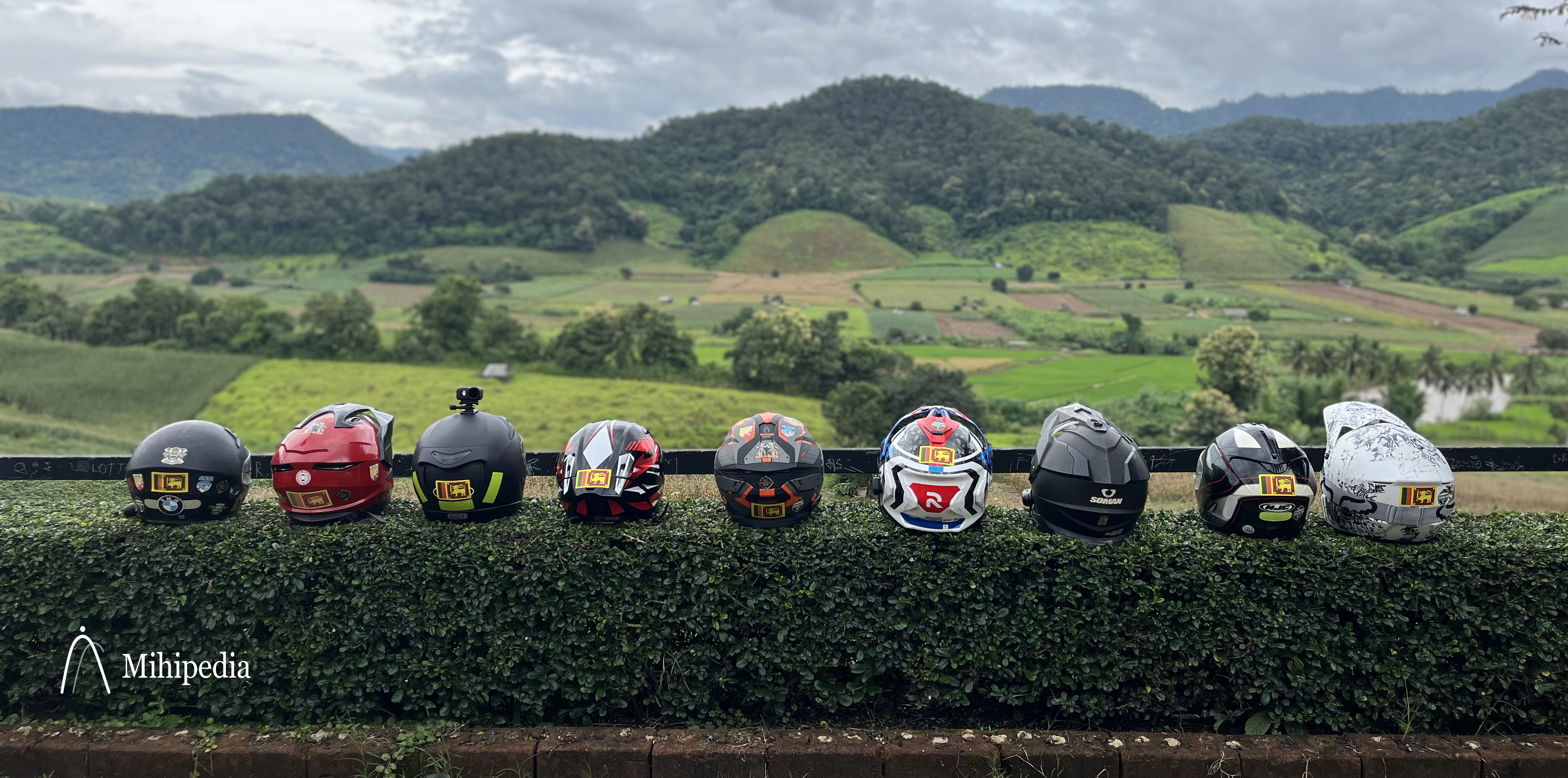
So, helmets on, we were back on two wheels.
Today we were heading towards Mae Hong Son, with about 150 kilometres of riding ahead of us. We were now properly into the famous Mae Hong Son mountain country, where the road seems to have an almost personal objection to travelling in a straight line.
The scenery was spectacular. The road climbed and twisted through thick green mountains, with long sweeping bends followed by tighter corners. After the lazy pace of our rest day, it felt good to have the wind back in my face and the Himalayan moving beneath me. From the pillion, every corner becomes part of the experience. You see the road disappearing around a mountain, feel the bike lean into the bend and then wait for whatever is waiting on the other side.
There was lots of mist and some rain along the way, which added another element to the adventure. One minute the road was dry and bright, and the next we were riding through wet mountain roads. Rain gear appeared, disappeared and appeared again, depending on what the clouds decided to do.


One of our major stops for the day was Tham Lod Cave, a spectacular limestone cave system near Pang Mapha. A river runs right through the mountain, creating the cave’s distinctive name and its most memorable feature: traditionally, visitors explore sections of the cave by bamboo raft, with a local guide carrying a lantern through the darkness, which I was really looking forward to. Unfortunately, nature had other plans. The water level wasn’t high enough for us to take the boat, so the much-anticipated underground rafting adventure was off. It was disappointing, especially after hearing about the experience, but that is travel. Sometimes you plan the adventure and the weather, water or some other force of nature gets the final say.


We explored as much of Tham Lod as we could on foot, carefully picking our way into the dark, slippery and muddy interior. Without the raft, we couldn’t get into every part of the cave, but there was still plenty to see. The deeper we went, the darker and hotter it became, and the stalactites and stalagmites seemed to be everywhere, some delicate, others huge and wonderfully weird.


They are actually pretty amazing when you think about how they got there. Rainwater slowly seeps through the limestone, picking up minerals along the way. When the water reaches the cave ceiling, it leaves tiny deposits behind and, over thousands of years, these build into stalactites. The drops falling onto the floor do the same thing, slowly creating stalagmites. Basically, water has been decorating this cave one drop at a time for a very, very long time.
There is a simple trick to remembering which is which: stalactites hold on tight to the ceiling, while stalagmites might eventually reach it. It took me a while to get that sorted, so I was rather pleased when I finally did.
Tham Lod also has an interesting archaeological history, with ancient human remains, artefacts and wooden coffins discovered in its chambers. Sadly, we didn’t see any of those. No Indiana Jones moment for us. Just muddy shoes, slippery rocks and plenty of photographs. Even without the raft, though, Tham Lod was quite an experience. After spending days riding through the mountains, it was fascinating to leave the road behind for a while and discover what was hiding underneath them.
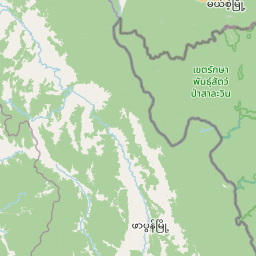
Back on the bikes, we continued towards Mae Hong Son for another very different experience: a visit to a Kayan community, commonly referred to by visitors as the Long Neck Karen.
The Kayan are an ethnic group originally from Myanmar, particularly areas of Kayah State and neighbouring regions. Many Kayan families moved into northern Thailand during periods of conflict in Myanmar, and communities were established in Mae Hong Son and elsewhere along the border. The women are internationally known for the brass coils worn around their necks, which form an important part of Kayan cultural identity.


Seeing the brass rings up close was fascinating, but there is much more to the story than the striking photographs that have made these women famous around the world. The communities have maintained traditions including weaving, handicrafts, dress and other aspects of their cultural identity, while tourism has become an important source of income. At the same time, the history of Kayan tourism in Thailand is complicated, particularly because some of the communities originated as refugees and there have been long-running debates about the way their culture has been presented to tourists and the choices available to the people themselves.
For me, it was a reminder that travelling is not simply about collecting photographs and ticking places off a list. Sometimes the more interesting part is understanding the story behind what you are seeing.

And then it was back to the road.
The afternoon ride towards Mae Hong Son was another beautiful stretch of mountain scenery, with the rain occasionally returning to keep us alert. The roads continued to twist through the hills, and after our rest day, I was very happy to be back where I belonged, sitting behind AB on the Himalayan and watching Northern Thailand unfold around us.


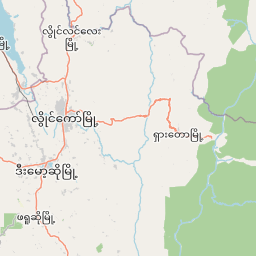
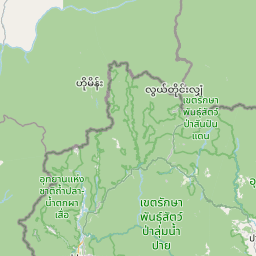
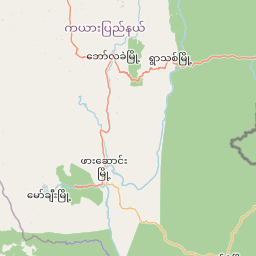
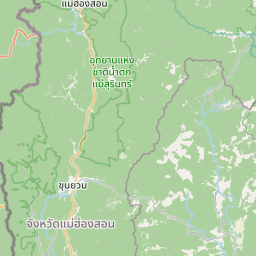
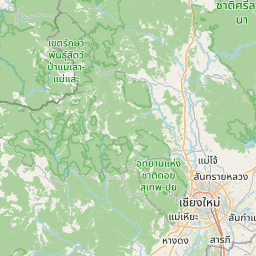
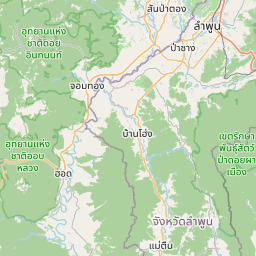
By the time we finally roll into Mae Hong Son, we have completed one of the most famous sections of the Mae Hong Son Loop, and I can understand exactly why motorbikers come from all over the world to ride it. Our route from Pai to Mae Hong Son followed Route 1095, winding through the mountains for roughly 157 kilometres. This is the section famous for its endless bends, with the entire Mae Hong Son Loop often quoted as having more than 1,800 curves, although you will also hear the much more dramatic figure of 4,000-plus bends used to describe the wider network of twisting roads in the region. Either way, there are enough twists and turns to make you completely lose count. The road climbs, drops, curls around mountains and disappears into forests before suddenly opening up to spectacular views.
From the pillion seat, every bend feels like another little adventure, and I can only imagine what it is like from the rider’s perspective. After today’s 157 kilometres from Pai to Mae Hong Son, the odometer has reached 1,098 kilometres, and I have a feeling the best roads are still ahead of us. We had made it through another day on the Mae Hong Son Loop, survived the rain, negotiated my return to the pillion and explored caves and Kayan culture along the way.
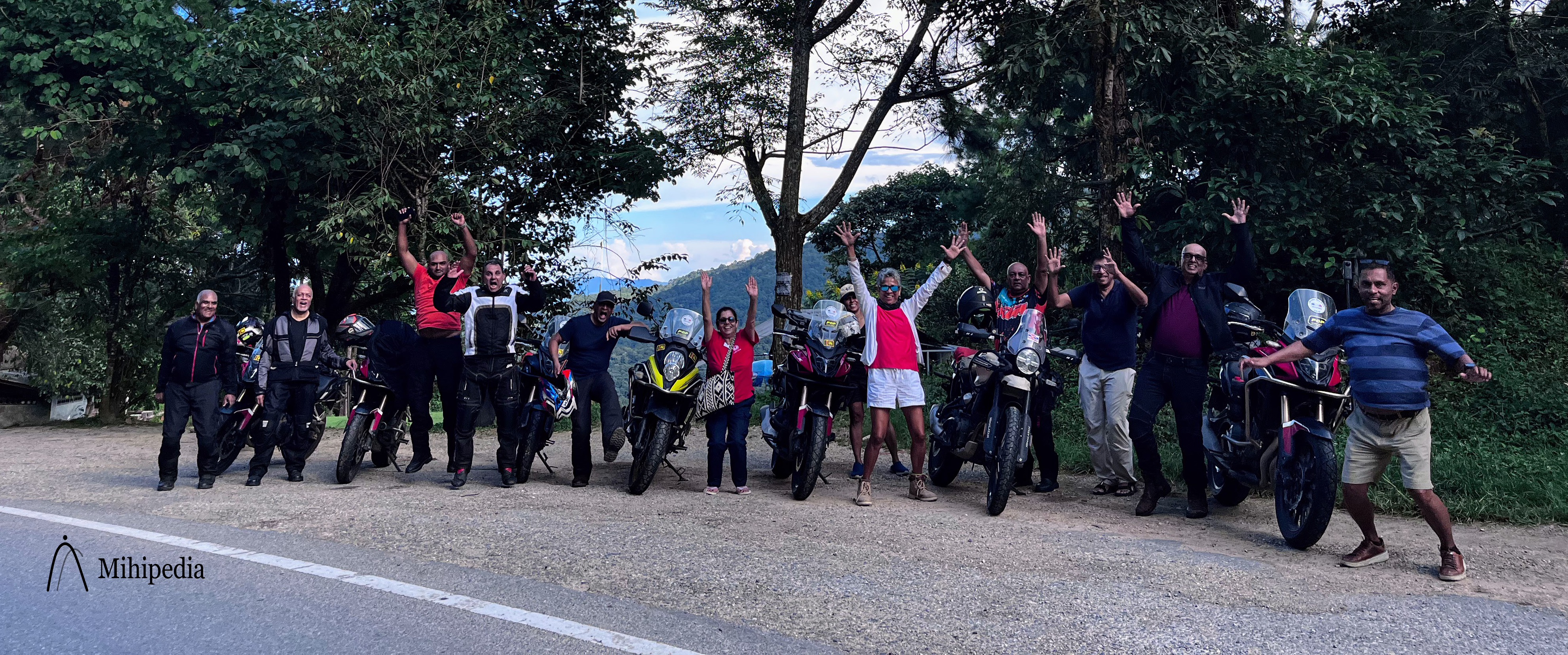
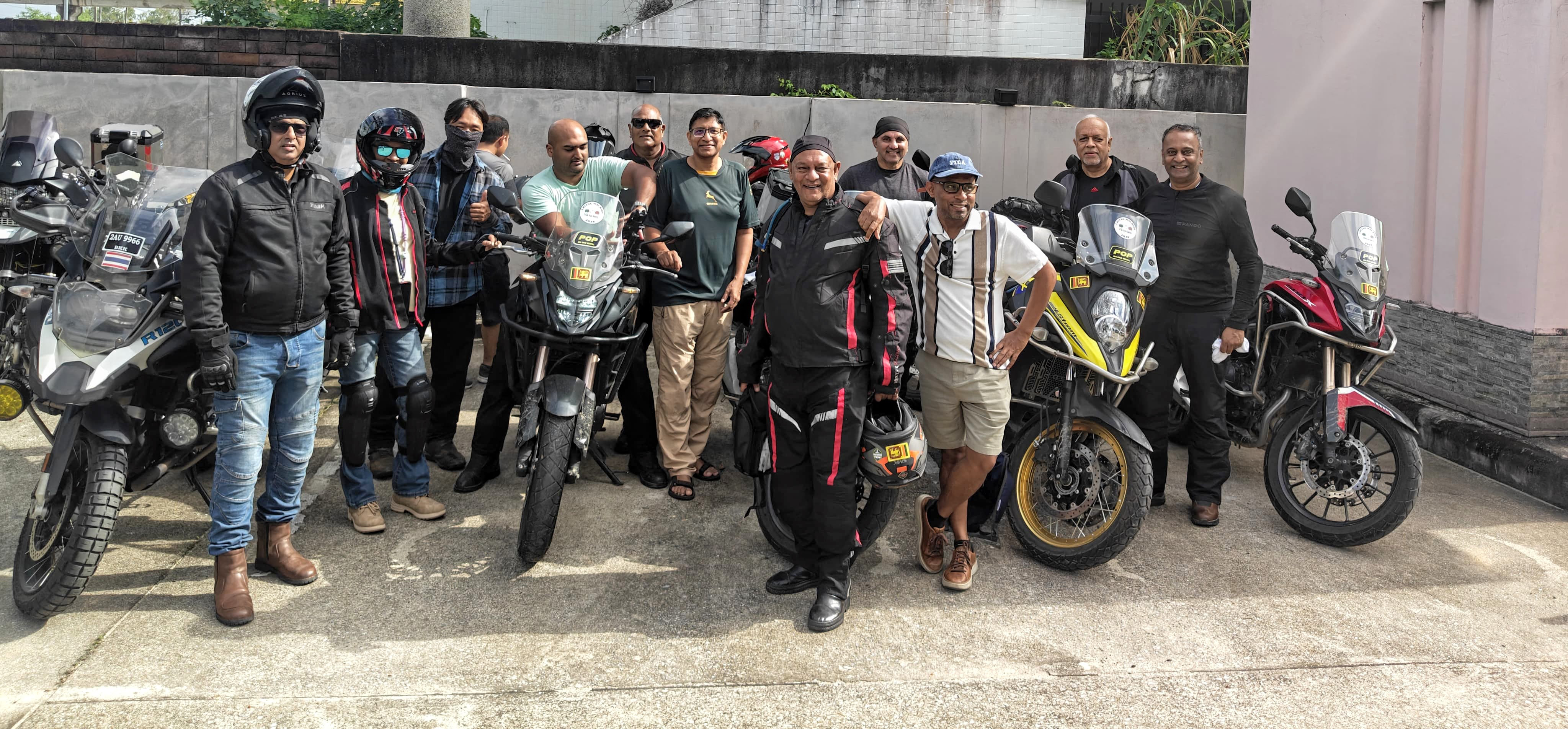
By late afternoon, we reached the Fern Resort in Mae Hong Son. There was only one thing left to do. Get settled, jump in the pool, drink more beers, relax and start comparing notes about the day’s ride. Because with this group, the day’s adventure never really ends when the engines stop. There is always another story, another joke, another version of what happened and usually someone willing to make sure everyone hears it.
And tomorrow, there would be another road waiting for us.




Fantastic! Brings back fond memories of the group and the ride.
Great job Mihiri.