

As the ferry approaches the small island of Nedunthivu in the northern stretch of the Palk Strait, I can’t help but feel the anticipation of exploring a place with such a rich history. The island, named Delft on the Admiralty Chart, stands out from its Tamil-named counterparts, showcasing its unique blend of colonial influences and natural wonders.
Delft Island lies a little over eight km from the Kurikadduwan harbor on the northern peninsula where the ferry service begins. It takes us approximately 90 minutes to get to Delft via Nagadeepa, which is the route the ferry would take. Predominantly inhabited by about 3200 Tamil-speaking people and surrounded by shallow waters, coral, and sand, the island boasts around 50 square kilometers of flat terrain, making it the largest among the smaller islands in the vicinity.


On arrival, we are accosted by locals offering transport to explore this island. We opt for a small open-sided van/lorry. Despite its dilapidated outlook, we hop into the back and begin our sightseeing of the ten popular sites on this island.
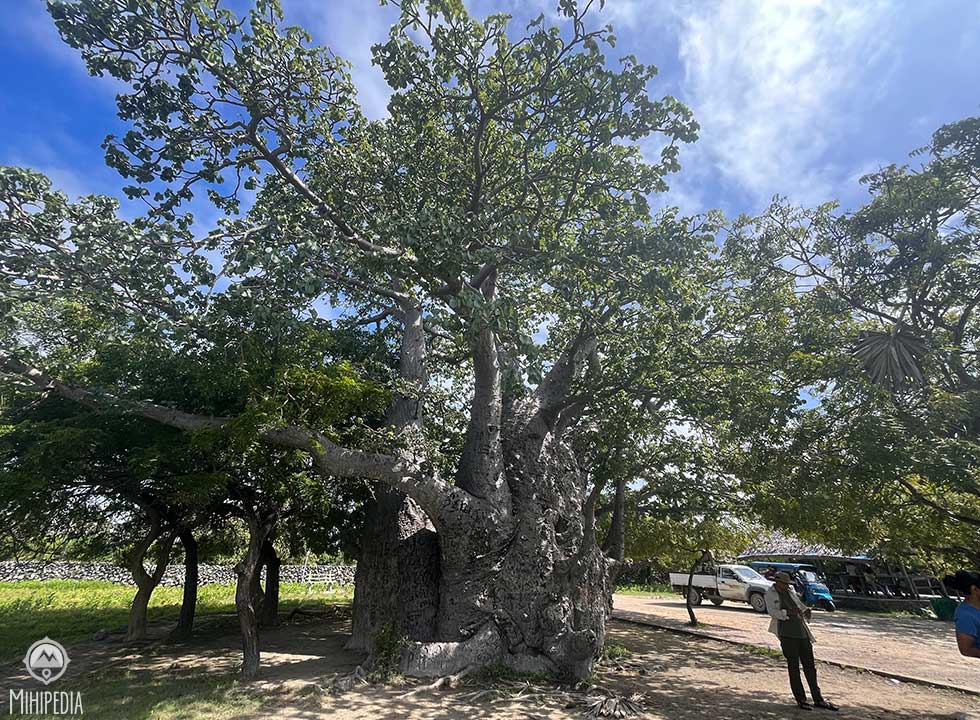

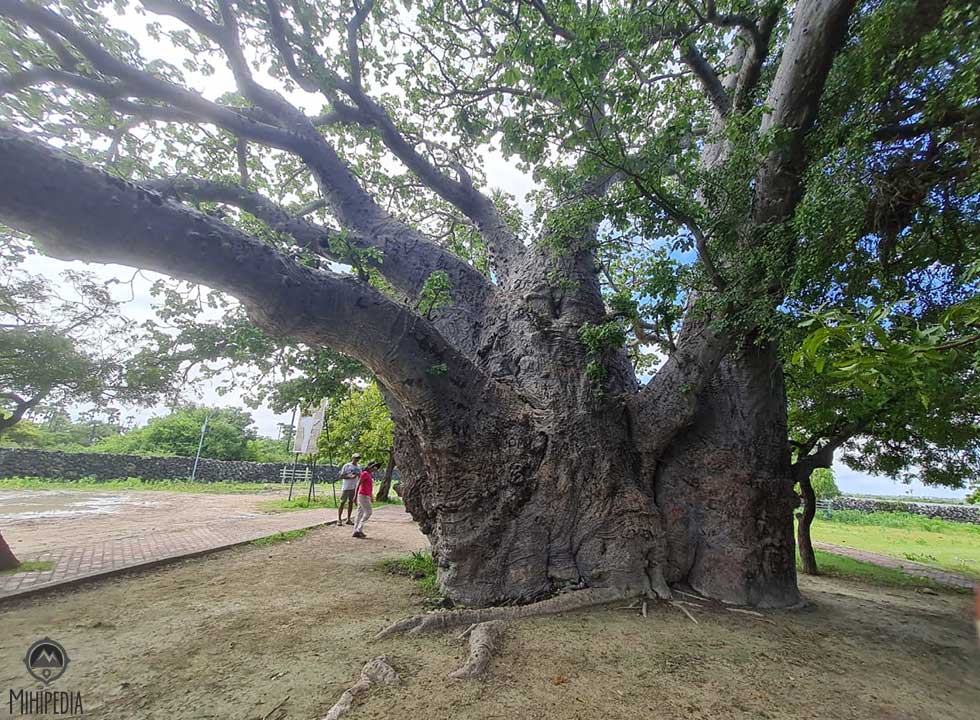
Our first stop on this island adventure is the massive Baobab tree, one of the biggest I’ve seen so far. Native to Africa and brought to this island by Arab merchants in the 16th century, this tree is thriving in the dry, flat expanse of Delft Island, defying its non-native status and a testament to nature’s adaptability. The tree’s trunk is big enough for me to walk in to. And to think that this tree could be anything between 300 to 400 years old!
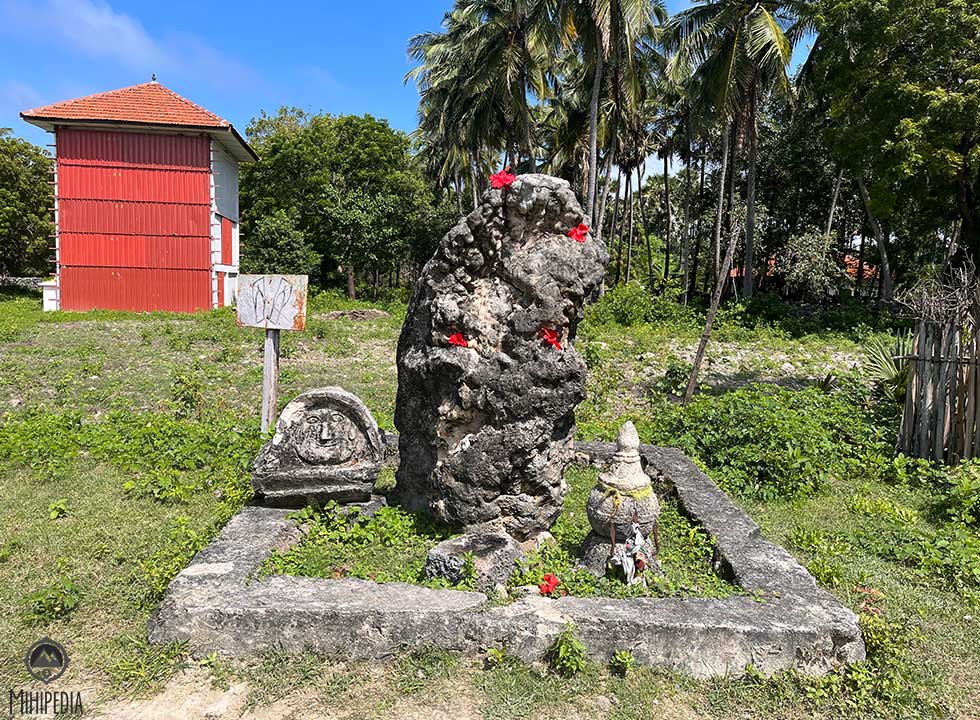
Our next stop is at a vertically growing coral that is shaped like a multi-headed cobra’s head. As cobras are revered in Sri Lankan culture, this site has become a symbol of nature intertwined with spirituality and holds a sacred significance to the locals.


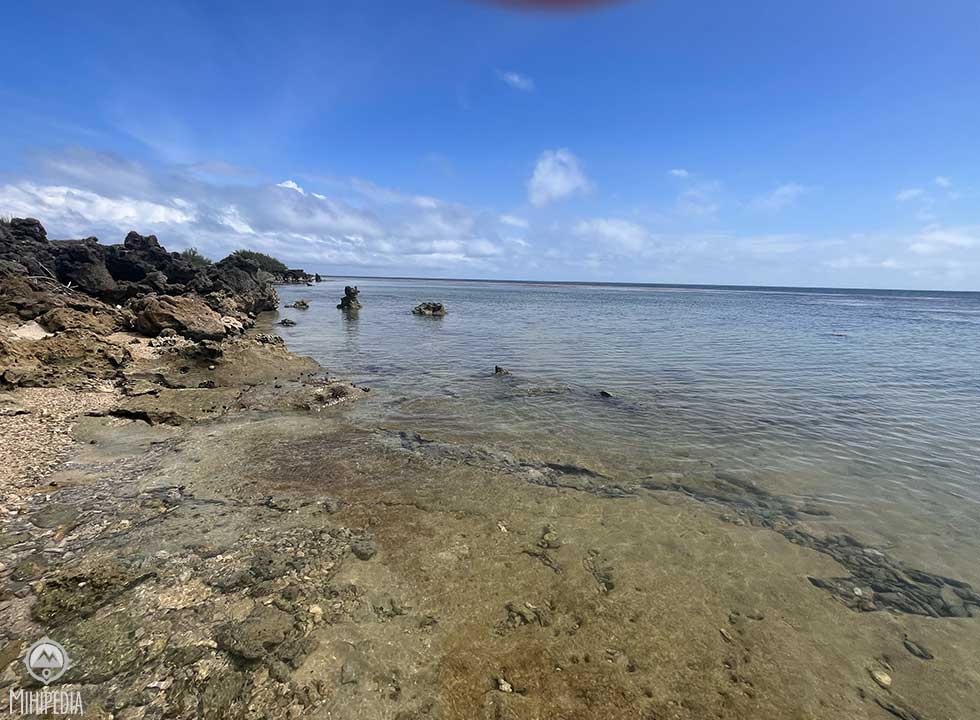
From here we drive along the southeastern coast of the island. With the recent rains, the island is lush and green and the landscape is charmingly beautiful.
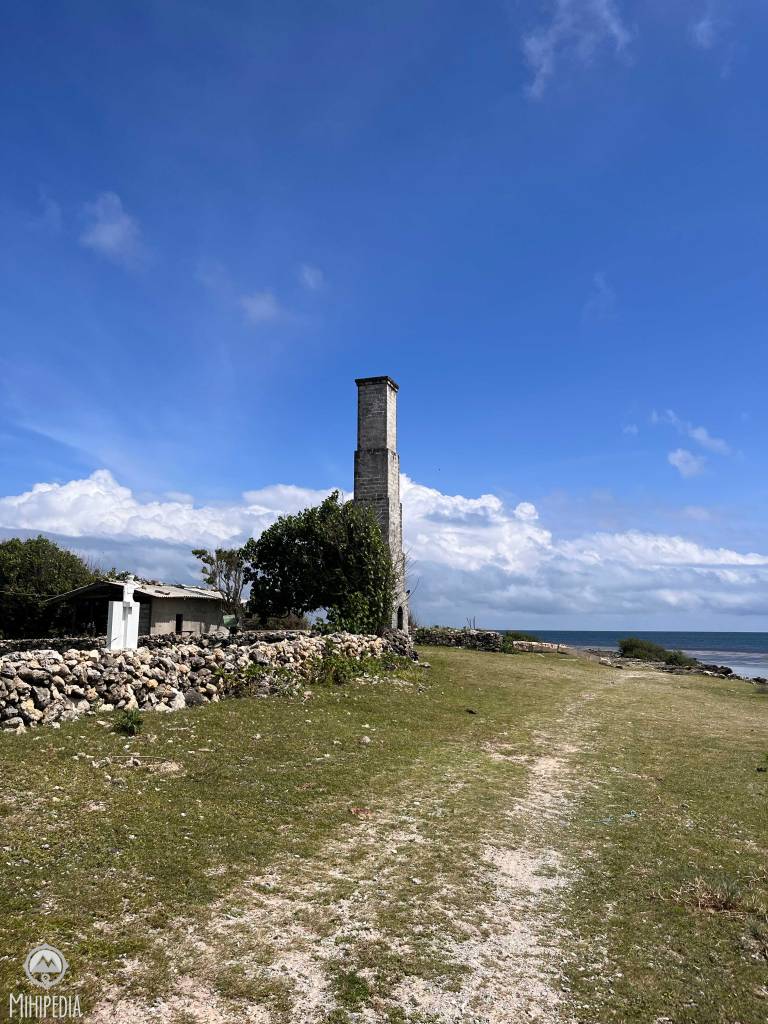
We come to the Queen’s Tower, an ancient measurement tower. Constructed during the British Ceylon period (1825-1948), this tower served as a trigonometric point and a navigation beacon for diurnally operated ships. Standing at a height of approximately 55 feet, the tower is built using cubic-shaped cut limestone rocks. Allegedly, when a fire is lit at the base of the tower, a vacuum forces smoke to come out through the opening at the top of the tower’s chimney-like tube, alerting sailors out at sea.

It is a short distance from here that we spot the famed wild horses of Delft. Imported by colonists for military purposes and trade with India in the 16th century, these horses now roam freely, finding sanctuary on the island. Today, it is estimated that there are about 500 of them remaining on this island.
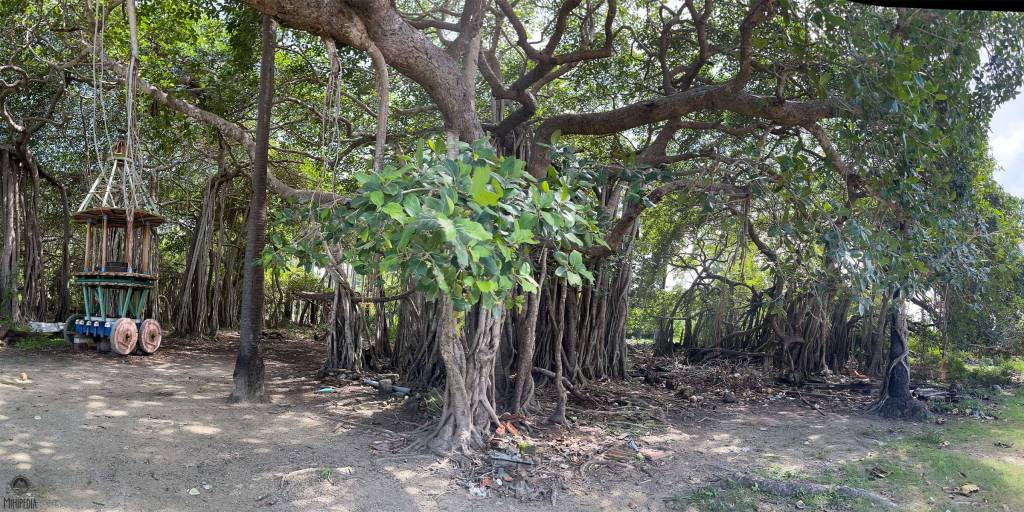
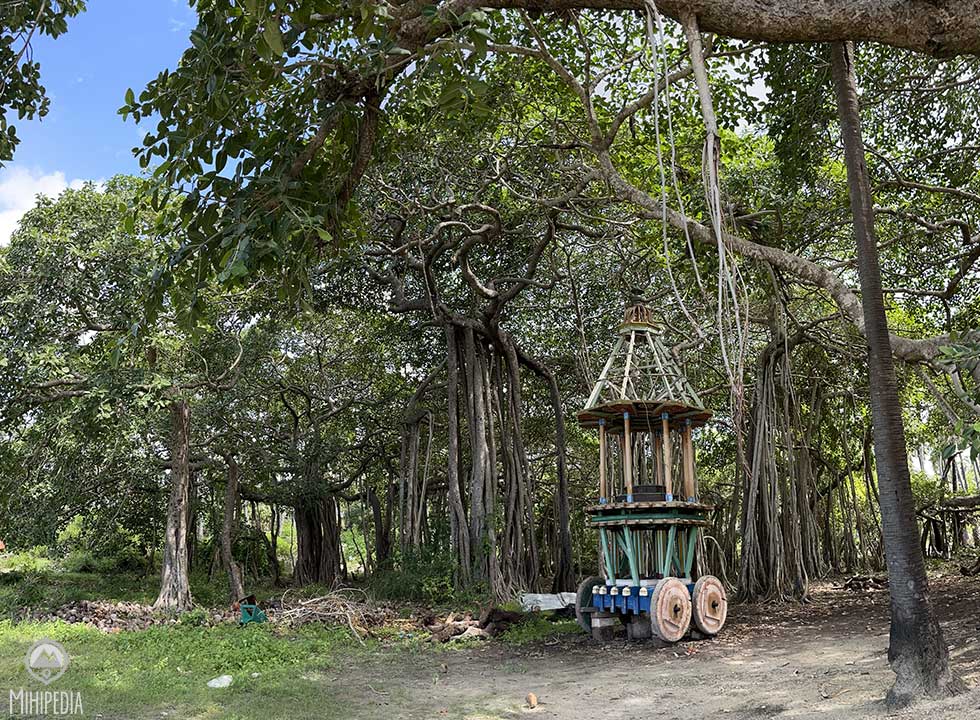
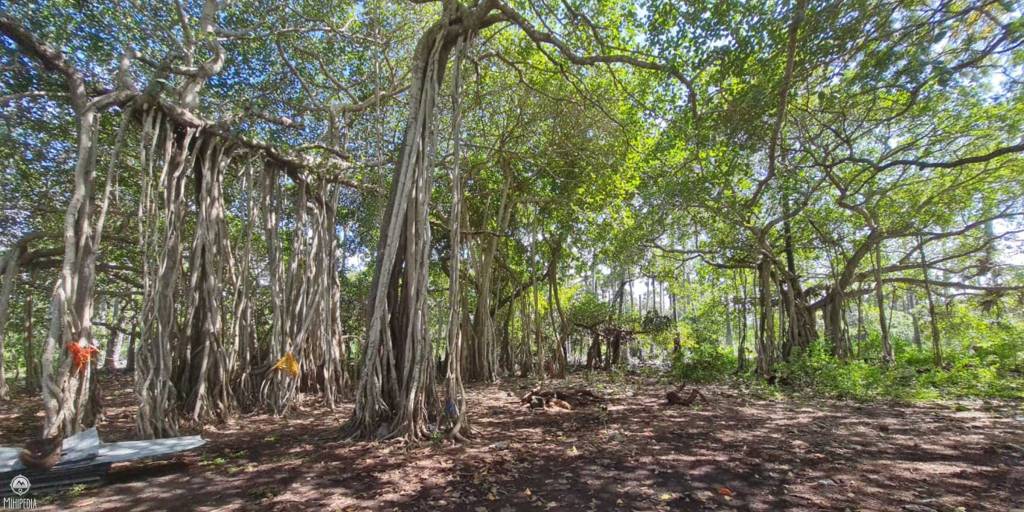
Back on the bumpy road again, we come across a massive grove of banyan trees (Ficus benghalensis). These trees are known to have some of the largest canopy coverage, and this one does not disappoint.
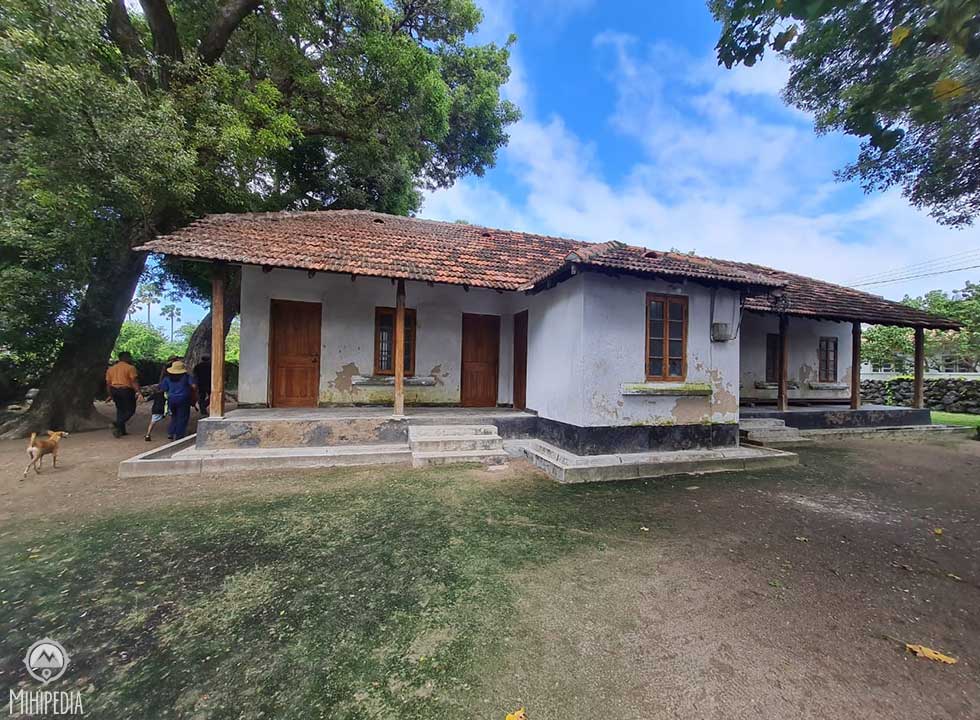

From here we drive inland and come to the ruins of an old Dutch hospital, which was later turned into an administrative center in the early 1900s. A British emblem inscribed on the wall is indicative of the British occupation here. It also consisted of a prison, advocates’ chambers, and the residence of the Justice. Behind this courthouse is a large sprawling unkempt garden, which I assume would have seen better days.

At the farthest end of the garden is a Dutch dovecote, similar to the one in Kayts (Jaffna). This coral-built structure once played a role in communication between Delft Island and mainland Jaffna and stands as a time-worn witness to the era of messenger pigeons and the island’s strategic significance.
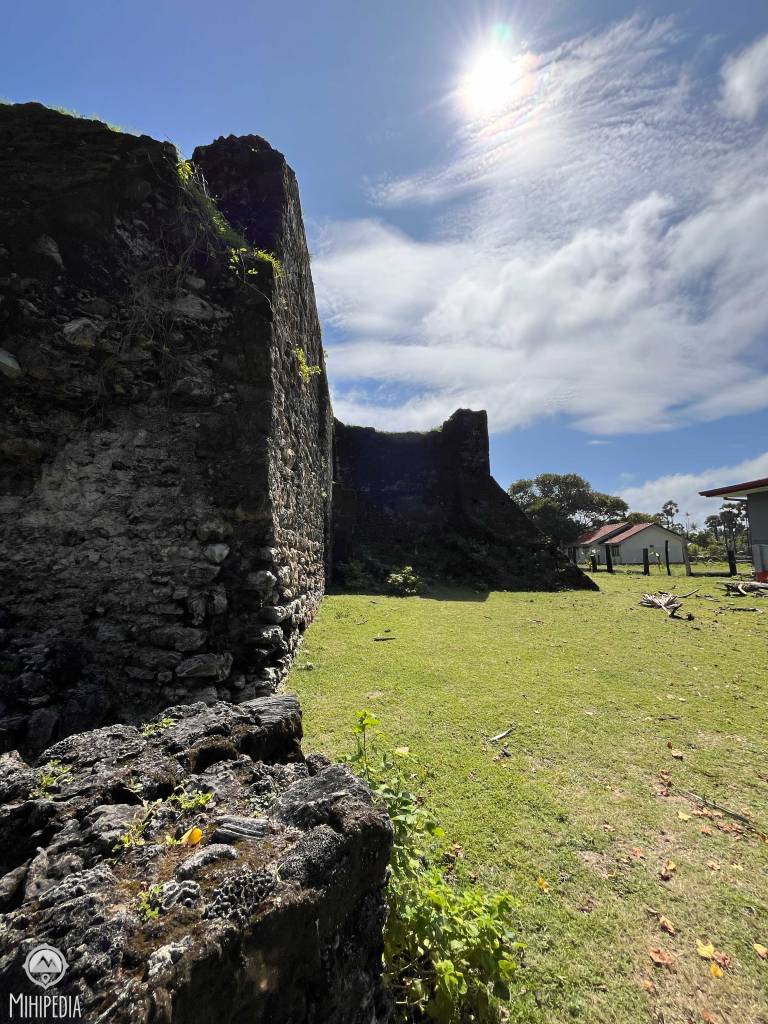
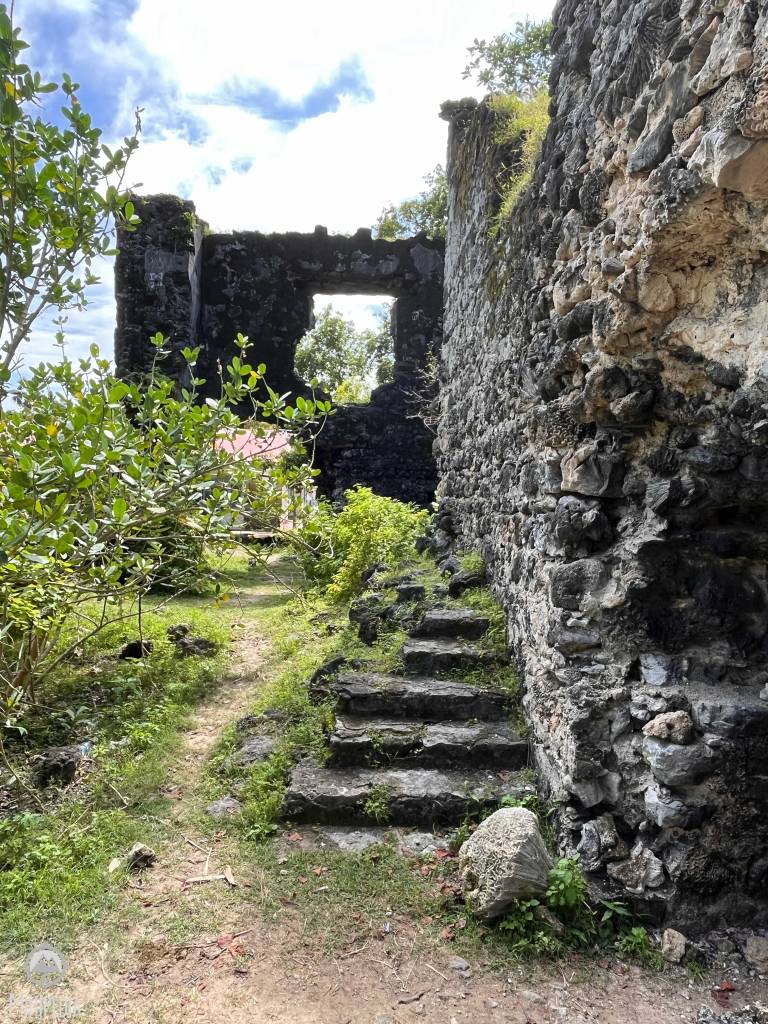
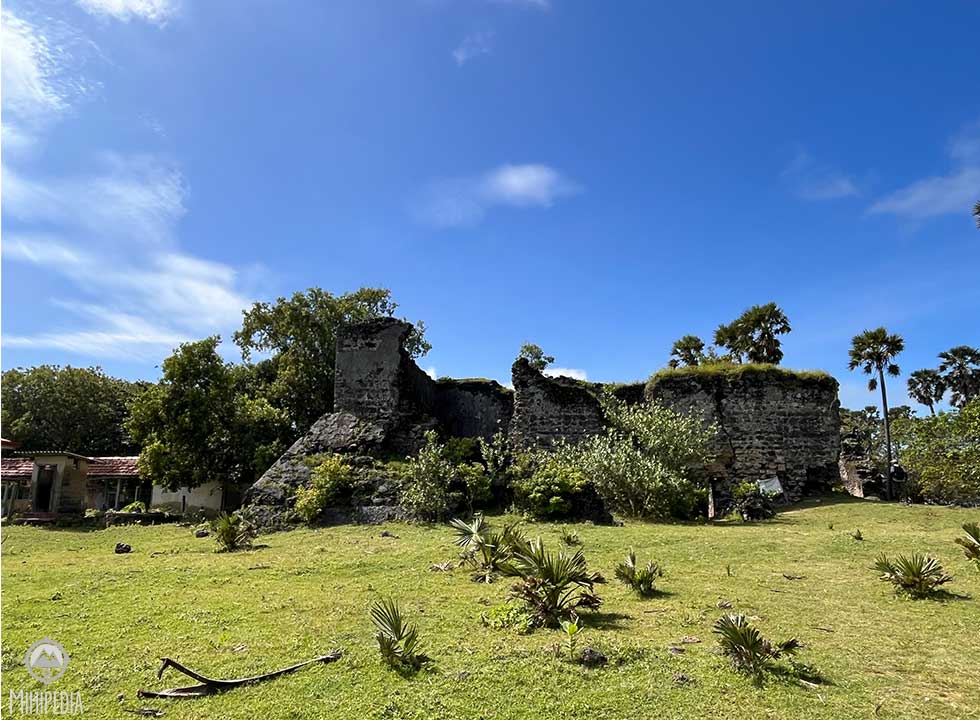
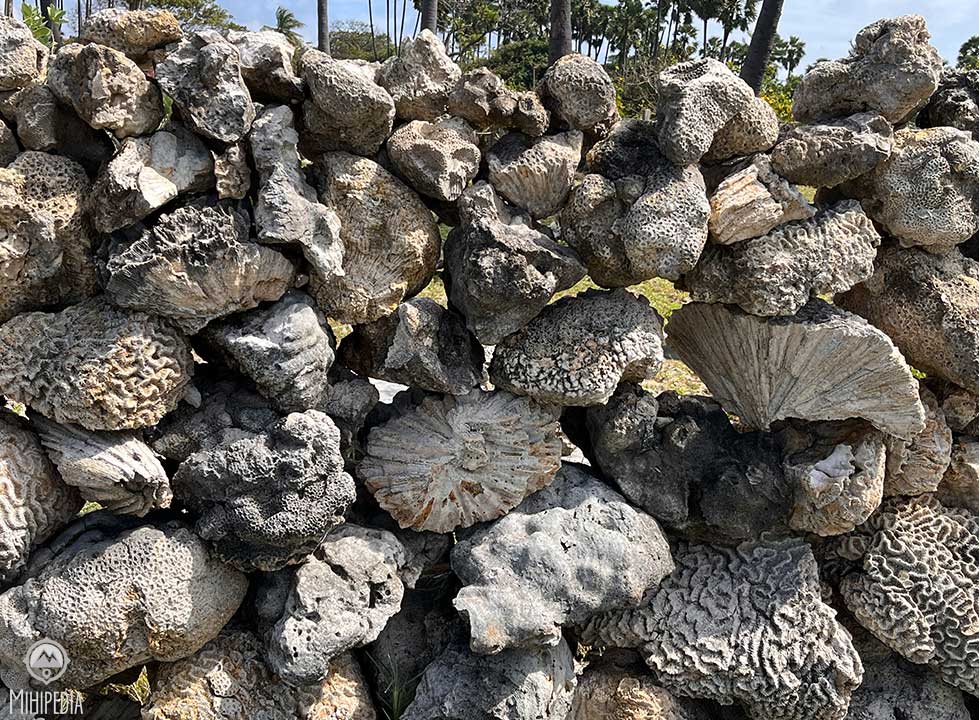
Our next stop is the old Fort, initially built by the Portuguese and then expanded by the Dutch. Like most of the construction materials used on this island, the walls of the Fort too are built with limestone and coral. Even to this day, the intricate features of the various coral can be seen.
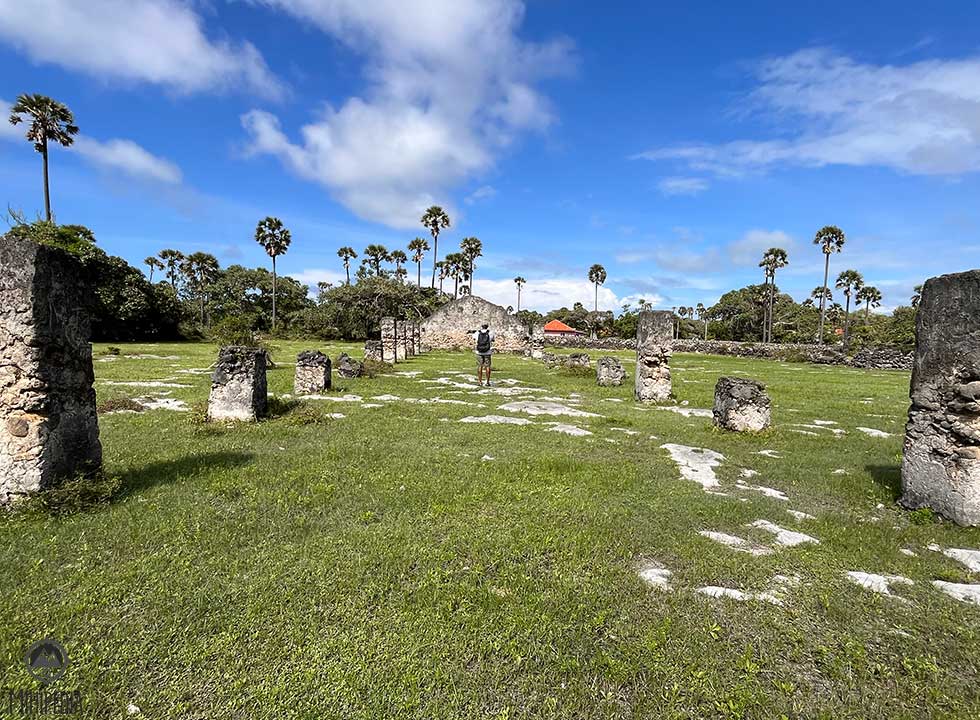
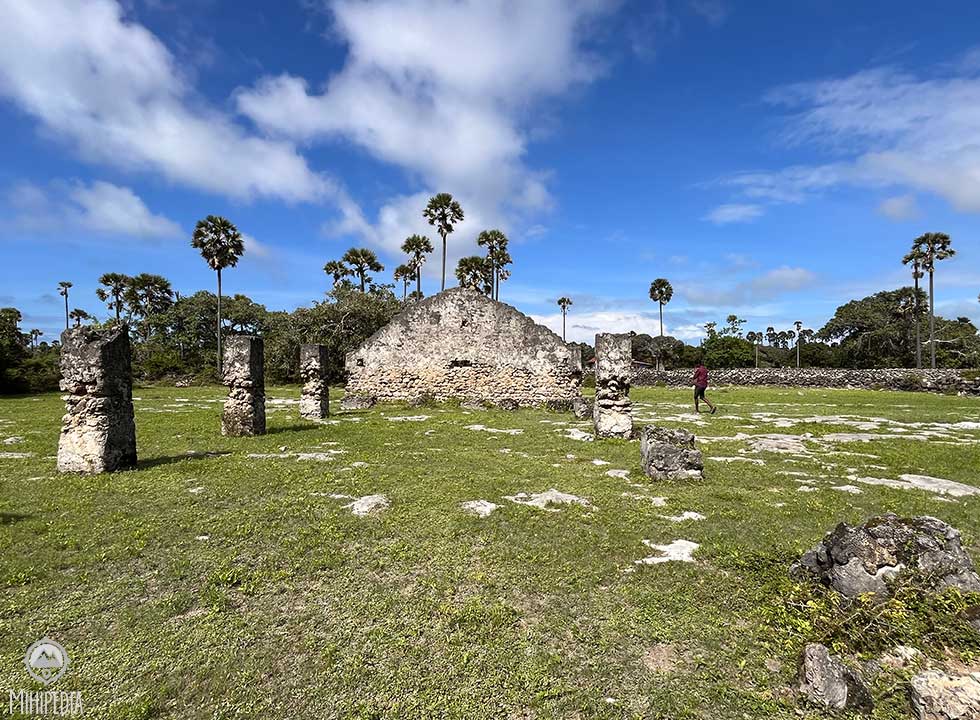
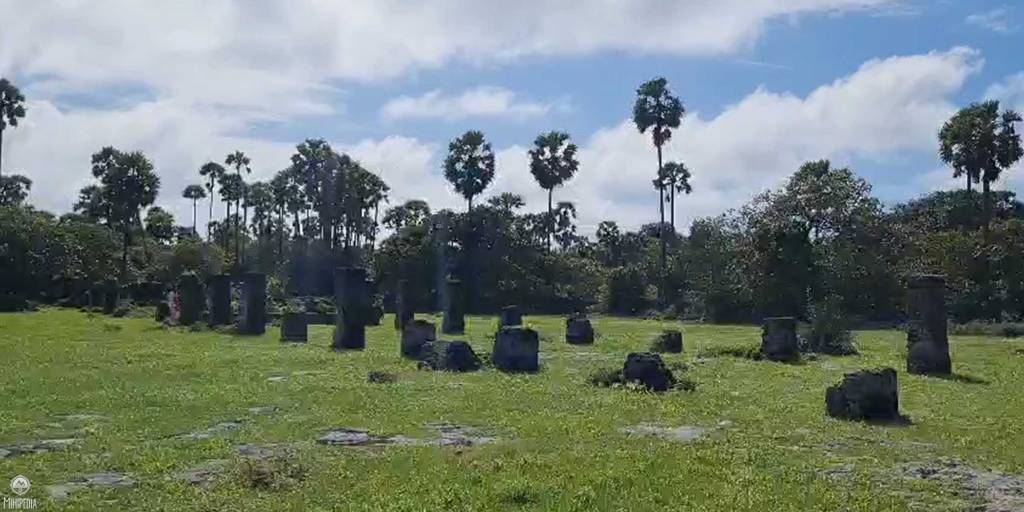
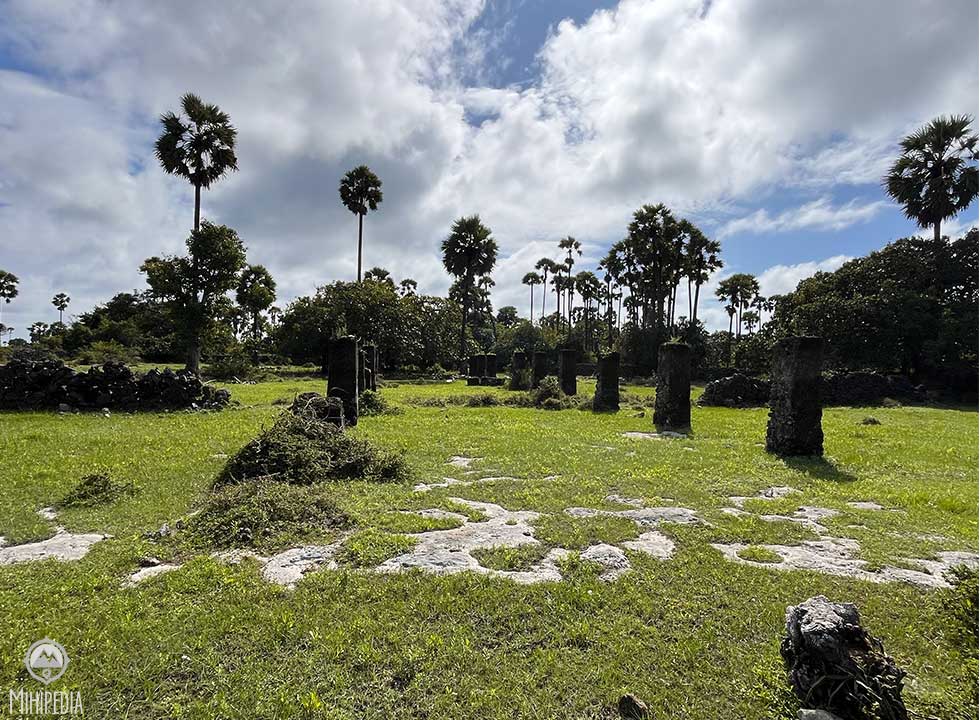
We travel on to see the remnants of Dutch horse stables, which could mean that this island was used as a breeding ground for Dutch horses. The stables are now crumbling, with 64 pillars visible where horses were formerly tied up.
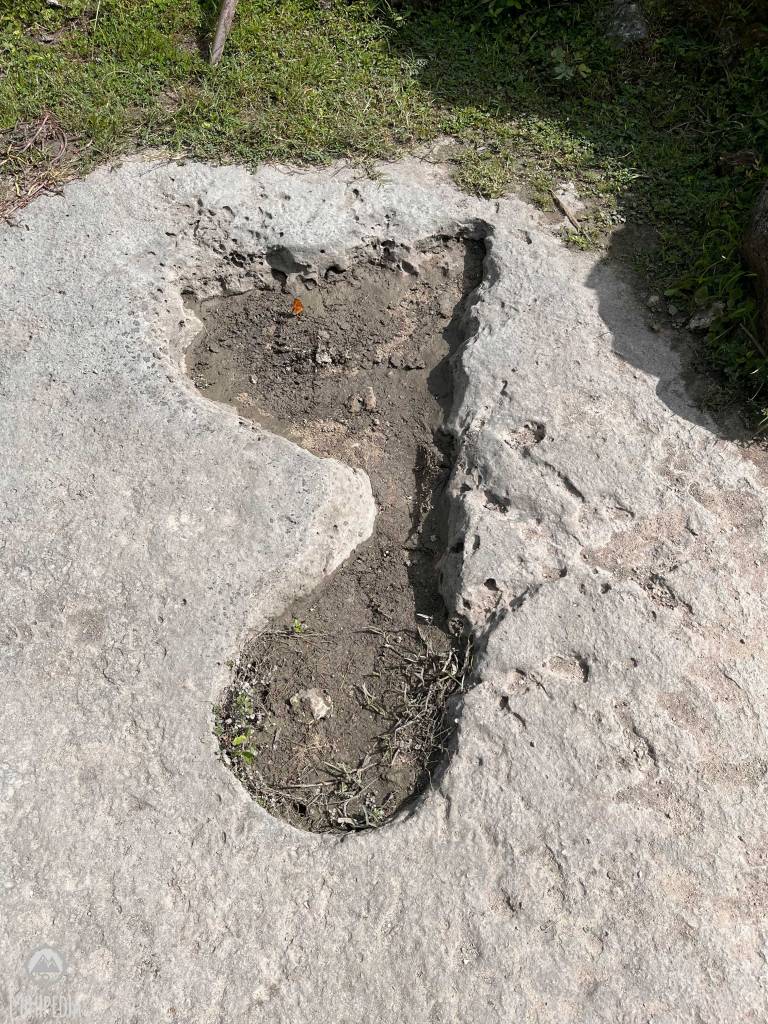
One of the island’s most intriguing features is a 40-inch geological anomaly – a giant footprint. While some believe it belongs to Adam, others attribute it to Lord Shiva or the Monkey god Hanuman. Regardless of its origins, the footprint holds a mystical allure, inviting contemplation of the island’s spiritual heritage.
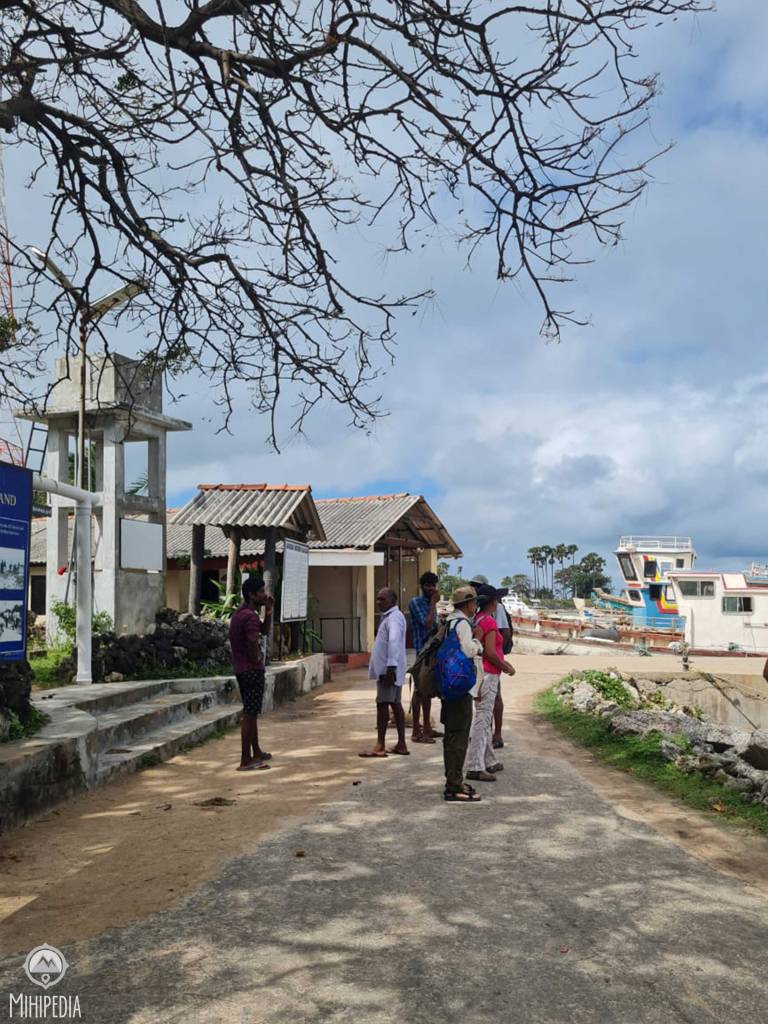
Delft Island, with its fort, wild horses, Baobab trees, historical relics, and geological wonders, offers a captivating blend of history, nature, and spirituality. As I leave the island, the memories of its unique tapestry linger, a testament to the enduring charm of this hidden gem in northern Sri Lanka.


Good to know:
The regular ferry is free of charge but gets very overcrowded. It travels via Nagadeepa. A private ferry costs LKR 35,000 and can accommodate up to about 15 persons.
A small lorry on the island costs LKR 10,000 and can accommodate 10 persons. A Tuk costs approximately LKR 2000.
There are 10 popular sites to visit on the island.
Before you start the tour, stop by Anthony’s food stall, the Island Hut, and order your lunch. He will have it ready on your return.
The entire tour takes us approximately 3.6 hours.
Also… if you would like to visit, please contact me for a bespoke tour.
 Mihipedia.lk
How do i book this tour? Can I spend two days here?
<
div>
Sent from my iPhone
<
div dir=”ltr”>
<
blockquote type=”cite”>
LikeLike
Just let me know your preferred dates. I will personally accompany you or make all the relevant arrangements .
LikeLike
I love this. I am sending it to my friends who travel. Your photo s and descriptions make it the next best thing to being there! Thank you
LikeLike
Thank you Susan. I meant to FaceTime you whilst there but the Internet was rather spotty. Do encourage your friends to visit. And you too 🙂
LikeLiked by 1 person
Wow
Very impressive
Keep discovering
Sent from my iPhone
LikeLike
Thanks. Have you visited Delft? If not, you should. And Mihipedia will organise a bespoke trip for you 🙂
LikeLike
thank you. this is very helpful.
LikeLike
Thanks. Very nicely done.
LikeLike
Thanks. We do have 9 other islands to explore, don’t we?!
LikeLike