Day 5 | November 6, 2026
After several days of tracking tigers, early morning safaris and thrilling wildlife encounters, it was time for a change of scenery. Our next adventure would take us from the forests of Panna into a fascinating world of ancient temples, exquisite sculptures and extraordinary architecture. And, as we would discover, there was much more to Khajuraho than the erotic carvings for which it is so famous.

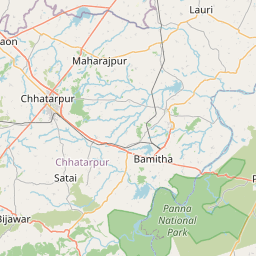
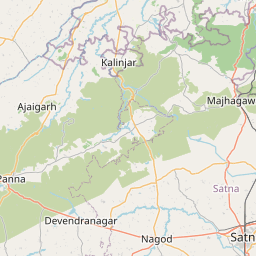
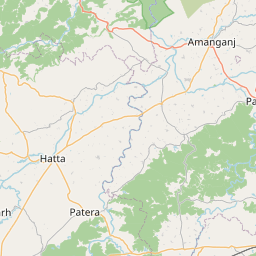
We left Naahar Barg Resort at around 9 a.m., travelling once again in our very comfortable Force Urbania van. The approximately 45-kilometre journey to Khajuraho took us about an hour and a half, passing through the countryside of Madhya Pradesh. After several days of bouncing around in open safari jeeps, the spacious seats and air-conditioned comfort of the Urbania were certainly appreciated!
Waiting to meet us at the temple complex was our guide, Rajesh, who would introduce us to the extraordinary history and artistry of Khajuraho. And this time, we remembered something important, our SAARC concession! As Sri Lankan visitors, we were entitled to the special admission rate of just INR 35 per person. A small but satisfying saving, and a useful reminder that it always pays to check for regional concessions when visiting India’s heritage attractions.

Khajuraho, a UNESCO World Heritage Site since 1986, was once an important religious and cultural centre of the Chandella dynasty, which ruled this part of Central India between the 9th and 13th centuries. Most of its magnificent temples were constructed between 950 and 1050 CE, during an extraordinary period of artistic and architectural achievement. It is believed that approximately 85 temples once stood here, although only around 20 to 25 survive today. Yet what remains is breathtaking.
Built largely from sandstone, the temples rise gracefully towards the sky, their soaring towers designed to evoke the sacred mountains of Hindu cosmology. Their walls are covered with thousands of exquisitely carved figures depicting gods and goddesses, celestial dancers, musicians, warriors, animals and scenes from everyday life. And yes, there are the famously erotic sculptures that have made Khajuraho something of an international curiosity.
But as Rajesh began explaining the symbolism behind the carvings, it quickly became apparent that these temples were about far more than sensuality. They were extraordinary expressions of life in medieval India, celebrating spirituality, devotion, beauty, love and human relationships. The erotic sculptures, despite attracting much of the publicity, represent only a small proportion of the overall artwork.
What fascinated me was the sheer detail. Every figure seemed to tell a story, every wall revealed something new, and the craftsmanship was simply astonishing. It was almost impossible to imagine how artisans working more than a thousand years ago, without modern machinery, could have created such intricate masterpieces.
Interestingly, the sandstone blocks were assembled with remarkable precision, using carefully cut joints and sophisticated structural techniques rather than modern cement. The fact that so much of this architecture has survived for a millennium is testimony to the skill of its builders.
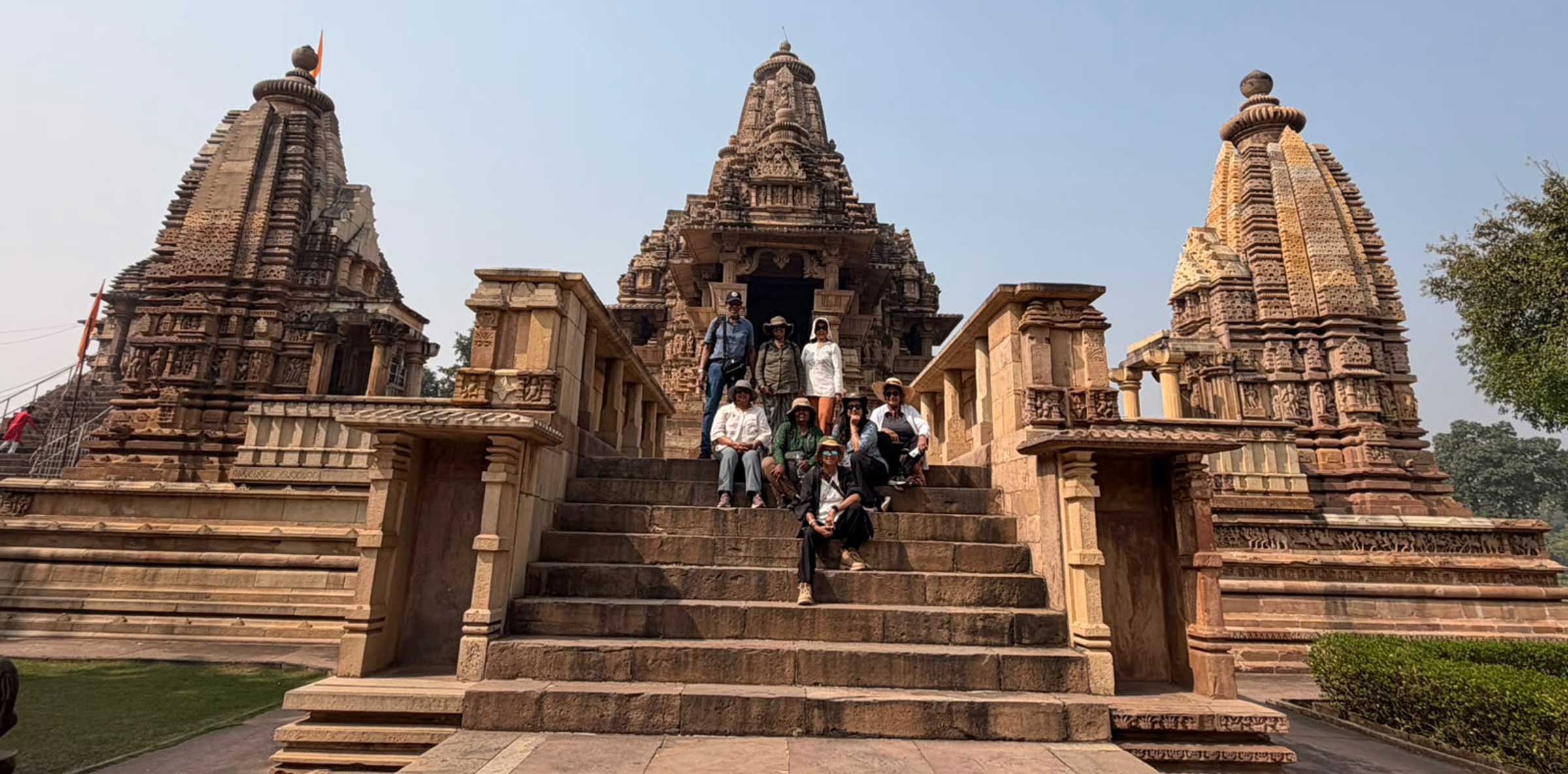
Our exploration took us through three particularly impressive temples — Lakshmana, Devi Jagadambi and Kandariya Mahadeva — each with its own distinctive architecture, fascinating history and remarkable sculptures.
Lakshmana Temple: a masterpiece dedicated to Lord Vishnu


Our first temple was Lakshmana, one of the oldest and best-preserved monuments in the complex. Built during the reign of King Yashovarman in the mid-10th century, it is dedicated to Lord Vishnu. Interestingly, despite its name, it is not dedicated to Lakshmana, the brother of Rama in the Ramayana.
Standing on a high stone platform, the temple is an impressive example of Chandella architecture, with beautifully carved stairways, smaller subsidiary shrines and a central sanctuary. Its exterior walls are decorated with elaborate horizontal bands of sculptures depicting divine figures, mythical creatures, dancers, musicians and scenes from everyday life.


One of its most significant features is the image of Vaikuntha Vishnu, a rare form of the deity associated with multiple faces, symbolising different aspects of Vishnu’s divine nature.
As we walked around the temple, Rajesh pointed out details that would have been easy to miss. The expressions on the faces, the elaborate jewellery, the graceful postures and the sheer variety of subjects were fascinating. Even the smallest figures seemed to have been created with extraordinary care.


Among the carvings are some of Khajuraho’s famous erotic sculptures, but these are only a small part of a much larger artistic narrative. What impressed me was how naturally the sacred and the everyday were represented together, offering a glimpse into a society whose artistic imagination embraced the many dimensions of human existence.
Devi Jagadambi Temple: Beauty Carved in Stone
Our next stop was the Devi Jagadambi Temple, a smaller but equally beautiful monument believed to date from the early 11th century.


The temple is particularly interesting because of its changing religious identity. Scholars believe it may originally have been dedicated to Vishnu, although it is now associated with Devi, the Mother Goddess.


What immediately caught my attention was the elegance of its sculptures, particularly the beautifully carved female figures adorning the exterior walls. With their elaborate hairstyles, intricate jewellery, graceful poses and flowing garments, these women seemed almost to come alive in stone.
The sculptors had captured not only the physical beauty of their subjects but also a remarkable sense of movement and personality. Some figures appeared to be dancing, others adjusting their jewellery or engaged in everyday activities. The detailing was so delicate that it was difficult to believe we were looking at sandstone.
They also offered a fascinating glimpse into the fashions, aesthetics and ideals of beauty of medieval India. The hairstyles alone would have kept a modern stylist busy for hours!
I couldn’t help thinking that, had these women lived today, they would probably have been quite at home on Instagram!
Kandariya Mahadeva: The Crowning Glory of Khajuraho
And then there was the magnificent Kandariya Mahadeva Temple, undoubtedly one of the architectural highlights of Khajuraho.
Dedicated to Lord Shiva and constructed in the early 11th century, it is the largest and most spectacular of the surviving temples, representing the pinnacle of Chandella architectural achievement.


Rising to approximately 31 metres, its central tower is surrounded by smaller spires that rise in stages, creating the impression of a mountain range sculpted entirely from stone. The effect is extraordinary, with each intricately carved spire drawing the eye upwards towards the towering central pinnacle, giving the entire structure a remarkable sense of height and grandeur.
The design is intended to evoke Mount Kailash, the sacred Himalayan abode of Lord Shiva, and the temple’s name is commonly interpreted as referring to the Great God of the Cave.
But it is not merely the architecture that makes Kandariya Mahadeva so remarkable. The temple is said to contain more than 870 sculptures, depicting gods, goddesses, celestial dancers, mythical creatures and scenes of human life. Every available surface seems to have been transformed into a work of art.
The craftsmanship is extraordinary. The delicate jewellery, elaborate clothing, expressive faces and graceful movements are all rendered with astonishing precision. Even the most intricate details have survived the passage of centuries.

Standing before this magnificent structure, I found myself wondering how many years of labour, how many skilled hands and how much artistic vision had gone into creating it. More than a thousand years later, it remains a breathtaking achievement.
And perhaps that is what impressed me most about Khajuraho. These temples were not simply monuments to religious devotion. They were also celebrations of life itself, where spirituality, sensuality, music, dance, beauty and everyday human experiences existed side by side.
There was something wonderfully refreshing about the openness with which the artists of that era portrayed the human experience. The sculptures were neither apologetic nor embarrassed. They simply reflected life in all its forms.

One interesting aspect of Khajuraho’s history is that the temples were never entirely forgotten. Local communities had known about them for centuries, but it was British Army engineer Captain T. S. Burt who brought them to wider attention in 1838. One can only imagine his astonishment at encountering these magnificent sandstone monuments, complete with their remarkably uninhibited depictions of human life!
By the time we finished exploring, I had developed an entirely new appreciation for the artistic sophistication of medieval India. Khajuraho had certainly lived up to its reputation, although perhaps not quite for the reasons most people imagine.
From Ancient Temples to a Canyon of Colours
After our exploration of Khajuraho, we checked into the Ramada Hotel and said goodbye to Madhavi, who had other plans in another country! But our day’s sightseeing was far from over.
Our next destination was Raneh Falls, approximately 20 kilometres from Khajuraho, where an entirely different landscape awaited us. Leaving the comfort of our Urbania van behind, we transferred into two safari jeeps to explore the rugged terrain surrounding the Ken River and the Ken Gharial Sanctuary.


Our first stop was the Crocodile Viewing Point, overlooking the river below. The Ken River provides habitat for mugger crocodiles as well as the endangered gharial, a fascinating crocodilian distinguished by its exceptionally long, narrow snout. Unlike the broader-snouted mugger, the gharial is primarily a fish-eater, using its specialised jaws to catch prey in the water.
The sanctuary was established to help protect these remarkable reptiles and their riverine habitat. Although we didn’t have a close encounter, it was interesting to learn about the conservation efforts taking place along this important river system.


From there, we continued to Vulture Point, a dramatic viewpoint overlooking the rocky cliffs and deep gorges of the Ken River valley. The sheer sandstone cliffs provide ideal nesting and roosting sites for vultures, including some of India’s most threatened species.
Now, vultures may not win any beauty contests, but they are among nature’s most important cleaning crews. By feeding on animal carcasses, they help prevent the spread of disease and play a vital role in maintaining healthy ecosystems. And their survival story is quite remarkable.
During the 1990s and early 2000s, India’s vulture populations suffered a catastrophic decline, with some species losing more than 99% of their numbers. The culprit was eventually identified as diclofenac, a veterinary painkiller commonly used to treat cattle. When vultures fed on the carcasses of treated animals, the drug caused fatal kidney failure.
India banned veterinary diclofenac in 2006, while conservationists began working to protect nesting habitats, promote safer veterinary medicines and monitor the surviving populations. The inaccessible cliffs of the Panna landscape have provided important refuges for these birds.
The results are encouraging. Madhya Pradesh’s 2025 vulture census recorded 12,981 birds, compared with 7,028 in 2016, suggesting that conservation efforts are helping populations recover.
After witnessing the extraordinary efforts to protect India’s tigers, it was heartening to learn that these often-overlooked birds were also receiving much-needed attention.
Raneh Falls – India’s Little Grand Canyon
And then came the highlight of our excursion- Raneh Falls.


Despite its name, what makes Raneh Falls so spectacular is not simply the waterfall but the extraordinary canyon carved by the Ken River through ancient rock formations.
Stretching for approximately five kilometres and reaching depths of around 30 metres, the gorge is a geological wonder. Sheer cliffs plunge towards the river below, while the exposed rock formations display striking shades of pink, red, grey and darker tones.
The canyon is sometimes referred to as the Grand Canyon of India, and while it is considerably smaller than its famous American counterpart, it certainly has a dramatic beauty of its own.
What makes the landscape particularly fascinating is its geology. The exposed granite formations, with their varying colours and textures, reveal an ancient geological history shaped by immense natural forces. Over millions of years, erosion and flowing water have helped sculpt the gorge, creating deep channels, pools and cascades.
During the monsoon, the Ken River can become a raging torrent, with water cascading dramatically through the canyon. At other times of the year, lower water levels expose more of the colourful rock formations, making the gorge itself the main attraction.
Standing at the viewpoint, looking down into this extraordinary landscape, I was struck by the contrast between the rugged cliffs, the river and the surrounding forest.
After days spent admiring the wildlife of Central India and a morning exploring the architectural wonders of Khajuraho, here was yet another reminder of the remarkable diversity of India’s natural and cultural heritage.
From ancient temples carved by human hands to a canyon sculpted by nature over millions of years, it had been quite a day!
A Little Retail Therapy Never Hurt Anyone!
After our excursion to Raneh Falls, we returned to the hotel, but apparently, our day’s adventures were not quite over. Rajesh, our guide, had a handloom shop, and naturally, a visit was suggested. Now, after several days of wildlife safaris, ancient temples and geological wonders, one might have thought we would be ready to put our feet up.
Not the ladies in our group!
The moment we entered the shop and saw the beautiful textiles, scarves, shawls and other handloom creations, all thoughts of tired feet miraculously disappeared. What followed can only be described as a shopping frenzy!
Colours were examined, fabrics admired, prices discussed and purchases made with considerable enthusiasm. Suddenly, everyone seemed to have discovered a fresh burst of energy. Clearly, shopping requires an entirely different set of muscles!
It was a thoroughly enjoyable diversion and a reminder that no holiday is quite complete without a little retail therapy, particularly when beautiful Indian textiles are involved. Rajesh must have been delighted with his customers!

We eventually rounded off our very full day with dinner at an old, rustic mud-walled restaurant, a lovely contrast to the grand temples and spectacular landscapes we had explored earlier. As always, the conversation flowed easily, with everyone sharing their favourite moments of the day.
And tomorrow, we would be on the move again, this time towards the historic town of Orchha, where more forts, palaces and fascinating stories awaited us.
India certainly has a way of keeping me fascinated!
Most photos by: Nishanthi Perera, Rajindra Ariyabandu and Tharuka Dissanaike